Call: +256 702 595 926 | Email: info@bookgorillatracking.com

East Africa Safari Uganda

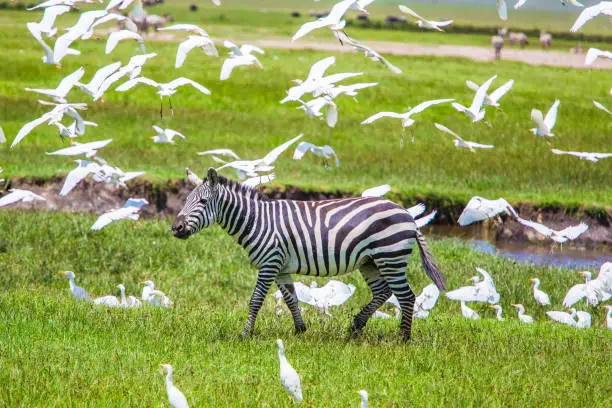
When travelers think of an East Africa safari, the first images that often come to mind are the sweeping savannahs of Kenya and Tanzania, plus the famous wildlife spectacles of the Serengeti, the Maasai Mara, and Ngorongoro. Yet for many seasoned safari lovers, Uganda has earned its own place in the East Africa spotlight. It may not always be the first country people plan for, but it delivers something rare: a safari experience that combines classic wildlife viewing with extraordinary primate encounters, lush landscapes, and intense birding opportunities, all within a relatively compact region.
Uganda’s appeal is not only about the “what” (animals), but also the “how”: the country feels immersive. You travel from wetland birding to rainforest primate forests, from crater lakes to river channels, from tropical canopies to open grassland. In one trip, you can experience East Africa’s best safari themes (biodiversity, storytelling landscapes, and unforgettable animal behavior) while staying connected to Uganda’s culture and conservation efforts.
This article is a detailed introduction to Uganda safari experiences across East Africa’s signature styles: game viewing, boat safaris, primate trekking, and nature-focused adventures.
Uganda’s Safari Identity
If Kenya and Tanzania are often associated with open-sky savannah safari drama, Uganda is known for wildlife safari with rainforest depth, where you can watch elephants and hippos in one setting, then trek into forest to meet gorillas and chimpanzees in another.
Uganda is often called “the Pearl of Africa,” and the nickname reflects more than scenery, it reflects diversity. Within Uganda’s protected areas you’ll find savannah ecosystems that support large mammals, dense forests that harbor primates, lakes and wetlands full of water birds, and river channels that concentrate wildlife.
This diversity is a major reason Uganda has become a go-to destination for travelers seeking an East Africa safari that feels varied rather than repetitive.
The Big Wildlife Moments
A safari in Uganda is rarely only about driving and scanning for animals. Yes, game drives are part of many itineraries, and they’re often excellent. But the country’s safari identity shines when you add activities that bring you close to animal behavior and habitats.
The Kazinga Channel Boat Safari (Queen Elizabeth)
One of Uganda’s signature wildlife experiences is the boat cruise on the Kazinga Channel, a waterway within the wider Queen Elizabeth region. Because so many animals come to the water, the channel becomes a stage for behavior. Compared to long-distance viewing from vehicles, boat safaris can feel more intimate, less about “where is the animal?” and more about “what is it doing right now?”
Lake Mburo’s Calm Savannah Energy
Lake Mburo National Park is smaller but rich in wildlife viewing opportunities. It is particularly rewarding for travelers who enjoy wildlife on foot and in quiet moments, not just from vehicles. The park’s landscapes, acacia trees, open plains, and the lake’s edges, create an environment where you can feel the ecosystem’s rhythm.
Ishasha’s Tree-Climbing Lion Reputation
In the southern sector of Queen Elizabeth, Ishasha is famous for lions that sometimes climb trees. Whether or not you see the “tree lion” style of behavior, Ishasha’s wildlife viewing is still distinctive because it feels different from other sectors: the terrain and habitat patterns influence where animals appear and how they move.
Primate Trekking in Uganda
If Uganda has a superpower, it is primate encounters. For travelers from across East Africa, and from around the world, Uganda’s primate trekking is often the main reason they choose this safari destination.
Bwindi Impenetrable National Park is home to mountain gorillas. Trekking to find gorillas is not a drive-through safari; it’s a journey into a rainforest environment. You follow trackers and ranger teams who locate gorilla families through calls, signs, and movement patterns. Once you arrive, you’ll spend time observing gorillas in their natural behavior, feeding, grooming, moving through the vegetation, and interacting within the family group. The experience is emotionally powerful because it feels both close and respectful: gorillas are wild, and you’re a visitor in their environment, not the other way around.
Kyambura Gorge offers chimpanzee trekking. Unlike gorilla trekking, where families are located and visited through guided tracking toward a group, chimpanzee trekking often feels faster and more energetic. The gorge is like a rainforest pocket within a broader landscape, and it can feel like stepping into a different world. The trek style varies based on how chimpanzees move that day, but the core thrill remains: you’re searching for wild primates and witnessing them in their habitat.
Beyond excitement, primate tourism in Uganda ties into conservation. Rangers, trackers, and structured visits support gorilla and chimpanzee protection efforts. When done responsibly, these experiences help keep protected areas funded and safeguarded.
Birding and Waterfowl
Many East Africa safari itineraries focus primarily on large mammals, but Uganda adds another dimension: world-class birding. Uganda’s wetlands, swamps, and lake edges host many species, including rare and highly sought-after birds. The Mabamba Swamp area, for example, is renowned for potential sightings of the shoebill stork, one of Africa’s most unique birds, prehistoric in appearance and mesmerizing to see.
For bird lovers, Uganda can feel like a different type of safari: the landscape is alive, and even when mammal sightings are unpredictable, birds often deliver consistent action. If you enjoy photography, birding also provides a wide range of angles, behaviors, and environments.
Planning an East Africa Safari in Uganda
A Uganda safari can be designed for different travel styles. Some visitors want a “classic” safari feel: a few game drives and one big highlight. Others want a full primate-and-wildlife journey that mixes treks, channels, and crater landscapes.
Most itineraries build around a sequence of regions: Begin with primate trekking (Bwindi), connect to savannah and water-based wildlife (Queen Elizabeth), include specialized primate or rainforest-edge activities (Kyambura for chimpanzees), and add birding or scenic nature experiences (like Mabamba and crater or wetland zones).
This sequencing matters because Uganda’s protected areas are not all adjacent. Efficient route planning reduces fatigue and helps you spend more time actually in the wild.
What to Pack for a Uganda Safari
Packing intelligently matters more in Uganda than in some safari regions because you can experience rainforest humidity, savannah heat, and water-based wildlife settings. Essentials often include:
- binoculars for birds and distant wildlife,
- a camera with versatile lens options,
- comfortable, grippy footwear for treks (especially Bwindi),
- insect repellent,
- sun protection (hat, sunscreen),
- a light rain jacket for wet-season travel,
- and a day bag for water and personal items.
Conclusion
An East Africa safari is often framed around Kenya and Tanzania, but Uganda offers a distinct and compelling alternative, one that enriches the entire “East Africa safari” narrative. Uganda gives you rainforest primates that feel almost mythic, channel wildlife scenes with hippos and elephants, savannah drama where lions and elephants can appear, and wetlands where birding can become the day’s centerpiece. If you want an East Africa safari that feels like more than a checklist Uganda deserves a serious place on your travel shortlist.