Call: +256 702 595 926 | Email: info@bookgorillatracking.com

How Many Habituated Gorilla Groups Are in Rwanda? (2026 Guide)

How Many Habituated Gorilla Groups Are in Rwanda? Complete 2026 Guide
How Many Habituated Gorilla Groups Are in Rwanda?
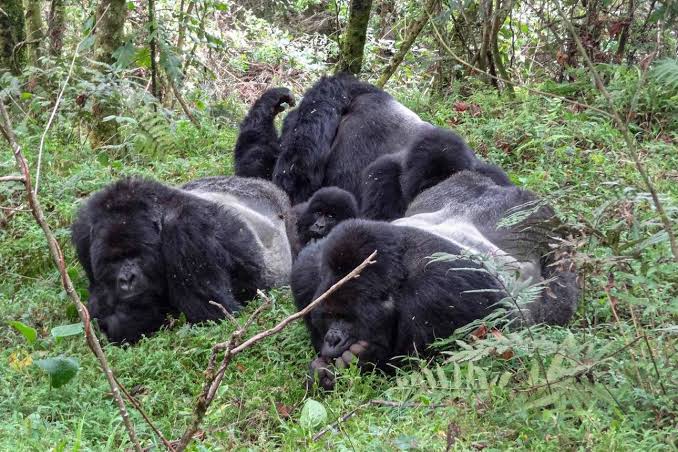
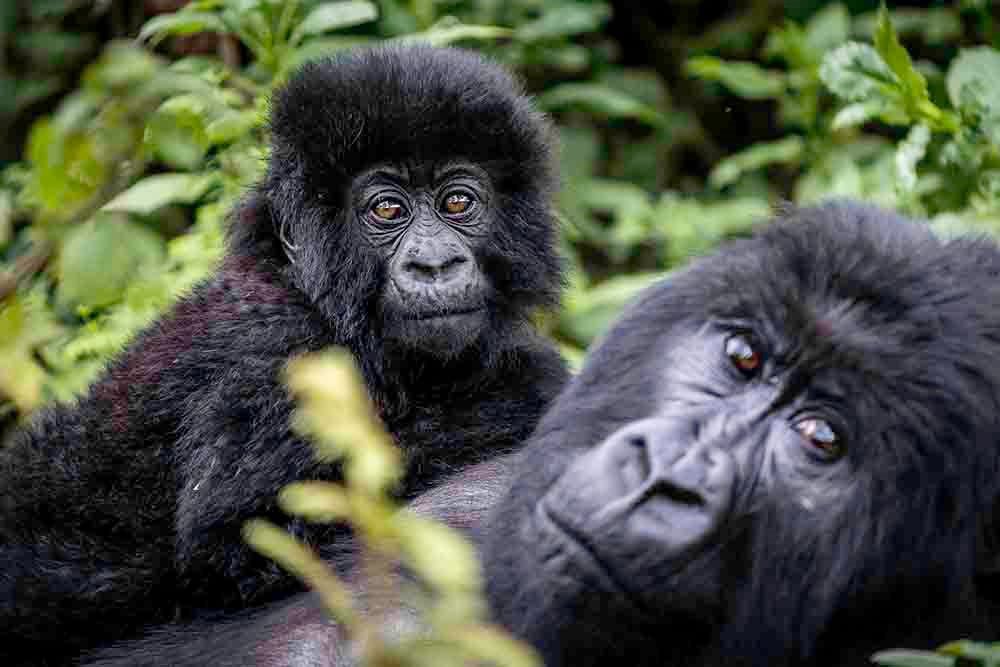
Rwanda has 12 fully habituated mountain gorilla groups open to tourists in Volcanoes National Park, according to Visit Rwanda’s published gorilla trekking information. These groups have undergone habituation, a gradual process that helps mountain gorillas become accustomed to the presence of people under controlled conditions.
Other gorilla groups in the park are habituated for scientific research and conservation monitoring. These research groups are not automatically available for tourist visits.
With 12 tourist-accessible groups and a maximum of eight visitors permitted to visit each group per day, Rwanda has a theoretical capacity of up to 96 gorilla trekking permits daily. Actual availability can vary depending on gorilla movements, park management arrangements and other operational considerations.
Rwanda is one of Africa’s leading mountain gorilla trekking destinations. Visitors travel to Volcanoes National Park in the country’s Northern Province to observe these endangered primates in their natural habitat, accompanied by experienced guides and trackers.
This guide explains how many habituated gorilla groups are in Rwanda, their names, where they live, how gorilla trekking works and how to secure a permit for your visit.
How Many Gorilla Groups Are Habituated for Tourism in Rwanda?
There are 12 habituated mountain gorilla groups designated for tourist trekking in Rwanda’s Volcanoes National Park.
The park is part of the Virunga Conservation Area, a transboundary mountain ecosystem shared by Rwanda, Uganda and the Democratic Republic of Congo. It protects mountain gorillas alongside other wildlife and several volcanic landscapes.
Not all gorilla groups in Volcanoes National Park are open to visitors. Some are reserved for research and conservation activities, while the tourist groups have been habituated specifically to support carefully managed wildlife encounters.
The 12 tourist groups commonly listed in Visit Rwanda’s published information are:
- Susa
- Igisha
- Karisimbi
- Sabyinyo
- Amahoro
- Agashya
- Kwitonda
- Umubano
- Hirwa
- Bwenge
- Ugenda
- Muhoza
Gorilla family composition and movements can change over time. Groups may split, merge, move across the Virunga landscape or experience changes in leadership. Therefore, the published list should be understood as the tourism roster provided by Visit Rwanda, rather than a guarantee that every group will be available for every trekking date.
Important information about group numbers: Some older or legacy information on the Rwanda Development Board’s booking portal still refers to ten tourist groups. Visit Rwanda’s published tourism information gives the figure of 12. For planning purposes, it is sensible to confirm current group arrangements and permit availability with the Rwanda Development Board or a licensed local tour operator before travelling.
List of the 12 Habituated Gorilla Groups in Rwanda
The following are the 12 gorilla groups identified in Visit Rwanda’s published tourism information. Each has its own history and social structure, although the composition and location of individual groups can change.
1. Susa Gorilla Group
The Susa group is among the best-known mountain gorilla families in Volcanoes National Park. It became particularly famous through the early mountain gorilla research conducted in the Virunga Mountains.
The group has historically been associated with the higher slopes of the Virunga volcanoes, making some treks to locate it physically demanding. Its history also includes group divisions that contributed to the formation of other gorilla groups.
Visitors interested in the Susa group should understand that the exact location of the family changes as gorillas move through the forest in search of food.
2. Igisha Gorilla Group
Igisha is one of the gorilla groups included in Visit Rwanda’s published list of tourist-accessible families.
Like other mountain gorilla groups, it consists of individuals living within a social structure that may include silverbacks, adult females, juveniles and infants.
The group is monitored by conservation personnel, and its movements are followed by trackers to support the daily trekking programme.
3. Karisimbi Gorilla Group
The Karisimbi group is associated with the slopes of Mount Karisimbi, the highest volcano in the Virunga range, rising to approximately 4,507 metres above sea level.
It is also known as Susa B because of its historical connection with the original Susa group, from which it separated.
Trekking this group can involve challenging mountain terrain and longer hiking distances, depending on where the gorillas are located on the day of the visit. Visitors should prepare for steep slopes, changing weather and high-altitude conditions.
4. Sabyinyo Gorilla Group
The Sabyinyo group takes its name from Mount Sabyinyo, one of the Virunga volcanoes found along the borders of Rwanda, Uganda and the Democratic Republic of Congo.
It is among the established tourist gorilla groups in Volcanoes National Park. Its history is associated with the silverback Guhonda, who was widely known for his impressive size and leadership.
The group’s location can vary, so visitors should not assume that it will always be one of the easiest families to track.
5. Amahoro Gorilla Group
Amahoro is a well-known gorilla family in Volcanoes National Park. The name Amahoro means peace in Kinyarwanda, and the group is traditionally associated with a relatively calm social character.
The family has experienced changes in its social structure over the years, including the separation that resulted in the formation of the Umubano group.
Trekking Amahoro can involve climbing steep slopes, depending on the family’s location. Visitors should have reasonable fitness and follow their guide’s instructions throughout the trek.
6. Agashya Gorilla Group
The Agashya group was formerly known as Group 13, a name associated with the number of individuals recorded when the group was first habituated.
It is among the established gorilla families in Rwanda’s tourism programme. Its history includes changes in leadership and group composition.
The name Agashya is commonly associated with making news or bringing something new. The group is monitored by park trackers, who help establish its location before visitors begin trekking.
7. Kwitonda Gorilla Group
The Kwitonda group has an interesting history because it originally lived in the Democratic Republic of Congo before establishing itself in Rwanda’s Volcanoes National Park.
Its name comes from its founding silverback, Kwitonda, whose name is commonly translated as humble one.
The group has experienced changes in leadership and composition over time. Its history illustrates the natural movement of mountain gorillas across the Virunga landscape, where national boundaries do not restrict their movements.
8. Umubano Gorilla Group
Umubano is a gorilla family that originated from a split within the Amahoro group.
The name Umubano means living together or togetherness in Kinyarwanda. The separation was associated with competition between silverbacks and the formation of a new social group.
The family is one of the established tourist groups in Volcanoes National Park. Its members are monitored by park personnel, and visitors may be assigned to track it depending on daily trekking arrangements.
9. Hirwa Gorilla Group
Hirwa is another recognised tourist gorilla group in Volcanoes National Park. Its name means fortunate or lucky in Kinyarwanda.
The group has a history of individuals joining from other gorilla families, demonstrating how mountain gorilla social structures can change through natural movements and group interactions.
Hirwa has also been associated with movements across the Rwanda-Uganda border within the Virunga landscape. Its availability and location should therefore be confirmed when arranging a trek.
10. Bwenge Gorilla Group
The Bwenge group is named after its founding silverback. Bwenge is a Kinyarwanda word commonly translated as wisdom or intelligence.
The group is part of the tourist trekking programme in Volcanoes National Park. Like other families, it is made up of individual gorillas living together under a social hierarchy.
Its location changes as the group moves through its forest habitat, and visitors are assigned to groups through the park’s daily trekking arrangements.
11. Ugenda Gorilla Group
The Ugenda group is included among the tourist-accessible gorilla families in Rwanda.
Its name is commonly associated with movement or walking, reflecting the group’s reputation for moving around its habitat.
As with all mountain gorilla groups, its location is not fixed. Trackers monitor the group’s movements to help guides determine where trekking parties should go.
12. Muhoza Gorilla Group
Muhoza is one of the groups included in Visit Rwanda’s published list of habituated tourist gorilla families.
It contributes to Rwanda’s mountain gorilla tourism programme and is monitored by park authorities and trackers.
The family is subject to the same visitor regulations as the other tourist groups, including the maximum number of visitors and the one-hour viewing limit.
Where Are Rwanda’s Habituated Gorilla Groups Found?
All 12 tourist-accessible gorilla groups are found in Volcanoes National Park, located in northern Rwanda.
The park forms part of the Virunga Massif, a chain of volcanic mountains shared by Rwanda, Uganda and the Democratic Republic of Congo. Its montane forests, bamboo zones and high-altitude vegetation provide habitat for mountain gorillas.
The park is accessed through the Kinigi area, near Musanze town. Visitors normally report to the park’s tourism and conservation offices for registration and a pre-trek briefing before being allocated a gorilla group.
How Far Is Volcanoes National Park from Kigali?
Volcanoes National Park is approximately 90 kilometres from Kigali, depending on the route and destination within the park.
The journey from Kigali to the Musanze area generally takes around two hours by road, although traffic, weather and road conditions can affect travel time. From Musanze, visitors continue to Kinigi for the gorilla trekking briefing.
Travellers arriving in Kigali can arrange a private transfer to Musanze or Kinigi. Many visitors choose to travel the day before their trek to avoid an early-morning journey on the trekking day.
What Is the Difference Between Habituated Gorilla Groups for Tourism and Research?
Not every habituated gorilla group in Rwanda is available for tourist trekking.
Habituation is the process through which wild gorillas gradually become accustomed to the presence of researchers, trackers or other authorised people. The process requires patience, professional monitoring and careful management to minimise disturbance.
There are two important categories of habituated groups:
1. Gorilla Groups Habituated for Tourism
These are groups that have been prepared and designated for controlled visits by tourists.
Visitors can observe these gorillas under strict conditions, accompanied by trained guides and trackers. Each group has a limited daily visitor allocation to reduce disturbance and protect the animals.
The 12 groups listed above belong to this tourism category according to Visit Rwanda’s published information.
2. Gorilla Groups Habituated for Research
Some gorilla groups are habituated primarily for scientific research, conservation monitoring and behavioural studies.
Researchers use these groups to understand mountain gorilla behaviour, social relationships, reproduction, health and population dynamics.
Research habituation does not automatically mean that a group is available for ordinary tourist visits. Access is controlled, and tourists should only visit groups officially designated for tourism.
How Many Tourists Can Visit Rwanda’s Gorilla Groups Each Day?
Rwanda allows a maximum of eight visitors per habituated tourist gorilla group per day. Visitors are permitted to spend a maximum of one hour with the gorillas once they have located the assigned family.
With 12 tourist groups, the theoretical maximum is:
- 12 habituated tourist groups.
- 8 visitors per group.
- 1 hour of viewing per group.
- Up to 96 visitor permits per day.
This is a theoretical capacity based on the published group number and visitor limit. Actual daily availability can differ because of conservation decisions, group movements, operational conditions and permit bookings.
The limited number of permits helps manage tourism pressure and supports the long-term protection of mountain gorillas.
Can You Choose a Specific Gorilla Group When Booking a Rwanda Gorilla Permit?
No. Booking a gorilla trekking permit does not normally guarantee that you will visit a particular named gorilla family.
Visitors book a gorilla trekking permit for Volcanoes National Park for a selected date. The park’s staff allocate trekking groups on the day of the activity.
Allocation can take account of factors such as:
- The location of gorilla groups.
- The condition and fitness of visitors.
- The expected trekking distance.
- The daily operational arrangements of the park.
- Conservation and safety considerations.
If you have a preference for a particular trekking experience, communicate it to your tour operator before your trip. However, a named-family allocation should never be promised unless the relevant park authority has explicitly confirmed it.
How Much Does a Rwanda Gorilla Trekking Permit Cost?
Rwanda’s standard gorilla trekking permit fee for a foreign non-resident visitor is US$1,500 per person, according to the Rwanda Development Board’s booking information.
Other visitor categories may qualify for different rates, including Rwandan citizens, East African citizens, foreign residents in Rwanda and eligible African citizens or foreign residents in Africa.
Some reduced rates are promotional and subject to conditions and travel periods. For example, the RDB booking portal states that certain promotional rates do not apply from June to October 2026.
Because permit fees and eligibility requirements can change, check the official Rwanda Development Board booking portal before making payment.
A gorilla permit generally covers the regulated gorilla trekking experience. Accommodation, transport, meals, porter services and other safari activities are separate costs unless included in a tour package.
How to Book a Rwanda Gorilla Trekking Permit
Gorilla permits are limited, so early booking is recommended, particularly for travel during busy holiday periods.
You can arrange a permit through the Rwanda Development Board’s official booking system or work with a licensed local tour operator that can coordinate the permit and other safari arrangements.
The general booking process involves the following steps:
Step 1: Choose Your Trekking Date
Decide when you want to visit Volcanoes National Park. Check your international arrival and departure dates before selecting the trekking date.
Step 2: Confirm Permit Availability
Check whether permits are available for your preferred date. Availability is limited, and permits are generally handled on a first-come, first-served basis.
Step 3: Provide Your Personal Details
You will need to provide accurate identification and traveller information, including the details requested during the booking process.
Make sure that the information matches your travel documents. Incorrect or incomplete applications can cause problems at the park entrance.
Step 4: Make Payment
Pay the applicable permit fee through the authorised booking process. Confirm the payment instructions and retain your booking confirmation.
Step 5: Arrange Transport and Accommodation
Book accommodation around Musanze or Kinigi and organise transport to the park headquarters.
If you are arriving from Kigali, consider staying near the park the night before trekking.
Step 6: Attend the Morning Briefing
On the trekking day, report to the designated park offices at Kinigi at approximately 7:00 am for registration, briefing and allocation to a gorilla group.
Follow the instructions provided by the park staff and your assigned guide.
Rwanda Gorilla Trekking Rules and Regulations
Mountain gorillas are endangered wildlife, and all visitors must follow the rules established by park authorities.
The main regulations include:
- Minimum age: Visitors must be at least 15 years old.
- Maximum group size: No more than eight visitors are allocated to a gorilla family.
- Viewing time: Visitors may spend a maximum of one hour with the gorillas.
- Distance: Maintain the recommended distance of at least seven metres from the gorillas, following the guide’s instructions.
- Health: Do not trek if you have a cold, flu or another contagious illness.
- Photography: Flash photography is not permitted.
- Noise: Keep your voice low and avoid sudden movements.
- Food and litter: Do not litter, and follow the guide’s instructions about eating and drinking.
- Gorilla behaviour: Remain calm and follow the guide’s directions if a gorilla approaches, charges or makes a vocalisation.
These rules help protect gorillas from disease transmission and unnecessary disturbance.
What Is the Best Time to Visit Rwanda for Gorilla Trekking?
Gorilla trekking in Rwanda is available throughout the year. However, some months are generally more favourable for hiking because of differences in rainfall and trail conditions.
Dry Seasons
The drier periods are generally from June to September and December to February.
These months often provide more favourable hiking conditions, although rain is possible at any time in the rainforest. They are popular travel periods, so permits and accommodation should be arranged well in advance.
Rainy Seasons
The wetter periods generally occur from March to May and October to November.
Trails can become muddy and slippery, making trekking more challenging. However, the forest is lush, and visitors may experience fewer crowds during some periods.
There is no guaranteed easy trekking season. Mountain gorillas move freely through the forest, and the length and difficulty of a trek depend largely on their location.
What Should You Pack for Gorilla Trekking in Rwanda?
Proper preparation makes the trekking experience more comfortable, particularly because Volcanoes National Park has steep slopes, dense vegetation and unpredictable weather.
Recommended items include:
- Waterproof hiking boots with good grip.
- Long trousers and long-sleeved shirts.
- Waterproof jacket or rain poncho.
- Gardening or trekking gloves for handling vegetation.
- A comfortable daypack.
- Drinking water.
- Snacks for the hike, to be consumed away from the gorillas as directed by your guide.
- A camera without flash.
- Insect repellent.
- Sunscreen and a hat.
- A walking stick, which may be available at the park.
A porter can also help carry your backpack and provide support on difficult sections of the trail. Hiring a porter is a useful way to support local livelihoods around the park.
Can You Combine Rwanda Gorilla Trekking with Other Activities?
Yes. A gorilla trekking safari can be combined with several other experiences in northern Rwanda.
Golden Monkey Tracking
Volcanoes National Park is also home to endangered golden monkeys. Visitors can arrange a separate golden monkey tracking experience in the park’s bamboo forests.
Mount Bisoke Hiking
Mount Bisoke is a popular hiking destination in the Virunga Mountains. The volcano is known for its crater lake and scenic mountain landscapes.
Mount Karisimbi Hiking
For visitors interested in a more demanding adventure, Mount Karisimbi offers a challenging high-altitude hike. It is the highest volcano in the Virunga range.
Iby’Iwacu Cultural Village
A visit to the Iby’Iwacu Cultural Village near Volcanoes National Park provides an opportunity to learn about local traditions, music, dance and community conservation initiatives.
Dian Fossey Research Centre
Visitors interested in mountain gorilla conservation history can learn about the work of Dian Fossey and the research conducted in the Virunga Mountains.
Frequently Asked Questions About Habituated Gorilla Groups in Rwanda
1. How many habituated gorilla groups are in Rwanda?
Rwanda has 12 habituated mountain gorilla groups open to tourist trekking in Volcanoes National Park, according to Visit Rwanda’s published information. Other gorilla groups are habituated for research and conservation purposes.
2. How many mountain gorilla families are in Volcanoes National Park?
The park is home to multiple mountain gorilla groups, including tourist-accessible families and groups monitored for research. The number of groups in the wider park population is not the same as the number available for tourist trekking.
3. What are the names of Rwanda’s habituated gorilla groups?
The 12 groups listed in Visit Rwanda’s published tourism information are Susa, Igisha, Karisimbi, Sabyinyo, Amahoro, Agashya, Kwitonda, Umubano, Hirwa, Bwenge, Ugenda and Muhoza.
4. How many people can visit one gorilla group in Rwanda?
A maximum of eight visitors can visit one habituated tourist gorilla group per day. The viewing period is limited to one hour.
5. How many gorilla permits are available in Rwanda each day?
Based on 12 tourist groups and eight visitors per group, Rwanda has a theoretical maximum of 96 gorilla permits per day. Actual availability depends on operational and conservation conditions.
6. Can I request a particular gorilla family in Rwanda?
You can communicate your preference to your tour operator, but a specific family is not guaranteed through an ordinary permit booking. Park staff allocate visitors to groups on the trekking day.
7. Where does gorilla trekking start in Rwanda?
Gorilla trekking takes place in Volcanoes National Park. Visitors report to the park’s offices at Kinigi for registration, briefing and allocation to a gorilla group.
8. What is the minimum age for gorilla trekking in Rwanda?
The minimum age for gorilla trekking in Rwanda is 15 years.
9. How much is a Rwanda gorilla trekking permit?
The standard permit fee for a foreign non-resident is US$1,500 per person. Other categories may qualify for different rates, subject to official eligibility conditions and applicable promotional periods.
10. Are Rwanda’s gorilla groups available for trekking throughout the year?
Gorilla trekking operates throughout the year, but the availability of a particular group can vary. Gorillas move through their natural habitat, and park authorities manage the daily trekking arrangements.
Plan Your Rwanda Gorilla Trekking Safari with Book Gorilla Tracking
Rwanda offers an exceptional opportunity to observe endangered mountain gorillas in their natural habitat. With 12 habituated groups designated for tourist trekking in Volcanoes National Park, visitors have a carefully managed opportunity to experience these remarkable primates while supporting conservation and communities around the park.
Whether you are planning a short gorilla trekking excursion from Kigali or a longer Rwanda wildlife holiday, securing your permit and arranging accommodation and transport early will help make your trip more convenient.
Book Gorilla Tracking can help you plan your Rwanda gorilla trekking experience, check permit arrangements, organise transport and select accommodation around Volcanoes National Park.
Contact our team to start planning your Rwanda gorilla trekking safari and experience the mountain gorillas of the Virunga Mountains.