+256-702 595 926 | info@bookgorillatracking.com

Responsible Travel in Uganda: Sustainable Tourism Guide

Responsible Travel in Uganda: A Guide to Sustainable Tourism and Community Experiences
Uganda is one of East Africa’s most rewarding destinations for travellers who want to experience extraordinary wildlife, beautiful landscapes and authentic cultural encounters while making a positive contribution to local communities. Located along the equator, Uganda shares borders with Kenya, South Sudan, the Democratic Republic of the Congo, Rwanda and Tanzania.
From the mountain gorillas of Bwindi Impenetrable National Park to the savannah landscapes of Queen Elizabeth National Park and the remote wilderness of Kidepo Valley National Park, Uganda offers a wide range of experiences for responsible travellers.
Responsible travel in Uganda means exploring the country in ways that minimise environmental damage, respect local cultures, support community livelihoods and contribute to wildlife conservation. By choosing responsible safari operators, locally owned accommodation and community-led tourism experiences, visitors can help ensure that tourism benefits both people and nature.
Whether you are planning a gorilla trekking safari, a wildlife adventure, a birdwatching trip or a cultural holiday, responsible tourism can make your journey more meaningful.
What Is Responsible Travel in Uganda?
Responsible travel involves making thoughtful choices before and during a trip to reduce tourism’s negative impacts and increase its benefits for the places people visit.
In Uganda, responsible tourism includes protecting wildlife habitats, reducing waste, respecting cultural traditions, supporting local businesses and ensuring that communities have opportunities to benefit from tourism.
Responsible travel practices include:
- Choosing accommodation that follows credible environmental and community-support practices.
- Booking safaris with knowledgeable, locally established operators.
- Following national park regulations and wildlife-viewing guidelines.
- Purchasing crafts and products directly from local artisans.
- Supporting community tourism initiatives and conservation projects.
- Respecting local customs, personal privacy and cultural traditions.
- Reducing plastic waste and avoiding littering.
- Using water and energy responsibly, particularly in remote areas.
These actions can help protect Uganda’s natural heritage while supporting a tourism industry that creates lasting value for local communities.
Why Is Sustainable Tourism Important in Uganda?
Tourism contributes to employment, conservation funding, local business development and cultural exchange. However, poorly managed tourism can also increase pressure on wildlife habitats, generate waste, place stress on natural resources and limit the benefits reaching local communities.
Sustainable tourism aims to balance these competing needs.
Protecting Wildlife and Natural Habitats
Uganda is internationally recognised for its biodiversity, including mountain gorillas, chimpanzees, elephants, lions, birds and numerous other species. Protected areas such as Bwindi Impenetrable National Park, Kibale National Park, Murchison Falls National Park and Queen Elizabeth National Park are important for wildlife conservation.
Responsible visitors help protect these places by following guide instructions, remaining on designated trails, observing wildlife from permitted distances and avoiding activities that disturb animals.
Park fees and authorised tourism activities can also contribute to conservation management and the protection of important habitats.
Supporting Local Communities
Responsible tourism creates opportunities for communities living near national parks and other attractions. Local people may benefit through guiding, accommodation, transport, food supply, cultural experiences, craft production and employment in tourism businesses.
Travellers can increase these benefits by spending money with locally owned enterprises instead of relying exclusively on services operated outside the destination.
Community-based tourism is particularly valuable when local people have a meaningful role in planning, managing and benefiting from the activities offered to visitors.
Preserving Uganda’s Cultural Heritage
Uganda is home to many ethnic communities, languages, traditions, musical styles, dances and forms of craftsmanship.
Cultural tourism provides opportunities for visitors to learn about local life while creating income for artists, guides, performers and community organisations.
Responsible cultural experiences should be based on mutual respect. Visitors should avoid treating cultural traditions as performances for entertainment alone and should support experiences in which communities choose how their heritage is shared.
Best Responsible Travel Experiences in Uganda
1. Visit the Batwa Communities Near Bwindi and Mgahinga
The Batwa are Indigenous people with a long history of living in the forests of south-western Uganda. Their traditional knowledge includes forest plants, hunting and gathering practices, and the relationship between people and forest ecosystems.
Cultural experiences organised by Batwa-led or community-supported initiatives may introduce visitors to traditional knowledge, storytelling, music, dance and historical perspectives.
These experiences can create opportunities for cultural education and community income. Visitors should choose programmes that respect the rights, dignity and wishes of Batwa participants.
It is also important to recognise that the establishment of protected areas and the displacement of Batwa communities from their ancestral forests have had significant social consequences. Responsible tourism should present these histories honestly rather than portraying Indigenous culture only as a tourist attraction.
2. Explore Bigodi Wetland Sanctuary
Bigodi Wetland Sanctuary, near Kibale National Park, is a well-known example of community-based tourism in Uganda.
The sanctuary is managed through local community conservation initiatives and offers guided nature walks through wetland and forest-edge habitats. Visitors may encounter birds, butterflies, monkeys and other wildlife, depending on the season and conditions.
Community-guided walks can provide employment and create incentives for protecting wetlands and surrounding habitats. Visitors may also find locally made crafts and other products offered by community members.
A visit to Bigodi can complement chimpanzee tracking in Kibale Forest while helping travellers understand the connection between conservation and local livelihoods.
3. Discover the Katwe Salt Lake Community
Lake Katwe, in the Queen Elizabeth National Park area, is known for traditional salt extraction. Salt production has shaped local livelihoods and remains an important part of the area’s cultural and economic history.
Where community visits are available, local guides can explain how salt is harvested, the challenges faced by producers and the role of the lake in the surrounding economy.
Buying locally produced goods or paying for an authorised guided experience can help direct tourism spending towards people who live and work in the area.
Visitors should follow local safety instructions around the lake and avoid interfering with salt production activities.
4. Experience Community Tourism Around Kidepo Valley
Kidepo Valley National Park is located in north-eastern Uganda and is known for its remote landscapes, wildlife and cultural diversity.
Communities in the wider Karamoja region include the Karamojong, whose pastoral traditions are closely associated with livestock, family life and the seasonal use of land and water.
The Ik community lives in the mountainous region around Mount Morungole. Visitors interested in cultural experiences should use reputable local guides and seek activities that are community-approved and respectful of local privacy.
Responsible cultural tourism should not reduce people to stereotypes or assume that every community member wishes to participate in visitor activities.
5. Support Local Crafts and Women’s Cooperatives
Across Uganda, artisans and community groups produce baskets, pottery, textiles, jewellery, woodcraft and other handmade items.
Purchasing crafts directly from the people who make them can help retain more tourism income locally. Some community organisations and women’s groups also use craft production to create employment and support household livelihoods.
When shopping, ask about the maker, the materials used and how the product is produced. Choose locally made items rather than products made from threatened wildlife or other restricted materials.
Bargaining may be customary in some markets, but it should remain respectful. A small saving for a visitor may represent important income for an artisan.
6. Choose Locally Owned and Environmentally Responsible Lodges
Accommodation is an important part of responsible safari planning.
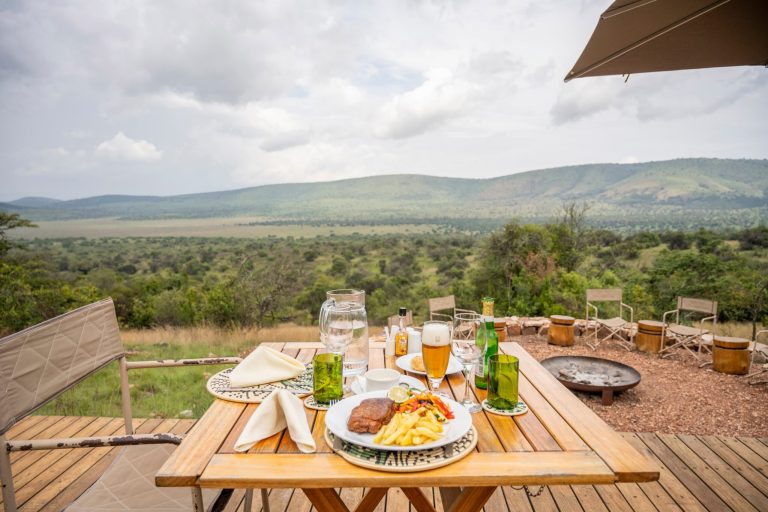
Consider lodges and guesthouses that demonstrate practical sustainability measures, such as employing local residents, buying food from nearby suppliers, reducing single-use plastics, managing wastewater and using energy efficiently.
Some properties support community projects or conservation initiatives. Ask what they do in practice instead of relying solely on terms such as “eco-lodge” or “green tourism.”
Staying near the places you visit can also support local employment and reduce unnecessary travel between attractions.
7. Take Part in Responsible Birdwatching and Nature Walks
Uganda is a leading birdwatching destination, with habitats ranging from tropical rainforest and wetlands to savannah, lakeshores and high-altitude forests.
Responsible birding involves staying on permitted paths, avoiding disturbance to nesting birds, keeping a respectful distance from wildlife and following the advice of experienced local guides.
Community-guided wetland walks, forest trails and nature experiences can provide additional benefits beyond traditional game drives.
Travellers can also support local conservation by choosing guides who understand bird habitats and follow responsible wildlife-viewing practices.
Responsible Gorilla Trekking in Uganda
Gorilla trekking is one of Uganda’s most sought-after wildlife experiences. Bwindi Impenetrable National Park and Mgahinga Gorilla National Park protect mountain gorillas and provide authorised trekking experiences under Uganda Wildlife Authority regulations.
Because mountain gorillas are vulnerable to human diseases and disturbance, visitors must follow strict rules.
Responsible gorilla trekking includes:
- Booking through authorised channels and obtaining the required permit.
- Following the instructions of rangers and guides at all times.
- Maintaining the minimum viewing distance specified by current park regulations.
- Never touching, feeding or deliberately approaching a gorilla.
- Avoiding trekking when ill and following official health screening requirements.
- Keeping noise low and avoiding sudden movements.
- Never leaving rubbish or food behind.
- Respecting the permitted duration of the gorilla encounter.
The viewing distance and time limit are set by wildlife authorities and can change. Confirm the current rules with Uganda Wildlife Authority or your authorised tour operator before travelling rather than relying on older figures published online.
Responsible gorilla trekking helps reduce disturbance and supports the wider conservation system that protects mountain gorillas and their habitat.
Practical Tips for Responsible Travel in Uganda
Dress Respectfully
Uganda has diverse cultural practices, and expectations around clothing differ between settings. In many rural communities and cultural venues, modest clothing that covers the shoulders and knees is a considerate choice.
Comfortable, practical clothing is also important for forest walks, game drives and mountain trekking. Follow any specific dress requirements at religious sites or cultural events.
Ask Before Taking Photographs
Always ask permission before photographing people, especially children, workers, cultural performers or people in rural communities.
Some people may be happy to be photographed, while others may prefer not to be. Respect their decision and avoid offering money in a way that creates pressure or turns an interaction into an unwanted transaction.
Your local guide can explain cultural sensitivities and help you approach photography respectfully.
Avoid Encouraging Begging
Travellers may encounter people, including children, asking for money or gifts. Giving cash directly is not always the most effective way to support long-term community development.
If you want to contribute, consider supporting a credible community organisation, school, health initiative or locally managed project after checking its work and needs.
Donations should be made in ways that protect children’s dignity and avoid encouraging them to miss school or approach visitors for money.
Respect Local Customs
Greetings and polite conversation are important parts of social interaction in Uganda. A friendly greeting and a willingness to listen can help create positive exchanges.
Public behaviour expectations vary by location. Be considerate of local customs, religious settings and community preferences, and follow your guide’s advice when visiting unfamiliar areas.
Buy Local Products
Purchasing handmade crafts, locally produced food and other legitimate local goods helps circulate tourism spending within communities.
Whenever possible, buy directly from artisans or reputable community shops. Avoid products made from illegal wildlife materials or items that may contribute to environmental damage.
Reduce Waste and Plastic Use
Carry reusable water bottles where safe refill facilities are available, use refill services offered by your lodge or operator, and take rubbish back with you when disposal facilities are limited.
Never throw plastic, food packaging or other waste into rivers, wetlands, forests or national parks.
Conserve Water and Energy
Water and electricity can be limited in remote tourism areas. Take sensible showers, switch off lights and air conditioning when not needed, and follow the accommodation provider’s guidance on water use.
These small actions are particularly valuable in areas where communities and lodges depend on limited local resources.
Follow Your Guide’s Instructions
In national parks and other protected areas, remain with your guide or ranger, use designated routes and observe all wildlife-viewing rules.
Never approach dangerous animals, leave a vehicle in an unauthorised location or attempt to feed wildlife. Responsible behaviour protects both visitors and animals.
How to Choose a Responsible Tour Operator in Uganda
Your choice of tour operator can influence how much your trip benefits local communities and conservation.
Before booking a safari, consider asking:
- Does the company employ qualified local guides and staff?
- Does it work with locally owned accommodation and suppliers where appropriate?
- How does it minimise waste and environmental impact?
- Does it follow national park regulations and wildlife-viewing rules?
- Can it explain how community visits are organised and how local participants benefit?
- Are its prices, inclusions and payment terms clearly explained?
- Does it provide realistic information about wildlife sightings, travel times and conservation requirements?
Raptors Africa Safaris offers Uganda safari planning through its website, bookgorillatracking.com. Travellers should assess any operator’s actual practices, local partnerships and current authorisations before booking.
Responsible tourism is not defined by marketing language alone. Transparent business practices, respectful community partnerships and compliance with conservation rules are more meaningful indicators.
How Responsible Tourism Benefits Uganda
When managed well, tourism can create positive outcomes for both conservation and community development.
These benefits may include:
- Employment for local guides, drivers, lodge workers and artisans.
- Markets for agricultural products and handmade crafts.
- Income for community-based tourism organisations.
- Greater awareness of wildlife conservation.
- Support for cultural education and heritage preservation.
- Economic incentives to protect wetlands, forests and other habitats.
- Opportunities for local people to participate in tourism decisions.
Benefits are not automatic. They depend on how tourism businesses operate, how communities are involved and whether the income generated reaches local people fairly.
Travellers can help by asking thoughtful questions, choosing transparent providers and spending money with responsible local businesses.
Frequently Asked Questions About Responsible Travel in Uganda
What is responsible travel in Uganda?
Responsible travel in Uganda means exploring the country while minimising harm to the environment, respecting cultural traditions, supporting local businesses and contributing to conservation and community wellbeing.
How can tourists support local communities in Uganda?
Visitors can book community-led tours, stay at locally owned accommodation, hire qualified local guides, buy directly from artisans and purchase food and services from local suppliers.
What is community-based tourism in Uganda?
Community-based tourism involves local people in organising or managing tourism experiences and sharing in the benefits. Examples include guided walks at Bigodi Wetland Sanctuary, community cultural experiences and local craft initiatives.
Is gorilla trekking in Uganda responsible tourism?
Gorilla trekking can contribute to conservation when it is conducted under official regulations. Visitors must follow permit requirements, health rules, viewing distances and instructions from rangers.
How can I choose an eco-friendly lodge in Uganda?
Look for evidence of practical measures such as local employment, responsible waste management, reduced plastic use, water and energy conservation, and transparent community partnerships.
Why is sustainable tourism important for Uganda?
Sustainable tourism helps protect Uganda’s biodiversity and cultural heritage while creating livelihoods and economic opportunities for people living near tourism destinations.
Plan a Responsible Uganda Safari
Uganda offers many opportunities to combine wildlife viewing, birdwatching, cultural learning and community experiences. From gorilla trekking in Bwindi to guided walks in Bigodi Wetland Sanctuary and cultural visits organised with local communities, responsible travel can make a safari more rewarding for both visitors and hosts.
The most meaningful trips are those that respect local people, follow conservation rules and direct tourism spending towards businesses and initiatives that create genuine benefits.
Raptors Africa Safaris can help travellers explore Uganda through tailored safari arrangements. By making informed choices before and during your journey, you can enjoy Uganda’s remarkable natural and cultural heritage while helping support its long-term conservation and sustainable tourism development.