+256-702 595 926 | info@bookgorillatracking.com

How Many Gorilla Families Are in Ruhija Sector?

How Many Gorilla Families Are in Ruhija Sector, Bwindi? A Complete Guide
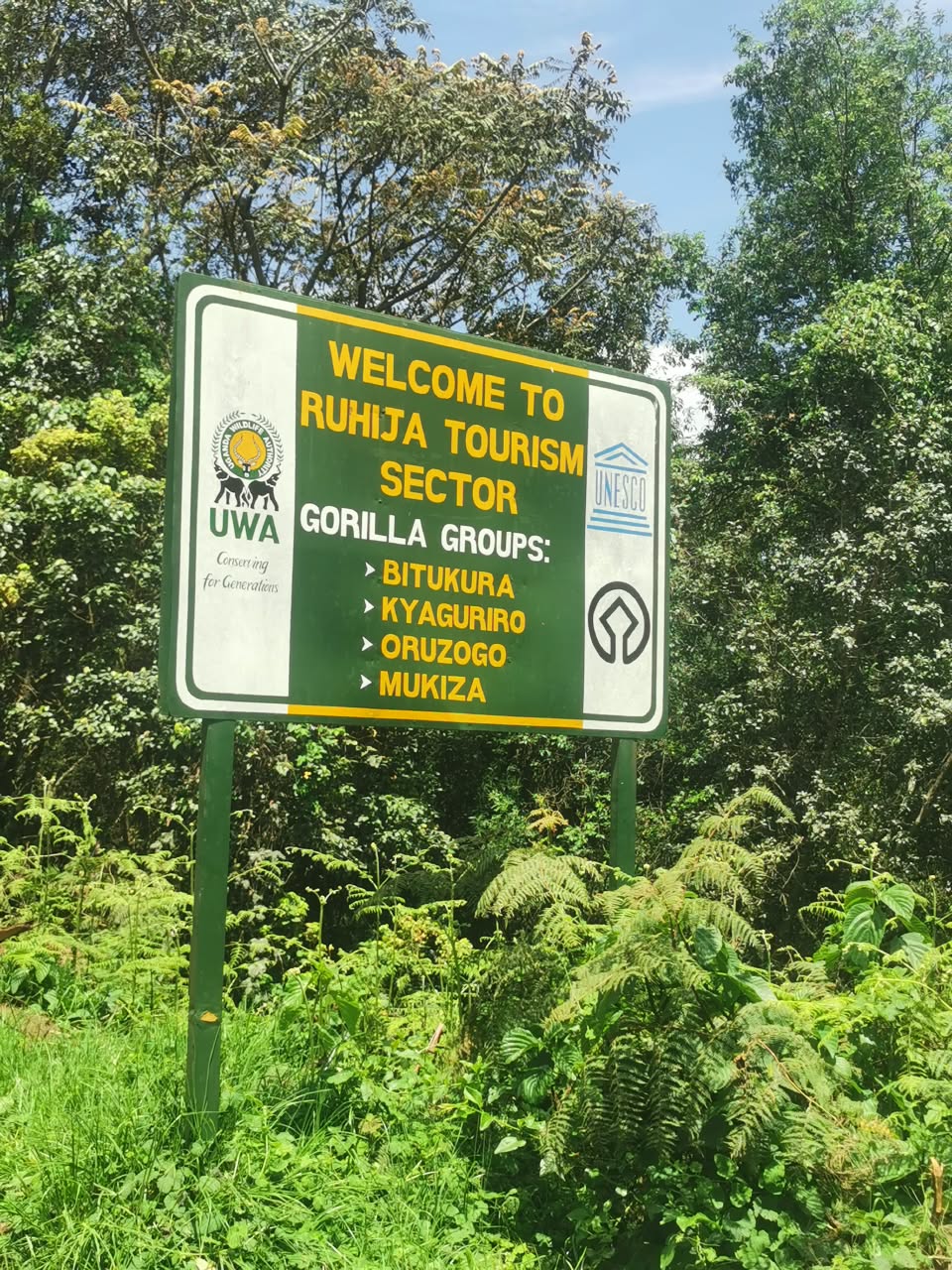
Ruhija Sector has four principal habituated mountain gorilla families associated with gorilla tourism in Bwindi Impenetrable National Park: Bitukura, Oruzogo, Kyaguliro and Mukiza. These groups are found in the eastern part of Bwindi, in southwestern Uganda.
There is sometimes confusion about the number because some sources count only the families regularly available for standard tourist trekking, while others include groups used for research or groups that are not routinely open to visitors. A few tourism sources also mention additional groups, such as Happy, in wider counts of habituated gorillas.
For travellers planning a Uganda gorilla safari, Ruhija offers a different experience from the busier southern sectors. It combines mountain gorilla encounters with high-altitude forest scenery, excellent birdwatching and opportunities for nature walks.
This comprehensive guide for Book Gorilla Tracking explores the Ruhija gorilla families, their histories, trekking experience, accessibility, accommodation and what visitors should know before booking.
Where Is Ruhija Gorilla Trekking Sector?
Ruhija is one of the four main gorilla trekking sectors of Bwindi Impenetrable National Park. It is located in the eastern part of the park, in the highlands of southwestern Uganda.
The sector lies within a mountainous landscape of dense tropical forest, ridges, valleys and rolling hills. Its high elevation gives it a cooler climate than some other parts of Bwindi.
Ruhija is particularly famous among birdwatchers because Bwindi supports a remarkable variety of forest birds, including several Albertine Rift endemic species.
The four main Bwindi gorilla trekking sectors are:
-
Buhoma – northern Bwindi.
-
Ruhija – eastern Bwindi.
-
Rushaga – southern Bwindi.
-
Nkuringo – southwestern Bwindi.
Each sector has its own trekking headquarters, accommodation options and habituated gorilla groups.
How Many Gorilla Families Are in Ruhija Sector?
Ruhija is commonly recognised as having four principal habituated gorilla families:
-
Oruzogo Gorilla Family
-
Kyaguliro Gorilla Group
-
Mukiza Gorilla Family
The four groups have different histories, social structures and conservation backgrounds.
Kyaguliro has a particularly important research history, while Mukiza was formed after a split from the original Kyaguliro group. Bitukura and Oruzogo are among the established families associated with standard gorilla tourism in Ruhija.
igcp.org+2
It is important to understand that the four-family figure is a commonly used tourism overview, not a permanent count of every gorilla group living in the Ruhija area. Group composition and tourism arrangements can change.
The Four Main Gorilla Families in Ruhija
1. Bitukura Gorilla Family
The Bitukura Gorilla Family is one of the most recognised mountain gorilla groups in Ruhija. It was named after the Bitukura River, where the gorillas were initially encountered.
The habituation process began in 2006, and the family was opened for tourism in 2008. Unlike some gorilla groups that take several years to become accustomed to human presence, Bitukura reportedly took approximately 15 months to complete its habituation process.
The family is particularly interesting because of its history of relatively peaceful relationships among several adult males. This is unusual because competition between mature silverbacks can sometimes lead to conflicts and group divisions.
According to the International Gorilla Conservation Programme (IGCP), Bitukura had 13 members in its published family profile, last updated on 31 January 2024. The group was led by silverback Mugisha, who replaced Ndahura after his death in December 2016. These figures are a dated population snapshot, not a guaranteed current count.
What Makes Bitukura Interesting?
-
It was habituated for tourism in 2008.
-
Its habituation began in 2006.
-
It is known for multi-male tolerance.
-
Its history illustrates the changing social relationships within mountain gorilla families.
-
It offers visitors an opportunity to observe adult gorillas, juveniles and infants in their natural habitat.
A trek to Bitukura is an opportunity to learn about the social structure of mountain gorillas and the importance of the dominant silverback in maintaining group relationships.
2. Oruzogo Gorilla Family
The Oruzogo Gorilla Family is another well-known group in Ruhija. It was opened for gorilla tourism in 2011.
The family is particularly popular because of the presence of playful juveniles and young gorillas. Visitors may observe younger individuals climbing, playing, interacting and exploring their forest environment while adult gorillas feed or rest nearby.
Oruzogo provides an opportunity to experience the fascinating behaviour of mountain gorillas in the natural environment of Bwindi.
The family is also part of the wider conservation and tourism programme that supports mountain gorilla protection through regulated visitor encounters.
What Can Visitors Expect?
During a successful trek, visitors may observe:
-
The dominant silverback monitoring the group.
-
Adult females feeding and resting.
-
Young gorillas playing and climbing.
-
Infants staying close to their mothers.
-
Social interactions among different members.
The actual experience depends on the location and behaviour of the gorillas on the day of the trek.
3. Kyaguliro Gorilla Group
The Kyaguliro Gorilla Group has an important conservation and research history in Ruhija.
Unlike groups originally habituated primarily for tourism, Kyaguliro was historically associated with scientific research. Researchers have used the group to study mountain gorilla behaviour, social relationships, reproduction and population dynamics.
The group later experienced internal changes that contributed to the formation of the Mukiza family.
Kyaguliro is particularly important because research involving habituated mountain gorillas helps conservationists understand how the animals live and respond to changes in their environment.
Some tourism information lists Kyaguliro among the groups that may be visited, while other sources emphasise its research role. Its current availability for tourist tracking should therefore be confirmed before a visitor books a permit.
Why Is Kyaguliro Important?
The group contributes to the scientific understanding of mountain gorillas.
Research can help conservationists monitor:
-
Gorilla population dynamics.
-
Social behaviour and family relationships.
-
Reproduction and infant survival.
-
Health and disease.
-
The impact of environmental changes.
-
Conservation management strategies.
The history of Kyaguliro also demonstrates that gorilla families are dynamic social groups that can change through natural separations and new group formations.
4. Mukiza Gorilla Family
The Mukiza Gorilla Family was formed in May 2016 following a division within the original Kyaguliro group.
The separation occurred after changes in the group’s leadership and social relationships. Silverback Mukiza eventually established his own family with several other gorillas.
The group was initially associated with the name Kyaguliro B before becoming known as the Mukiza Gorilla Family.
Its formation increased the number of recognised habituated groups in Ruhija and expanded the sector’s gorilla tourism opportunities.
Mukiza’s history provides a useful example of how mountain gorilla families develop. When a dominant male loses control or a subordinate silverback establishes independence, some females and younger gorillas may leave with him and form a separate family.
What Makes Mukiza Special?
-
It emerged from the original Kyaguliro group.
-
It was established in 2016.
-
It is named after its founding silverback.
-
It illustrates the natural process of gorilla family formation.
-
It provides another opportunity for visitors to observe mountain gorillas in Ruhija.
Visitors interested in tracking Mukiza should confirm its current availability and family allocation with their tour operator.
Are There More Than Four Gorilla Families in Ruhija?
Some online tourism publications mention five or six habituated gorilla groups in Ruhija. These counts may include groups that are not regularly available for standard tourist trekking, research groups or groups whose status has changed.
For example, one tourism source mentions a group called Happy, which it describes as not yet open to tourists. Other guides identify four principal groups: Bitukura, Oruzogo, Kyaguliro and Mukiza.
For visitors planning a safari, the important distinction is between:
-
Gorilla groups in the wider Ruhija area: This can include research or other non-tourism groups.
-
Habituated tourism families: Groups that have undergone habituation and are managed for visitor encounters.
-
Families currently available for permits: The groups that UWA can allocate to visitors on a particular date.
The Uganda Wildlife Authority manages the official trekking arrangements. Its 2024 gorilla tracking guidelines explain that visitors book according to the designated entry point and are allocated to a specific gorilla family on the day of tracking.
What Is Gorilla Trekking Like in Ruhija?
Gorilla trekking in Ruhija is an unforgettable wildlife experience that takes visitors into the natural habitat of endangered mountain gorillas.
The adventure normally starts early in the morning at the Ruhija visitor information centre. Visitors register, meet their ranger guides and receive a briefing about gorilla trekking rules and safety.
The experience involves several stages.
1. Morning Briefing at Ruhija
Visitors gather at the trekking headquarters for registration and a briefing by Uganda Wildlife Authority ranger guides.
During the briefing, visitors learn about the behaviour of mountain gorillas, conservation guidelines and the precautions to observe during the encounter.
They are then assigned to available gorilla families.
2. Entering Bwindi Forest
After the briefing, visitors follow their guides into the forest.
Ruhija’s landscape includes forested ridges, valleys, steep slopes and thick vegetation. The trekking route depends on the location of the assigned gorilla family.
3. Searching for the Gorilla Family
Trackers monitor the movements of the gorillas and help guides locate the assigned group.
Some treks take a relatively short time, while others require several hours of hiking. The duration depends on where the gorillas have moved since the previous day.
4. Spending Time with the Gorillas
Once the family is located, visitors undertaking standard trekking are allowed up to one hour to observe the gorillas.
During this time, visitors may see the silverback resting, adult females feeding, juveniles playing and infants interacting with their mothers.
It is an opportunity to observe the animals in their natural environment while following the instructions of the ranger guides.
5. Returning to the Starting Point
After the allocated viewing period, visitors follow their guides back to the trekking headquarters.
The return journey can be demanding, especially when the trail involves climbing steep forested slopes.
How Difficult Is Gorilla Trekking in Ruhija?
Ruhija is located in the highlands of Bwindi and has a varied landscape of forest ridges and valleys. Gorilla trekking can be physically demanding, depending on the location of the assigned gorilla group.
Visitors should prepare for:
-
Walking on uneven forest trails.
-
Climbing and descending hills.
-
Muddy and slippery sections, particularly after rainfall.
-
Thick vegetation.
-
Several hours of walking.
-
Cool temperatures, especially in the morning.
Although some visitors find Ruhija’s terrain manageable, no particular family or sector can guarantee an easy trek. The gorillas move freely, and the distance covered changes from one day to another.
Is Ruhija Suitable for Elderly Travellers?
Yes. Elderly travellers can participate in gorilla trekking if they are physically able to manage the walk.
Visitors with mobility limitations should communicate their requirements before booking. A porter can assist with carrying luggage and providing support along the trail.
Where appropriate, visitors can enquire about a sedan chair or other mobility assistance, subject to availability and advance arrangements.
Best Time to Visit Ruhija for Gorilla Trekking
Ruhija can be visited throughout the year because mountain gorillas remain in Bwindi’s forest in all seasons.
However, weather conditions can influence the trekking experience.
Dry Seasons: June to September and December to February
These months are generally preferred by many visitors because trails are often less muddy and hiking conditions can be more manageable.
They are also popular travel periods, so travellers should arrange gorilla permits and accommodation in advance.
Rainy Seasons: March to May and October to November
During these months, rainfall can make forest trails slippery and increase the difficulty of trekking.
However, the forest becomes particularly lush and green, creating beautiful scenery for photography and nature experiences.
Gorilla sightings are possible throughout the year. The location of the gorillas depends on their natural movements and food availability rather than simply the season.
How to Get to Ruhija Gorilla Trekking Sector
Ruhija can be reached by road from Kampala, Entebbe, Kabale, Buhoma or other destinations in southwestern Uganda.
1. Travelling from Kampala or Entebbe
Visitors travelling from Kampala or Entebbe generally drive southwest through Masaka, Mbarara and Kabale before continuing to Ruhija.
The journey can take approximately 8–10 hours or longer, depending on traffic, road conditions, stopovers and the final accommodation location.
A private 4×4 safari vehicle is recommended because some roads around Bwindi are rough, winding and challenging, particularly during rainy weather.
2. Travelling from Kabale
Kabale is one of the convenient starting points for reaching Ruhija.
The drive takes visitors through the beautiful highlands of southwestern Uganda, with views of rolling hills, cultivated landscapes and forested mountains.
Ruhija can also be combined with a visit to Lake Bunyonyi, making it possible to enjoy a relaxing lakeside experience before or after gorilla trekking.
3. Travelling from Buhoma
Ruhija can be reached from Buhoma by road through the northern and eastern sections of Bwindi.
The journey takes visitors through scenic mountain landscapes. Travellers planning to trek in Ruhija should ideally stay in or near the sector the night before their trek rather than relying on a long early-morning transfer.
4. Flying to the Region
Travellers can consider domestic flights to nearby airstrips, depending on airline schedules and availability.
Kihihi Airstrip is commonly used for access to northern Bwindi, while other flight arrangements may be available for visitors connecting through southwestern Uganda.
A road transfer is still required to reach Ruhija.
Where to Stay in Ruhija
Ruhija has accommodation options ranging from budget camps to comfortable mid-range lodges.
Staying near the sector is particularly important because gorilla trekking begins early in the morning.
Some accommodation options to consider include:
1. Bakiga Lodge
Bakiga Lodge is a recognised accommodation option in the Ruhija area. It offers a comfortable base for visitors planning gorilla trekking and exploring the surrounding highlands.
2. Gorilla Mist Camp
Gorilla Mist Camp is another accommodation option associated with Ruhija. Travellers can consider it when comparing location, room facilities and meal arrangements.
3. Broadbill Forest Camp
Broadbill Forest Camp is an option for visitors interested in staying close to the forest environment. Its location can appeal to travellers combining gorilla trekking with birdwatching.
4. Ruhija Gorilla Safari Lodge
Ruhija Gorilla Safari Lodge is another property to consider when arranging accommodation near the trekking sector.
5. Gift of Nature Lodge
Gift of Nature Lodge is an accommodation option in the Ruhija area, particularly for visitors looking for a place to stay while exploring eastern Bwindi.
Before booking, confirm the property’s current operating status, room availability, meal plan and transfer arrangements to the UWA briefing point.
Other Activities to Enjoy in Ruhija
Ruhija is not only a gorilla trekking destination. Its high-altitude forest environment makes it an excellent location for birdwatching, nature walks and other outdoor experiences.
1. Birdwatching in Bwindi
Ruhija is one of the most rewarding birdwatching areas in Bwindi Impenetrable National Park.
The forest supports numerous bird species, including Albertine Rift endemics. Birdwatchers visiting Ruhija may search for:
-
African Green Broadbill.
-
Grauer’s Rush Warbler.
-
Handsome Francolin.
-
Ruwenzori Turaco.
-
Regal Sunbird.
-
Stripe-breasted Tit.
-
Yellow-eyed Black Flycatcher.
The Mubwindi Swamp trail is particularly important for birdwatching. Visitors should arrange an experienced local birding guide to improve their chances of identifying forest species.
2. Mubwindi Swamp Nature Walk
The Mubwindi Swamp trail is one of Ruhija’s well-known nature walking routes.
It takes visitors through beautiful forest scenery towards the swamp, offering opportunities to observe birds, plants and other forest wildlife.
The walk can be demanding because of the elevation changes, so visitors should be prepared with suitable hiking shoes, drinking water and appropriate clothing.
3. Bamboo Trail
Ruhija also offers forest walking opportunities through bamboo vegetation and other habitats.
The bamboo areas provide a different perspective of Bwindi’s ecology and may offer opportunities to encounter forest birds and primates.
4. Batwa Cultural Experiences
The Batwa are an Indigenous community historically associated with the forests of southwestern Uganda.
A guided cultural experience introduces visitors to aspects of Batwa heritage, traditional knowledge, music, storytelling and community life.
Choose a responsible, community-led experience that respects local people and supports their livelihoods.
5. Visit Lake Bunyonyi
Lake Bunyonyi is one of the most scenic destinations in southwestern Uganda.
Surrounded by terraced hills and dotted with islands, the lake provides a relaxing environment for visitors after gorilla trekking.
Activities include canoeing, boat excursions, photography, birdwatching and community visits.
What to Pack for Gorilla Trekking in Ruhija
The high-altitude forest environment can be cool, wet and muddy. Visitors should carry appropriate clothing and trekking equipment.
Recommended items include:
-
Waterproof hiking boots with good grip.
-
Long-sleeved shirts and long trousers.
-
Gardening or hiking gloves.
-
Waterproof jacket or rain poncho.
-
Small backpack.
-
Insect repellent.
-
Sunscreen.
-
Camera with flash disabled.
-
Reusable water bottle.
-
Walking stick.
-
Spare socks.
-
Hat and personal medication.
Hiring a porter is recommended, especially for visitors who need help carrying their bags or navigating difficult sections of the trail.
Gorilla Trekking Rules in Ruhija
Mountain gorillas are endangered animals, and strict visitor regulations help protect their health and natural behaviour.
Visitors must follow the instructions provided by their ranger guides.
Important rules include:
-
Maintain the required viewing distance from the gorillas.
-
Do not trek if you are sick, particularly with a contagious respiratory illness.
-
Avoid eating or drinking near the gorillas.
-
Do not use flash photography.
-
Speak quietly and avoid sudden movements.
-
Never touch the gorillas.
-
Follow the instructions of the ranger guides.
-
Do not leave rubbish in the forest.
-
Respect the allocated viewing time.
-
Follow the applicable age and visitor regulations.
Responsible gorilla tourism helps protect mountain gorillas while supporting conservation and the communities surrounding Bwindi.
How to Book a Ruhija Gorilla Trekking Permit
Gorilla trekking permits are issued through the Uganda Wildlife Authority and authorised tour operators.
Travellers should arrange their permits in advance, particularly when visiting during popular travel periods.
The booking process generally involves:
-
Choosing your preferred trekking date.
-
Selecting Ruhija as your preferred sector.
-
Checking permit availability.
-
Providing passport details and other required information.
-
Confirming the applicable permit price.
-
Completing the payment and receiving booking confirmation.
-
Arranging accommodation and transportation.
Can You Choose a Specific Gorilla Family in Ruhija?
Visitors can express a preference for Bitukura, Oruzogo, Kyaguliro or Mukiza when discussing their safari arrangements with a tour operator.
However, the final allocation is managed by UWA. Visitors book according to the designated sector and date, and rangers allocate them to a specific family on the day of trekking.
The allocation may take into account practical considerations such as visitor fitness, age and group arrangements, but a particular family cannot be guaranteed.
Why Book Your Ruhija Gorilla Trekking Safari with Book Gorilla Tracking?
Planning a gorilla trekking safari involves several arrangements, including obtaining permits, selecting accommodation, organising transportation and understanding the trekking requirements.
Book Gorilla Tracking helps visitors plan gorilla trekking experiences in Uganda and Rwanda.
Whether you want to track Bitukura, Oruzogo, Mukiza or another available gorilla group in Ruhija, our team can assist with arranging the safari.
Our services include:
-
Uganda gorilla trekking permits.
-
Accommodation in Ruhija and other Bwindi sectors.
-
Private 4×4 safari transportation.
-
Airport transfers from Entebbe.
-
Transfers from Kigali.
-
Uganda and Rwanda combined gorilla trekking safaris.
-
Birdwatching and cultural experiences.
-
Multi-day Uganda wildlife safari itineraries.
Contact Book Gorilla Tracking to start planning your gorilla trekking experience in Ruhija.
Frequently Asked Questions About Gorilla Families in Ruhija
1. How many gorilla families are in Ruhija Sector?
Ruhija is commonly described as having four principal habituated gorilla families: Bitukura, Oruzogo, Kyaguliro and Mukiza.
2. Which is the oldest gorilla family in Ruhija?
Bitukura is one of the earliest groups habituated for tourism in Ruhija. Its habituation began in 2006, and it was opened for tourism in 2008.
3. Which gorilla family was formed in 2016?
Mukiza was formed in May 2016 after separating from the original Kyaguliro group.
4. Is Kyaguliro available for gorilla trekking?
Kyaguliro has a research history, and tourism information differs regarding its availability to visitors. Travellers should confirm its current allocation with UWA before booking.
5. Which gorilla family is best to trek in Ruhija?
All habituated gorilla families offer opportunities for remarkable wildlife encounters. There is no universally best family because the experience depends on the gorillas’ natural behaviour, location and composition on the day.
6. How many visitors can track one gorilla family per day?
Standard gorilla trekking generally allows up to eight visitors per habituated family per day, subject to current UWA regulations.
7. How long do visitors spend with gorillas in Ruhija?
Visitors undertaking standard gorilla trekking are allowed up to one hour with the gorillas after locating the family.
8. Is Ruhija good for birdwatching?
Yes. Ruhija is one of Bwindi’s important birdwatching areas, particularly for visitors interested in Albertine Rift endemic species and forest birds.
9. Is Ruhija easier to trek than Rushaga?
The difficulty of trekking depends on the gorilla family’s location and the daily route. Ruhija has high-altitude forest terrain, while Rushaga has steep hills and valleys. Neither sector guarantees an easier trek.
10. Can I combine Ruhija gorilla trekking with Lake Bunyonyi?
Yes. Lake Bunyonyi is an excellent addition to a Ruhija gorilla trekking safari. Visitors can enjoy canoeing, boat excursions, scenic views and cultural experiences before or after trekking.
11. Can I travel from Kigali to Ruhija for gorilla trekking?
Yes. Visitors arriving in Kigali can travel to Ruhija by road through an appropriate Uganda–Rwanda border crossing. Travel time depends on the route, border formalities and road conditions.
12. Can I combine Ruhija with Queen Elizabeth National Park?
Yes. Ruhija can be combined with Queen Elizabeth National Park, particularly for travellers interested in gorilla trekking, game drives, boat cruises and wildlife viewing.
Conclusion: Discover the Gorilla Families of Ruhija
Ruhija is an important gorilla trekking destination in Bwindi Impenetrable National Park. Its four principal habituated families – Bitukura, Oruzogo, Kyaguliro and Mukiza – each have a unique history and contribute to the conservation and tourism value of the region.
Beyond gorilla trekking, Ruhija offers excellent birdwatching, nature walks, forest scenery and access to other attractions in southwestern Uganda.
Whether you are planning a dedicated gorilla trekking holiday or a longer Uganda safari, Ruhija offers an opportunity to encounter endangered mountain gorillas in one of Africa’s most remarkable forest environments.
Plan your journey with Book Gorilla Tracking and experience the extraordinary biodiversity of Bwindi.