Call: +256 702 595 926 | Email: info@bookgorillatracking.com

Iby’Iwacu Cultural Village Rwanda – Things to Do and Visitor Guide

Iby’Iwacu Cultural Village in Rwanda: Things to Do, Cultural Experiences and How to Visit
Introduction to Iby’Iwacu Cultural Village
Iby’Iwacu Cultural Village, also known as Gorilla Guardians Village, is one of the most interesting cultural attractions to visit near Volcanoes National Park in northwestern Rwanda. Located in the Kinigi area of Musanze District, the community tourism project offers travellers an opportunity to learn about Rwandan heritage, interact with local residents and discover how community participation contributes to mountain gorilla conservation.
While Volcanoes National Park is internationally recognised for mountain gorilla trekking and golden monkey tracking, a visit to Iby’Iwacu provides a different perspective on the region. Instead of focusing exclusively on wildlife, visitors learn about the people living around the park, their cultural traditions, livelihoods, history and relationship with the surrounding natural environment.
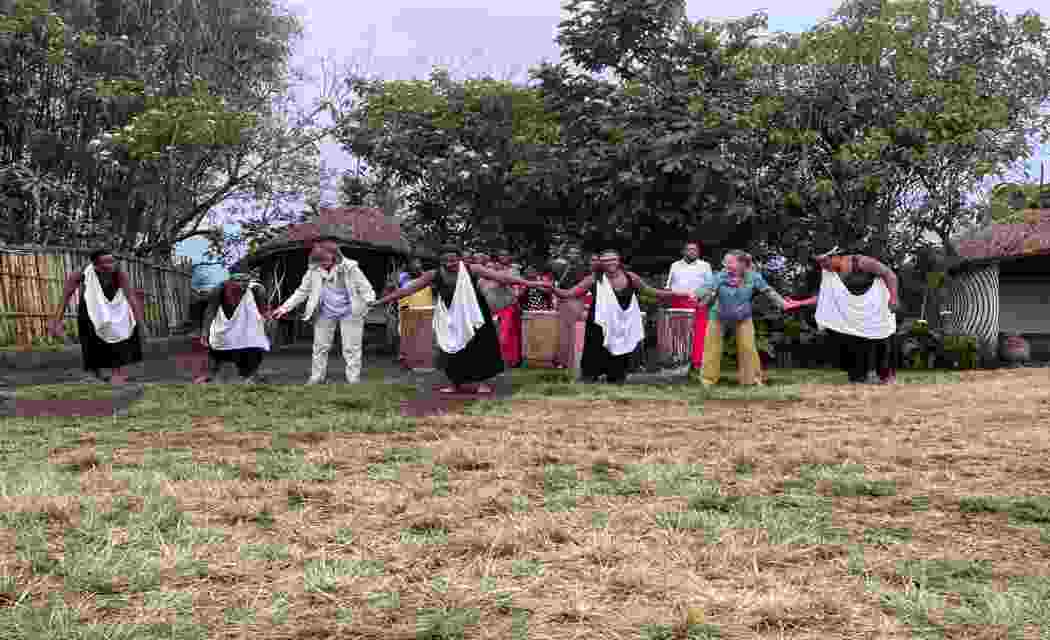
During a guided visit, you may enjoy traditional Rwandan music and dance, explore a replica of a traditional royal residence, learn about local food preparation, watch craft demonstrations and participate in selected community activities. Depending on the programme, you may also meet traditional healers, learn about banana beer production and hear stories from community members whose livelihoods have become connected to tourism and conservation.
The village is particularly recognised for its role in providing alternative livelihood opportunities to people who previously depended on natural resources within Volcanoes National Park. Through cultural tourism, craft production, community enterprises and conservation awareness, local residents can benefit from visitors who come to explore the region.
Whether you are planning a Rwanda gorilla trekking holiday, a cultural tour or a wider East African safari, Iby’Iwacu Cultural Village offers a meaningful experience beyond the forest.
Where Is Iby’Iwacu Cultural Village Located?
Iby’Iwacu Cultural Village is located in Nyabigoma, Kinigi, in Musanze District, Northern Province of Rwanda. It lies close to Volcanoes National Park, the protected area famous for mountain gorillas and the Virunga volcanic landscape.
The village is conveniently positioned for visitors staying in Musanze or Kinigi for gorilla trekking, golden monkey tracking and volcano hiking. Its location makes it possible to include a cultural visit in a Rwanda safari without travelling to another region of the country.
The main access point for gorilla trekking in Volcanoes National Park is also in Kinigi, making the village a practical addition to itineraries that include a morning wildlife activity and an afternoon cultural experience.
Location at a glance:
- Country: Rwanda.
- Province: Northern Province.
- District: Musanze.
- Area: Kinigi, Nyabigoma.
- Nearby attraction: Volcanoes National Park.
- Main experience: Rwandan cultural heritage and community tourism.
- Alternative name: Gorilla Guardians Village.
- Access: Road transfer from Kigali, Musanze or nearby lodges.
What Does Iby’Iwacu Mean?
The name Iby’Iwacu is commonly translated as “our heritage,” “our home” or “treasure of our home.” It reflects the village’s purpose of sharing Rwandan cultural heritage while creating opportunities for local people to participate in tourism.
The name is closely associated with the community’s traditions, history, identity and everyday way of life. Through guided activities and interaction with local hosts, visitors can learn about aspects of Rwandan society that may not be covered during a conventional wildlife safari.
The cultural village is also known as Gorilla Guardians Village, a name that reflects its connection with conservation and the role of surrounding communities in protecting the mountain gorillas and their habitat.
History of Iby’Iwacu Cultural Village
The establishment of Iby’Iwacu Cultural Village is closely linked to efforts to improve relationships between communities living around Volcanoes National Park and wildlife conservation authorities.
For many years, some households around the park depended on forest resources for their livelihoods. These activities included hunting, gathering firewood, collecting wild honey and obtaining other resources from the protected area. Some people also participated in illegal hunting and poaching.
Such activities created conservation challenges because they could disturb wildlife, damage habitats and increase pressure on the protected forest.
The Iby’Iwacu initiative was developed under the leadership of Edwin Sabuhoro, a Rwandan conservationist and former park warden. The project sought to provide alternative livelihood opportunities for local residents, including former poachers, by connecting community enterprise and cultural tourism with conservation.
Instead of depending on illegal activities within the forest, participating residents could earn income through guiding, cultural performances, crafts and other tourism-related activities.
Over time, the project became an important community tourism attraction near Volcanoes National Park. Its development illustrates how local economic opportunities can contribute to conservation when surrounding communities have a meaningful role in tourism.
The village also supports the preservation and sharing of cultural knowledge by creating opportunities for elders, performers, artisans and other residents to pass on their skills and traditions.
Why Is Iby’Iwacu Cultural Village Important for Gorilla Conservation?
Mountain gorilla conservation involves more than protecting animals inside a national park. It also requires cooperation with people living around the protected area.
Communities surrounding Volcanoes National Park are important partners in conservation because their livelihoods, wellbeing and relationship with the forest can influence the long-term protection of wildlife.
Iby’Iwacu Cultural Village contributes to this relationship by connecting tourism income with community participation.
1. Creating Alternative Livelihood Opportunities
The village provides opportunities for local people to earn income through cultural tourism, performances, guiding, craft production and other activities.
For some former poachers, tourism has offered an alternative to illegal hunting and dependence on forest resources.
2. Encouraging Community Participation in Conservation
When local people benefit from tourism, they have additional economic reasons to support the protection of wildlife and natural habitats.
The village helps visitors understand that mountain gorilla conservation is connected to the wellbeing of communities living near Volcanoes National Park.
3. Supporting Cultural Heritage
Cultural tourism creates opportunities for local performers, artisans and elders to share traditional knowledge with visitors and younger generations.
Music, dance, storytelling, craft production and food preparation are among the activities that help communicate aspects of Rwanda’s cultural heritage.
4. Promoting Community Enterprises
The sale of locally made crafts and other products provides opportunities for small businesses and individual artisans.
Visitors can contribute directly by purchasing products from the people who make them rather than buying souvenirs without knowing where they originate.
5. Building Awareness About Responsible Tourism
A visit introduces travellers to the relationship between tourism, community livelihoods and wildlife conservation.
It also encourages visitors to think beyond gorilla sightings and recognise the people and communities who share the landscape with protected wildlife.
Things to Do at Iby’Iwacu Cultural Village
A visit to Iby’Iwacu Cultural Village can involve several activities, depending on the programme arranged by the community hosts. Some experiences are demonstrations, while others allow visitors to participate under the guidance of local residents.
1. Watch Traditional Intore Dance and Music Performances
<PRIVATE_PERSON>One of the most memorable experiences at Iby’Iwacu Cultural Village is watching traditional Rwandan music and dance performances.
The Intore dance is particularly well known. Historically associated with royal courts and warrior traditions, the performance features energetic movements, rhythmic footwork and coordinated group dancing.
Male performers traditionally wear distinctive grass-like costumes and carry spears, while the music is supported by drums and other traditional instruments. Women also perform traditional dances that express celebration, grace and cultural identity.
Visitors may also encounter traditional songs, storytelling and other forms of performance.
Traditional musical instruments and performance styles associated with the village include:
- Ingoma: Traditional drums used in ceremonial and musical performances.
- Inanga: A traditional string instrument.
- Umuduri: A traditional musical bow.
- Amakondera: Traditional horn instruments.
- Agakenke: A traditional musical instrument.
- Iningiri: A traditional string instrument.
- Ibyivugo: A form of praise poetry or recitation.
The performances provide an opportunity to appreciate Rwanda’s artistic heritage and the role of music in community life.
2. Visit the Traditional King’s Palace
Another highlight is a visit to a replica of a traditional Rwandan royal residence.
The structure provides an introduction to the organisation of the former Rwandan kingdom, including royal authority, court traditions, ceremonies and the symbols associated with the monarchy.
A local guide or elder explains the purpose of different areas and objects within the residence. Visitors may also have an opportunity to participate in a symbolic enthronement ceremony, depending on the programme.
The experience offers historical context about Rwanda’s pre-colonial monarchy and the cultural importance of royal institutions.
It is a reconstructed cultural setting intended to help visitors understand aspects of historical life, rather than a surviving royal palace.
3. Participate in Traditional Food Preparation
Food is an important part of Rwandan cultural heritage. At Iby’Iwacu, visitors may learn about traditional ingredients, preparation methods and the role of food in family and community gatherings.
Depending on the activities available, you may participate in preparing or learning about foods such as:
- Ubugari: A firm staple food prepared from flour, commonly served with vegetables or sauces.
- Igikoma: A traditional porridge.
- Traditional vegetable dishes.
- Foods prepared from locally grown crops.
- Traditional methods of grinding grain and preparing flour.
A demonstration may introduce visitors to the use of traditional grinding stones and other household tools.
Participating in food preparation is a useful way to understand how local agriculture, family life and cultural traditions are connected.
4. Learn About Traditional Banana Beer Brewing
Bananas have an important place in Rwanda’s agricultural and food traditions. They are used in different ways, including the preparation of traditional beverages.
During a cultural visit, local hosts may demonstrate how bananas are processed and fermented to produce a traditional banana drink.
Visitors can learn about the ingredients, preparation methods and cultural role of locally produced beverages during ceremonies and social gatherings.
Tasting may be offered as part of the experience, subject to the programme and visitor preference. Travellers who do not consume alcohol can simply observe the demonstration.
5. Meet Local Traditional Healers
Traditional healing is another aspect of community knowledge that may be introduced during a visit.
Local practitioners can explain how certain plants, roots, leaves and shrubs have historically been used in traditional healing practices.
The demonstration provides an opportunity to learn about indigenous knowledge of plants and the role of traditional practitioners in community life.
Visitors should understand that a cultural demonstration is not a substitute for professional medical diagnosis or treatment. Do not collect plants or use unfamiliar remedies without appropriate medical guidance.
6. Learn About Batwa Cultural Heritage and Craftsmanship
The Batwa are an Indigenous people of the Great Lakes region who historically depended on forest environments for hunting, gathering and other aspects of their livelihoods.
Following their displacement from forests, many Batwa communities have faced challenges relating to land access, livelihoods, education and social inclusion.
At Iby’Iwacu, visitors may encounter Batwa participants who share aspects of their cultural knowledge and craftsmanship through demonstrations and community activities.
Depending on availability, these experiences may include:
- Pottery making.
- Traditional craft production.
- Woodworking demonstrations.
- Knowledge of historical forest livelihoods.
- Traditional fire-making demonstrations.
- Explanations of hunting tools and techniques.
It is important to approach these encounters respectfully. Batwa people are not simply a historical attraction; they are living communities with their own identities, experiences and contemporary concerns. Visitors should listen to their stories, respect their choices and support their work through fair participation.
7. Explore Traditional Pottery and Handicrafts
Craft production is an important part of the cultural tourism experience.
Visitors may observe local artisans making pottery, weaving baskets, producing decorative items and creating other handmade products.
Depending on the activity, you may have an opportunity to try a craft-making technique under the guidance of an artisan.
Buying locally made products is a practical way to support the people who produce them. When purchasing a souvenir, ask about the material, production process and artisan responsible for making it.
8. Join a Guided Community Walk
A guided community walk introduces visitors to the surroundings of Iby’Iwacu and the everyday activities of local residents.
Depending on the route, the walk may include visits to community projects, local homes, agricultural areas, craft workshops and other points of interest.
Local guides explain how people earn their livelihoods, grow food, participate in community activities and relate to the nearby national park.
The walk offers a more personal experience than watching a cultural performance alone because visitors have opportunities to ask questions and interact with local hosts.
9. Learn About Local Agriculture
Agriculture is important to households around Volcanoes National Park. During a community visit, visitors may learn about the crops grown in the area and the traditional methods used to prepare land, plant, harvest and process food.
Depending on the season and the programme, activities may include:
- Visiting local farms.
- Learning about potato cultivation.
- Understanding vegetable production.
- Grinding millet using traditional methods.
- Observing the preparation of locally grown food.
- Learning about sustainable farming and alternative livelihoods.
Agricultural experiences help explain how households obtain food and generate income while reducing dependence on resources inside the protected forest.
10. Listen to Community Stories and Traditional Storytelling
Storytelling is an important way of sharing history, values and cultural knowledge.
During a village visit, local elders and guides may share stories about Rwanda’s history, community life, traditional customs and changes in livelihoods around Volcanoes National Park.
Some programmes also include traditional riddles, songs and storytelling around a communal gathering.
These conversations can help visitors understand the social and cultural context of the region beyond the wildlife attractions.
11. Explore Local Schools and Community Projects
Some community programmes may include visits to local schools or other development initiatives, subject to arrangements and the community’s consent.
Such visits can help travellers understand the role of education and community development in the region.
Visitors should be particularly respectful when children are present. Photography should only take place with appropriate permission, and travellers should avoid distributing gifts directly to children.
How Long Does an Iby’Iwacu Cultural Village Visit Take?
A standard cultural visit generally takes approximately two to three hours, depending on the activities selected and the time available.
A shorter visit may focus on traditional music, dance, the royal residence and selected demonstrations. A longer experience may include a guided community walk, craft activities, food preparation and conversations with local residents.
The community’s published visitor information lists a day visit that includes village activities and a community walk. Travellers should confirm the expected duration when arranging their visit.
If you are combining Iby’Iwacu with gorilla trekking, it is usually practical to schedule the cultural experience in the afternoon after the morning trek. However, gorilla trekking duration can vary, so the timing should remain flexible.
Iby’Iwacu Cultural Village Entrance Fees and Visitor Rates
The community’s published visitor rates list the following charges:
| Experience | Published rate |
|---|---|
| Day visit | US$35 per person |
| Overnight stay | US$70 per person per night |
According to the published rate information, the day visit includes village activities and a community walk. The overnight rate includes breakfast, lunch, dinner and village activities.
These are community-published rates and should be reconfirmed directly before travel. Prices, inclusions and booking arrangements can change.
The cultural village visit is separate from the Volcanoes National Park gorilla trekking permit. A gorilla permit does not automatically include the cultural village experience.
Additional costs may apply for:
- Transportation to and from the village.
- Accommodation if not included in an overnight arrangement.
- Special activities or additional services.
- Personal purchases and souvenirs.
- Tips or voluntary contributions.
For current rates and booking arrangements, consult the Gorilla Guardians Village visitor information.
Can You Stay Overnight at Iby’Iwacu Cultural Village?
Yes. The community’s published visitor information offers an overnight experience for visitors who want more time to engage with local activities.
An overnight stay can provide a different perspective from a short afternoon visit. Instead of concentrating on a few scheduled demonstrations, travellers may have more time to participate in community activities and learn about local life.
The published overnight rate includes meals and village activities. Confirm the exact accommodation arrangements, facilities, availability and programme before booking.
Travellers who prefer conventional hotels and lodges can also stay in Musanze or Kinigi and visit the village as a half-day activity.
Best Time to Visit Iby’Iwacu Cultural Village
Iby’Iwacu Cultural Village can generally be visited throughout the year, subject to community availability and booking arrangements.
Because the attraction is a cultural experience rather than a wildlife sighting activity, the visit is not restricted to a particular wildlife season.
However, the weather can influence road conditions and the comfort of community walks.
June to September
These months generally fall within Rwanda’s longer dry season. They are popular for gorilla trekking and other outdoor activities in Volcanoes National Park.
A visit during this period can be conveniently combined with gorilla trekking, golden monkey tracking or volcano hiking.
December to February
This is another relatively dry period and a good time to combine cultural activities with a wider Rwanda safari.
Visitors can plan a community visit alongside gorilla trekking or other attractions around Musanze.
March to May
This is generally a wetter period. Rain can affect outdoor activities and community walks, so carry suitable clothing and footwear.
October to November
Rainfall can also affect outdoor conditions during this period. However, the cultural village remains a possible addition to a Rwanda itinerary.
Recommendation: Choose your travel dates according to your main safari activities and gorilla permit availability. The cultural visit can normally be arranged around the rest of your programme.
How to Get to Iby’Iwacu Cultural Village
The village can be reached by road from Kigali, Musanze and accommodation establishments around Kinigi.
From Kigali
The journey from Kigali to the Kinigi area generally takes approximately two to three hours, depending on traffic, road conditions and the exact starting point.
The route travels north through Rwanda’s countryside towards Musanze and Volcanoes National Park.
Most visitors arrange private transportation through a safari operator or hire a vehicle with a driver.
From Musanze
Musanze is the main town serving visitors to Volcanoes National Park. The journey from Musanze to the cultural village is relatively short and can be arranged by private vehicle.
Visitors staying in town can organise a half-day cultural visit without needing to return to Kigali first.
From Kinigi Lodges
Travellers staying in lodges around Kinigi can arrange a local transfer to the village. This is particularly convenient for visitors combining gorilla trekking with a cultural experience.
Confirm the exact meeting point and transfer arrangements with the village or your tour operator before departure.
Combine Iby’Iwacu Cultural Village with Gorilla Trekking in Rwanda
One of the most popular ways to visit Iby’Iwacu Cultural Village is to combine it with mountain gorilla trekking in Volcanoes National Park.
The two experiences complement each other. Gorilla trekking introduces visitors to Rwanda’s wildlife conservation work, while the cultural visit provides insight into the people living around the protected forest.
A suggested three-day itinerary is outlined below.
Day 1: Kigali to Volcanoes National Park
Meet your driver-guide in Kigali and travel north towards Musanze and Volcanoes National Park.
Enjoy the countryside scenery along the way. Depending on your arrival time, you may visit a local attraction or proceed directly to your lodge.
Accommodation: Lodge near Volcanoes National Park.
Day 2: Mountain Gorilla Trekking and Iby’Iwacu Cultural Village
After an early breakfast, transfer to Kinigi for your gorilla trekking briefing.
Join your assigned ranger guides and trackers for the forest trek. Once the gorilla family is located, you will have a maximum of one hour to observe the animals.
After returning from the trek and having lunch, proceed to Iby’Iwacu Cultural Village for a guided cultural experience, subject to the trekking schedule and village availability.
Enjoy traditional dance and music, learn about Rwandan heritage and participate in selected community activities.
Return to your lodge for dinner and an overnight stay.
Accommodation: Lodge near Volcanoes National Park.
Day 3: Optional Golden Monkey Tracking and Return to Kigali
After breakfast, you may choose to undertake golden monkey tracking in Volcanoes National Park, subject to permit availability.
Alternatively, enjoy a relaxed morning before beginning the journey back to Kigali.
Your safari concludes with a drop-off at your hotel or Kigali International Airport.
This itinerary can be adjusted to suit your flight schedule, preferred accommodation and selected activities.
Other Attractions Near Iby’Iwacu Cultural Village
The village is located in a region with several important natural and cultural attractions. Visitors can extend their stay to explore more of northern Rwanda.
Volcanoes National Park
Volcanoes National Park is the main attraction in the region. It protects part of the Virunga Mountains and is internationally recognised for mountain gorilla trekking.
Other activities include golden monkey tracking, volcano hiking, birdwatching and guided nature experiences.
Mount Bisoke
Mount Bisoke is a Virunga volcano rising to approximately 3,711 metres above sea level. Its one-day hike is popular with visitors interested in mountain scenery and the summit crater lake.
Mount Karisimbi
Mount Karisimbi is the highest of the major Virunga volcanoes, reaching approximately 4,507 metres. Its challenging hike is generally organised over two days, including an overnight stay at a mountain campsite.
Dian Fossey Gorilla Fund Campus
The Ellen DeGeneres Campus of the Dian Fossey Gorilla Fund provides an opportunity to learn about mountain gorilla research, conservation education and the legacy of Dian Fossey.
Visitors should confirm access arrangements and available programmes before travelling.
Twin Lakes of Burera and Ruhondo
The Twin Lakes of Burera and Ruhondo are scenic freshwater lakes located near the Virunga Mountains. Visitors can enjoy viewpoints, photography and community experiences around the lakes.
Musanze Caves
The Musanze Caves are a geological attraction in northern Rwanda. Guided visits introduce travellers to the volcanic landscape and the caves’ history.
Responsible Tourism Guidelines When Visiting Iby’Iwacu
A cultural village visit should be approached with respect and an understanding that the people you meet are hosts sharing their heritage, not performers who are required to meet every visitor’s expectations.
Follow these responsible tourism practices:
- Ask before taking photographs: Always seek permission before photographing people, homes, ceremonies or private activities.
- Respect cultural practices: Listen to local guides and follow the guidance provided by community hosts.
- Support local artisans: Purchase crafts directly from the people who make them where possible.
- Avoid giving gifts directly to children: If you wish to support community development, ask the village leadership about appropriate channels.
- Respect privacy: Do not enter homes, farms or other private spaces without permission.
- Avoid littering: Use designated waste bins and minimise disposable plastic.
- Respect the Batwa community: Listen to individual stories without making assumptions about people’s identities, history or present-day livelihoods.
- Ask before participating: Some activities may be demonstrations, while others may be open to visitors. Follow the hosts’ instructions.
- Pay fairly: Use the agreed visitor rates and avoid pressuring local artisans or performers to reduce their prices.
- Be an active listener: Ask thoughtful questions and allow community members to explain their own traditions and experiences.
Responsible visits help ensure that cultural tourism remains respectful and beneficial to the people who host travellers.
Why Visit Iby’Iwacu Cultural Village on Your Rwanda Safari?
Iby’Iwacu Cultural Village adds a valuable cultural dimension to a Rwanda safari. Many visitors travel to Volcanoes National Park primarily to see mountain gorillas, but the region also has a rich human history and communities whose livelihoods are connected to the protected landscape.
A cultural visit allows you to:
- Learn about Rwandan heritage and traditional practices.
- Experience Intore dance, music and storytelling.
- Meet local guides, performers and artisans.
- Understand community involvement in gorilla conservation.
- Discover traditional food preparation and local crafts.
- Support community tourism through visitor fees and purchases.
- Explore the human story behind one of Rwanda’s most important conservation destinations.
The experience is particularly worthwhile for travellers who want their safari to include both wildlife and meaningful interaction with local communities.
Frequently Asked Questions About Iby’Iwacu Cultural Village
1. What is Iby’Iwacu Cultural Village?
Iby’Iwacu Cultural Village is a community tourism attraction near Volcanoes National Park in Rwanda. It offers visitors opportunities to learn about Rwandan cultural heritage through traditional music, dance, crafts, community walks and other activities.
2. Is Iby’Iwacu Cultural Village the same as Gorilla Guardians Village?
Yes. Gorilla Guardians Village is the name commonly used for the cultural tourism project previously known as Iby’Iwacu Cultural Village. Both names refer to the community attraction near Kinigi.
3. Where is Iby’Iwacu Cultural Village located?
The village is located in the Kinigi area of Musanze District in Rwanda’s Northern Province, close to Volcanoes National Park.
4. How much does it cost to visit Iby’Iwacu Cultural Village?
The community’s published visitor rates list US$35 per person for a day visit and US$70 per person for an overnight stay. Confirm current prices and inclusions directly before booking.
5. How long does a cultural village visit take?
A standard visit generally takes approximately two to three hours, depending on the activities selected. A longer programme may include a community walk, craft demonstrations and food-related activities.
6. What activities can I do at Iby’Iwacu Cultural Village?
Visitors may enjoy traditional Intore dance, music, storytelling, a visit to the traditional royal residence, craft demonstrations, pottery making, local food preparation, banana beer brewing and guided community walks.
The exact activities depend on the programme available during your visit.
7. Can I visit Iby’Iwacu after gorilla trekking?
Yes. Many visitors arrange a cultural visit in the afternoon after a morning gorilla trek. However, gorilla trekking duration varies, so the schedule should be flexible.
8. Does the Iby’Iwacu Cultural Village fee include gorilla trekking?
No. The cultural village visit and mountain gorilla trekking are separate activities with separate booking arrangements. A gorilla trekking permit is required to track gorillas in Volcanoes National Park.
9. Can I stay overnight at Iby’Iwacu Cultural Village?
Yes. The community’s published visitor information lists an overnight experience that includes meals and village activities. Confirm the accommodation facilities and availability before booking.
10. What does Iby’Iwacu mean?
Iby’Iwacu is commonly translated as “our heritage” or “our home.” The name reflects the cultural identity and traditions that the village seeks to share with visitors.
11. Is Iby’Iwacu Cultural Village suitable for families?
The village can be a rewarding cultural experience for families interested in learning about Rwandan traditions, music, food and community life. Parents should supervise children and follow the guidance of local hosts during demonstrations and walks.
12. Can I buy souvenirs at Iby’Iwacu Cultural Village?
Yes. Visitors may find locally made crafts, pottery, baskets and other handmade products. Purchasing directly from local artisans can help support community livelihoods.
13. What is the best time to visit Iby’Iwacu Cultural Village?
The village can generally be visited throughout the year. June to September and December to February are relatively dry periods and are popular for combining cultural visits with gorilla trekking and other outdoor activities.
14. Can I combine Iby’Iwacu with golden monkey tracking?
Yes. Golden monkey tracking takes place in Volcanoes National Park and can be combined with a cultural visit, depending on the timing of the activities and permit availability.
Book Your Iby’Iwacu Cultural Village Experience in Rwanda
Discover more than wildlife on your Rwanda safari by visiting Iby’Iwacu Cultural Village, also known as Gorilla Guardians Village. Located near Volcanoes National Park, this community tourism attraction offers an opportunity to experience Rwandan cultural heritage while learning about the relationship between local livelihoods and mountain gorilla conservation.
From traditional Intore dances and storytelling to local crafts, food preparation and guided community walks, the experience provides a meaningful connection with the people who live around the Virunga Mountains.
Whether you want to visit the village after gorilla trekking, combine it with golden monkey tracking or include it in a longer Rwanda cultural holiday, the experience can be arranged around your travel schedule.
Book Gorilla Tracking can help organise your cultural village visit alongside gorilla trekking permits, accommodation, transportation and other activities in Rwanda.
Contact Book Gorilla Tracking to request a quotation and plan your Iby’Iwacu Cultural Village experience.