+256-702 595 926 | info@bookgorillatracking.com

Mount Bisoke Hiking in Rwanda – Permits, Costs, Route & Travel Tips


Mount Bisoke Hiking in Rwanda: Complete Guide to the Crater Lake Trek
Introduction to Mount Bisoke Hiking
Mount Bisoke hiking is one of the most rewarding outdoor adventures in Rwanda’s Volcanoes National Park. Rising to approximately 3,711 metres above sea level, Mount Bisoke is a Virunga volcano famous for its beautiful summit crater lake, montane forests, bamboo vegetation and spectacular views across the surrounding volcanic landscape.
Located along the Rwanda–Democratic Republic of Congo border, Mount Bisoke attracts hikers looking for a challenging but achievable mountain adventure. Unlike Mount Karisimbi, which generally requires a two-day expedition with an overnight stay at a mountain campsite, the Mount Bisoke climb is usually completed in one day.
The hike takes you through different vegetation zones as you ascend the mountain. The trail passes through forested slopes and higher-altitude habitats before reaching the crater rim, where you can enjoy views of the lake occupying the summit crater. Another scenic attraction along the mountain is Lake Ngezi, a smaller crater lake found on the slopes of Bisoke.
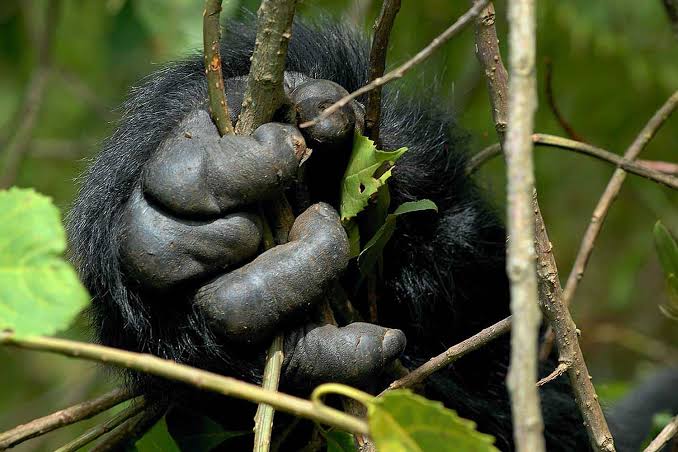
Mount Bisoke is also part of the wider mountain gorilla habitat in the Virunga region. Although gorilla sightings are not guaranteed during the hike, the mountain offers an opportunity to explore the natural environment protected by Volcanoes National Park.
Whether you are visiting Rwanda for hiking, photography, wildlife experiences or a wider gorilla trekking holiday, Mount Bisoke offers an exciting addition to your itinerary.
Where Is Mount Bisoke Located?
Mount Bisoke is located in the Virunga Mountains, within the Albertine Rift region of East-Central Africa. The mountain straddles the international border between Rwanda and the Democratic Republic of Congo, with its summit and the main hiking access on the Rwandan side.
The Rwandan hiking route is accessed through Volcanoes National Park in the Northern Province. Visitors normally report to the park headquarters at Kinigi before travelling to the designated trailhead.
The mountain is situated near other famous Virunga volcanoes, including Mount Karisimbi, Mount Muhabura, Mount Gahinga and Mount Sabyinyo. Together, these volcanoes form part of a remarkable mountain ecosystem that supports mountain gorillas, golden monkeys, forest birds and other wildlife.
Key facts about Mount Bisoke:
- Mountain: Mount Bisoke, also called Visoke.
- Elevation: Approximately 3,711 metres above sea level.
- Location: Virunga Mountains, Rwanda–DR Congo border.
- Protected area: Volcanoes National Park, Rwanda.
- Hiking duration: Generally one day.
- Main attraction: Summit crater lake.
- Other attraction: Lake Ngezi on the mountain slopes.
- Minimum hiking age: 15 years according to the Rwanda Development Board booking portal.
- Starting point: Kinigi registration and briefing area, followed by transfer to the trailhead.
What Makes Mount Bisoke Special?
Mount Bisoke is among the most popular hiking destinations in Rwanda because it combines a challenging mountain climb with beautiful volcanic scenery.
1. The Summit Crater Lake
<PRIVATE_PERSON>One of the main attractions of Mount Bisoke is the crater lake at its summit. After climbing through the mountain’s forest and high-altitude vegetation, hikers reach the crater rim, where the lake creates a striking landscape.
The summit environment can be cold, misty and windy, and visibility changes according to weather conditions. On a clear day, the crater lake and surrounding mountain scenery provide excellent photography opportunities.
Swimming in the crater lake is not permitted. Visitors should remain on the designated route and follow their guide’s instructions.
2. Lake Ngezi
Lake Ngezi is another scenic feature associated with Mount Bisoke. Located partway up the mountain, this smaller crater lake is surrounded by natural vegetation and offers a beautiful setting for nature lovers.
Lake Ngezi is also a separate hiking destination in Volcanoes National Park. Travellers who prefer a shorter and less demanding outdoor activity can ask their tour operator about arranging a guided Lake Ngezi walk instead of attempting the full Bisoke summit.
3. Virunga Mountain Scenery
The climb offers changing views of the Virunga volcanic landscape. As you ascend, the scenery changes from cultivated areas and lower forest vegetation to bamboo and higher-altitude habitats.
Depending on the weather, hikers may enjoy views of neighbouring volcanoes and forested slopes extending towards the Democratic Republic of Congo.
4. Mountain Forest and Wildlife
Mount Bisoke forms part of the wider Volcanoes National Park ecosystem, which protects important habitats for mountain gorillas, golden monkeys and numerous bird species.
The mountain slopes provide opportunities to appreciate the biodiversity of the Virunga region. Wildlife sightings during the hike are possible but cannot be guaranteed.
Mount Bisoke Hiking Route and What to Expect
The Mount Bisoke hike is normally organised as a guided, one-day excursion. Visitors begin by reporting to the park headquarters at Kinigi for registration and a safety briefing.
After the briefing, the hiking group travels by vehicle to the designated trailhead. The actual hiking route begins from the mountain’s lower slopes and gradually ascends towards the summit.
Step 1: Registration and Briefing at Kinigi
Hikers should arrive at the park registration centre by 7:00 a.m. Bring your valid passport and hiking permit for verification.
Park officials provide information about the route, safety guidelines and expectations during the climb. You will also meet your assigned guide and other members of the hiking group.
Step 2: Transfer to the Trailhead
After the briefing, you travel to the starting point of the hike. The journey involves a drive along the park access route, which can be rough in places.
A suitable vehicle should be arranged in advance, particularly during rainy periods when road conditions may become difficult.
Step 3: Begin the Ascent Through Forest Vegetation
The hike begins on the lower slopes of Mount Bisoke. The trail gradually becomes steeper as you move through forested sections and other vegetation zones.
The route can be muddy and slippery, especially during the rainy season. Some sections require careful footing, and hikers should use their walking sticks where helpful.
Step 4: Reach the Summit Crater Lake
After several hours of climbing, you approach the summit crater. The lake is the main highlight of the hike and provides an opportunity to rest, take photographs and appreciate the volcanic landscape.
The amount of time available at the summit depends on the weather, the group’s progress and instructions from the park guide.
Step 5: Descend to the Starting Point
After enjoying the summit, begin the descent along the designated trail. The downward journey can be challenging because of muddy and slippery sections.
Once you return to the trailhead, you will be transferred back to the park headquarters, marking the end of your Mount Bisoke hiking experience.
How Difficult Is Mount Bisoke Hiking?
Mount Bisoke is a challenging mountain hike. Although it can be completed in one day, the steep ascent, high altitude, muddy terrain and long walking hours make it physically demanding.
The Rwanda Development Board booking portal describes the activity as one of the more challenging experiences for hikers who are not physically prepared. It gives an estimated duration of approximately six to seven hours, including the descent, while experienced hikers may complete the route more quickly.
The difficulty depends on several factors:
- Altitude: The summit reaches approximately 3,711 metres, where some hikers may experience altitude-related symptoms.
- Steep slopes: The route involves sustained climbing and can be tiring.
- Mud and slippery ground: Rain can make sections of the trail difficult to navigate.
- Weather: Temperatures can drop at higher elevations, while rain and mist may reduce visibility.
- Fitness: Hikers need sufficient stamina to walk for several hours.
You do not necessarily need advanced mountaineering skills, but a good level of fitness and previous hiking experience are helpful.
If you are not accustomed to long walks or high-altitude activities, consider preparing with regular exercise and shorter hikes before travelling to Rwanda.
How Long Does It Take to Hike Mount Bisoke?
The Mount Bisoke hike generally takes about six to seven hours, although the actual duration varies according to the group’s fitness, weather conditions and trail conditions.
Experienced hikers may complete the round trip in less time, while less experienced hikers may need most of the day.
The usual programme includes:
- Morning registration and briefing at Kinigi.
- Transfer to the mountain trailhead.
- Ascent through the forest and higher-altitude vegetation.
- Time at the summit crater lake.
- Descent to the trailhead.
- Return transfer to the park headquarters.
Plan for a full day rather than scheduling other demanding activities immediately after the hike.
Mount Bisoke Hiking Permits and Fees
A valid hiking permit issued through the Rwanda Development Board is required to climb Mount Bisoke. The permit provides authorisation to participate in the guided mountain activity.
The official Rwanda Development Board booking portal currently lists the following adult permit fees:
| Visitor category | Adult permit fee |
|---|---|
| Foreign non-resident | US$75 |
| Foreign resident in Rwanda | US$60 |
| Rwandan citizen | RWF 4,000 |
| East African citizen | US$55 |
| East African foreign resident | US$65 |
The portal also provides separate student and child rates for eligible visitor categories. Confirm the applicable category and documentation requirements before applying.
Official hiking requirements:
- Minimum age: 15 years.
- Maximum group size: 16 hikers.
- Reporting time: 7:00 a.m.
- Permit application: Through the Rwanda Development Board booking portal.
- Booking arrangement: Reservations are handled subject to available slots.
Foreign residents and East African foreign residents may need to provide proof of qualifying residency or work permit status. East African citizens should carry the required passport or recognised identification documents.
Permit fees and conditions may change. Check the official Rwanda Development Board Mount Bisoke booking portal for current rates, requirements and available dates.
What Does the Mount Bisoke Hiking Permit Cover?
The permit authorises the visitor to participate in the Mount Bisoke hiking activity under the park’s arrangements. It should not be confused with other services that may be required for the trip.
Depending on your package, additional costs may include:
- Transportation to and from Kinigi.
- Vehicle transfer to the trailhead.
- Porter services.
- Hiking equipment hire.
- Accommodation.
- Meals and refreshments.
- Personal expenses.
Ask your tour operator for a detailed quotation showing what is included and excluded.
Best Time for Mount Bisoke Hiking in Rwanda
Mount Bisoke can be hiked throughout the year, subject to permit availability and park operating conditions. However, relatively dry periods are generally preferred because the trails can be less muddy and slippery.
June to September
This is generally part of Rwanda’s longer dry season and is often a favourable period for hiking. Conditions can be more suitable for walking, although rain and mist remain possible in the mountains.
December to February
These months form another relatively dry period. They are also popular for combining hiking with gorilla trekking and other activities in Volcanoes National Park.
March to May
This is generally a wetter period. Heavy rain can make the mountain trail muddy and slippery, increasing the difficulty of the climb.
October to November
Rainfall can affect hiking conditions, and the trail may be wet in several sections. Hikers should carry reliable waterproof clothing and footwear.
Recommendation: June to September and December to February are often preferred for Mount Bisoke hiking. Nevertheless, mountain weather can change quickly, so prepare for rain and cold conditions regardless of the month.
What to Pack for Mount Bisoke Hiking
Proper equipment makes the hike safer and more comfortable. The mountain’s weather and terrain can change significantly as you gain elevation.
Consider packing the following:
Clothing
- Long hiking trousers.
- Long-sleeved shirts.
- Waterproof jacket.
- Waterproof trousers.
- Warm sweater or fleece.
- Warm hat.
- Extra hiking socks.
Footwear and Hiking Equipment
- Waterproof hiking boots with good ankle support.
- Trekking or gardening gloves.
- Walking sticks or trekking poles.
- Small waterproof daypack.
- Gaiters, if available.
- Head covering or sun protection.
Food and Personal Items
- Drinking water.
- Packed lunch.
- High-energy snacks.
- Insect repellent.
- Sunscreen.
- Personal medication.
- Basic first-aid supplies.
- Camera and spare batteries.
- Valid passport and hiking permit.
The park headquarters may have gumboots, raincoats and gloves available for hire. Confirm availability and prices before relying on equipment rental.
Can You See Mountain Gorillas During the Mount Bisoke Hike?
Mount Bisoke is located within the wider habitat of mountain gorillas protected by Volcanoes National Park. The lower slopes include forest and bamboo vegetation that form part of the gorillas’ natural environment.
It is therefore possible to encounter wildlife during the hike, including mountain gorillas. However, gorilla sightings are not guaranteed and should not be the main reason for purchasing a Mount Bisoke hiking permit.
Travellers who specifically want to observe a habituated gorilla family must book a separate gorilla trekking permit.
During a dedicated gorilla trekking experience, visitors are assigned to a habituated family and accompanied by park guides and trackers. Once the gorillas are located, visitors can spend a maximum of one hour observing them.
If you want to combine both activities, arrange a separate day for gorilla trekking and another for the Mount Bisoke hike.
Combine Mount Bisoke Hiking with Rwanda Gorilla Trekking
One of the best ways to experience Volcanoes National Park is to combine Mount Bisoke hiking with mountain gorilla trekking.
Both activities take place in the same wider protected landscape, making it possible to enjoy a varied Rwanda safari without travelling to a different national park.
A suggested itinerary is outlined below.
Day 1: Arrival in Kigali and Transfer to Volcanoes National Park
Arrive in Kigali and meet your driver-guide. Travel north towards Musanze and Volcanoes National Park, enjoying the scenery along the way.
Depending on your arrival time, you may enjoy a short city visit or proceed directly to your lodge.
Accommodation: Lodge near Volcanoes National Park.
Day 2: Mountain Gorilla Trekking in Volcanoes National Park
After an early breakfast, transfer to Kinigi for the gorilla trekking briefing. Join your assigned ranger guides and trackers for the forest trek.
Once you locate the gorilla family, spend up to one hour observing the animals before returning to the park meeting point.
Accommodation: Lodge near Volcanoes National Park.
Day 3: Mount Bisoke Hiking
Wake up early and report to the park headquarters for your Mount Bisoke hiking briefing. Transfer to the trailhead and begin the climb towards the summit crater lake.
Enjoy the mountain scenery before descending to the starting point and returning to your lodge.
Accommodation: Lodge near Volcanoes National Park.
Day 4: Transfer to Kigali and Departure
After breakfast, travel back to Kigali. Depending on your departure schedule, you may have time for a short city visit before transferring to the airport.
This itinerary can be adjusted according to flight schedules, gorilla permit availability and your preferred accommodation category.
Other Activities to Combine with Mount Bisoke Hiking
Volcanoes National Park and its surrounding area offer several experiences that can complement your mountain adventure.
Golden Monkey Tracking
Golden monkey tracking takes place in the bamboo forests of Volcanoes National Park. These lively primates are endemic to the Albertine Rift region and are among the most interesting wildlife species to observe in the Virunga Mountains.
A separate golden monkey tracking permit is required.
Dian Fossey Tomb and Karisoke Research Centre Hike
The Dian Fossey hike introduces visitors to the conservation history of mountain gorillas and the work of the renowned primatologist Dian Fossey.
The trail leads towards the former Karisoke Research Centre area and Dian Fossey’s resting place. It is a meaningful experience for visitors interested in gorilla conservation.
Mount Karisimbi Hiking
Mount Karisimbi is the highest of the major Virunga volcanoes, reaching approximately 4,507 metres. Unlike the one-day Mount Bisoke hike, Karisimbi is generally climbed over two days, including an overnight stay at a mountain campsite.
Iby’Iwacu Cultural Experience
A visit to the Iby’Iwacu Cultural Village, also known as the Gorilla Guardians Village, offers an opportunity to learn about Rwandan cultural traditions through locally organised experiences.
Activities may include traditional music and dance, storytelling, crafts and demonstrations of aspects of community life.
Twin Lakes of Burera and Ruhondo
The Twin Lakes of Burera and Ruhondo offer scenic landscapes at the foothills of the Virunga Mountains. Visitors can enjoy viewpoints, photography and community experiences around the lakes.
Musanze Caves
The Musanze Caves are another attraction in northern Rwanda. Visitors can explore the volcanic caves with authorised guides and learn about the region’s geological history.
Where to Stay for Mount Bisoke Hiking
Most travellers undertaking the Mount Bisoke hike stay around Musanze or Kinigi. These areas provide access to the Volcanoes National Park headquarters and the mountain’s hiking routes.
Accommodation ranges from luxury lodges to midrange hotels and budget guesthouses.
Luxury Accommodation
One&Only Gorilla’s Nest
Located near Volcanoes National Park, One&Only Gorilla’s Nest offers a high-end accommodation experience in a forested setting. It is suitable for travellers seeking luxury accommodation while exploring Rwanda’s gorilla trekking and hiking attractions.
Bisate Lodge
Bisate Lodge is a luxury property near Volcanoes National Park, known for its distinctive architecture and conservation-focused hospitality. It provides a premium base for visitors exploring the region.
Singita Kwitonda Lodge
Singita Kwitonda Lodge offers luxury accommodation close to Volcanoes National Park, with a focus on conservation and the surrounding natural environment.
Midrange Accommodation
Five Volcanoes Boutique Hotel
Located in the Musanze area, Five Volcanoes Boutique Hotel provides a comfortable base for travellers visiting Volcanoes National Park.
Mountain Gorilla View Lodge
Mountain Gorilla View Lodge is situated near the park and offers convenient access to gorilla trekking and hiking activities.
Le Bambou Gorilla Lodge
Le Bambou Gorilla Lodge is another accommodation option in the Volcanoes National Park area, suitable for visitors seeking a comfortable stay close to the park.
Budget Accommodation
Hotel Muhabura
Hotel Muhabura is located in Musanze and offers a practical accommodation option for travellers exploring northern Rwanda.
Kinigi Guest House
Kinigi Guest House is an option for visitors who prefer to stay close to the park headquarters.
La Palme Hotel
Located in Musanze, La Palme Hotel can be considered by travellers looking for accommodation in town.
Accommodation availability, services and prices vary by travel season. Confirm the latest property details and room rates before booking.
Safety Tips for Mount Bisoke Hiking
Mount Bisoke is a challenging mountain environment, and hikers should take appropriate precautions before and during the climb.
- Follow your park guide: Stay with your assigned guide and follow all park instructions.
- Wear suitable footwear: Waterproof hiking boots with good grip help reduce the risk of slipping.
- Carry rain protection: Weather can change quickly, even during relatively dry months.
- Dress in layers: Temperatures are generally colder at higher elevations.
- Drink enough water: Carry sufficient drinking water and take regular breaks.
- Use a walking stick: Trekking poles can provide additional support on steep and muddy sections.
- Respect wildlife: Do not approach, feed or disturb animals encountered along the trail.
- Observe altitude symptoms: Headaches, dizziness, nausea and unusual breathlessness should be reported to your guide.
- Do not swim in the crater lake: Swimming is prohibited.
- Stay on the designated trail: Avoid leaving the authorised route.
If you have a medical condition that could affect your ability to hike at altitude, seek medical advice before booking.
Why Book Your Mount Bisoke Hiking Safari with Book Gorilla Tracking?
Organising a Mount Bisoke hiking trip involves more than obtaining a permit. Visitors also need to arrange transportation, accommodation, equipment and the appropriate park activities.
Book Gorilla Tracking can help coordinate the essential arrangements for your Rwanda hiking holiday, including:
- Mount Bisoke hiking permit arrangements.
- Ground transportation from Kigali or Musanze.
- Accommodation near Volcanoes National Park.
- Guidance on suitable hiking equipment.
- Porter arrangements, subject to availability.
- Gorilla trekking and golden monkey tracking permits.
- Combined Rwanda wildlife and hiking itineraries.
Whether you are planning a single-day Mount Bisoke hike or a longer Rwanda safari, your itinerary can be organised around your travel dates, interests and accommodation preferences.
Frequently Asked Questions About Mount Bisoke Hiking
1. How high is Mount Bisoke?
Mount Bisoke rises to approximately 3,711 metres above sea level. It is one of the major volcanoes in the Virunga Mountains, which extend across Rwanda, Uganda and the Democratic Republic of Congo.
2. How long does it take to hike Mount Bisoke?
The hike generally takes approximately six to seven hours, including the descent. The actual duration depends on the fitness of the hiking group, weather and trail conditions.
3. Is Mount Bisoke hiking difficult?
Yes. Mount Bisoke is a strenuous one-day hike involving steep slopes, muddy terrain and high altitude. A reasonable level of physical fitness is recommended.
4. How much is the Mount Bisoke hiking permit?
The Rwanda Development Board booking portal lists the adult foreign non-resident permit at US$75. Other rates apply to foreign residents, Rwandan citizens and East African visitors. Confirm the current applicable fee before booking.
5. What is the minimum age for Mount Bisoke hiking?
The Rwanda Development Board booking portal lists 15 years as the minimum age for the Mount Bisoke hike.
6. Where does Mount Bisoke hiking start?
Hikers report to the Volcanoes National Park registration centre at Kinigi for a briefing before travelling to the designated trailhead.
7. Can beginners hike Mount Bisoke?
Beginners with good physical fitness may be able to complete the hike, but they should understand that it is physically demanding. Training with regular walks and shorter hikes before travelling is recommended.
8. Is there a crater lake on Mount Bisoke?
Yes. Mount Bisoke has a crater lake at its summit. Lake Ngezi is another scenic lake located partway up the mountain.
9. Can I swim in the Mount Bisoke crater lake?
No. Swimming in the crater lake is not permitted. Visitors should enjoy the scenery from the designated areas and follow their guide’s instructions.
10. Can I see gorillas during Mount Bisoke hiking?
Mountain gorillas live in the wider forest ecosystem around Mount Bisoke, so a wildlife encounter is possible. However, sightings are not guaranteed, and the hiking permit does not include a dedicated gorilla trekking experience.
11. Can I combine Mount Bisoke hiking with gorilla trekking?
Yes. You can combine the one-day Mount Bisoke hike with a separate mountain gorilla trekking experience in Volcanoes National Park. You must obtain a separate gorilla trekking permit.
12. What is the best time to hike Mount Bisoke?
June to September and December to February are generally preferred because they include Rwanda’s relatively drier periods. However, rain and cold conditions can occur at any time in the mountains.
13. Do I need a porter for Mount Bisoke hiking?
Hiring a porter is optional but can be helpful, especially if you have a heavy backpack or need additional support on difficult sections. Porter availability and charges should be confirmed at the park or through your operator.
Book Your Mount Bisoke Hiking Adventure in Rwanda
Mount Bisoke offers an exciting opportunity to explore the Virunga Mountains, climb to a volcanic summit and discover the beautiful crater lake at the top. From the forested lower slopes to the higher-altitude vegetation and spectacular mountain scenery, the hike provides a memorable outdoor experience in Rwanda.
You can make your visit even more rewarding by combining Mount Bisoke hiking with mountain gorilla trekking, golden monkey tracking, the Dian Fossey hike or a cultural experience near Volcanoes National Park.
Book Gorilla Tracking can help you organise your Mount Bisoke hiking permit, accommodation, transportation and other activities in Rwanda.
Contact our team to request a personalised quotation and start planning your Mount Bisoke hiking adventure.