Call: +256 702 595 926 | Email: info@bookgorillatracking.com

Amahoro Gorilla Family in Rwanda: Complete Trekking Guide

Amahoro Gorilla Family in Rwanda: History, Location, Members and Trekking Experience
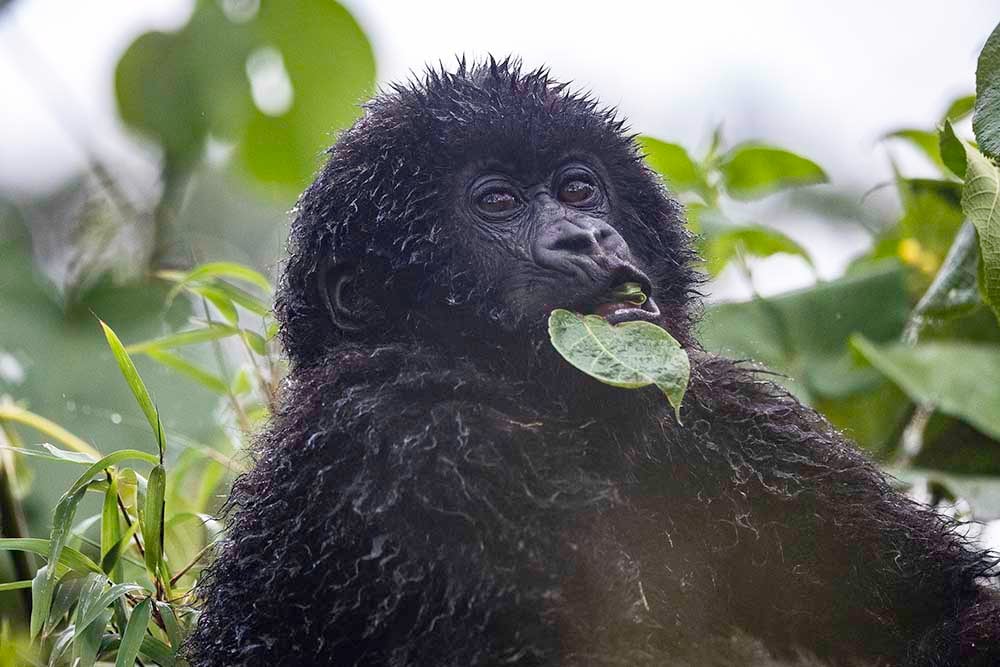
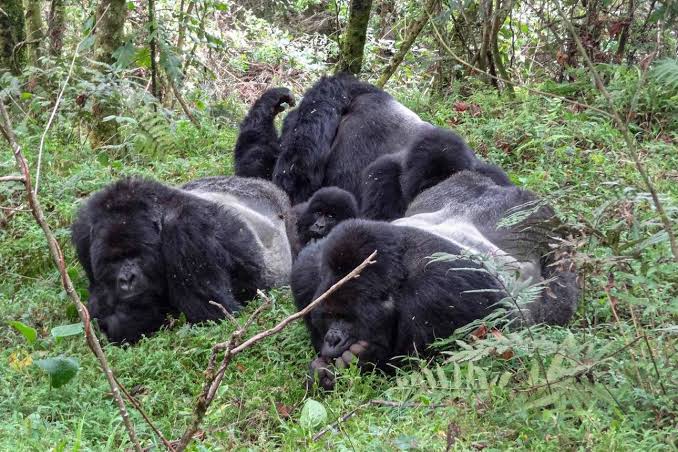
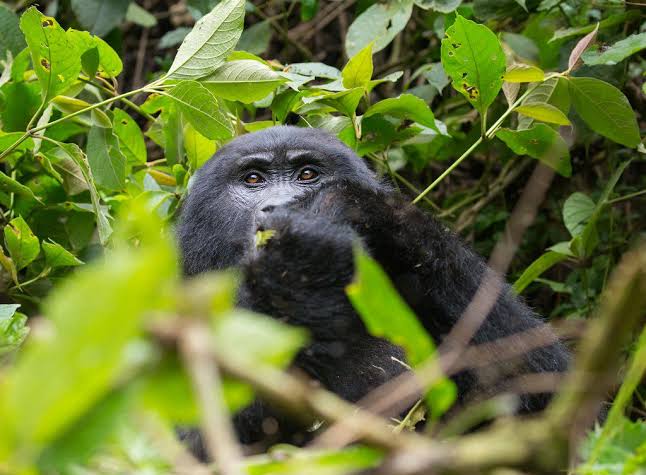
The Amahoro Gorilla Family is one of the well-known habituated mountain gorilla groups in Volcanoes National Park. The family is famous for its peaceful reputation, fascinating social history and its home on the forested slopes of Mount Bisoke in Rwanda’s Virunga Mountains.
The word Amahoro means “peace” in Kinyarwanda, a name that reflects the group’s reputation for calm social behaviour. For visitors planning a Rwanda gorilla trekking safari, tracking this family offers an opportunity to encounter endangered mountain gorillas in their natural habitat while learning about their family relationships, leadership and conservation.
The Amahoro family also has an interesting history involving the death of its founding silverback, a leadership disagreement and the formation of another famous gorilla group, the Umubano family.
In this comprehensive guide, Book Gorilla Tracking explores the history of the Amahoro Gorilla Family, where it lives, its leadership, group composition, trekking difficulty, the best time to visit and how to organise a successful gorilla trekking experience in Rwanda.
Where Is the Amahoro Gorilla Family Found?
The Amahoro Gorilla Family lives in Volcanoes National Park in north-western Rwanda. The park protects part of the Virunga Mountains, a chain of volcanic mountains shared by Rwanda, Uganda and the Democratic Republic of Congo.
The family is generally associated with the slopes of Mount Bisoke, also known as Mount Visoke. This is a beautiful mountainous environment characterised by bamboo vegetation, montane forest, thick undergrowth and volcanic terrain.
Volcanoes National Park is located in Rwanda’s Northern Province, near Musanze town and the border with Uganda and the Democratic Republic of Congo.
Gorillas move freely through their natural habitat in search of food, water and suitable resting places. Consequently, the Amahoro family does not remain in one fixed location. Its daily range can change, and the exact trekking route depends on where trackers locate the group.
Visitors should therefore not assume that the family will always be found at the same altitude or along the same trail.
What Does Amahoro Mean?
Amahoro is a Kinyarwanda word meaning peace. The name reflects the family’s reputation for having a relatively calm and peaceful social structure.
The group became associated with this name during Rwanda’s gorilla naming tradition, Kwita Izina, which celebrates mountain gorilla conservation and raises awareness about the importance of protecting these endangered primates.
The name is particularly interesting because the group’s history includes a leadership disagreement that eventually resulted in the formation of the Umubano Gorilla Family.
History of the Amahoro Gorilla Family
The Amahoro Gorilla Family has a fascinating history that dates back to the 1990s. Its story includes habituation, tourism development, the death of its founding silverback and the formation of a separate gorilla family.
1. Habituation of the Amahoro Family
The habituation of the Amahoro family began in March 1996. Habituation is the gradual process through which wild gorillas become accustomed to the presence of humans under carefully controlled conditions.
The process initially continued until 1997 but was interrupted by insecurity and conflict in the region. The group was subsequently opened to tourism in 2000, allowing visitors to observe its members in their natural environment.
The habituation process was important because it helped make controlled gorilla trekking possible while maintaining strict conservation measures.
2. The Original Silverback: Amahoro
The family was originally led by a dominant silverback named Amahoro. He was an important figure in the group’s early history and gave the family its name.
On 4 May 2002, the founding silverback died at approximately 31 years of age. Historical accounts report that the cause of his death was unknown.
His death created a leadership challenge among the subordinate silverbacks, particularly Ubumwe and Charles.
3. The Formation of the Umubano Gorilla Family
Following the death of Amahoro, two subordinate silverbacks, Ubumwe and Charles, could not establish a shared leadership arrangement.
The disagreement eventually resulted in the family splitting into two groups.
Ubumwe retained the original Amahoro family, while Charles established a separate group that later became known as the Umubano Gorilla Family.
The separation is an interesting example of how mountain gorilla groups can change through natural social relationships and competition between mature males.
4. Leadership Changes in the Amahoro Family
Ubumwe subsequently led the original Amahoro family. However, he disappeared or left the group in June 2015.
The International Gorilla Conservation Programme’s published family profile identifies Gahinga as the dominant silverback who subsequently took over leadership.
Because gorilla family leadership can change, travellers should confirm the latest information with park authorities rather than assume historical leadership details remain current.
How Many Gorillas Are in the Amahoro Family?
The Amahoro family has experienced changes in membership over the years through births, deaths, group divisions and changes in social relationships.
According to the International Gorilla Conservation Programme (IGCP), the family had 22 members as of 31 January 2024. Its published profile recorded four silverbacks, seven adult females, four sub-adult females, three juveniles and four infants. This is a dated figure, not a confirmed current headcount.
Like other mountain gorilla families, its membership can change. A young gorilla grows into adulthood, females may move between groups, and new infants may be born.
The family includes different age and social categories:
-
Silverbacks: Mature males with distinctive silver-grey hair across their backs.
-
Adult females: Important members of the family who contribute to its social structure and raise young gorillas.
-
Sub-adults: Younger gorillas transitioning towards adulthood.
-
Juveniles: Young gorillas that spend much of their time playing, exploring and learning social behaviours.
-
Infants: The youngest family members, usually remaining close to their mothers.
The presence of infants and juveniles can make a trekking encounter particularly interesting because visitors may observe natural family interactions, play and maternal care.
Who Leads the Amahoro Gorilla Family?
The founding leader was the silverback Amahoro, who died in May 2002. Following his death, the group divided, with Ubumwe leading the original Amahoro family and Charles establishing the group that became Umubano.
Ubumwe later disappeared or left the family in 2015. The IGCP profile identifies Gahinga as the subsequent dominant silverback.
A dominant silverback plays an important role in mountain gorilla society. His responsibilities include:
-
Maintaining group cohesion.
-
Leading the family as it moves through its habitat.
-
Responding to potential threats.
-
Helping protect younger members.
-
Influencing the group’s social relationships.
A gorilla family’s leadership is not permanent. Changes can occur as males mature, social relationships develop and groups reorganise.
What Makes the Amahoro Gorilla Family Special?
Several features make the Amahoro family an interesting group to learn about and track during a Rwanda gorilla safari.
1. Its reputation for peace
The name Amahoro means peace, and the family has traditionally been described as relatively calm. Its name is closely connected to its history and the peaceful character associated with its founding group.
However, mountain gorillas are wild animals, and their behaviour should never be assumed or predicted. Visitors must always follow the instructions of their guides and maintain the required distance.
2. Its connection to the Umubano family
The Umubano family originated from the division of the original Amahoro group following the death of its founding silverback.
This makes the two families historically connected. Their story provides an interesting opportunity to understand how mountain gorilla groups form and change.
3. Its home on the slopes of Mount Bisoke
The Amahoro family is associated with Mount Bisoke, one of the prominent volcanoes in the Virunga Mountains.
The surrounding landscape offers beautiful montane forest scenery, bamboo vegetation and steep volcanic slopes.
4. Opportunities to observe different age groups
Depending on the family’s composition on the trekking day, visitors may see silverbacks, adult females, juveniles and infants.
Watching young gorillas interact with their mothers and other family members can provide a memorable insight into mountain gorilla social life.
How Difficult Is Trekking the Amahoro Gorilla Family?
Tracking the Amahoro family is often described as a moderately challenging to strenuous experience because of the steep slopes associated with its Mount Bisoke range.
However, the actual difficulty depends on the location of the gorillas on the day of the trek. A family may move to a different section of the forest, meaning the hiking distance and elevation gain can change.
Visitors should be prepared for:
-
Steep and uneven forest trails.
-
Muddy paths, particularly after rainfall.
-
Dense vegetation and bamboo forest.
-
Slippery ground and exposed roots.
-
Changes in altitude and temperature.
-
A hike that may take several hours.
A reasonable level of physical fitness is helpful. If you have concerns about your ability to hike, inform your safari operator before booking so that your needs can be discussed with park authorities.
It is important to remember that requesting the Amahoro family does not guarantee a particular trekking distance. Final gorilla family allocation is managed by park authorities.
What Is the Amahoro Gorilla Trekking Experience Like?
Gorilla trekking in Volcanoes National Park follows a regulated process designed to protect mountain gorillas while allowing visitors to observe them in their natural environment.
1. Early morning arrival at Kinigi
Your day begins with an early transfer to the Volcanoes National Park headquarters at Kinigi.
Visitors gather for registration, permit verification and a briefing. Staying overnight in Musanze or near Kinigi is recommended to make the morning journey easier.
2. Briefing and gorilla family allocation
Park officials explain the trekking procedures, safety rules and conservation guidelines.
Visitors are allocated to available habituated gorilla families. If you would like to track Amahoro, communicate this preference when arranging your permit, although allocation cannot be guaranteed.
3. Transfer to the trekking starting point
After the briefing, you travel to the designated starting point for your trek.
Experienced guides and trackers lead the hike into the forest. They use information about the gorillas’ previous movements to help locate the family.
4. Hiking through the forest
The trek can involve walking through bamboo vegetation, thick undergrowth and mountainous forest terrain.
Because the Amahoro family is associated with the slopes of Mount Bisoke, visitors should be prepared for climbing and uneven ground.
The duration depends on where the gorillas are located. Some encounters require less hiking, while others involve several hours in the forest.
5. Meeting the Amahoro gorilla family
Once the family is located, visitors are normally allowed one hour to observe the gorillas.
During this time, you may see:
-
The dominant silverback resting or watching over the family.
-
Females feeding and caring for their young.
-
Juveniles playing and interacting.
-
Infants staying close to their mothers.
-
Other gorillas feeding, grooming or moving through the vegetation.
The experience is carefully regulated to minimise disturbance and protect the gorillas.
6. Returning from the forest
After the permitted observation period, your guide leads you back to the starting point.
You can then return to your lodge for lunch, relaxation or another activity depending on your safari schedule.
Best Time to Track the Amahoro Gorilla Family
Gorilla trekking in Volcanoes National Park is possible throughout the year. However, the relatively dry months generally provide more comfortable hiking conditions.
| Season | Months | General conditions |
|---|---|---|
| Long dry season | June–September | Generally less muddy trails |
| Short dry season | December–February | Often favourable hiking conditions |
| Long rainy season | March–May | More frequent rainfall and slippery paths |
| Short rainy season | October–November | Wet vegetation and muddy trails |
June to September: This is generally one of the most favourable periods for gorilla trekking. Trails are often less muddy, although rain remains possible.
December to February: Another good period for visitors who prefer relatively drier conditions. It is also convenient for festive-season and early-year holidays.
March to May: Trekking remains available, but visitors should prepare for more frequent rainfall and challenging forest trails.
October to November: These months can bring wet conditions, but the forest is lush and beautiful.
The best season depends on your travel preferences. The weather does not determine whether the gorillas are present, and successful trekking is possible throughout the year.
Gorilla Trekking Rules and Regulations
Mountain gorillas are endangered and highly susceptible to human diseases. Visitors tracking the Amahoro family must follow the conservation guidelines established by park authorities.
Important rules include:
-
Maintain the required distance from the gorillas as instructed by your ranger.
-
Do not touch, feed or attempt to provoke the gorillas.
-
Avoid eating or drinking near the gorillas.
-
Do not use flash photography.
-
Keep your voice low and avoid sudden movements.
-
Follow your ranger’s instructions throughout the encounter.
-
Do not trek when you are sick, particularly if you have symptoms of an infectious respiratory illness.
-
Do not leave rubbish in the forest.
Rwanda normally allows a maximum of eight visitors to track a habituated gorilla family per day, with a one-hour observation period once the gorillas are located.
How Much Does It Cost to Track the Amahoro Gorilla Family?
Visitors tracking the Amahoro family require a valid Rwanda gorilla trekking permit issued through the Rwanda Development Board or an authorised booking channel.
The commonly published standard foreign non-resident permit rate is USD 1,500 per person. Other visitor categories may have different rates, and travellers should confirm the applicable price and conditions before making payment.
In addition to the permit, your safari budget should consider:
-
Accommodation near Volcanoes National Park.
-
Transport from Kigali to Musanze.
-
Professional driver-guide services.
-
Meals and refreshments.
-
Optional activities such as golden monkey tracking.
-
Airport transfers and other travel arrangements.
Book Gorilla Tracking can assist with permit arrangements and organise a complete Rwanda gorilla trekking safari.
How to Get to Volcanoes National Park for Amahoro Gorilla Trekking
Most international visitors arrive through Kigali International Airport.
From Kigali, you travel north-west towards Musanze, the main town serving Volcanoes National Park. The road journey generally takes approximately two to three hours, depending on traffic and road conditions.
From Musanze, you continue towards Kinigi, where the park headquarters and gorilla trekking briefing take place.
By private 4×4 safari vehicle
Hiring a private 4×4 vehicle is a convenient option for travellers who want a comfortable transfer and flexibility during their safari.
Your driver-guide can collect you from the airport, transfer you to your lodge and take you to the park headquarters on the trekking morning.
By organised gorilla trekking safari
An organised safari is particularly convenient for international travellers. Your tour operator can coordinate permits, accommodation, transfers and other activities.
By public transport
Public transport is available between Kigali and Musanze. However, you will need to arrange additional transport to your lodge and the park headquarters.
For visitors with limited time, private transport is generally more convenient.
Where to Stay When Tracking the Amahoro Gorilla Family
Accommodation around Musanze and Kinigi provides convenient access to Volcanoes National Park.
Visitors can choose from luxury lodges, mid-range hotels and budget guesthouses.
Luxury accommodation
Luxury lodges offer premium rooms, personalised services, fine dining and scenic views of the Virunga Mountains. They are suitable for honeymooners and travellers seeking a high-end gorilla trekking experience.
Mid-range accommodation
Mid-range properties provide comfortable rooms, good meals and convenient access to the park. They are suitable for visitors seeking a balance between comfort and cost.
Budget accommodation
Budget guesthouses and smaller lodges provide more affordable options for travellers who want to experience gorilla trekking while controlling their overall safari expenditure.
When selecting accommodation, consider the distance to Kinigi, early breakfast arrangements, transport services and the availability of packed meals.
Other Activities to Combine with Amahoro Gorilla Trekking
A gorilla trekking experience can be combined with several other activities in northern Rwanda.
Golden monkey tracking
Explore the bamboo forest and encounter golden monkeys, another fascinating primate species found in the Virunga Mountains.
Climb one of the Virunga volcanoes and enjoy spectacular mountain scenery, forest vegetation and a crater lake.
Dian Fossey Tomb and Karisoke Research Centre
Learn about the history of mountain gorilla research and the conservation legacy associated with Dian Fossey.
Discover Rwandan traditions through cultural performances, storytelling, crafts and community experiences.
Relax after trekking with lakeside accommodation, boat excursions and beautiful scenery.
Explore Rwanda’s capital, including the Kigali Genocide Memorial, local markets and other cultural attractions.
Can You Combine Amahoro Gorilla Trekking with Uganda Gorilla Trekking?
Yes. Rwanda and Uganda can be combined into one East African gorilla trekking safari.
After tracking the Amahoro family in Volcanoes National Park, visitors can cross into Uganda to explore:
-
Bwindi Impenetrable National Park – famous for its mountain gorilla families and four trekking sectors: Buhoma, Ruhija, Rushaga and Nkuringo.
-
Mgahinga Gorilla National Park – another mountain gorilla destination in the Virunga Mountains, also offering golden monkey tracking.
A longer itinerary can include chimpanzee tracking in Kibale National Park, wildlife game drives in Queen Elizabeth National Park and cultural experiences around Uganda.
Such a safari requires advance coordination of separate gorilla permits, accommodation, border arrangements and transport.
Frequently Asked Questions About the Amahoro Gorilla Family
1. Where is the Amahoro Gorilla Family located?
The Amahoro family lives in Volcanoes National Park in north-western Rwanda. It is associated with the forested slopes of Mount Bisoke.
2. What does Amahoro mean?
Amahoro is a Kinyarwanda word meaning peace. The name reflects the family’s reputation for relatively calm social behaviour.
3. How many gorillas are in the Amahoro family?
The International Gorilla Conservation Programme recorded 22 members as of January 2024. The number can change through births, deaths and movement between groups.
4. Who was the original leader of the Amahoro family?
The founding silverback was named Amahoro. He led the original family until his death on 4 May 2002.
5. Who leads the Amahoro family today?
The IGCP profile identifies Gahinga as the dominant silverback following Ubumwe’s disappearance or departure in 2015. Visitors should confirm current leadership information because gorilla family structures can change.
6. Is Amahoro related to the Umubano Gorilla Family?
Yes. The Umubano family originated from the division of the original Amahoro group following the death of its founding silverback.
7. Is tracking the Amahoro family difficult?
The trek is often described as moderately challenging to strenuous because of the mountainous terrain around Mount Bisoke. The actual difficulty depends on the family’s location and weather conditions on the trekking day.
8. How long do I spend with the Amahoro gorillas?
Visitors are normally allowed one hour with the gorillas after locating the family.
9. Can I request to track the Amahoro family?
You can express your preference when booking, but final family allocation is managed by park authorities and cannot be guaranteed.
10. What is the best time to track the Amahoro family?
June to September and December to February are generally favourable because they are relatively dry periods. However, trekking is possible throughout the year.
11. Can children track the Amahoro family?
Rwanda’s standard minimum age for gorilla trekking is generally 15 years. Confirm current requirements with the Rwanda Development Board before booking.
12. Can I combine Amahoro gorilla trekking with golden monkey tracking?
Yes. Both activities take place in Volcanoes National Park and can be included in a multi-day Rwanda safari, subject to permit availability.
Plan Your Amahoro Gorilla Trekking Safari with Book Gorilla Tracking
The Amahoro Gorilla Family is an important part of Rwanda’s mountain gorilla conservation and tourism heritage. Its history, peaceful reputation, connection to the Umubano family and habitat on the slopes of Mount Bisoke make it an interesting group for wildlife enthusiasts.
Whether you are planning a short gorilla trekking holiday or a longer Rwanda and Uganda safari, advance preparation will help you enjoy a smooth experience.
Book Gorilla Tracking, operated by Raptors Africa Safaris, can assist with gorilla permits, accommodation, airport transfers, private 4×4 safari vehicles and professional guiding services.
Visit www.bookgorillatracking.com to enquire about your Rwanda gorilla trekking safari.