+256-702 595 926 | info@bookgorillatracking.com

Virunga Volcanoes: Mount Muhabura, Sabyinyo and Gahinga

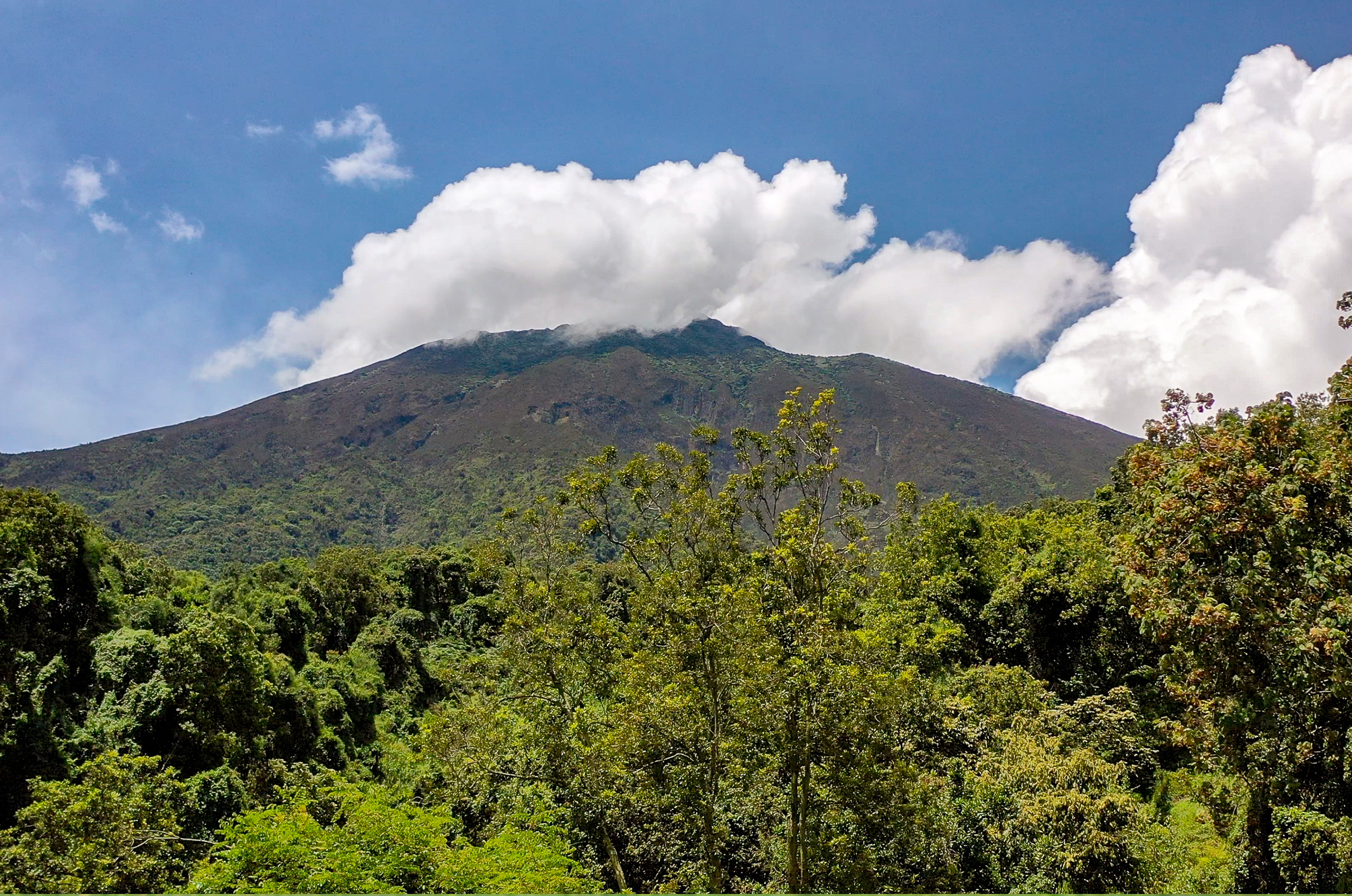
Virunga Volcanoes: Mount Muhabura, Mount Sabyinyo and Mount Gahinga
The Virunga Mountains are a spectacular chain of volcanic mountains located along the borders of Rwanda, Uganda, and the Democratic Republic of the Congo (DRC). These mountains are renowned for their breathtaking landscapes, rich biodiversity, montane forests, and endangered mountain gorillas.
Among the notable volcanoes in the range are Mount Muhabura, Mount Sabyinyo, and Mount Gahinga. Each mountain has distinctive geographical features, cultural significance, and hiking opportunities, making the region an attractive destination for adventure travelers and nature enthusiasts.
1. Mount Muhabura
Mount Muhabura, also spelled Mount Muhavura, is an extinct volcano situated on the border between Rwanda and Uganda. Rising approximately 4,127 meters (13,540 feet) above sea level, it is one of the highest volcanoes in the Virunga Mountains.
The mountain is characterized by steep slopes, rugged volcanic terrain, and a distinctive summit crater lake. Its elevation provides impressive views of the surrounding Virunga volcanoes and the landscapes of the East African Rift region when weather conditions are favorable.
The name Muhabura is commonly interpreted as meaning “guide” or “the guide” in the local language, reflecting the mountain’s prominence as a landmark for travelers and communities in the surrounding region.
Mount Muhabura consists of a prominent volcanic cone, with volcanic features and steep slopes that make hiking particularly challenging. It is an excellent destination for experienced hikers seeking an adventurous mountain trekking experience.
Location of Mount Muhabura
Mount Muhabura lies along the Rwanda–Uganda border. On the Ugandan side, it is located within the Virunga region of southwestern Uganda, near Mgahinga Gorilla National Park. The surrounding area is known for its montane vegetation, volcanic landscapes, and mountain gorilla conservation.
Hiking Mount Muhabura
Hiking is the main activity on Mount Muhabura. The trek involves ascending steep slopes to reach the summit, making it one of the more demanding hiking experiences among the Virunga volcanoes.
Hikers should prepare for high altitude, changing weather, muddy trails, and physically demanding terrain. Guided hikes must be arranged through the appropriate park authorities, with permits and access requirements confirmed in advance.
2. Mount Sabyinyo
Mount Sabyinyo is an extinct volcano in the Virunga Mountains, standing approximately 3,669 meters (12,037 feet) above sea level. It is particularly famous for its deeply eroded summit, which resembles the worn teeth of an elderly person.
The name Sabyinyo is commonly associated with the local expression for “old man’s teeth,” inspired by the mountain’s unusual summit formations.
Mount Sabyinyo is especially significant because it sits at the intersection of Rwanda, Uganda, and the Democratic Republic of the Congo. Its rugged ridges and dramatic volcanic landscape make it one of the most distinctive mountains in the Virunga range.
Location of Mount Sabyinyo
Mount Sabyinyo lies at the meeting point of the three countries and is associated with Mgahinga Gorilla National Park in Uganda, Volcanoes National Park in Rwanda, and Virunga National Park in the DRC.
The mountain is surrounded by montane forests and habitats that support diverse wildlife, including mountain gorillas in designated conservation areas.
Hiking Mount Sabyinyo
Hiking Mount Sabyinyo is a rewarding adventure for visitors exploring the Ugandan side of the Virunga Mountains. The route is known for its steep ridges and rugged terrain, with ladders installed at some difficult sections.
On clear days, hikers can enjoy views across Uganda, Rwanda, and the Democratic Republic of the Congo. Due to the challenging terrain, visitors should hike with authorized guides and follow the instructions provided by park rangers.
3. Mount Gahinga
Mount Gahinga is an extinct volcano in the Virunga Mountains, rising approximately 3,474 meters above sea level. It lies along the border between Uganda and Rwanda, between Mount Muhabura and Mount Sabyinyo.
The name Gahinga is derived from a local word commonly associated with a small pile of stones. The mountain’s name also inspired the name of Mgahinga Gorilla National Park in Uganda, which protects important habitats for mountain gorillas and other wildlife.
Mount Gahinga features forested slopes, bamboo vegetation, and a summit crater containing swampy vegetation. Its natural environment provides habitat for a variety of birds and other wildlife.
Location of Mount Gahinga
Mount Gahinga lies along the Uganda–Rwanda border, with access to hiking routes governed by the relevant park authorities. On the Ugandan side, it is part of the volcanic landscape protected by Mgahinga Gorilla National Park in Kisoro District, southwestern Uganda.
Hiking Mount Gahinga
Hiking Mount Gahinga provides an opportunity to explore the Virunga region’s montane forests and bamboo zones. The trek leads through changing vegetation and volcanic terrain toward the summit crater.
Although generally considered less demanding than some neighboring volcanoes, the hike still requires reasonable fitness, suitable footwear, and preparation for unpredictable mountain weather.
Activities in the Virunga Volcanoes
The Virunga Mountains offer a variety of outdoor adventures and wildlife experiences beyond mountain climbing.
1. Mountain Hiking
Hiking is one of the most popular activities in the Virunga region. Visitors can choose from different volcanoes depending on their fitness, interests, and available trekking routes.
Mount Muhabura is particularly demanding because of its steep ascent, while Mount Sabyinyo is known for its rugged ridges and Mount Gahinga offers an opportunity to explore forested volcanic slopes.
Visitors should obtain the appropriate permits and use authorized guides.
2. Nature Walks
Nature walks allow visitors to appreciate the rich vegetation and peaceful surroundings of the Virunga Mountains. Guided walks may provide opportunities to observe forest plants, learn about local ecosystems, and enjoy views of neighboring landscapes.
On clear days, parts of the region offer views toward Rwanda, Uganda, and the Democratic Republic of the Congo, as well as features associated with the East African Rift.
3. Wildlife Viewing
The Virunga region supports diverse wildlife, although sightings vary depending on location, season, and habitat.
Species found in the wider region include mountain gorillas, golden monkeys, forest elephants, buffaloes, and several other primates. Not every species occurs on every mountain, and wildlife encounters are never guaranteed.
Visitors should observe wildlife responsibly and follow the guidance of trained park rangers.
4. Birdwatching
Birdwatching is another rewarding activity in the Virunga Mountains. The region’s montane forests, bamboo zones, and varied elevations support a rich diversity of birdlife.
Depending on the location, visitors may encounter species such as the Rwenzori batis, African blue flycatcher, and various turacos and raptors. Birdwatching with a knowledgeable local guide can improve the chances of identifying the region’s highland species.
5. Mountain Gorilla Trekking
Mountain gorilla trekking is one of the most celebrated wildlife experiences in the Virunga region.
Visitors can participate in authorized gorilla trekking in Volcanoes National Park in Rwanda, Mgahinga Gorilla National Park in Uganda, and designated areas of Virunga National Park in the DRC when access is permitted.
Gorilla trekking requires specific permits and compliance with conservation regulations. It is a separate activity from hiking the volcanoes, so travelers should arrange the relevant permits independently.
6. Golden Monkey Tracking
Golden monkey tracking is another popular wildlife experience, particularly in Mgahinga Gorilla National Park and Volcanoes National Park.
Golden monkeys inhabit bamboo forests and are known for their distinctive golden-orange fur and active behavior. Visitors can join authorized guided excursions to observe these endangered primates in their natural habitat.
7. Cultural Experiences
The communities surrounding the Virunga Mountains have rich cultural traditions and histories. Visitors can learn about local lifestyles, traditional foods, crafts, music, and community conservation initiatives through organized cultural experiences.
Communities in the wider region include the Bafumbira and Bakiga, among others. Cultural visits should be arranged respectfully through local guides or community-based tourism organizations.
What to Pack for Hiking the Virunga Volcanoes
Proper preparation is essential for a safe and comfortable hike in the Virunga Mountains. Mountain weather can change quickly, and higher elevations are often cold, wet, and muddy.
Recommended items include:
-
- Sturdy waterproof hiking boots with good grip.
-
- Waterproof jacket and rain trousers.
-
- Warm sweater or fleece jacket.
-
- Long-sleeved shirts and long hiking trousers.
-
- Comfortable hiking socks and spare clothing.
-
- A reusable water bottle and drinking water.
-
- A small backpack for personal essentials.
-
- Hiking poles or a walking stick.
-
- Gardening gloves for gripping vegetation or using installed ladders where appropriate.
-
- Sunscreen, a hat, and insect repellent.
-
- A basic first-aid kit and personal medication.
-
- A fully charged phone, power bank, and flashlight.
-
- Binoculars and a camera for wildlife and landscape viewing.
-
- Snacks or packed food, according to the park’s guidance.
A sleeping bag is generally unnecessary for a standard day hike unless an overnight stay is specifically planned and permitted. Goggles are also not normally essential for these hikes.
Best Time to Visit the Virunga Volcanoes
The relatively drier periods, generally from June to August and December to February, are often favorable for hiking in the Virunga Mountains.
During these periods, trails may be less muddy, although rainfall, mist, and cold temperatures can occur throughout the year. The wetter months can make steep trails more slippery and physically demanding.
Before traveling, visitors should confirm hiking availability, permit requirements, weather conditions, and current security guidance with the relevant park authorities.
Conclusion
Mount Muhabura, Mount Sabyinyo, and Mount Gahinga are three remarkable volcanoes in the Virunga Mountains, each offering distinctive scenery and hiking experiences. From Muhabura’s steep volcanic slopes to Sabyinyo’s rugged summit and Gahinga’s forested terrain, these mountains showcase the natural beauty of Rwanda and Uganda’s shared volcanic landscape.
Whether you are interested in mountain hiking, birdwatching, wildlife viewing, gorilla trekking, or cultural experiences, the Virunga region offers memorable adventures. Careful preparation, responsible tourism, and compliance with park regulations help ensure a safe and rewarding visit.
[…] in the forested slopes of the Virunga Mountains, this family represents an important part of Rwanda’s mountain gorilla conservation story. For […]
[…] groups associated with Volcanoes National Park, a protected area in northwestern Rwanda within the Virunga mountain range. Also known historically as Group 13, the family is notable for its growth from a small group of […]
[…] The Amahoro Gorilla Family is one of the well-known habituated mountain gorilla groups in Volcanoes National Park. The family is famous for its peaceful reputation, fascinating social history and its home on the forested slopes of Mount Bisoke in Rwanda’s Virunga Mountains. […]