Call: +256 702 595 926 | Email: info@bookgorillatracking.com

15 Reasons to Visit Rwanda | Wildlife, Gorillas & Safaris


Reasons to Visit Rwanda: 15 Unforgettable Experiences in the Land of a Thousand Hills
Rwanda is one of Africa’s most captivating travel destinations, offering extraordinary wildlife encounters, spectacular landscapes, rich cultural heritage and memorable outdoor adventures. Known as the Land of a Thousand Hills, this beautiful East African country invites travelers to explore mist-covered mountains, ancient rainforests, wildlife-rich savannahs, peaceful lakes and vibrant cities.
Whether you dream of meeting endangered mountain gorillas in their natural habitat, tracking chimpanzees through a tropical rainforest, watching elephants on a classic African game drive or relaxing along the shores of Lake Kivu, Rwanda offers a remarkable variety of experiences within a relatively compact destination.
A Rwanda safari can be as adventurous or as relaxing as you wish. You can trek through the forests of Volcanoes National Park, discover the Big Five in Akagera National Park, walk above the treetops in Nyungwe Forest, explore Kigali’s cultural attractions or spend a few peaceful days beside Lake Kivu.
Beyond its natural beauty, Rwanda is a destination of resilience, creativity and conservation. Its cultural traditions, community tourism initiatives and remarkable recovery from the 1994 Genocide against the Tutsi add depth to the travel experience.
At Raptors Africa Safaris, we help travelers discover Rwanda through tailor-made safari experiences that bring together wildlife, nature, culture, adventure and comfortable accommodation.
If you are wondering why Rwanda deserves a place on your travel bucket list, here are 15 compelling reasons to visit this remarkable African destination.
1. Experience Mountain Gorilla Trekking in Volcanoes National Park
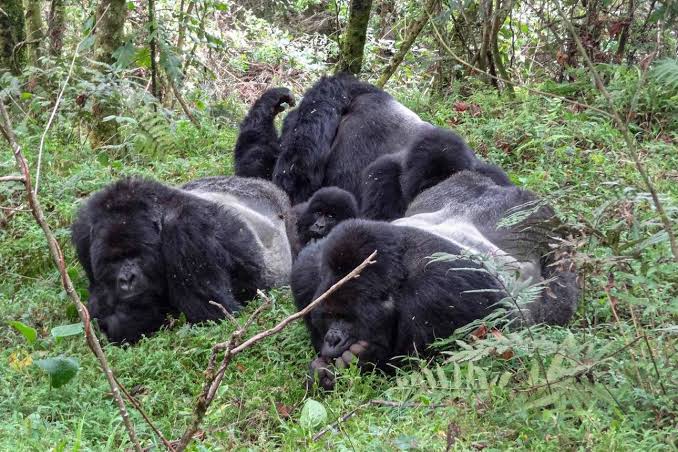
Mountain gorilla trekking is one of the most compelling reasons to visit Rwanda. In the mist-covered forests of Volcanoes National Park, visitors have the opportunity to encounter endangered mountain gorillas in their natural habitat.
The experience begins with a briefing from park authorities before experienced guides and trackers lead small groups into the forest to search for a habituated gorilla family. Depending on the gorillas’ movements, the trek may take several hours and involve walking through bamboo forests, dense vegetation and uneven mountain terrain.
When the gorillas are located, visitors can observe their behaviour, family interactions and daily activities under strict wildlife-viewing regulations. The permitted viewing time is limited, making the encounter particularly precious.
Volcanoes National Park is also part of the wider Virunga volcanic landscape, where dramatic mountain scenery adds to the experience.
Gorilla trekking is suitable for many travelers who are comfortable walking outdoors, although the difficulty varies depending on the location of the gorilla family. Advance planning is essential because permits are limited, age restrictions apply and availability can be seasonal.
For travelers seeking an extraordinary wildlife encounter, Rwanda offers one of the world’s most memorable opportunities to see mountain gorillas.
2. Discover the Big Five on a Safari in Akagera National Park
Rwanda is not only a destination for primate trekking. It also offers a rewarding traditional African safari in Akagera National Park, located in the eastern part of the country.
Akagera features open savannah, woodland, lakes, wetlands and rolling hills that support a diverse range of wildlife. The park is home to the traditional African Big Five:
-
- Lions
-
- African elephants
-
- Leopards
-
- African buffaloes
-
- Rhinoceroses
Wildlife viewing takes place on guided game drives through designated areas of the park. Visitors may also encounter giraffes, zebras, antelopes, hippos, crocodiles and numerous bird species.
The park’s lakes and wetlands create a distinctive safari landscape, setting Akagera apart from the mountainous forests of northern Rwanda.
A boat excursion on Lake Ihema provides another way to experience the park, with opportunities to observe hippos, crocodiles and waterbirds.
For travelers who want to combine mountain gorillas with a classic savannah safari, Akagera makes an excellent addition to a Rwanda itinerary.
Wildlife sightings vary with season, weather and animal movements, so seeing all five species on a single visit is never guaranteed.
3. Explore the Ancient Rainforest of Nyungwe National Park
Nyungwe National Park is one of Rwanda’s most rewarding destinations for travelers interested in rainforests, primates, birds and outdoor exploration.
This ancient montane rainforest in southwestern Rwanda contains a remarkable diversity of plant and animal life. Its dense vegetation, forested ridges and misty valleys create a completely different atmosphere from the open plains of Akagera.
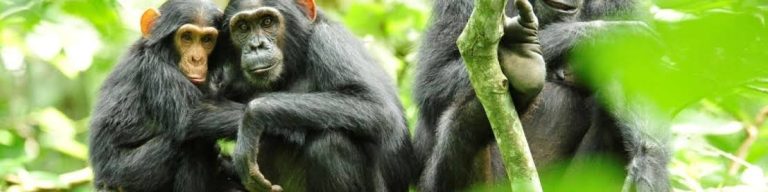
One of Nyungwe’s main attractions is chimpanzee trekking. Visitors join authorised guides to search for habituated chimpanzees as they move through the forest. The experience provides insight into primate behaviour and the complex ecosystems that sustain these animals.
Nyungwe is also known for its other primates, including colobus monkeys, as well as an impressive variety of forest birds, butterflies and plant species.
Travelers can explore designated forest trails and experience the famous canopy walkway, which provides elevated views across the rainforest canopy.
For nature lovers, photographers and adventurous travelers, Nyungwe offers a rewarding opportunity to experience one of East Africa’s distinctive forest ecosystems.
4. Walk Above the Treetops on the Nyungwe Canopy Walkway
For a different perspective on Rwanda’s natural beauty, visit the canopy walkway in Nyungwe National Park.
Suspended above a forested valley, this elevated walkway offers panoramic views across the rainforest canopy. Walking along it gives visitors a sense of the forest’s scale, with layers of green vegetation stretching towards distant hills.
Depending on weather conditions and wildlife activity, visitors may spot birds or monkeys moving among the trees below.
The canopy walkway is an excellent addition to a Rwanda itinerary because it combines gentle adventure, scenery and opportunities for photography.
It can also complement chimpanzee trekking and guided forest walks, making Nyungwe particularly attractive to travelers who enjoy exploring nature in different ways.
Visitors should follow the guide’s instructions, wear suitable footwear and check current access arrangements before traveling.
5. Enjoy Scenic Views of Rwanda’s Thousand Hills
Rwanda’s rolling hills are among its most recognisable features. Across the country, green slopes, terraced farmland, valleys and winding roads create a beautiful landscape that changes with elevation and weather.
Traveling between destinations is part of the experience. A road journey may reveal rural villages, cultivated hillsides, tea plantations, lakeside scenery and distant mountain ranges.
The northern region is particularly striking, with the volcanic peaks of the Virunga Mountains rising above the surrounding countryside. In the west, Lake Kivu is framed by hills that descend towards the water, while the south offers forested highlands and agricultural landscapes.
These views provide countless opportunities for photography and make Rwanda an appealing destination for travelers who enjoy scenic road trips.
For a more active experience, consider guided hikes, cycling excursions or selected walking routes with local guides.
The beauty of Rwanda lies not only in its famous national parks but also in the landscapes and communities encountered between them.
6. Relax Along the Shores of Lake Kivu
After several days of wildlife viewing or trekking, Lake Kivu offers an ideal place to relax.
Located along Rwanda’s western border with the Democratic Republic of the Congo, Lake Kivu is one of Africa’s Great Lakes. Its shoreline features picturesque beaches, green hills, small islands and lakeside towns.
Rubavu, near Gisenyi, is a popular base for lakeside relaxation. Karongi offers another scenic setting, with peninsulas, wooded hillsides and peaceful waterfront views.
Depending on local conditions and available services, visitors can enjoy activities such as:
-
- Kayaking and boat excursions.
-
- Lakeside walks and photography.
-
- Relaxing at waterfront accommodation.
-
- Exploring local markets and lakeside communities.
-
- Enjoying coffee or a meal overlooking the water.
Lake Kivu is particularly appealing for couples, honeymooners, families and travelers seeking a slower pace after an active safari.
A stay here also adds variety to a Rwanda itinerary, balancing forest adventures and game drives with time to unwind.
Water activities should always be arranged through reputable providers, with attention to local safety guidance and conditions.
7. Discover Kigali’s Culture, History and Contemporary Lifestyle
Kigali is much more than a gateway to Rwanda’s national parks. The capital offers an engaging introduction to the country’s history, culture, food, creativity and contemporary life.
Its rolling hills, neighbourhood markets, cafés, restaurants, galleries and museums make it worth exploring before or after a wildlife safari.
Visitors can discover local crafts and everyday life in markets such as Kimironko, explore art spaces and sample Rwandan cuisine. A guided city tour can help travelers understand the country’s changing urban landscape and cultural traditions.
One of Kigali’s most significant sites is the Kigali Genocide Memorial, which commemorates the victims of the 1994 Genocide against the Tutsi and provides important historical context.
A respectful visit offers an opportunity to learn about the tragedy, remembrance, resilience and ongoing efforts towards reconciliation.
Other attractions include museums, cultural spaces and contemporary art venues.
Including Kigali in your itinerary helps create a more complete understanding of Rwanda beyond its wildlife and scenery.
8. Learn About Rwandan Culture and Traditions
Rwanda’s cultural heritage is another important reason to visit the country.
Traditional music, dance, craftsmanship, food and storytelling remain important parts of cultural life. Travelers can explore these traditions through guided cultural visits, museums, community activities and locally organised performances.
Experiences may include watching Intore dance performances, learning about traditional basket weaving, discovering locally produced crafts or visiting communities that welcome travelers to learn about their livelihoods.
In Nyanza, the King’s Palace Museum offers insight into Rwanda’s historical monarchy and traditional royal life. The Ethnographic Museum in Huye provides further context on the country’s cultural heritage.
Food is another way to discover Rwanda. Depending on the setting, visitors may encounter dishes prepared with beans, plantains, potatoes, cassava, vegetables and other locally available ingredients.
The best cultural experiences are those that encourage meaningful interaction and respect local preferences.
Raptors Africa Safaris can help travelers include appropriate cultural activities alongside wildlife and nature experiences.
9. Support Wildlife Conservation Through Responsible Tourism
Rwanda is internationally recognised for its conservation efforts, particularly the protection of mountain gorillas and the restoration of wildlife populations in protected areas.
Visiting the country’s national parks offers travelers an opportunity to experience conservation in practice. Gorilla trekking, guided nature excursions and wildlife safaris operate within established management frameworks designed to protect sensitive habitats and animal populations.
Rwanda also operates a tourism revenue-sharing approach through which a portion of eligible tourism and park-related revenues supports communities around protected areas. Such initiatives help connect tourism with local development and conservation benefits.
Responsible travel goes beyond purchasing a permit or joining a guided excursion. Visitors can contribute by following park rules, respecting wildlife-viewing distances, avoiding littering and choosing responsible accommodation and local service providers.
During gorilla and chimpanzee trekking, following hygiene instructions is particularly important because human illnesses can pose risks to primates.
Travelers can also support local guides, artisans and community-based tourism activities where these are available and appropriately organised.
For visitors who value nature conservation, Rwanda offers opportunities to combine memorable experiences with greater awareness of the importance of protecting wildlife and habitats.
10. Enjoy Exceptional Birdwatching Opportunities
Rwanda is an appealing destination for birdwatchers because its forests, wetlands, lakes, mountains and savannahs support a wide variety of bird species.
Different regions offer different opportunities. Nyungwe is particularly attractive for forest birding, while Akagera’s wetlands and savannah habitats support waterbirds and open-country species.
Birdwatchers may look for colourful turacos, sunbirds, kingfishers, raptors, weavers and other species, depending on the location and season.
The country’s varied elevations and habitats make it possible to combine several birding environments within one itinerary.
A dedicated birdwatching safari can include early departures, longer observation stops and visits to habitats selected for particular target species. Experienced local guides can help identify birds by their appearance, calls and behaviour.
For photographers and bird enthusiasts, Rwanda provides a rewarding opportunity to combine specialist interests with other wildlife experiences.
If birding is a priority, discuss your target species and preferred pace when arranging your trip.
11. Hike the Virunga Volcanoes and Explore Outdoor Adventures
Rwanda’s mountainous landscapes offer opportunities for travelers who enjoy hiking, physical challenges and dramatic scenery.
Volcanoes National Park protects part of the Virunga volcanic range, where steep slopes, bamboo forests and high-altitude vegetation create an impressive setting for outdoor exploration.
Depending on current park arrangements, available routes and fitness levels, visitors may consider guided volcano hikes, nature walks and other permitted excursions.
The region also offers opportunities to learn about the area’s conservation history and explore the landscapes associated with mountain gorilla protection.
Beyond the northern mountains, Rwanda offers walking and cycling experiences, forest trails, kayaking and other outdoor activities in suitable locations.
Adventure activities should be chosen according to fitness, weather, elevation and available time. Some mountain excursions require considerable physical effort, so travelers should confirm the expected difficulty before booking.
For active travelers, Rwanda is a destination where wildlife experiences can be combined with hiking, cycling and scenic exploration.
12. Experience the Remarkable History of Rwanda
Understanding Rwanda’s history gives greater meaning to a visit.
The country’s past includes its pre-colonial kingdom, colonial rule, social and political upheaval, the 1994 Genocide against the Tutsi and the long process of rebuilding communities and institutions.
The Kigali Genocide Memorial is an important place to learn about the genocide, honour its victims and understand the significance of remembrance.
Other museums and heritage sites provide perspectives on Rwanda’s traditional institutions, cultural practices and historical development.
Visitors should approach these places with sensitivity and respect, recognising that the events commemorated remain deeply significant to survivors, families and communities.
Learning about Rwanda’s history helps travelers appreciate the country’s cultural identity, resilience and ongoing efforts towards reconciliation.
For a more informative visit, consider a guided city tour or a knowledgeable local guide who can provide appropriate historical context.
13. Visit Tea and Coffee Plantations
Rwanda’s fertile soils, varied elevations and favourable growing conditions support the production of tea and coffee, two important agricultural products.
Visiting a tea estate or coffee cooperative can provide insight into how these products are cultivated, harvested, processed and prepared.
Depending on the location and season, visitors may be able to walk through plantations, learn about processing methods, meet producers and sample locally grown products.
Coffee experiences can be particularly interesting for travelers who want to understand the work behind a cup of Rwandan coffee. Tea-growing areas also offer attractive scenery, with orderly rows of green plants stretching across rolling hills.
These visits add an agricultural and culinary dimension to a wildlife-focused itinerary.
Choose tours that are open to visitors and arrange them in advance where necessary. Experiences and seasonal activities vary by location.
14. Explore Rwanda’s Lesser-Known Conservation Destinations
While Volcanoes, Akagera and Nyungwe attract much of the attention, Rwanda’s other destinations can offer additional wildlife, scenery and community experiences.
Gishwati-Mukura National Park
Gishwati-Mukura protects forest habitats in western Rwanda and offers opportunities to learn about forest restoration, biodiversity conservation and community-based tourism.
It can be an appealing addition for travelers interested in conservation and less-visited natural environments. Available activities should be confirmed before travel.
Huye and the Southern Cultural Circuit
Huye is an important cultural and educational centre. Its Ethnographic Museum provides insight into Rwanda’s cultural heritage, making the town a useful stop for travelers exploring the southern part of the country.
Nearby destinations and rural landscapes can also provide opportunities to experience local life and agricultural scenery.
Nyanza and the King’s Palace
Nyanza is closely associated with Rwanda’s royal history. A visit to the King’s Palace Museum introduces travelers to aspects of the country’s monarchy and traditional architecture.
It is a worthwhile stop for those seeking a deeper cultural experience beyond the national parks.
Exploring these destinations can make a longer Rwanda itinerary more varied and help distribute visitor spending across different regions.
15. Explore More Experiences Within a Compact Country
One of Rwanda’s practical advantages is the ability to combine several distinct experiences within a relatively small country.
Depending on your travel schedule, you may be able to enjoy mountain gorilla trekking, a savannah safari, rainforest exploration, a city tour and lakeside relaxation in one carefully planned itinerary.
For example, a traveler could explore Kigali, continue north to Volcanoes National Park for gorilla trekking, travel west to Lake Kivu for relaxation and then explore Nyungwe’s rainforest.
Another itinerary could combine Kigali, Akagera National Park and cultural attractions in the south.
Actual driving times depend on the route, road conditions, weather and stops along the way, so a realistic schedule is important.
This flexibility makes Rwanda attractive to travelers with limited holiday time, as well as those seeking a longer and more immersive African adventure.
The key is to select destinations that complement one another rather than trying to cover every attraction too quickly.
Best Time to Visit Rwanda
Rwanda can be visited throughout the year, but the best time depends on your preferred activities, travel budget and tolerance for rain.
Drier Periods
The relatively drier periods generally occur from June to September and from December to February, although conditions vary by region and year.
These periods are often popular for gorilla trekking, wildlife viewing and hiking because trails and some access roads may be less muddy.
However, mountain weather can change quickly, and rain is possible even during relatively dry months.
Wetter Periods
Rainier conditions are generally more common from March to May and around October to November.
The countryside can be especially green during these months, creating attractive scenery for photography and some birdwatching experiences. Forest trails can also be muddy and slippery, so suitable footwear is important.
The best time for your trip also depends on permit availability, accommodation preferences and the destinations you intend to visit.
If gorilla trekking is a priority, arrange your permit before finalising the rest of your itinerary. Confirm current prices, eligibility requirements and availability through the official booking system.
How Many Days Do You Need to Visit Rwanda?
The ideal length of a Rwanda trip depends on how many destinations you want to explore.
-
- Two to three days: Suitable for a short visit focused on Kigali and one major experience, such as gorilla trekking, with appropriate travel arrangements.
-
- Four to five days: Allows a more relaxed itinerary combining Kigali, Volcanoes National Park and a selected additional destination.
-
- Six to eight days: Provides more flexibility to combine gorilla trekking, Akagera’s wildlife safari, Nyungwe Forest or Lake Kivu.
-
- Nine days or more: Ideal for a more comprehensive itinerary featuring several national parks, cultural experiences, scenic drives and time to relax.
These are planning guidelines rather than fixed schedules. Some combinations involve substantial road transfers, and trekking activities can be affected by weather or other operational factors.
Raptors Africa Safaris can help you build an itinerary around your available days and the experiences that matter most.
Suggested Rwanda Safari Itineraries
The following examples illustrate how you might combine Rwanda’s main attractions.
Three-Day Rwanda Gorilla Trekking Safari
Day 1: Arrive in Kigali, meet your driver-guide and explore selected city attractions if time allows. Continue to the Musanze area, near Volcanoes National Park.
Day 2: Participate in a guided mountain gorilla trek, subject to confirmed permit availability. Return to your accommodation and relax after the excursion.
Day 3: Enjoy a selected cultural or scenic activity in the region before returning to Kigali for your onward journey.
This itinerary is best suited to travelers whose main priority is mountain gorilla trekking. Arrival and departure times should be planned carefully.
Five-Day Rwanda Wildlife and Gorilla Safari
Day 1: Arrive in Kigali and explore the city according to your schedule.
Day 2: Travel to Volcanoes National Park and prepare for the following day’s trekking experience.
Day 3: Enjoy mountain gorilla trekking with authorised guides.
Day 4: Travel to Akagera National Park, allowing sufficient time for the road transfer.
Day 5: Enjoy a game drive or another available wildlife activity before returning to Kigali, provided your departure schedule allows.
This combination offers a taste of both Rwanda’s mountain forests and savannah wildlife. A longer trip would allow more time for Akagera.
Seven-Day Rwanda Nature and Culture Safari
Day 1: Arrive in Kigali and explore selected cultural attractions.
Day 2: Travel to Volcanoes National Park and enjoy a scenic or cultural activity.
Day 3: Participate in mountain gorilla trekking, subject to permit availability.
Day 4: Continue towards Lake Kivu and enjoy a lakeside experience.
Day 5: Travel towards Nyungwe National Park, enjoying scenic stops where time permits.
Day 6: Explore Nyungwe through chimpanzee trekking, a canopy walkway visit or another available guided activity.
Day 7: Return towards Kigali, allowing adequate time for the journey and onward departure.
This itinerary combines wildlife, forests, scenery and relaxation. The route and activities can be adjusted to suit permit availability, road conditions and personal preferences.
What to Pack for a Rwanda Safari
Packing depends on your destinations and planned activities. A gorilla trek requires different preparation from a lakeside stay or savannah game drive.
Recommended items include:
-
- Lightweight clothing suitable for changing temperatures.
-
- Long trousers and long-sleeved tops for forest activities.
-
- Waterproof hiking boots or sturdy walking shoes.
-
- A waterproof jacket or poncho.
-
- Warm layers for cool mornings and mountain evenings.
-
- A hat, sunglasses and sunscreen.
-
- Insect repellent.
-
- Binoculars for wildlife and birdwatching.
-
- A camera with spare batteries.
-
- A small daypack and reusable water bottle.
-
- Personal medication and essential toiletries.
-
- Waterproof protection for electronics and important documents.
For gorilla and chimpanzee trekking, follow the specific instructions provided by park authorities and your tour operator. Trekking conditions can be muddy, steep and physically demanding.
Check your accommodation arrangements, activity requirements and expected weather before departure.
Is Rwanda a Good Destination for Families, Couples and Luxury Travelers?
Rwanda can appeal to different types of travelers, provided the itinerary is designed around their needs.
For Couples and Honeymooners
Couples can combine gorilla trekking, scenic accommodation, private guided tours and relaxation beside Lake Kivu. A carefully paced itinerary offers a balance of adventure and downtime.
For Wildlife Enthusiasts
Travelers focused on wildlife can combine Volcanoes National Park, Akagera and Nyungwe to experience mountain gorillas, savannah mammals, chimpanzees and other primates.
For Birdwatchers and Photographers
Rwanda’s varied habitats, scenic landscapes and rich birdlife provide opportunities for dedicated photography and birdwatching trips.
For Luxury Travelers
The country offers high-end lodges and tailored safari experiences in selected destinations. Private transfers, specialist guides and carefully chosen accommodation can provide additional comfort and flexibility.
For Budget-Conscious Travelers
Rwanda can also be explored with a more controlled budget by choosing suitable accommodation, limiting transfers and focusing on fewer destinations.
Gorilla trekking can be a substantial part of the overall cost, so travelers should confirm the applicable permit fee before making financial commitments.
The best safari is not necessarily the longest or most expensive. It is the one that balances your interests, available time, comfort preferences and budget.
Practical Travel Tips Before Visiting Rwanda
A little preparation can make your Rwanda trip more enjoyable.
Check entry requirements. Confirm the latest visa and passport requirements for your nationality before departure.
Book permits in advance. Gorilla trekking and other regulated activities may have limited availability. Use the official booking system or arrange your permits through a reputable tour operator.
Plan realistic transfers. Although Rwanda is relatively compact, mountain roads and travel between national parks require sufficient time.
Respect wildlife regulations. Follow the instructions of guides and park authorities, maintain the required viewing distances and avoid visiting primates when you have a contagious illness.
Choose suitable accommodation. Consider proximity to your planned activities, comfort, meal arrangements and transport requirements.
Prepare for changing weather. Rain, cool temperatures and muddy trails are possible, especially in mountainous and forested areas.
Travel responsibly. Respect local customs, support responsible local businesses and avoid activities that disturb wildlife or exploit communities.
For the most accurate information on permits and travel arrangements, consult official tourism and park resources before your trip.
Frequently Asked Questions About Visiting Rwanda
Why should I visit Rwanda?
Rwanda offers a unique combination of mountain gorilla trekking, Big Five safaris, chimpanzee tracking, ancient rainforests, beautiful lakes, cultural heritage and scenic mountain landscapes. Its relatively compact size also makes it possible to combine several experiences in one itinerary.
What is Rwanda most famous for?
Rwanda is best known internationally for mountain gorilla trekking in Volcanoes National Park. The country is also recognised for its savannah wildlife in Akagera, chimpanzees and rainforest biodiversity in Nyungwe, and the scenic landscapes of Lake Kivu.
Is Rwanda worth visiting for a safari?
Yes. Rwanda offers both primate-focused adventures and traditional wildlife safaris. Travelers can see mountain gorillas, track chimpanzees and search for the Big Five in Akagera National Park, depending on their itinerary and wildlife sightings.
How many days are enough for Rwanda?
Three to five days can provide a rewarding introduction focused on a few key experiences. Six to eight days allows more flexibility to combine several destinations, while longer trips provide time for additional activities and a slower pace.
Can I see gorillas and the Big Five in Rwanda?
Yes. Mountain gorillas can be tracked in Volcanoes National Park, while Akagera National Park is home to lions, leopards, elephants, buffaloes and rhinoceroses. Seeing both groups of animals requires careful itinerary planning and sufficient time for travel between destinations.
Is Rwanda suitable for a family holiday?
Yes, depending on the ages, interests and mobility of the travelers. Families can enjoy cultural tours, scenic drives, selected wildlife activities and lakeside relaxation. However, gorilla trekking has a minimum age requirement of 15 years, so families should check age restrictions for every planned activity.
What is the best month to visit Rwanda?
The relatively drier months, generally June to September and December to February, are popular for trekking and wildlife viewing. Rwanda remains a year-round destination, but weather, trail conditions, permit availability and personal interests should guide your choice of dates.
Is Rwanda expensive to visit?
Costs vary considerably depending on accommodation, transport, meals, activities and travel style. Gorilla trekking permits can represent a significant expense for international visitors, while other parts of the itinerary can be adjusted to suit different budgets.
Can I combine Rwanda with Uganda?
Yes. Rwanda and Uganda can be combined into a broader East African safari, offering opportunities to explore different national parks and wildlife habitats. Depending on your interests, you might combine gorilla trekking, chimpanzee tracking and savannah safaris across both countries.
Cross-border itineraries require careful planning around transport, border formalities, entry requirements and permit arrangements.
Is Rwanda good for birdwatching?
Yes. The country supports diverse birdlife across its rainforests, wetlands, savannahs, lakes and mountain habitats. Nyungwe and Akagera are particularly rewarding destinations, and specialist guides can help you plan around target species.
Plan Your Rwanda Safari With Raptors Africa Safaris
Rwanda is a destination where extraordinary wildlife, dramatic scenery, cultural heritage and conservation come together. From meeting mountain gorillas in Volcanoes National Park to exploring Akagera’s savannah, walking above the rainforest canopy in Nyungwe and relaxing beside Lake Kivu, the country offers memorable experiences for many kinds of travelers.
Whether you are planning a dedicated gorilla trekking trip, a Big Five safari, a birdwatching adventure, a cultural holiday or a longer East African journey, choosing the right itinerary will help you make the most of your time.
Raptors Africa Safaris can help you plan a tailor-made Rwanda safari based on your travel dates, group size, interests, accommodation preferences and budget.
We can help you select suitable destinations, coordinate wildlife activities, arrange accommodation and organise transfers to create a trip that fits your priorities.
Ready to discover Rwanda?
Contact Raptors Africa Safaris to start planning your Rwanda adventure. Share your intended travel dates, number of travelers, preferred experiences and estimated budget, and let us help you create a memorable journey through the Land of a Thousand Hills.