+256-702 595 926 | info@bookgorillatracking.com

20 Reasons to Visit Uganda | Wildlife Safaris & Gorillas

20 Reasons to Visit Uganda: Wildlife Safaris, Mountain Gorillas, Adventure and Culture
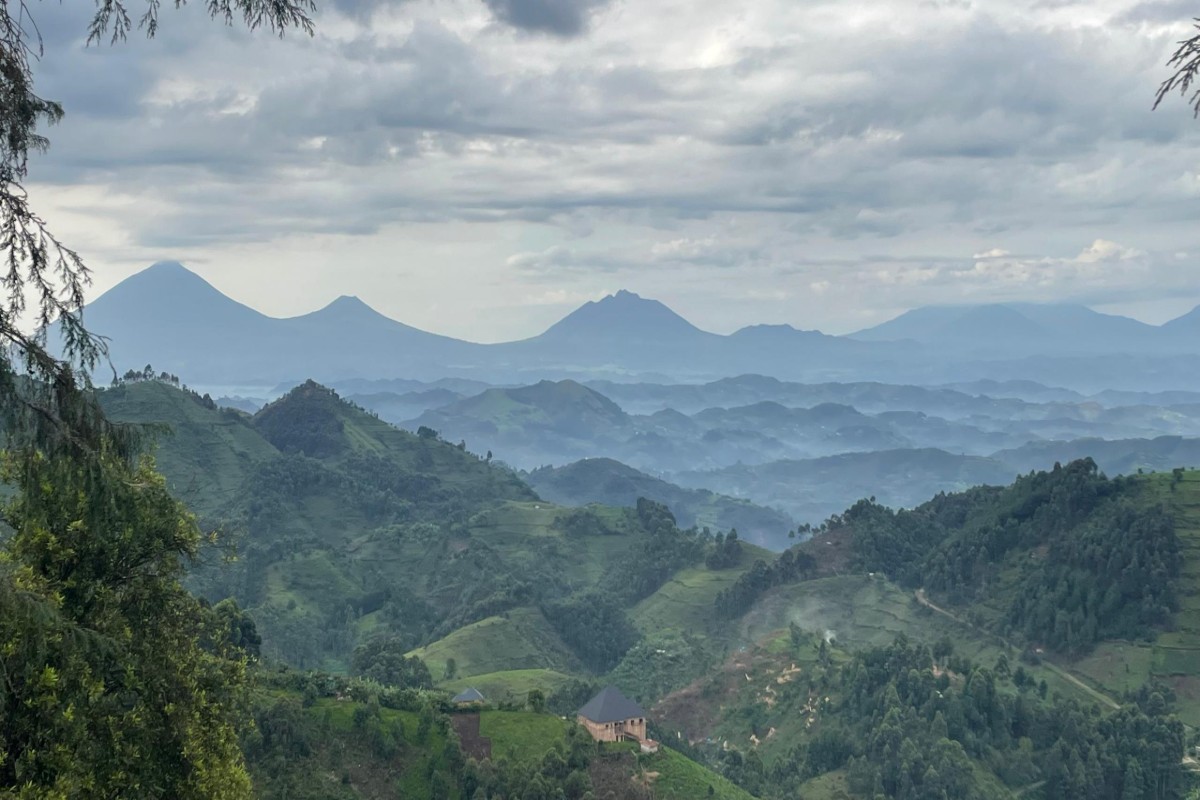
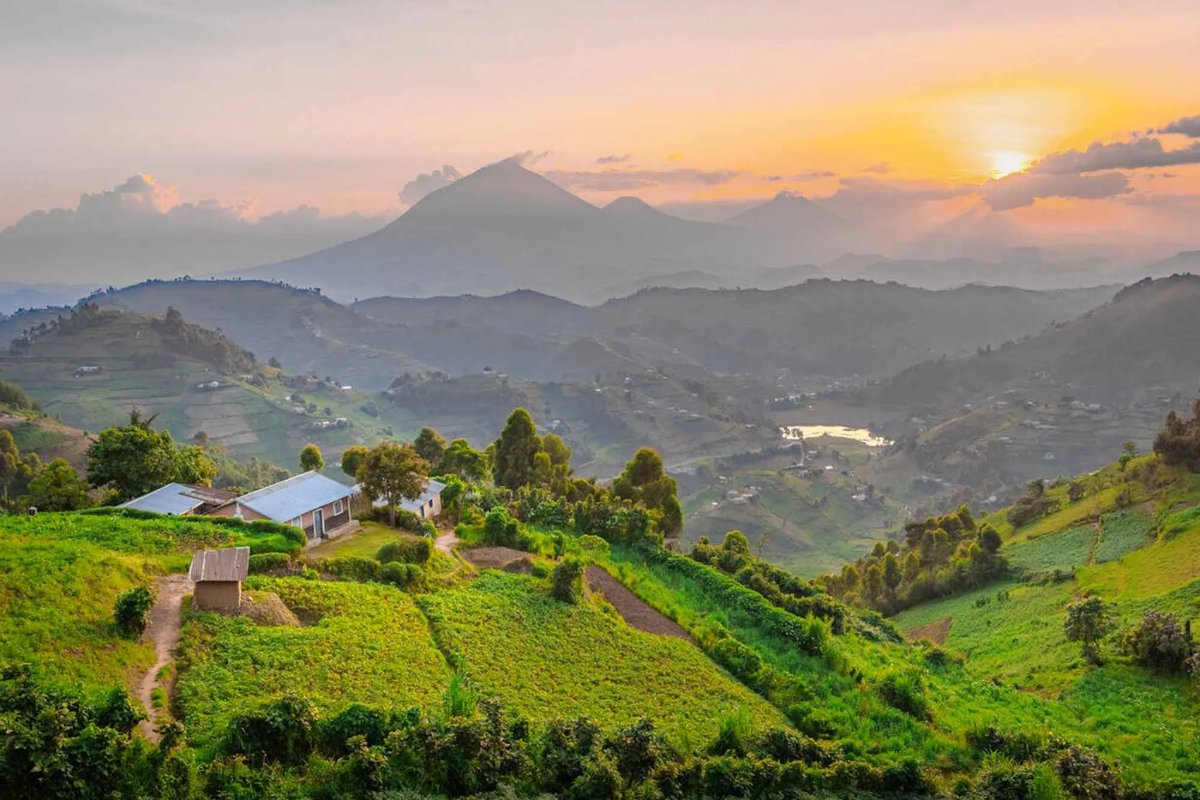
Uganda is one of Africa’s most rewarding travel destinations, offering an extraordinary combination of wildlife, tropical rainforests, dramatic mountains, beautiful lakes, vibrant cultures and unforgettable outdoor adventures. Known as the Pearl of Africa, Uganda is a country where travelers can trek through mist-covered forests to encounter endangered mountain gorillas, watch lions and elephants on a savannah safari, explore the source of the Nile and discover some of East Africa’s most spectacular landscapes.
Located in East Africa along the Equator, Uganda offers an exceptional diversity of travel experiences within one country. From the mountain gorillas of Bwindi Impenetrable National Park to the powerful Murchison Falls, the tree-climbing lions of Queen Elizabeth National Park and the remote wilderness of Kidepo Valley National Park, every region offers something distinctive.
A Uganda safari can be tailored to suit different interests, whether you are planning a luxury wildlife holiday, an adventurous gorilla trekking expedition, a family vacation, a birdwatching trip or a cultural journey through traditional kingdoms and rural communities.
Uganda is also an excellent destination for travelers who want to combine several experiences in one itinerary. You can track chimpanzees in Kibale Forest, take a boat cruise along the Nile, hike in the Rwenzori Mountains, relax beside Lake Bunyonyi and finish your journey with a wildlife safari.
At Raptors Africa Safaris, we help travelers explore Uganda through tailor-made journeys that combine wildlife encounters, nature, culture, adventure and carefully selected accommodation.
If you are wondering why Uganda deserves a place on your travel bucket list, here are 20 compelling reasons to visit the Pearl of Africa.
1. Experience Mountain Gorilla Trekking in Bwindi Impenetrable National Park
Mountain gorilla trekking is one of the strongest reasons to visit Uganda. The country is home to a significant proportion of the world’s remaining mountain gorillas, with opportunities to encounter these endangered primates in Bwindi Impenetrable National Park and Mgahinga Gorilla National Park.
Bwindi, a UNESCO World Heritage Site, protects an ancient montane rainforest in southwestern Uganda. Its dense vegetation, steep hills and mist-covered valleys provide a natural habitat for mountain gorillas and numerous other species.
A typical gorilla trekking experience begins with a briefing from park authorities before visitors are assigned to a gorilla family and accompanied by authorised guides and trackers into the forest.
The trek may take several hours, depending on where the gorillas are located. Once the family is found, visitors can observe the animals feeding, resting, grooming and interacting within their social groups, subject to the applicable wildlife-viewing rules.
The experience is particularly memorable because mountain gorillas live in natural forest habitats rather than enclosed exhibits. Every trek is different, and sightings depend on the movements of the animals.
Bwindi also offers opportunities to learn about forest conservation and the relationship between protected areas and neighbouring communities.
For travelers seeking an exceptional wildlife encounter, Uganda gorilla trekking offers a compelling reason to visit the country.
Raptors Africa Safaris can help you plan a gorilla trekking safari, including suitable accommodation, ground transportation and permit arrangements, subject to availability.
2. Go Chimpanzee Trekking in Kibale Forest National Park
Uganda is an outstanding destination for travelers interested in primates, and chimpanzee trekking in Kibale Forest National Park is among its signature experiences.
Located in western Uganda, Kibale protects a rich tropical forest ecosystem that supports chimpanzees and several other primate species.
During a guided trek, visitors follow authorised guides through the forest in search of habituated chimpanzees. The experience provides opportunities to observe their movements, vocalisations, feeding behaviour and social interactions.
Chimpanzees are energetic and often move quickly through the forest canopy, making the experience both exciting and unpredictable.
Kibale is also home to red colobus monkeys, L’Hoest’s monkeys, grey-cheeked mangabeys and other primates. The surrounding landscape includes wetlands, crater lakes and rural scenery, adding further variety to a visit.
Travelers can choose standard chimpanzee trekking or, where available, a longer chimpanzee habituation experience that provides additional time with chimpanzees undergoing habituation.
Because forest trails may be muddy and uneven, suitable footwear and a reasonable level of fitness are recommended.
Combining Kibale with Queen Elizabeth National Park is an excellent way to experience both Uganda’s tropical forests and savannah wildlife.
3. Enjoy a Classic African Wildlife Safari in Uganda’s National Parks
Uganda offers traditional African wildlife safaris alongside its famous primate experiences. Its national parks protect a variety of ecosystems, from open savannah and woodland to wetlands and mountainous landscapes.
Travelers can enjoy guided game drives in search of elephants, lions, buffaloes, antelopes, giraffes and other wildlife.
Some of the country’s leading safari destinations include:
-
- Murchison Falls National Park: Known for its wildlife, Nile boat safaris and spectacular waterfall.
-
- Queen Elizabeth National Park: Famous for savannah game drives, tree-climbing lions in Ishasha and the Kazinga Channel.
-
- Kidepo Valley National Park: Offers remote wilderness, open plains and dramatic mountain scenery.
-
- Lake Mburo National Park: Provides opportunities to observe zebras, impalas, buffaloes and other savannah wildlife.
-
- Akagera National Park in neighbouring Rwanda: An option for travelers extending their East African journey across the border.
Each destination has a distinctive atmosphere and wildlife profile.
A well-planned Uganda wildlife safari can include morning and afternoon game drives, boat excursions, guided nature activities and comfortable lodge stays.
Wildlife sightings are never guaranteed, but combining different parks and habitats can increase the variety of experiences available during your trip.
4. Witness the Powerful Murchison Falls
Murchison Falls is one of Uganda’s most spectacular natural attractions and a major reason to visit the country.
Located within Murchison Falls National Park, the waterfall forms where the Victoria Nile forces its way through a narrow gorge before plunging into the river below.
The surrounding landscape combines riverine vegetation, open savannah, woodland and escarpments. This variety creates opportunities for wildlife viewing and photography.
One of the most popular activities is a boat cruise along the Nile towards the base of the falls. Along the riverbanks, visitors may encounter hippos, Nile crocodiles, elephants and numerous waterbirds.
A separate excursion to designated viewpoints provides a different perspective on the waterfall and its powerful flow.
The park also offers game drives in search of lions, giraffes, buffaloes, elephants and other wildlife.
Murchison Falls is particularly rewarding for travelers who want to combine dramatic scenery with a traditional African safari.
A visit can be included in a longer itinerary alongside Ziwa Rhino Sanctuary, Kibale Forest or other destinations in western Uganda, depending on the available time and preferred route.
5. Search for Tree-Climbing Lions in Queen Elizabeth National Park
Queen Elizabeth National Park is one of Uganda’s most diverse wildlife destinations, combining savannah plains, wetlands, crater lakes, forests and scenic waterways.
One of its most famous attractions is the population of lions in the Ishasha sector, where lions are sometimes seen resting in large fig trees.
This unusual behaviour has made Ishasha a favourite destination for wildlife photographers and travelers seeking something different from conventional game drives.
The park also offers excellent wildlife viewing opportunities in the Kasenyi Plains, where Uganda kob and other grazing animals attract predators.
Another major highlight is the Kazinga Channel, which connects Lake George and Lake Edward. A boat cruise along the channel provides opportunities to observe hippos, Nile crocodiles, elephants, buffaloes and waterbirds.
Visitors interested in primates can also arrange chimpanzee trekking in Kyambura Gorge, subject to permit availability and current arrangements.
Queen Elizabeth National Park is an excellent choice for travelers seeking a varied Uganda safari that combines wildlife, scenic landscapes, boat trips and forest experiences.
6. Discover the Remote Wilderness of Kidepo Valley National Park
For travelers seeking a quieter and more remote safari, Kidepo Valley National Park offers a distinctive wilderness experience in northeastern Uganda.
The park features expansive savannah plains, rugged mountains, seasonal rivers and dramatic horizons. Its relatively remote setting creates a different atmosphere from Uganda’s more frequently visited wildlife destinations.
Game drives may reveal elephants, buffaloes, giraffes, zebras, antelopes, lions and other wildlife, depending on the area and conditions.
The park is also known for its distinctive landscapes, with the Narus Valley providing important wildlife-viewing opportunities.
Beyond wildlife, the wider Karamoja region offers cultural experiences connected to communities with long-standing pastoral traditions. These visits should be arranged respectfully with appropriate local guidance.
Kidepo is especially appealing to experienced safari travelers, photographers and visitors who value open landscapes and a sense of wilderness.
Because the park is far from many of Uganda’s other major destinations, it is best suited to itineraries that allow sufficient time for transportation and exploration.
For travelers with enough days available, Kidepo provides a memorable alternative to the more conventional safari circuit.
7. Visit Ziwa Rhino Sanctuary and Complete the Big Five Experience
Uganda offers opportunities to see the traditional African Big Five: lions, leopards, elephants, buffaloes and rhinoceroses.
While four of these species can be encountered on suitable safaris in Uganda’s national parks, Ziwa Rhino Sanctuary provides an established destination for guided white rhino tracking on foot.
Located in central Uganda, Ziwa is a useful stop for travelers traveling between Kampala or Entebbe and Murchison Falls National Park, depending on the route and current visitor arrangements.
Accompanied by trained guides, visitors can learn about rhino behaviour, conservation and the work involved in protecting these endangered animals.
Rhino tracking differs from a conventional game drive because visitors explore on foot under the supervision of trained personnel and follow strict safety instructions.
Adding Ziwa Rhino Sanctuary to a suitable Uganda itinerary can help travelers pursue sightings of all five traditional Big Five species.
However, seeing all five requires careful planning and is never guaranteed. Current access, activities and booking arrangements should be confirmed before travel.
For wildlife enthusiasts, the sanctuary also provides an opportunity to understand the role of conservation initiatives in restoring and protecting Uganda’s wildlife.
8. Explore the Rwenzori Mountains, the Mountains of the Moon
The Rwenzori Mountains are among Africa’s most striking mountain landscapes. Located along the Uganda–Democratic Republic of the Congo border, the range is known for its dramatic peaks, high-altitude vegetation, glaciers and mist-covered valleys.
The mountains offer trekking opportunities for travelers with different levels of experience, from shorter guided walks to demanding multi-day expeditions.
The Rwenzori Mountains National Park protects a remarkable range of habitats, including montane forests, bamboo zones, giant lobelias and other distinctive alpine vegetation.
Longer expeditions can take trekkers through increasingly challenging terrain towards the higher peaks. Margherita Peak on Mount Stanley reaches approximately 5,109 metres, making it one of Africa’s highest summits.
These high-altitude climbs require appropriate equipment, preparation, experienced guides and enough time for acclimatisation.
Travelers who prefer less demanding activities can explore selected foothill routes and scenic areas around the mountain region.
The Rwenzoris are particularly appealing to adventure travelers, mountaineers and photographers looking for an experience beyond conventional wildlife safaris.
9. Experience the Source of the Nile in Jinja
Jinja is one of Uganda’s best-known adventure destinations, attracting travelers interested in the Nile, outdoor activities and riverside scenery.
Located near Lake Victoria, the town is closely associated with the source of the White Nile, which begins its long journey northwards from the lake.
Visitors can take boat excursions, enjoy riverside views and learn about the area’s geographical significance.
Jinja is also known for adventure activities on the Nile, including white-water rafting, kayaking and other guided experiences offered by specialist operators.
Depending on the activity and provider, travelers can choose experiences suited to different comfort levels and interests.
Beyond adventure sports, Jinja offers cafés, restaurants, markets and accommodation overlooking the river or nearby countryside.
A visit can provide an enjoyable contrast to the forest trekking and wildlife viewing found elsewhere in Uganda.
Jinja is particularly suitable for travelers who want to include a few days of adventure and relaxation before or after a wildlife safari.
10. Explore the Beautiful Lakes of Uganda
Uganda is blessed with numerous lakes, each offering different landscapes, activities and cultural experiences.
Lake Victoria, one of Africa’s Great Lakes, dominates the country’s southern landscape and provides opportunities for boat trips, fishing experiences and visits to lakeside communities.
Lake Bunyonyi in southwestern Uganda is known for its deep waters, terraced hills and scattered islands. It is a popular place to relax after gorilla trekking in Bwindi.
Lake Mburo offers a combination of lake scenery and savannah wildlife, while the crater lakes around Fort Portal provide attractive views and opportunities for scenic excursions.
Lake Mutanda, near Mgahinga Gorilla National Park, is another beautiful destination, with views of surrounding volcanic peaks.
Depending on local conditions and available services, travelers can enjoy:
-
- Boat trips and canoe excursions.
-
- Lakeside walks and photography.
-
- Birdwatching and nature observation.
-
- Cultural visits with local communities.
-
- Relaxation at lakeside lodges and guesthouses.
These lakes add variety to a Uganda itinerary, creating opportunities to slow down between more physically demanding activities.
11. Discover Uganda’s Exceptional Birdlife
Uganda is a rewarding destination for birdwatchers, with more than 1,000 recorded bird species across its varied habitats.
Its location at the intersection of several ecological regions contributes to the country’s rich bird diversity. Forests, wetlands, lakes, savannahs and mountains support different bird communities.
Some of the most rewarding birdwatching destinations include:
-
- Bwindi Impenetrable National Park: Known for forest birds and Albertine Rift endemics.
-
- Queen Elizabeth National Park: Offers opportunities to observe savannah, woodland and wetland species.
-
- Murchison Falls National Park: Combines riverine habitats, open savannah and woodland birding.
-
- Mabamba Bay Wetland: A well-known destination for searching for the elusive shoebill.
-
- Kibale Forest National Park: Supports forest birds alongside its celebrated primate population.
-
- Lake Mburo National Park: Provides opportunities for savannah and wetland birdwatching.
The shoebill is a major attraction for specialist birders, particularly around suitable wetland habitats such as Mabamba.
Dedicated birding safaris can include early departures, specialist guides and visits to habitats selected for particular target species.
For travelers who enjoy photography, nature and wildlife identification, Uganda offers the opportunity to combine birdwatching with gorilla trekking and traditional game drives.
12. Experience Uganda’s Rich Cultural Heritage
Uganda’s cultural diversity is another compelling reason to visit. The country is home to numerous ethnic communities, languages, traditions and historical institutions.
Cultural tourism can provide insight into traditional music, dance, food, craftsmanship, storytelling and community life.
Travelers can explore the heritage of the Buganda Kingdom around Kampala, visit the traditional royal sites of the Bunyoro and Toro kingdoms, or learn about the cultural traditions of communities in eastern and northeastern Uganda.
In Kampala, the Kasubi Tombs and other heritage sites provide insight into Buganda’s history and cultural institutions, subject to current access arrangements.
Around Fort Portal, visitors can learn about the Toro Kingdom and the traditions associated with western Uganda.
In the Karamoja region, appropriately organised cultural visits can introduce travelers to local pastoral livelihoods and community traditions.
The quality of a cultural experience often depends on how it is arranged. Choose knowledgeable local guides and community-approved activities that respect local customs and provide meaningful benefits to the people involved.
Combining cultural experiences with wildlife activities creates a more complete understanding of Uganda beyond its national parks.
13. Meet Uganda’s Welcoming Communities
Many visitors remember Uganda not only for its wildlife but also for the warmth of its people and the opportunities to experience everyday life.
Across the country, travelers can visit local markets, sample traditional foods, learn about farming practices and discover how communities interact with the surrounding environment.
Depending on the location and arrangements, visitors may participate in craft demonstrations, cooking experiences, guided village walks or community tourism activities.
In southwestern Uganda, cultural visits can introduce travelers to local food traditions and rural livelihoods. In eastern Uganda, the Mount Elgon region offers opportunities to learn about coffee farming and community life. In other regions, local guides can provide insights into traditions and landscapes unique to their communities.
Responsible community tourism should be based on consent, fair compensation and respect for local preferences.
Travelers should avoid treating communities as attractions to be photographed without permission. Instead, choose experiences that encourage genuine interaction and benefit local participants.
These encounters add a human dimension to a Uganda safari and help travelers understand the country beyond its natural scenery.
14. Discover Traditional Coffee Farming and Uganda’s Food Culture
Uganda has a long association with coffee production, and coffee experiences provide an engaging way to explore the country’s agricultural heritage.
Depending on the region and season, travelers can visit coffee farms, learn about cultivation and harvesting, observe processing methods and sample locally produced coffee.
The Mount Elgon region in eastern Uganda is particularly associated with Arabica coffee, while other areas grow different varieties suited to local conditions.
Coffee tours can be combined with scenic walks, village visits and cultural activities.
Uganda’s food culture also offers plenty to discover. Popular ingredients and dishes include matoke, beans, groundnut sauce, cassava, sweet potatoes, millet and fresh seasonal produce. Regional food traditions vary, providing opportunities to experience different flavours throughout a trip.
Markets and locally owned restaurants can be excellent places to learn about everyday cuisine.
For travelers interested in food, agriculture and local livelihoods, these experiences offer a different perspective on the Pearl of Africa.
15. Visit Sipi Falls and Explore Mount Elgon
Sipi Falls is one of eastern Uganda’s most attractive scenic destinations. Located on the slopes of Mount Elgon near Kapchorwa, the area is known for its waterfalls, green hills, coffee farms and panoramic views.
The Sipi Falls area comprises a series of waterfalls surrounded by dramatic countryside. Guided walks provide opportunities to explore trails, viewpoints and nearby communities.
Depending on available services, visitors may also enjoy coffee tours, photography excursions, nature walks and selected adventure activities.
Mount Elgon National Park offers further opportunities for hiking and exploring highland landscapes. Longer treks can take visitors through montane forests, moorland and distinctive vegetation zones.
The region is particularly appealing to travelers seeking scenic experiences away from Uganda’s main savannah safari destinations.
Sipi Falls can be included in an eastern Uganda itinerary or combined with a broader journey that explores Jinja and other destinations.
For photographers and outdoor enthusiasts, it provides an excellent opportunity to experience another side of Uganda’s natural beauty.
16. Explore the Equator and Uganda’s Scenic Countryside
Uganda’s position along the Equator provides a popular sightseeing opportunity for visitors traveling through the country.
The Equator crosses Uganda, and several roadside landmarks allow travelers to stop for photographs and learn about the geographical significance of the location.
One commonly visited Equator landmark is found along the Masaka–Mbarara road, while other locations may be included in particular itineraries.
An Equator stop is easy to combine with a road journey between destinations, depending on your route.
Beyond the landmark itself, Uganda’s countryside features rolling hills, plantations, rural settlements, wetlands and expansive views.
Road journeys can reveal changing landscapes and provide opportunities to stop at local markets, viewpoints and community attractions.
Travelers should allow realistic transfer times when planning these excursions, particularly when combining them with national park activities.
Although the Equator is a relatively short stop compared with gorilla trekking or a wildlife safari, it adds a memorable geographical element to a Uganda journey.
17. Enjoy a Wide Range of Outdoor Adventures
Uganda is an excellent destination for travelers who enjoy active holidays.
Its mountains, forests, rivers, lakes and rolling countryside provide opportunities for outdoor activities beyond traditional wildlife viewing.
Depending on the location and current availability, activities may include:
-
- White-water rafting and kayaking on the Nile.
-
- Guided hikes in the Rwenzori Mountains and Mount Elgon.
-
- Forest walks and primate trekking.
-
- Cycling in designated areas.
-
- Boat excursions on lakes and rivers.
-
- Nature walks and birdwatching.
-
- Selected adventure activities around Jinja and Sipi Falls.
The level of physical effort varies considerably. Some experiences are suitable for casual travelers, while multi-day mountain expeditions require preparation, suitable equipment and experienced guides.
When planning an adventure-focused itinerary, consider your fitness, preferred activity level, weather conditions and available time.
Raptors Africa Safaris can help combine suitable activities with wildlife and cultural experiences, creating a journey that reflects your interests rather than relying on a standard itinerary.
18. Experience Uganda’s Conservation and Community Tourism
Uganda’s protected areas are important for wildlife conservation, biodiversity and tourism-related livelihoods.
National parks and wildlife reserves help protect habitats for mountain gorillas, chimpanzees, elephants, lions, birds and numerous other species.
Tourism contributes to conservation through regulated park activities, permits, guiding services and other visitor spending. Community initiatives around protected areas can also provide employment and economic opportunities.
Visitors can support responsible tourism by choosing reputable operators, following park regulations and respecting wildlife.
During gorilla and chimpanzee trekking, it is important to comply with instructions on viewing distances and hygiene because human illnesses can pose risks to primates.
Travelers can also support local livelihoods by choosing locally guided experiences, buying crafts directly from artisans and staying at accommodation providers that demonstrate responsible practices.
A meaningful safari is not only about observing wildlife. It is also an opportunity to understand why protected landscapes matter and how responsible tourism can contribute to their long-term future.
19. Combine Uganda With Rwanda for a Wider East African Safari
Uganda and Rwanda make an excellent combination for travelers seeking a varied East African adventure.
Both countries offer mountain gorilla trekking, but they also have distinctive landscapes, wildlife destinations and cultural experiences.
Uganda offers a wide range of safari opportunities, including Bwindi gorilla trekking, Kibale chimpanzee tracking, Murchison Falls, Queen Elizabeth National Park, Kidepo Valley and the Rwenzori Mountains.
Rwanda offers its own mountain gorilla experience in Volcanoes National Park, savannah wildlife in Akagera, rainforest exploration in Nyungwe and scenic relaxation beside Lake Kivu.
A combined itinerary may include gorilla trekking in one country and additional wildlife experiences in the other. Travelers can also explore Kigali or Kampala, depending on their routes and interests.
However, cross-border travel requires careful planning. Road transfers, border formalities, visa eligibility, permit availability and accommodation arrangements must all be considered.
Some itineraries work best when travelers arrive in one country and depart from the other, while others may be more convenient as round trips.
Raptors Africa Safaris can help design a Uganda–Rwanda itinerary that balances travel time with wildlife viewing, trekking and relaxation.
20. Enjoy a Safari That Can Be Tailored to Different Budgets and Travel Styles
Another reason to visit Uganda is the flexibility to design a trip around different interests, comfort levels and budgets.
A safari does not need to include every national park to be rewarding. Travelers with limited time can focus on one or two destinations, while those planning a longer holiday can explore several regions.
Budget-conscious visitors may choose practical accommodation and shared activities where available. Mid-range travelers can combine comfortable lodges with private transfers and guided wildlife experiences. Luxury travelers can select high-end accommodation, specialist guides and carefully coordinated itineraries.
Your overall budget will depend on several factors:
-
- The number of travel days.
-
- Gorilla and chimpanzee trekking permits.
-
- Accommodation category.
-
- Private or shared transportation.
-
- Park entry fees and activity costs.
-
- Domestic flights, where appropriate.
-
- Meals, optional excursions and personal expenses.
Gorilla trekking permits can represent a significant portion of the total cost, so it is advisable to confirm current prices and availability before making other non-refundable bookings.
The best approach is to prioritise the experiences that matter most and build the rest of the itinerary around them.
With thoughtful planning, Uganda can offer a memorable travel experience for wildlife enthusiasts, couples, families, birdwatchers, photographers and adventure travelers.
Best Time to Visit Uganda
Uganda is a year-round destination, but seasonal conditions can influence wildlife viewing, trekking, road travel and outdoor activities.
Drier Periods: June to September and December to February
These periods are generally popular for wildlife safaris and primate trekking.
Some roads and forest trails may be easier to navigate, and conditions can be more comfortable for outdoor activities. However, rain is possible throughout the year, particularly in mountainous and forested areas.
These months can also be busy, so booking permits and preferred accommodation in advance is advisable.
Wetter Periods: March to May and October to November
Rain is generally more frequent during these periods, although regional conditions vary.
The countryside can be especially green, making these months appealing for photography and birdwatching. Some accommodation providers may offer seasonal rates, although this depends on the destination and travel dates.
Forest trails can become muddy, and heavy rain may affect road conditions or travel schedules.
When Should You Visit?
The best time depends on your priorities:
-
- Gorilla trekking: Consider the relatively drier months if you prefer potentially easier trail conditions, while preparing for rain in any season.
-
- Wildlife safaris: Dry periods are often popular, but wildlife viewing remains possible throughout the year.
-
- Birdwatching: Uganda offers excellent opportunities year-round, with seasonal changes in species and bird activity.
-
- Photography: Both green and dry landscapes have advantages, depending on your preferred scenery.
-
- Mountain trekking: Check seasonal conditions, route requirements and the guidance of experienced trekking operators.
For the most suitable itinerary, choose your dates according to your activities, budget and preferred travel pace.
How Many Days Do You Need to Visit Uganda?
The amount of time you need depends on your interests and the number of destinations you wish to explore.
-
- Three to four days: Suitable for a focused gorilla trekking trip or a short safari centred on a limited number of experiences.
-
- Five to seven days: Allows a combination of gorilla trekking, chimpanzee tracking and a savannah wildlife safari, depending on the route.
-
- Eight to ten days: Provides more flexibility to include several national parks, boat cruises, cultural activities and scenic destinations.
-
- Eleven to fourteen days: Ideal for travelers seeking a more comprehensive Uganda safari, potentially including Murchison Falls, Kibale, Queen Elizabeth, Bwindi and Lake Bunyonyi.
-
- Fifteen days or more: Allows a slower journey with additional time for Kidepo Valley, the Rwenzori Mountains, eastern Uganda or selected cross-border experiences.
These are general planning guidelines. Driving times, permit availability, weather and activity schedules will influence the final itinerary.
Rather than visiting too many destinations in a short period, choose a route that allows enough time to enjoy each experience.
Suggested Uganda Safari Itineraries
Here are three examples of how to combine Uganda’s main attractions.
Three-Day Uganda Gorilla Trekking Safari
Day 1: Transfer to Bwindi
Travel from your arrival point towards Bwindi Impenetrable National Park, allowing sufficient time for the road journey. Check in at your lodge and prepare for the following day’s trek.
Day 2: Mountain Gorilla Trekking
Attend the official briefing and join your assigned trekking group with authorised guides and trackers. Spend the permitted viewing time observing a mountain gorilla family before returning to your accommodation.
Day 3: Return Journey
Enjoy breakfast before beginning your return journey or continuing to another destination, depending on your itinerary.
This option is suitable for travelers focused primarily on gorilla trekking. Depending on arrival and departure logistics, a longer trip may be more comfortable.
Five-Day Uganda Wildlife and Primate Safari
Day 1: Arrival and Transfer to Kibale
Arrive in Uganda and travel towards Kibale Forest National Park, subject to your arrival time and transport arrangements.
Day 2: Chimpanzee Trekking
Explore the forest with authorised guides in search of habituated chimpanzees. Spend the afternoon relaxing or enjoying an available activity in the area.
Day 3: Queen Elizabeth National Park
Travel towards Queen Elizabeth National Park and enjoy a game drive if time and conditions permit.
Day 4: Wildlife Safari and Kazinga Channel Cruise
Enjoy a game drive followed by a boat cruise along the Kazinga Channel, subject to the activity schedule.
Day 5: Continue Your Journey
Travel towards your next destination or return to your departure point, allowing sufficient time for the road journey.
This itinerary combines primate experiences with savannah wildlife and a boat safari. Adding more days would allow you to include Bwindi or explore the park more thoroughly.
Seven-Day Uganda Gorilla and Wildlife Safari
Day 1: Arrive in Uganda and transfer to your accommodation.
Day 2: Travel to Murchison Falls National Park, with a possible stop at Ziwa Rhino Sanctuary if suitable for your route and schedule.
Day 3: Enjoy a game drive and a boat cruise on the Nile, with time for a visit to a designated viewpoint at Murchison Falls where practical.
Day 4: Travel towards Kibale Forest National Park, allowing sufficient time for the transfer.
Day 5: Enjoy chimpanzee trekking and continue towards Queen Elizabeth National Park, subject to logistics.
Day 6: Explore Queen Elizabeth National Park with a game drive and Kazinga Channel boat cruise.
Day 7: Continue towards Bwindi or return towards your departure point, depending on the itinerary.
This sample demonstrates the variety Uganda offers, but a full combination of Murchison Falls, Kibale, Queen Elizabeth and Bwindi generally benefits from additional days. A more realistic schedule may be eight to ten days or longer, depending on transport arrangements and whether gorilla trekking is included.
Raptors Africa Safaris can adjust the route to avoid rushed transfers and make the most of your available time.
What to Pack for a Uganda Safari
Your packing list should reflect the activities you intend to enjoy.
Recommended essentials include:
-
- Lightweight, neutral-coloured clothing for game drives.
-
- Long trousers and long-sleeved shirts for forest activities.
-
- Waterproof hiking boots or sturdy walking shoes.
-
- A lightweight rain jacket or poncho.
-
- Warm layers for cool mornings and mountain destinations.
-
- A hat, sunglasses and sunscreen.
-
- Insect repellent.
-
- Binoculars for wildlife viewing and birdwatching.
-
- A camera, spare batteries and charging equipment.
-
- A reusable water bottle.
-
- A small daypack for excursions.
-
- Personal medication and essential toiletries.
-
- Waterproof protection for electronics and important documents.
For gorilla and chimpanzee trekking, wear suitable clothing and footwear for steep, muddy forest trails. Trekking conditions can be physically demanding, so follow your operator’s preparation advice.
If your trip includes mountain hiking, specialist equipment may be required depending on the route and elevation.
Responsible Tourism in Uganda
Uganda’s wildlife, forests, mountains and lakes are important natural assets that require careful protection.
Travelers can support responsible tourism by following park regulations, respecting wildlife, avoiding littering and choosing appropriate local service providers.
During gorilla and chimpanzee trekking, follow all instructions concerning viewing distances, hygiene and permitted behaviour. These precautions help protect both visitors and vulnerable primate populations.
Choose cultural experiences that respect community preferences and provide fair benefits to local participants. Buying crafts directly from artisans and using knowledgeable local guides can help support local livelihoods.
Responsible tourism also means understanding that wildlife sightings are never guaranteed and that animals should not be disturbed to obtain photographs.
By traveling thoughtfully, visitors can enjoy Uganda’s extraordinary attractions while contributing to the long-term protection of its natural and cultural heritage.
Frequently Asked Questions About Visiting Uganda
Why should I visit Uganda?
Uganda offers an exceptional combination of mountain gorilla trekking, chimpanzee tracking, traditional African safaris, scenic lakes, mountains, waterfalls, birdwatching and cultural experiences. Its variety makes it suitable for travelers with different interests and travel styles.
What is Uganda most famous for?
Uganda is especially famous for mountain gorilla trekking in Bwindi Impenetrable National Park and Mgahinga Gorilla National Park. It is also known for Murchison Falls, Queen Elizabeth National Park, the source of the Nile, chimpanzee trekking and its rich birdlife.
Is Uganda worth visiting for a safari?
Yes. Uganda offers traditional wildlife safaris as well as primate experiences. Travelers can search for lions, elephants, buffaloes, leopards and other mammals while also exploring rainforests and wetlands.
Can I see the Big Five in Uganda?
Yes, a Big Five itinerary is possible by combining suitable wildlife-viewing areas with rhino tracking at Ziwa Rhino Sanctuary. Lions, leopards, elephants and buffaloes occur in Uganda’s national parks, while Ziwa provides an established destination for guided rhino tracking. Sightings of all five species are not guaranteed.
How many days are enough for a Uganda safari?
Five to seven days can provide a rewarding introduction to selected destinations. Eight to fourteen days allows more flexibility to combine gorilla trekking, chimpanzee tracking, wildlife safaris and scenic excursions.
What is the best time to visit Uganda?
The relatively drier periods, generally June to September and December to February, are popular for wildlife viewing and trekking. Uganda can be visited year-round, although rainfall affects conditions differently across regions.
Is Uganda suitable for a family safari?
Yes. Uganda offers wildlife viewing, boat cruises, cultural activities, scenic destinations and selected outdoor adventures. However, minimum age requirements and activity restrictions apply to certain experiences, including gorilla trekking and chimpanzee tracking. Check the requirements for each planned activity before booking.
Is Uganda expensive to visit?
The total cost depends on accommodation, transport, permit fees, park activities, meals and the length of the trip. Travelers can choose from different accommodation categories and itinerary styles, although gorilla trekking permits can be a substantial expense.
Can I combine Uganda with Rwanda?
Yes. Uganda and Rwanda can be combined into a broader East African itinerary featuring gorilla trekking, chimpanzee tracking, savannah wildlife, scenic landscapes and cultural experiences. Cross-border transport, entry requirements and permit arrangements should be confirmed before travel.
What is the most beautiful place to visit in Uganda?
The answer depends on your interests. Bwindi is renowned for its rainforest scenery, Murchison Falls for its powerful waterfall, Queen Elizabeth National Park for its diverse landscapes and wildlife, Lake Bunyonyi for its peaceful scenery, and the Rwenzori Mountains for dramatic alpine landscapes.
Is Uganda good for birdwatching?
Yes. Uganda has more than 1,000 recorded bird species across its forests, wetlands, mountains and savannahs. Destinations such as Bwindi, Kibale, Queen Elizabeth National Park, Murchison Falls and Mabamba Bay offer different birdwatching opportunities.
Can I visit Uganda on a budget?
Yes. A budget-conscious itinerary can focus on fewer destinations, practical accommodation and activities that fit your spending limits. Permit fees, transport and the distance between national parks should be considered when preparing a realistic budget.
Plan Your Uganda Safari With Raptors Africa Safaris
Uganda brings together many of Africa’s most rewarding travel experiences in one remarkable destination. From meeting mountain gorillas in Bwindi and tracking chimpanzees in Kibale to watching wildlife in Queen Elizabeth National Park, witnessing the power of Murchison Falls and exploring the source of the Nile, the country offers unforgettable adventures for nature lovers and wildlife enthusiasts.
Its appeal extends beyond national parks. Scenic lakes, traditional cultures, vibrant communities, mountain landscapes and opportunities for responsible tourism make Uganda an excellent destination for travelers seeking a meaningful African journey.
Whether you are planning a short gorilla trekking holiday, a Big Five safari, a birdwatching adventure, a family vacation or an extended Uganda–Rwanda itinerary, Raptors Africa Safaris can help you create a trip suited to your interests, travel dates and budget.
Our team can assist with itinerary planning, accommodation selection, ground transportation, wildlife activities and permit arrangements, subject to availability.
Ready to explore the Pearl of Africa?
Contact Raptors Africa Safaris with your intended travel dates, number of travelers, preferred destinations, accommodation category and estimated budget. Let us help you plan a memorable Uganda safari filled with wildlife, adventure, culture and extraordinary scenery.