+256-702 595 926 | info@bookgorillatracking.com

Best Time to Visit Rwanda: Weather, Gorillas & Safaris

What Is the Best Time to Visit Rwanda? A Complete Travel Guide
Rwanda is a beautiful East African destination known for mountain gorilla trekking, lush rainforests, scenic lakes, rolling green hills, and unforgettable wildlife experiences. Whether you want to see mountain gorillas in Volcanoes National Park, track chimpanzees in Nyungwe Forest, enjoy a safari in Akagera National Park, or explore Kigali, choosing the right time to visit can help you get more from your trip.
The best time to visit Rwanda is generally June to September and December to February, when conditions are often drier and more favorable for outdoor activities. However, Rwanda is a year-round destination, and the best travel period depends on your interests, budget, and preferred experiences.
At Raptors Africa safaris Ltd, we help travelers plan Rwanda gorilla trekking adventures and combined Uganda–Rwanda safaris, including gorilla permits, accommodation, transportation, and customized itineraries.
What Is the Best Month to Visit Rwanda?
For travelers planning their first Rwanda safari, June, July, August, and September are popular months because they fall within the country’s longer dry season. December, January, and February are also good options for visitors who prefer relatively drier conditions.
The dry periods generally make hiking trails easier to navigate and can improve the comfort of gorilla trekking, chimpanzee tracking, and other outdoor activities. Nevertheless, rain can occur throughout the year, especially in Rwanda’s mountainous rainforest regions.
The wetter months, particularly March to May and October to November, offer greener landscapes and can appeal to travelers seeking photography opportunities or more flexibility with travel dates.
Rwanda’s Weather and Travel Seasons
Rwanda has a tropical highland climate influenced by its elevation and varied landscape. Temperatures differ between lowland areas, Kigali, and the cooler mountains, while rainfall patterns vary across the country.
The year is generally divided into two drier periods and two wetter periods.
| Season | Months | What travelers can expect |
|---|---|---|
| Longer dry season | June–September | Generally drier trails, popular gorilla trekking and safari conditions |
| Shorter dry season | December–February | Favorable conditions for many outdoor activities |
| Longer rainy season | March–May | Lush vegetation, wet trails, and potentially challenging hikes |
| Shorter rainy season | October–November | Green scenery, showers, and opportunities for photography and birdwatching |
These are general seasonal patterns rather than fixed weather guarantees. Local conditions can change, so check forecasts before traveling.
Best Time to Visit Rwanda for Gorilla Trekking
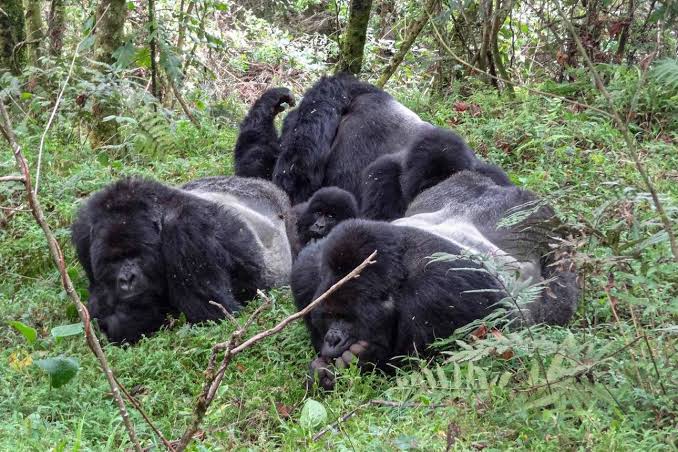
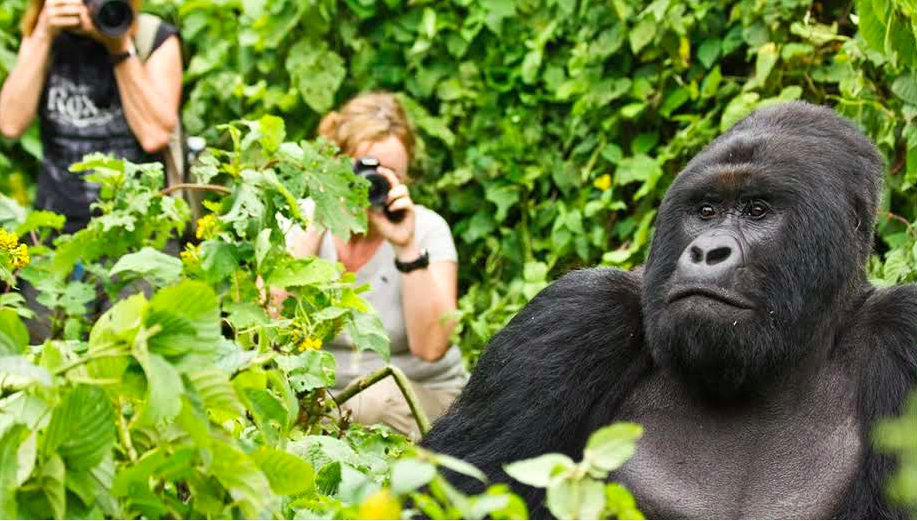
Mountain gorilla trekking is one of Rwanda’s leading tourism experiences. The activity takes place in Volcanoes National Park in the northwestern part of the country, where visitors join authorized guides and trackers to locate habituated mountain gorilla groups.
June to September: The Main Dry Season
June to September is generally considered the most favorable period for gorilla trekking in Rwanda because rainfall is often lower and trails may be firmer.
Reasons to consider visiting during these months include:
- Hiking conditions are often more comfortable.
- Muddy slopes may be less challenging than during wetter periods.
- It is convenient to combine gorilla trekking with other outdoor activities.
- Travelers can plan additional visits to Rwanda’s national parks and cultural attractions.
July and August are popular travel months, so gorilla permits and accommodation should be arranged well in advance.
December to February: Another Favorable Period
The shorter dry season is another good time to plan a Rwanda gorilla safari. These months can provide suitable conditions for trekking in Volcanoes National Park and combining gorilla tracking with other destinations.
December can be particularly busy around the festive season. If your travel dates are fixed, confirm permit availability before finalizing your flights and accommodation.
Can You See Gorillas During the Rainy Season?
Yes. Gorilla trekking is available throughout the year, subject to park operations and permit availability.
During wetter months, trails may become muddy and slippery, making the trek more physically demanding. However, the forest is lush, and visitors who are prepared for rain can still enjoy a memorable encounter.
The weather does not guarantee a particular gorilla sighting or trek duration. Mountain gorillas move freely through their habitat, and the time required to reach a group varies.
For travelers planning a gorilla trekking trip, the best approach is to select suitable dates, secure a permit, and prepare for changing mountain weather.
Best Time to Visit Rwanda for Wildlife Safaris
Rwanda offers more than gorilla trekking. Visitors can explore Akagera National Park, the country’s main savannah wildlife destination, where guided game drives provide opportunities to look for elephants, giraffes, zebras, antelopes, and other wildlife.
June to September
The drier season can be suitable for game drives because vegetation is often less dense, and animals may concentrate around available water sources. These conditions can make wildlife easier to observe in some areas.
December to February
The shorter dry season is another option for travelers planning game drives and outdoor activities. It is also a useful period for combining several destinations in a single itinerary.
Wildlife sightings are never guaranteed, and conditions vary according to rainfall, habitat, and animal movements.
Best Time to Visit Nyungwe Forest National Park
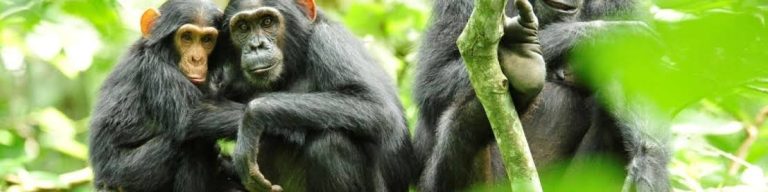
Nyungwe Forest National Park is one of Rwanda’s most important rainforest destinations. It is known for chimpanzee tracking, other primates, forest birds, and guided nature experiences, including the canopy walkway.
The drier months can be more comfortable for forest hiking, as paths may be less slippery. However, Nyungwe is a rainforest, so rainfall is possible throughout the year.
Travelers interested in birdwatching and lush forest photography may also enjoy wetter periods. Before visiting, confirm the availability of your preferred activities and prepare for changing conditions.
Best Time to Visit Rwanda for Golden Monkey Tracking
Golden monkey tracking takes place in Volcanoes National Park, the same broad mountain region that is famous for gorilla trekking.
June to September and December to February are often suitable periods because hiking conditions may be less muddy. During wetter months, the vegetation is lush, but the trails can be slippery.
If you want to experience both gorilla trekking and golden monkey tracking, consider allowing extra nights in the Volcanoes National Park area. This gives you more time for separate guided activities and reduces the need to rush between excursions.
Best Time to Visit Rwanda for Photography
Rwanda is attractive to photographers throughout the year, but different seasons create different visual experiences.
Dry Season Photography
June to September and December to February can offer relatively favorable conditions for landscape photography and outdoor excursions. Clearer conditions may provide better views of mountains and countryside, although mist and cloud are still possible.
Rainy Season Photography
March to May and October to November can produce vibrant green scenery, misty mountain landscapes, dramatic skies, and beautiful forest light.
Photographers should protect their cameras against rain and humidity, particularly when visiting Volcanoes National Park or Nyungwe Forest.
Best Time to Visit Rwanda on a Budget
Travel costs depend on the season, accommodation category, transportation, permits, and the activities included in your itinerary.
The main dry seasons are popular, and demand can be high for lodges and gorilla permits. Travelers who have flexible dates may wish to compare prices during wetter months.
Potential advantages of traveling during the rainy season include:
- Possible accommodation promotions during quieter periods.
- Green landscapes and scenic photography.
- More flexibility when choosing some travel dates.
- Opportunities to enjoy Rwanda outside its busiest holiday periods.
These benefits are not guaranteed. Gorilla permit prices are governed by the applicable official rules, and any promotional or low-season rate should be verified before booking.
Best Time to Visit Kigali, Rwanda
Kigali can be visited throughout the year. The city offers cultural attractions, restaurants, markets, museums, and opportunities to learn about Rwanda’s history.
Because Kigali lies at a relatively high elevation, temperatures are generally moderate compared with many lowland tropical destinations.
The drier months can be convenient for walking tours and outdoor sightseeing. During wetter periods, showers may affect travel between attractions, but visitors can still explore the city by planning around the weather.
Many travelers spend a night in Kigali before heading to Volcanoes National Park or continuing to other parts of Rwanda.
Month-by-Month Guide to Visiting Rwanda
January
January is part of the shorter dry period in many parts of Rwanda. It can be a suitable month for gorilla trekking, game drives, and sightseeing.
February
February is often favorable for outdoor activities before the longer rainy period develops. It is worth considering for gorilla trekking and multi-destination itineraries.
March
Rainfall generally increases during March. Forest trails may become wetter, but landscapes are green and appealing to nature photographers.
April
April is commonly one of Rwanda’s wetter months. Travelers should prepare for muddy trails and allow flexibility for outdoor activities.
May
Rain can continue into May, although conditions often begin to improve later in the month. It can suit travelers who are comfortable with wet weather and want to explore greener landscapes.
June
June marks the beginning of the main dry season and is a popular month for gorilla trekking and wildlife safaris.
July
July is part of the main dry season. Demand for permits and accommodation can be high, so early planning is important.
August
August is another popular month for gorilla trekking and outdoor exploration. Mountain weather can still change quickly.
September
September is often a favorable month for gorilla trekking and wildlife experiences, although rainfall patterns can begin to shift toward the end of the month.
October
October generally brings an increase in rainfall in many parts of Rwanda. The landscapes can be lush, and birdwatchers may enjoy the changing seasonal conditions.
November
November often remains wet in some areas. Travelers should bring suitable rain gear and be prepared for slippery trails.
December
December can offer improving weather as the shorter dry period develops. It is a popular time for holiday travel, so book permits and accommodation early.
What to Pack for Rwanda
Your packing list depends on your itinerary, but travelers planning gorilla trekking or rainforest hikes should prepare for wet and cool conditions.
Recommended items include:
- Comfortable walking shoes for city sightseeing.
- Sturdy waterproof hiking boots for gorilla trekking.
- A waterproof jacket or rain poncho.
- Long trousers and long-sleeved clothing.
- Warm layers for cool mountain mornings.
- A small daypack and rain cover.
- Insect repellent and sunscreen.
- Drinking water and any necessary personal medication.
- A camera or binoculars, with protection against rain.
For gorilla trekking, follow the guidance provided by park staff and your tour operator. Appropriate clothing and equipment help make the trek more comfortable, regardless of the season.
Can You Combine Rwanda and Uganda in One Safari?
Yes. Many travelers combine Rwanda and Uganda to experience different landscapes, wildlife destinations, and gorilla trekking options.
A multi-country itinerary may include:
- Gorilla trekking in Rwanda’s Volcanoes National Park.
- Gorilla trekking in Uganda’s Bwindi Impenetrable National Park or Mgahinga Gorilla National Park.
- Golden monkey tracking in the Virunga region.
- Wildlife viewing in Akagera National Park or Uganda’s savannah parks.
- Scenic visits to Lake Bunyonyi or other destinations in southwestern Uganda.
When planning a combined safari, check permit availability for each country, allow sufficient time for road transfers, and confirm border-crossing and visa requirements for your nationality.
Sample 5-Day Rwanda Safari Itinerary
Day 1: Arrive in Kigali
Arrive at Kigali International Airport and transfer to your accommodation. Depending on your arrival time, explore selected city attractions or relax before continuing to the countryside.
Day 2: Transfer to Volcanoes National Park
Travel toward the Musanze area in northern Rwanda. Enjoy the scenery along the way and prepare for your scheduled gorilla trekking excursion.
Day 3: Gorilla Trekking in Volcanoes National Park
Attend the morning briefing and join your guided trek. Once the assigned gorilla group is located, observe the animals according to the park’s rules. Return to your lodge after the trek.
Day 4: Golden Monkey Tracking or Cultural Activities
Choose golden monkey tracking, a guided nature experience, or an appropriate cultural activity, subject to availability and your interests.
Day 5: Return to Kigali
Travel back to Kigali for your departure or continue your journey to another destination.
This itinerary is a starting point and can be adjusted according to permit availability, flight times, budget, and the activities you prefer.
Plan Your Rwanda Safari with Book Gorilla Tracking
Rwanda is a year-round destination for travelers seeking mountain gorillas, forest primates, wildlife safaris, and beautiful highland scenery.
For generally drier conditions, consider June to September or December to February. If you prefer green landscapes and have flexible dates, the wetter months may also be rewarding, provided you are prepared for rain and more challenging trails.
At Raptors Africa safaris Ltd,we help travelers plan gorilla trekking and wildlife safaris in Rwanda and Uganda, with support for permits, accommodation, transportation, and customized itineraries.
Contact our team to plan your Rwanda safari around your preferred travel dates, activities, and budget.
Frequently Asked Questions About the Best Time to Visit Rwanda
1. What is the best time to visit Rwanda?
June to September and December to February are generally favorable because they tend to be drier. These periods are particularly popular for gorilla trekking, wildlife safaris, and outdoor activities.
2. What is the cheapest time to visit Rwanda?
Travelers may find accommodation promotions or other offers during wetter months, especially March to May and October to November. Prices vary, so compare the complete cost of your trip before booking.
3. Can I visit Rwanda during the rainy season?
Yes. Rwanda’s national parks and cities can be visited throughout the year. Rain can make hiking more difficult, so bring waterproof clothing and allow flexibility in your schedule.
4. What is the best month for gorilla trekking in Rwanda?
June, July, August, and September are popular months for gorilla trekking because conditions are generally drier. January and February are also good options.
5. Is December a good time to visit Rwanda?
Yes. December can be a favorable month for gorilla trekking and sightseeing as the shorter dry period develops. Demand can be high during the festive season.
6. How many days do I need to visit Rwanda?
A short trip of three to five days can cover Kigali and a gorilla trekking experience, while a longer trip allows time for additional destinations such as Nyungwe Forest or Akagera National Park.
7. Is Rwanda good for a safari all year?
Yes. Rwanda offers wildlife, primate, cultural, and scenic experiences throughout the year. The most suitable season depends on the activities you want to enjoy and your tolerance for rain.
8. Can I combine a Rwanda safari with Uganda gorilla trekking?
Yes. A combined itinerary can include Rwanda’s Volcanoes National Park and Uganda’s Bwindi or Mgahinga. Plan permits, transport, border formalities, and accommodation carefully.