Call: +256 702 595 926 | Email: info@bookgorillatracking.com

Kabwoya Wildlife Reserve, Uganda: Safari Guide


Kabwoya Wildlife Reserve, Uganda: Complete Safari, Wildlife and Travel Guide
Introduction: Discover Kabwoya Wildlife Reserve in Uganda
Kabwoya Wildlife Reserve is one of western Uganda’s lesser-known wildlife destinations, offering travellers an opportunity to explore open savannah, riverine forest and spectacular views across Lake Albert. Located in the Albertine Rift landscape, the reserve provides a quieter alternative to Uganda’s more frequently visited safari parks.
For travellers seeking an experience beyond the traditional game-drive circuit, Kabwoya offers opportunities for wildlife viewing, birdwatching, guided nature walks and exploring the natural landscapes surrounding Lake Albert. Its relatively small size and varied habitats make it an interesting stop for photographers, bird enthusiasts, nature lovers and adventurous travellers.
The reserve is home to wildlife including Uganda kob, oribi, bushbuck, warthogs, bush duikers and colobus monkeys. Buffaloes, hippopotamuses and other mammals also occur in the wider reserve landscape, although sightings vary. The Hohwa River and its associated riverine forest provide important habitat for chimpanzees, but their presence should not be confused with the availability of a formal chimpanzee-tracking experience.
At Raptors Africa Safaris, we recommend Kabwoya to travellers interested in discovering a different side of Uganda. It can be incorporated into a wider itinerary connecting Lake Albert, Murchison Falls National Park, Fort Portal and other western Uganda destinations.
Where Is Kabwoya Wildlife Reserve Located?
Kabwoya Wildlife Reserve is situated in western Uganda, along the eastern shore of Lake Albert in the Albertine Rift Valley. The reserve lies in the Hoima area, within the wider landscape of the lake, escarpment, savannah and riverine forest.
According to the Uganda Wildlife Authority, the reserve covers approximately 87 square kilometres and is about 82 kilometres by road from Hoima town. Actual journey times depend on the route, road conditions and starting point.
The reserve is characterised by three main landscape features:
- Lake Albert: The western boundary provides lakeshore scenery and views across the water towards the Democratic Republic of the Congo.
- The Albertine Rift escarpment: The elevated landscape creates impressive viewpoints and helps define the reserve’s eastern side.
- The Hohwa River: Riverine forest along the river supports wildlife and adds habitat diversity to the surrounding savannah.
Kabwoya is also part of the wider Kabwoya-Kaiso wildlife landscape, which includes the neighbouring Kaiso-Tonya Community Wildlife Area.
Its location makes it a potential addition to western Uganda safari routes, particularly for travellers who want to break up a long road journey while exploring a less-visited wildlife destination.
What Makes Kabwoya Wildlife Reserve Special?
1. A Quiet Safari Away from Crowded Wildlife Destinations
One of Kabwoya’s greatest attractions is its relatively low visitor profile. Travellers who prefer quiet surroundings and a more intimate connection with nature may appreciate the reserve’s open landscapes and smaller-scale safari atmosphere.
Unlike larger parks where visitors often plan their days around major wildlife concentrations, Kabwoya is better approached as a relaxed nature destination. Wildlife sightings can be rewarding, but animals are not always easy to find, and the reserve does not offer the same density of big game associated with some of Uganda’s larger national parks.
A visit can focus on observing antelopes, searching for birds, enjoying the landscape and learning about conservation in the Albertine Rift.
2. Scenic Views of Lake Albert
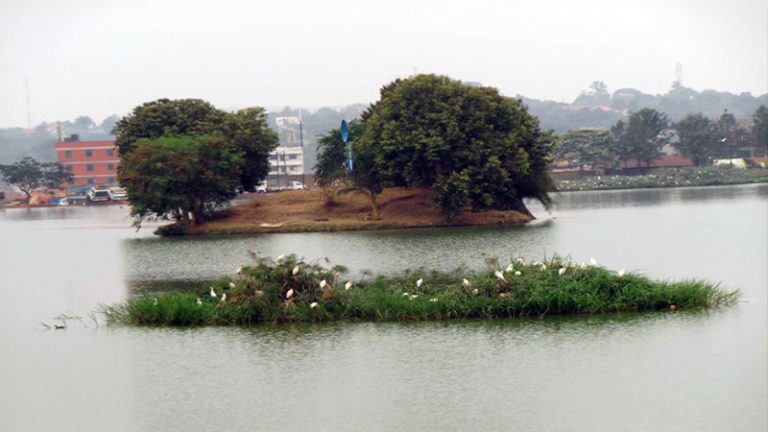
Lake Albert is one of the defining features of Kabwoya Wildlife Reserve. The lake and surrounding escarpment create a striking backdrop for photography, nature walks and quiet moments in the wilderness.
Depending on the location and weather, visitors may enjoy expansive views across the water towards the mountains and landscapes of the Democratic Republic of the Congo.
Sunrise and sunset can offer beautiful lighting for landscape photography. The lake also provides a setting for understanding the connection between wildlife conservation, fishing communities and natural resources.
3. Savannah Wildlife Viewing
Kabwoya’s grasslands and thickets support a range of wildlife adapted to open and semi-open habitats.
Animals recorded in the reserve include:
- Uganda kob
- Oribi
- Bushbuck
- Bush duiker
- Warthog
- Bushpig
- Colobus monkeys
- Buffaloes in small numbers
- Hippopotamuses in the wider lake and river environment
Leopards and hyenas are also recorded in the reserve’s wildlife community, although encounters with these elusive predators are not guaranteed.
Game drives and guided walks provide different ways to explore the landscape. The best experience comes from allowing time to observe animal behaviour, tracks, birds and the smaller details of the ecosystem.
4. Birdwatching in Diverse Habitats
Kabwoya is an appealing destination for birdwatchers because its habitats include grassland, dry thicket, riverine forest and lakeshore environments.
These different settings support different bird communities, allowing visitors to look for savannah birds, woodland species and birds associated with water.
Birdwatchers may look for species such as African fish eagles, herons, egrets, kingfishers and other birds appropriate to the habitats being explored. Exact sightings depend on season, weather and location.
Travellers with specialist birding interests should arrange their visit with a knowledgeable guide and confirm the target species and expected habitats before travelling.
5. Riverine Forest and Chimpanzee Habitat
The Hohwa River is an important ecological feature of Kabwoya Wildlife Reserve. Its riverine forest provides habitat for chimpanzees and other wildlife.
This forested environment contrasts with the open grassland and lakeshore scenery found elsewhere in the reserve.
However, the presence of chimpanzees does not mean that Kabwoya offers a conventional, permit-based chimpanzee-tracking experience. Travellers whose main objective is to track chimpanzees should arrange a suitable activity in a destination where authorised tracking is available, such as Kibale Forest, subject to current permits and availability.
6. An Important Wildlife Corridor
Kabwoya forms part of a wider landscape connecting habitats around Lake Albert, Toro-Semliki Wildlife Reserve and Murchison Falls National Park. Its proximity to Bugoma Forest also makes the wider area important for maintaining ecological connections.
These habitats allow wildlife to move through a landscape that includes savannah, woodland, riverine forest and other natural environments.
Conserving these connections matters because wildlife needs more than isolated protected areas. Animals also depend on access to feeding grounds, water, shelter and movement routes.
For visitors, this makes Kabwoya an interesting destination for learning about conservation beyond the boundaries of individual national parks.
Things to Do in Kabwoya Wildlife Reserve
Activities should be confirmed before arrival because availability and operating arrangements can change.
1. Guided Game Drives
Game drives allow visitors to explore the reserve’s open landscapes in search of antelopes, warthogs and other wildlife.
The experience differs from a classic big-game safari. Kabwoya is better suited to relaxed wildlife observation, landscape photography and discovering the reserve’s smaller-scale ecosystems.
A knowledgeable guide can help identify animal tracks, explain local habitats and point out birds or wildlife that might otherwise be overlooked.
Morning and late-afternoon drives may offer comfortable temperatures and attractive lighting, depending on the season and activity schedule.
2. Guided Nature Walks
A guided nature walk provides an opportunity to experience the reserve at a slower pace.
Walking allows visitors to pay attention to vegetation, bird calls, animal tracks, insects and other details that are often missed from a vehicle.
Depending on the route, a walk may include open savannah, thicket, escarpment viewpoints or areas near riverine forest. Follow the guide’s instructions and remain within approved routes.
Visitors should wear comfortable walking shoes, carry water and prepare for sun exposure, dust or changing weather.
3. Birdwatching
Birdwatching is one of the most rewarding ways to explore Kabwoya’s varied habitats.
A guided birding excursion can focus on the grassland, lakeshore, escarpment or riverine forest, depending on your interests.
Bring binoculars, a camera and a bird checklist if you have one. Specialist birders should share their target species with the guide before the trip so that the route and timing can be planned appropriately.
4. Night Drives
Where currently offered, a guided night drive can provide a different perspective on the reserve.
Nocturnal wildlife is often difficult to observe during daylight hours, and an evening excursion may reveal species or behaviours that visitors would otherwise miss.
Night drives should be arranged through an authorised provider, with suitable vehicles and experienced guides. Sightings are unpredictable, and visitors should avoid assuming that a particular animal will appear.
5. Fossil Hunting and Geological Exploration
The Lake Albert region has geological features that can interest visitors curious about the area’s natural history.
Fossil-related activities may be offered by local providers, subject to current arrangements and applicable rules. Confirm the activity details before booking and follow all conservation requirements.
Do not remove fossils, rocks or other natural materials from protected areas unless explicitly permitted by the relevant authority.
6. Lake Albert Activities
Kabwoya’s location beside Lake Albert creates opportunities to appreciate the lake’s scenery and its importance to local communities.
Fishing trips or other water-based activities may be available through local operators. Confirm the departure point, safety arrangements, permissions and current availability in advance.
Lake Albert is also associated with other birdwatching destinations, including the Nile Delta area of Murchison Falls National Park. These are separate locations, so plan transport and overnight stays accordingly.
Best Time to Visit Kabwoya Wildlife Reserve
Kabwoya can be visited at different times of the year, but the best conditions depend on your interests and the activities planned.
Drier Periods
Relatively dry periods are often convenient for wildlife viewing and walking because some tracks may be easier to navigate. Clearer weather can also improve views across Lake Albert.
However, temperatures can be high, so visitors should carry drinking water, wear sun protection and plan strenuous activities sensibly.
Wetter Periods
Rain can make some tracks muddy or more difficult to navigate. At the same time, the landscape may appear greener, and birdwatching can remain rewarding.
Travellers should check current access and activity arrangements rather than assuming that all routes will be available throughout the year.
Best Time of Day for Wildlife Viewing
Early morning and late afternoon are often practical times for game drives and photography because temperatures are generally more comfortable and the light can be attractive.
The ideal schedule depends on the activity, current conditions and guidance from your operator.
Our recommendation: Allow enough time to enjoy the scenery and search for wildlife without rushing. Kabwoya is best experienced as a relaxed nature stop rather than a destination where every sighting can be guaranteed.
How to Get to Kabwoya Wildlife Reserve
The most practical route depends on your starting point and the other destinations included in your Uganda safari.
From Kampala or Entebbe
Travellers starting in Kampala or Entebbe can travel by road towards Hoima and continue to Kabwoya Wildlife Reserve.
The journey can be incorporated into a western Uganda itinerary, but travel times vary with traffic, road conditions and the chosen route.
From Hoima
Hoima is the nearest major town commonly used when planning access to the reserve. The Uganda Wildlife Authority lists the reserve at approximately 82 kilometres by road from Hoima.
Visitors should arrange transport in advance and confirm the latest road and access information before departure.
From Murchison Falls National Park
Kabwoya can be considered as a stop on a wider itinerary linking the Lake Albert region with Murchison Falls National Park.
The most suitable route depends on your accommodation, park activities and onward destination. Ask your safari operator to confirm driving times rather than relying on straight-line distances.
From Fort Portal and Kibale Forest
Travellers exploring Kibale Forest and other western Uganda destinations may be able to include Kabwoya as part of a longer road itinerary.
This option is most practical when you have enough time for the transfer and want to experience a different landscape between forest-based activities and the Lake Albert region.
Where to Stay Near Kabwoya Wildlife Reserve
Accommodation options are more limited than in Uganda’s major safari destinations, so it is advisable to plan ahead.
When choosing where to stay, consider:
- Accommodation near the reserve: Convenient for visitors prioritising early starts and guided activities.
- Lake Albert Safari Lodge: An accommodation option associated with the Kabwoya area, with activities advertised through its official website.
- Hotels in Hoima: An alternative for travellers who prefer to stay in town and arrange road transfers to the reserve.
Confirm current availability, room types, meal arrangements, activity departure points and transfer times before making a reservation.
For a more comfortable itinerary, choose accommodation based on the activities you intend to do rather than assuming that all Lake Albert attractions are close to one another.
Suggested 2-Day Kabwoya Wildlife Reserve Safari
This sample itinerary provides a relaxed introduction to the reserve. Activities depend on current availability and should be confirmed before travel.
Day 1: Travel to Kabwoya and Explore the Reserve
Depart from Kampala, Entebbe or another agreed starting point and travel towards the Lake Albert region.
After checking in at your selected accommodation, enjoy a guided game drive or nature activity if time and conditions permit.
Look for Uganda kob, oribi, warthogs and other wildlife while enjoying the savannah landscape and views across Lake Albert.
Spend the evening relaxing at your accommodation.
Overnight: Selected accommodation near Kabwoya Wildlife Reserve.
Day 2: Morning Nature Walk and Return Journey
Begin the day with a guided nature walk or game drive, depending on the activity schedule and your interests.
Spend time observing birds, exploring the reserve’s habitats and enjoying the scenery before breakfast or your return journey.
If arranged in advance, you may be able to include another activity offered by your local provider.
Continue to your next destination or return to your starting point.
This is a suggested framework. A longer stay may be preferable for dedicated birdwatchers, photographers or travellers combining Kabwoya with several other western Uganda attractions.
Combine Kabwoya Wildlife Reserve with Other Uganda Safaris
Kabwoya can add variety to a wider Uganda safari by introducing travellers to a quieter lakeshore landscape between better-known wildlife destinations.
Kabwoya and Murchison Falls National Park
Murchison Falls National Park offers classic savannah game drives, Nile boat cruises and the dramatic Murchison Falls.
Combining the two destinations can provide a contrast between a larger, established safari park and a smaller reserve with Lake Albert scenery.
Kabwoya and Toro-Semliki Wildlife Reserve
Toro-Semliki Wildlife Reserve provides additional opportunities for birdwatching, guided walks and wildlife viewing in a landscape of savannah, woodland and riverine forest.
A combined itinerary can suit travellers interested in exploring the wider Albertine Rift rather than concentrating on one park alone.
Kabwoya and Kibale Forest National Park
Kibale is a major destination for chimpanzee tracking and forest wildlife experiences. Travellers can consider combining it with Kabwoya if they have sufficient time for road transfers and overnight stops.
Chimpanzee tracking requires the appropriate arrangements and permit availability.
Kabwoya and Mountain Gorilla Trekking
For visitors whose main goal is to see mountain gorillas, Kabwoya can form part of a longer Uganda itinerary that continues to Bwindi Impenetrable National Park or Mgahinga Gorilla National Park.
Gorilla trekking is a separate activity in designated gorilla habitats and requires advance planning and the appropriate permit.
Visit Book Gorilla Tracking to explore safari-planning options with Raptors Africa Safaris.
What to Pack for a Kabwoya Safari
For a comfortable visit, consider bringing:
- Lightweight, breathable clothing
- Comfortable walking shoes
- A hat and sunscreen
- Binoculars for birdwatching
- A camera with a suitable zoom lens
- Insect repellent
- Drinking water and a refillable bottle
- A small daypack
- Rain protection during wetter periods
- Any personal medication you may need
For game drives and nature walks, neutral-coloured clothing is practical. If you plan to join a water-based activity, confirm any additional equipment and safety requirements with the operator.
Responsible Tourism and Conservation in Kabwoya
Kabwoya Wildlife Reserve protects important wildlife habitat and forms part of a wider landscape where conservation and community livelihoods are closely connected.
Visitors can help support responsible tourism by following a few simple principles:
- Follow instructions from authorised guides and reserve staff.
- Keep a respectful distance from wildlife.
- Never feed, chase or attempt to touch wild animals.
- Avoid littering or damaging vegetation.
- Ask permission before photographing people.
- Respect fishing communities and their working areas.
- Avoid disturbing birds or wildlife for photographs.
- Follow all rules concerning protected areas and natural materials.
Responsible travel also means recognising that wildlife sightings are never guaranteed. A successful safari can involve learning about habitats, conservation challenges and local communities, not just photographing large mammals.
Why Visit Kabwoya Wildlife Reserve with Raptors Africa Safaris?
At Raptors Africa Safaris, we help travellers discover Uganda through itineraries tailored to their wildlife interests, available time and preferred travel style.
Kabwoya Wildlife Reserve is a useful choice for visitors who want to explore Lake Albert scenery, enjoy quieter wildlife viewing and experience a less-visited part of western Uganda.
We can help you consider how Kabwoya fits into a wider journey, whether you are planning a short nature escape, a birdwatching trip or a longer Uganda safari that includes Murchison Falls, Kibale Forest and mountain gorilla trekking.
Our priority is to help you plan a practical itinerary with suitable transport, accommodation and activities confirmed in advance.
Ready to explore Kabwoya Wildlife Reserve? Visit www.bookgorillatracking.com to begin planning your Uganda wildlife adventure with Raptors Africa Safaris.
Frequently Asked Questions About Kabwoya Wildlife Reserve
1. Where is Kabwoya Wildlife Reserve located?
Kabwoya Wildlife Reserve is located in western Uganda along the eastern shore of Lake Albert, in the Albertine Rift landscape near Hoima.
2. How big is Kabwoya Wildlife Reserve?
The reserve covers approximately 87 square kilometres, according to the Uganda Wildlife Authority.
3. What animals can I see in Kabwoya Wildlife Reserve?
Wildlife recorded in the reserve includes Uganda kob, oribi, bushbuck, bush duiker, warthogs, bushpigs and colobus monkeys. Buffaloes, hippopotamuses, leopards and hyenas are also part of the wider wildlife community, although sightings vary.
4. Can I see chimpanzees in Kabwoya Wildlife Reserve?
Chimpanzees occur in the riverine forest along the Hohwa River. However, their presence does not mean that a formal chimpanzee-tracking activity is available. Confirm current authorised activities before planning a trip specifically to see chimpanzees.
5. What activities are available in Kabwoya?
Activities may include guided game drives, nature walks, birdwatching and, where offered, night drives, fossil-related experiences or other locally organised activities. Confirm availability and applicable rules before travelling.
6. Is Kabwoya Wildlife Reserve good for birdwatching?
Yes. The reserve’s mix of savannah, thicket, riverine forest and lakeshore habitats makes it an interesting destination for birdwatchers. A local guide can help identify suitable routes and target species.
7. How do I get to Kabwoya Wildlife Reserve?
The reserve is accessed by road, commonly via Hoima. The Uganda Wildlife Authority lists it at approximately 82 kilometres by road from Hoima. Travel time depends on road conditions and your starting point.
8. When is the best time to visit Kabwoya?
Relatively dry periods may make some walks and road travel easier, but visits can be planned at other times depending on conditions. Confirm access and activity availability before departure.
9. Can I combine Kabwoya with Murchison Falls National Park?
Yes. Kabwoya can be included in a wider itinerary connecting the Lake Albert region with Murchison Falls and other western Uganda destinations. The best route depends on your activities, overnight stops and available travel time.
10. Can I combine Kabwoya with gorilla trekking in Uganda?
Yes. Kabwoya can form part of a longer itinerary that includes gorilla trekking in Bwindi Impenetrable National Park or Mgahinga Gorilla National Park. Plan the road transfers and secure the required gorilla permit in advance.
Plan Your Kabwoya Wildlife Reserve Safari
Kabwoya Wildlife Reserve offers a different way to experience Uganda: quiet savannah landscapes, Lake Albert views, birdwatching, guided nature activities and opportunities to learn about conservation in the Albertine Rift.
Although it is smaller and less visited than Uganda’s major safari parks, Kabwoya can be a rewarding addition to a carefully planned itinerary for travellers who value nature, scenery and less conventional wildlife experiences.
Start planning your Uganda safari with Raptors Africa Safaris.
Website: https://www.bookgorillatracking.com/
Discover Uganda’s remarkable wildlife and create a journey that matches your interests, travel dates and available time.
Raptors Africa Safaris — Your journey into Africa’s wild places.