+256-702 595 926 | info@bookgorillatracking.com

Lake Albert, Uganda: Wildlife, Shoebill Birding & Safaris

Lake Albert, Uganda: Complete Travel Guide to Wildlife, Shoebill Birding and Safaris
Introduction: Discover Lake Albert in Uganda
Lake Albert is one of Uganda’s remarkable natural attractions, offering a combination of scenic landscapes, birdwatching opportunities, aquatic wildlife and access to some of western Uganda’s lesser-known safari destinations. Located along the border between Uganda and the Democratic Republic of the Congo (DRC), the lake forms part of the Albertine Rift, a region known for its ecological diversity and spectacular scenery.
For travellers seeking experiences beyond Uganda’s traditional safari routes, Lake Albert offers opportunities to explore wetlands, observe waterbirds, discover fishing communities and visit nearby wildlife reserves. The lake is particularly interesting to birdwatchers hoping to see the rare Shoebill, a distinctive wetland bird associated with papyrus swamps and shallow marshes.
The wider Lake Albert region also provides access to destinations such as Toro-Semliki Wildlife Reserve, Kabwoya Wildlife Reserve and the Nile Delta area of Murchison Falls National Park. These locations offer different experiences, from savannah game drives and nature walks to boat excursions and specialist birding trips.
At Raptors Africa Safaris, we help travellers discover Uganda’s diverse wildlife destinations through carefully planned safari experiences. Whether you are interested in birdwatching, wildlife photography, cultural encounters or a longer Uganda adventure, Lake Albert can be a rewarding addition to your itinerary.
Where Is Lake Albert Located?
Lake Albert lies in the western branch of the East African Rift Valley, along the border between Uganda and the Democratic Republic of the Congo. It is one of the major lakes of the Albertine Rift and is connected to the wider Nile river system.
The lake receives water from rivers including the Victoria Nile and the Semliki River. Its surrounding landscapes include wetlands, open water, fishing settlements, escarpments and savannah habitats.
On the Ugandan side, Lake Albert is associated with several areas of interest to travellers, including:
- Murchison Falls National Park: Famous for its powerful waterfall, savannah wildlife and boat cruises on the Nile, including excursions towards the Lake Albert Delta.
- Toro-Semliki Wildlife Reserve: A wildlife reserve with savannah, woodland and riverine habitats, as well as guided nature walks, birding and wildlife viewing.
- Kabwoya Wildlife Reserve: A quieter reserve along the eastern side of the lake, known for its open landscapes, birdlife and opportunities for nature-based activities.
- Ntoroko and nearby lakeshore communities: Areas associated with fishing, local livelihoods and access to parts of the wider Lake Albert region.
These attractions are not all located at the same point on the shoreline. The best route depends on which activity you want to prioritise and how much time you have available.
Why Is Lake Albert Famous?
Lake Albert is known for its natural beauty, fishing resources, wetland habitats and position within the Albertine Rift. For safari travellers, its greatest appeal is the opportunity to combine birdwatching, water-based excursions and wildlife experiences in one broader region.
1. Shoebill Birdwatching
One of the main attractions for birdwatchers is the chance to search for the Shoebill (Balaeniceps rex), a large, distinctive bird associated with freshwater wetlands.
The Shoebill is instantly recognisable by its oversized shoe-shaped bill, tall body and deliberate movements as it hunts in shallow water. It is an important target for specialist birders visiting Uganda.
Suitable wetland habitats around Lake Albert and the Nile Delta provide opportunities to look for this remarkable species. Boat excursions in appropriate areas can help birdwatchers access marshes and channels where Shoebills may occur.
A Shoebill sighting is never guaranteed. The bird can remain motionless for long periods, blend into vegetation and move between feeding areas. A knowledgeable local guide can help identify promising habitats and encourage responsible viewing.
Birdwatching tip: Bring binoculars, wear neutral-coloured clothing and follow the guide’s instructions to avoid disturbing birds or damaging wetland vegetation.
2. Scenic Lake Views
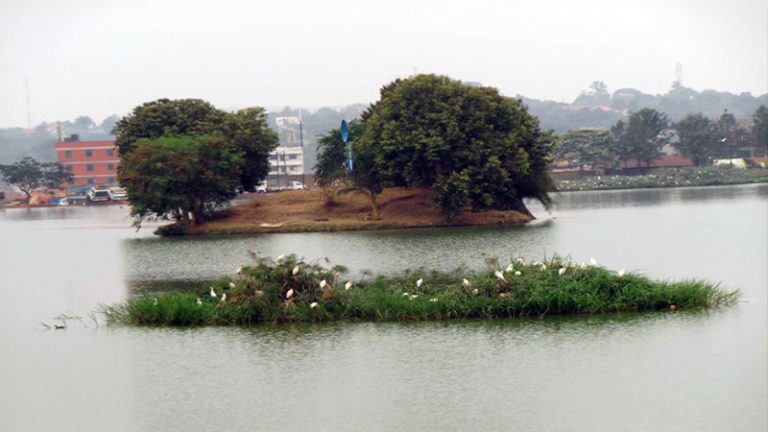
Lake Albert offers impressive views across open water towards the surrounding Rift Valley landscapes. Depending on the location and weather, visitors may see the escarpments and distant mountains that frame parts of the lake.
The changing light at sunrise and sunset can create attractive conditions for photography. Fishing boats, shoreline vegetation and local activity also provide opportunities to capture the relationship between people and the lake.
Travellers should remember that weather, visibility and water conditions vary, so the scenery will not look the same every day.
3. Fishing and Local Communities
Fishing is an important livelihood for many communities around Lake Albert. The lake supports local fishing activities and contributes to the economies of lakeshore settlements.
A responsible visit can provide opportunities to learn about traditional and modern fishing practices, local food systems and the challenges facing communities that depend on natural resources.
Cultural encounters should be arranged respectfully. Ask permission before photographing individuals, follow local guidance and avoid interfering with working fishing operations.
4. Wildlife Around the Lake
The wider Lake Albert landscape supports a variety of wildlife, especially in its wetlands, adjoining savannahs and protected areas.
Depending on the location, visitors may encounter or search for:
- Hippopotamuses
- Nile crocodiles
- Buffaloes
- Uganda kob and other antelopes
- Waterbirds and wetland species
- Other mammals living in nearby protected areas
Wildlife sightings depend on the specific destination, season, habitat and activity. Lake Albert should not be treated as a single wildlife-viewing site with identical opportunities along its entire shoreline.
5. A Gateway to Lesser-Known Uganda Safaris
Lake Albert is an excellent geographical focus for travellers who want to explore parts of Uganda beyond the most frequently visited national parks.
The surrounding region can be incorporated into birding trips, photography safaris and longer itineraries linking Murchison Falls National Park with western Uganda’s forests and wildlife reserves.
For travellers with enough time, the region can also form part of a broader Uganda journey that includes chimpanzee tracking, mountain gorilla trekking and other wildlife experiences.
Best Places to Explore Around Lake Albert
Lake Albert covers a large area, so selecting the right location is important when planning your visit. The following destinations offer different experiences.
1. Lake Albert Delta in Murchison Falls National Park
The Nile flows into Lake Albert through a delta of wetlands and shallow channels on the southwestern side of the lake. This area is particularly important for birdwatching.
The Lake Albert Delta is a popular location for specialist birders searching for the Shoebill and other wetland birds. Boat excursions from the Murchison Falls area can provide opportunities to explore the delta and observe birdlife from the water.
Other bird species in the wider area may include herons, African fish eagles, storks and other waterbirds.
The delta can also be combined with game drives and a boat cruise towards the base of Murchison Falls, depending on your itinerary and the activities available.
Best for: Shoebill birding, wetland photography, boat excursions and combining birdwatching with a traditional wildlife safari.
2. Toro-Semliki Wildlife Reserve
Toro-Semliki Wildlife Reserve lies in western Uganda within the Albertine Rift landscape. It contains a mixture of savannah, woodland, riverine forest and wetland habitats.
Activities may include guided game drives, nature walks, birdwatching and primate walks, subject to current arrangements.
The reserve is particularly interesting for travellers who want to experience a quieter wildlife destination. Birders can explore a range of habitats, while wildlife enthusiasts may look for buffaloes, Uganda kob, waterbucks, warthogs, elephants and other mammals.
Toro-Semliki also provides access to activities in the wider Lake Albert region, including birdwatching excursions where available.
Best for: Birdwatching, savannah wildlife, nature walks and less-crowded safari experiences.
3. Kabwoya Wildlife Reserve
Kabwoya Wildlife Reserve lies along the eastern side of Lake Albert in western Uganda. Its landscape includes grassland, thicket, riverine forest and elevated viewpoints overlooking the surrounding region.
The reserve is suited to travellers interested in birdwatching, scenic views and smaller-scale wildlife experiences. Wildlife in the wider reserve includes antelopes, monkeys and other mammals, although sightings vary.
Depending on current availability, activities in the area may include guided walks, game drives and other nature-based experiences arranged through authorised local providers.
Kabwoya can be a useful stop for travellers exploring the eastern lakeshore or building a longer itinerary through western Uganda.
Best for: Quiet wildlife viewing, birdwatching, nature photography and Rift Valley scenery.
4. The Ntoroko Lakeshore Area
Ntoroko is associated with the northern part of the Toro-Semliki region and provides access to parts of the Lake Albert shoreline.
Visitors may encounter fishing communities, observe local lakeshore activity or arrange birdwatching excursions where suitable operators and conditions permit.
The area can be particularly appealing to travellers interested in the relationship between wildlife habitats and local livelihoods.
If your main objective is to see the Shoebill, confirm the specific departure point, expected duration and recent sighting information with your guide before booking a boat trip.
Birdwatching at Lake Albert: What Can You See?
Lake Albert and its surrounding wetlands attract birdwatchers because they combine open water, papyrus swamps, river channels and nearby savannah habitats.
The range of birds depends on the particular site you visit. Wetland excursions and savannah birding should be considered complementary experiences rather than interchangeable activities.
Birds that birdwatchers may look for in the wider region include:
- Shoebill
- African fish eagle
- Goliath heron
- Various egrets and herons
- Storks
- Kingfishers
- Bee-eaters
- Other wetland and savannah species
Not every species occurs at every lakeshore site. A specialist birding guide can help you choose locations that suit your target list and the time of year.
Tips for a Successful Lake Albert Birding Trip
- Start early where appropriate. Early outings can provide favourable light and productive bird activity.
- Use binoculars. Many birds are distant or partly concealed by vegetation.
- Choose the correct habitat. Shoebill searches require suitable wetland locations, while savannah and woodland birds are found in different environments.
- Allow enough time. Specialist birdwatching often requires patience and flexibility.
- Respect wildlife. Avoid loud noises, chasing birds or asking boat operators to approach too closely.
- Confirm your route in advance. Lake Albert is extensive, and a boat trip in one area may not reach the habitats you want to visit.
Lake Albert Boat Trips: What to Expect
A boat trip can be one of the most rewarding ways to experience the lake and its associated wetlands. Depending on the departure point and itinerary, an excursion may focus on Shoebill birding, wetland wildlife, scenery or a combination of these interests.
Before booking, clarify whether your trip will visit the Lake Albert Delta, marshes near Ntoroko or another section of the shoreline.
A typical birding-oriented outing may involve:
- Meeting your local guide or boat operator.
- Travelling along suitable channels or wetland edges.
- Searching for Shoebills and other birds.
- Observing aquatic wildlife from a safe distance.
- Returning to the departure point after the agreed excursion.
Boat trips are subject to weather, water conditions, local access and operator availability. Always follow the boat crew’s safety instructions and use the required safety equipment.
Important: A boat trip on Lake Albert is not necessarily the same as a boat cruise on the Nile at Murchison Falls. Confirm the activity and location when arranging your safari.
Best Time to Visit Lake Albert, Uganda
Lake Albert can be explored at different times of the year, but conditions depend on the activity and the precise area you intend to visit.
Drier Months
Relatively dry periods can be convenient for combining lakeshore excursions with wildlife viewing and road travel in surrounding reserves. Trails and access roads may be easier to navigate, although local conditions still vary.
Wetter Months
Rain can make some roads and tracks more challenging. However, birdwatching may remain rewarding because the region contains a variety of habitats throughout the year.
The best period for a particular bird species may depend on its local distribution, breeding behaviour and seasonal movements. Travellers with a specialist bird list should seek current advice from a local birding guide.
Best Time of Day for Birdwatching
Early morning is often a practical choice for birdwatching because temperatures are generally cooler and bird activity can be productive. The best departure time for a Shoebill trip should be confirmed with the local operator.
Our recommendation: Plan your Lake Albert visit around your main priority—Shoebill birding, wildlife viewing, photography or cultural experiences—and leave room for changes caused by weather or local conditions.
How to Get to Lake Albert
The best route depends on which part of Lake Albert you want to visit.
From Kampala or Entebbe
Travellers starting in Kampala or Entebbe can plan a road safari towards western or northwestern Uganda. The route will depend on whether the main destination is the Lake Albert Delta in Murchison Falls National Park, Toro-Semliki Wildlife Reserve, Kabwoya Wildlife Reserve or another lakeshore location.
For a trip to the Lake Albert Delta, visitors commonly incorporate the excursion into a Murchison Falls safari. Those visiting Toro-Semliki or Kabwoya may use different routes and accommodation bases.
From Murchison Falls National Park
Visitors already exploring Murchison Falls National Park may be able to arrange a boat excursion towards the Lake Albert Delta, subject to the activity schedule, access and current operating arrangements.
From Fort Portal
Fort Portal is a useful base for journeys into the Toro-Semliki region. Travellers can plan a route towards the reserve and nearby lakeshore areas, allowing sufficient time for road travel and activities.
Because distances, road conditions and travel times vary, your safari operator should confirm the best route for your chosen itinerary.
Where to Stay Around Lake Albert
Accommodation options depend on the part of the lake you plan to explore. Rather than choosing accommodation based on the name of the lake alone, select a base that makes your preferred activities practical.
Options to consider include:
- Lodges near Murchison Falls National Park: Suitable for travellers combining the Lake Albert Delta with game drives, waterfall visits and Nile boat cruises.
- Accommodation near Toro-Semliki Wildlife Reserve: Useful for visitors focusing on game drives, birding and nature walks in the reserve.
- Lodges around Kabwoya Wildlife Reserve: Worth considering for travellers interested in lakeshore scenery and wildlife activities in the Kabwoya area.
- Accommodation near Fort Portal: A possible base for exploring western Uganda, depending on your route and the amount of driving you are comfortable with.
Confirm the location, current operating status, activity departure points and transfer times before making a reservation.
Suggested 3-Day Lake Albert Wildlife and Birding Safari
This sample itinerary is designed for travellers who want to combine birdwatching with wildlife experiences. It is an example rather than a fixed package, and the actual schedule depends on your chosen access point.
Day 1: Travel to the Lake Albert Region
Depart from your starting point and travel towards your selected base near Murchison Falls, Toro-Semliki or Kabwoya.
Depending on your arrival time, enjoy a relaxed evening, take in the surrounding scenery or arrange a short activity where available.
Overnight: Selected accommodation near your chosen destination.
Day 2: Shoebill Birdwatching and Lake Excursion
Begin with a pre-arranged boat excursion in a suitable wetland area, such as the Lake Albert Delta or another confirmed birding location.
Look for the Shoebill and other waterbirds with guidance from your local birding guide. Take time to observe the wetland habitat and photograph wildlife without disturbing it.
Depending on your base and available time, you may combine the excursion with an additional nature activity.
Overnight: Selected accommodation near your chosen destination.
Day 3: Wildlife Viewing and Return Journey
Enjoy a morning game drive, nature walk or birdwatching session, depending on your location and the activities available.
After breakfast, begin your return journey or continue to another destination on your Uganda safari.
Travellers with more time can extend the trip to include Murchison Falls National Park, additional wildlife reserves or other western Uganda attractions.
What to Pack for a Lake Albert Safari
For a comfortable trip, consider bringing:
- Binoculars for birdwatching
- A camera with a suitable zoom lens
- Lightweight, neutral-coloured clothing
- Comfortable walking shoes
- A hat and sunscreen
- Insect repellent
- Drinking water and a refillable bottle
- Rain protection
- A small daypack
- Any personal medication you need
- A waterproof bag or cover for cameras and other electronics during boat trips
For excursions on the water, follow the operator’s advice about clothing, safety equipment and weather conditions.
Responsible Tourism Around Lake Albert
Lake Albert supports wildlife habitats and communities whose livelihoods depend on the lake and surrounding environment. Responsible tourism can help visitors appreciate these natural and cultural assets without placing unnecessary pressure on them.
During your visit:
- Keep a respectful distance from birds, hippos and other wildlife.
- Follow instructions from authorised guides and boat crews.
- Avoid littering and dispose of waste responsibly.
- Ask permission before photographing local people.
- Respect fishing activities and community spaces.
- Avoid disturbing nesting birds or damaging papyrus and wetland vegetation.
- Use reputable operators who follow appropriate safety and conservation practices.
Responsible travel involves more than seeing wildlife. It also means respecting the people and ecosystems that make the destination special.
Combine Lake Albert with a Uganda Gorilla Trekking Safari
Lake Albert can form part of a longer Uganda itinerary for travellers who want to experience a variety of habitats and wildlife encounters.
After exploring the lake and surrounding reserves, visitors may continue to destinations such as Kibale Forest for chimpanzee tracking, Queen Elizabeth National Park for savannah wildlife and Bwindi Impenetrable National Park for mountain gorilla trekking.
Gorilla trekking is a separate activity that takes place in designated gorilla habitats and requires appropriate permits and arrangements.
A longer itinerary can combine:
- Shoebill birdwatching around Lake Albert or the Nile Delta.
- Wildlife viewing in Murchison Falls National Park.
- Birding and nature walks in Toro-Semliki Wildlife Reserve.
- Chimpanzee tracking in an authorised destination.
- Mountain gorilla trekking in Bwindi Impenetrable National Park or Mgahinga Gorilla National Park.
The most suitable route depends on your travel dates, available time, budget and wildlife interests.
Visit Book Gorilla Tracking to explore Uganda gorilla trekking and safari-planning options with Raptors Africa Safaris.
Why Explore Lake Albert with Raptors Africa Safaris?
At Raptors Africa Safaris, we help travellers plan wildlife journeys around their interests, available time and preferred style of travel.
Lake Albert offers several ways to experience Uganda, from searching for the Shoebill in wetland habitats to exploring savannah reserves and discovering the communities that depend on the lake.
Our team can help you identify the most suitable area to visit, plan transport and accommodation, and combine your Lake Albert experience with other destinations where appropriate.
Whether you are a dedicated birder, a wildlife photographer or a traveller planning a broader African adventure, a well-designed itinerary can help you make the most of your time in Uganda.
Ready to explore Lake Albert? Visit www.bookgorillatracking.com to begin planning your Uganda wildlife or birdwatching safari.
Frequently Asked Questions About Lake Albert, Uganda
1. Where is Lake Albert located?
Lake Albert lies along the border between Uganda and the Democratic Republic of the Congo, in the Albertine Rift Valley.
2. What is Lake Albert famous for?
The lake is known for its scenic landscapes, fishing resources, wetland habitats, birdlife and access to nearby wildlife destinations. It is also an important area for travellers interested in Shoebill birdwatching.
3. Can I see the Shoebill at Lake Albert?
Shoebills occur in suitable wetland habitats in the wider Lake Albert region, including parts of the Nile Delta. Sightings are not guaranteed, so choose an appropriate birding location and arrange the excursion with a knowledgeable local guide.
4. What other birds can I see around Lake Albert?
Depending on the location, birdwatchers may look for African fish eagles, herons, egrets, storks, kingfishers, bee-eaters and other wetland or savannah species.
5. Are there wildlife safaris around Lake Albert?
Yes. The wider region includes destinations such as Toro-Semliki Wildlife Reserve, Kabwoya Wildlife Reserve and Murchison Falls National Park, where visitors can arrange wildlife viewing and other nature-based activities.
6. Can I take a boat trip on Lake Albert?
Boat excursions may be available at selected locations, including wetland birding areas. Confirm the exact departure point, itinerary, safety arrangements and current availability before booking.
7. What is the best time to visit Lake Albert?
The best time depends on your chosen activity and destination. Relatively dry periods may make road travel and some wildlife activities easier, while birdwatching opportunities vary by habitat and species.
8. How many days should I spend around Lake Albert?
Two or three days can provide time for a focused birding or wildlife visit, depending on your route. More time is useful if you want to explore several reserves or combine the lake with Murchison Falls and other destinations.
9. Can I combine Lake Albert with gorilla trekking?
Yes. Lake Albert can be included in a longer Uganda safari that continues to designated mountain gorilla trekking areas. You will need to plan the route, transport, permits and overnight stops in advance.
10. How can I book a Lake Albert safari?
Contact Raptors Africa Safaris through www.bookgorillatracking.com to discuss your travel dates, birdwatching interests, preferred destinations and other safari requirements.
Plan Your Lake Albert Safari with Raptors Africa Safaris
Lake Albert offers a distinctive side of Uganda, combining wetland birdwatching, opportunities to search for the Shoebill, scenic Rift Valley landscapes and access to nearby wildlife reserves.
Whether you want to explore the Nile Delta, discover Toro-Semliki Wildlife Reserve or add a birding excursion to a longer Uganda safari, the region offers several ways to experience the country’s natural diversity.
Start planning your Uganda wildlife adventure with Raptors Africa Safaris.
Website: https://www.bookgorillatracking.com/
Explore Uganda’s wildlife, discover remarkable birdlife and create a safari tailored to your interests.
Raptors Africa Safaris — Your journey into Africa’s wild places.