Call: +256 702 595 926 | Email: info@bookgorillatracking.com

Kibale National Park, Uganda: Things to Do and Where to Stay


Kibale National Park, Uganda: Things to Do, Entrance Fees and Where to Stay
Kibale National Park is one of Uganda’s leading destinations for chimpanzee trekking, tropical rainforest adventures, birdwatching and encounters with wild primates. Located in western Uganda near Fort Portal, the park protects a rich forest ecosystem that is home to chimpanzees, several monkey species and hundreds of bird species.
Often called the primate capital of the world, Kibale is best known for its chimpanzee tracking experience. Visitors enter the forest with trained guides and trackers to search for habituated chimpanzees and observe their behavior in the wild. Beyond chimpanzee trekking, the surrounding region offers guided nature walks, birdwatching at Bigodi Wetland Sanctuary, crater lakes, cultural experiences and scenic countryside.
Whether you are planning a short chimpanzee trekking trip or a longer Uganda safari, this guide covers the best things to do in Kibale National Park, current published entrance fees, chimpanzee permit prices, trekking rules, accommodation options, the best time to visit and how to get there.
Where Is Kibale National Park?
Kibale National Park is in western Uganda, near Fort Portal, in the districts of Kabarole and Kamwenge. It protects tropical rainforest and forms part of a wider landscape of wetlands, crater lakes, tea plantations and rural communities.
The main chimpanzee tracking activity operates from the Kanyanchu visitor centre. Choosing accommodation with convenient access to Kanyanchu can make your trekking morning easier, especially if you have an early briefing.
Kibale is also well positioned for travelers visiting Queen Elizabeth National Park, the Kasenda Crater Lakes, Fort Portal and the Rwenzori Mountains.
The Uganda Wildlife Authority recognizes Kibale as a major destination for chimpanzee tracking and chimpanzee habituation. Both experiences are offered throughout the year, subject to permits and operational arrangements.
Top Things to Do in Kibale National Park
1. Chimpanzee Trekking
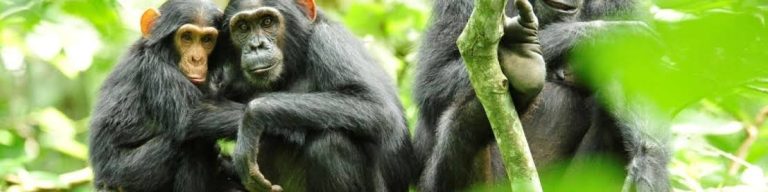
Chimpanzee trekking is the main attraction in Kibale National Park. The experience begins with a briefing before visitors enter the forest with authorized guides and trackers to locate a habituated chimpanzee community.
As you walk through the rainforest, your guide may point out forest plants, birds, monkeys and signs of wildlife. Once the chimpanzees are located, visitors can observe their social behavior, including feeding, grooming, playing, calling and moving through the trees.
The length and difficulty of the walk depend on where the chimpanzees are located and how far they travel. Trails can be muddy, steep and slippery, so suitable footwear and reasonable mobility are important.
Standard chimpanzee tracking generally allows up to one hour observing the chimpanzees once they are located, subject to current regulations. The search itself may take several hours.
What to know before booking:
- Reserve your permit in advance, especially during popular travel periods.
- Confirm your trekking date, meeting point and briefing time.
- Wear sturdy hiking shoes, long trousers and a long-sleeved shirt.
- Carry drinking water and a small daypack.
- Follow the ranger’s instructions throughout the experience.
- Understand that sightings are not guaranteed.
For travelers planning a primate-focused holiday, Kibale can be combined with mountain gorilla trekking in Bwindi Impenetrable National Park.
2. Chimpanzee Habituation Experience
The Chimpanzee Habituation Experience is designed for visitors who want to spend longer observing chimpanzees in the forest.
Participants accompany an authorized habituation team and learn about the process through which chimpanzees become accustomed to the presence of researchers and visitors. The experience provides more time to observe behavior and understand the challenges involved in studying wild primates.
The published tariff describes a four-hour experience with the chimpanzees. The habituation tariff changes from 1 January 2027, so check the applicable price for your travel date before booking.
This experience is particularly appealing to wildlife photographers, primate enthusiasts and travelers with a strong interest in conservation.
It is generally a longer forest activity than standard chimpanzee trekking. If you prefer a shorter experience, standard tracking may be more suitable.
3. Birdwatching in Kibale Forest
Kibale is a rewarding destination for birdwatchers because its forest, woodland, forest edges and nearby wetlands support a variety of bird species.
Birding can be arranged around the forest and at nearby Bigodi Wetland Sanctuary. An experienced local guide can help identify birds by their calls, plumage and behavior.
Species of interest in the Kibale region include:
- Great Blue Turaco
- African Grey Parrot
- Black-billed Turaco
- African Pitta
- Green-breasted Pitta
- Yellow-spotted Barbet
- White-naped Pigeon
- Various greenbuls, flycatchers and other forest birds
These are examples of possible sightings, not a guaranteed list. Species encountered depend on the season, location and time spent birdwatching.
Serious birdwatchers should consider staying for at least two nights to allow time for forest birding and a guided walk at Bigodi.
4. Visit Bigodi Wetland Sanctuary
Bigodi Wetland Sanctuary is one of the most popular excursions near Kibale National Park. Located outside the national park, it is known for its wetland vegetation, birdlife, monkeys and community-based tourism.
A guided walk takes visitors through wetland and surrounding vegetation while local guides explain the ecology of the area and help identify birds, plants and primates.
Look out for the Great Blue Turaco and other wetland and forest-edge birds. Depending on conditions, visitors may also encounter red-tailed monkeys, black-and-white colobus monkeys and other wildlife.
Bigodi is an excellent addition to a chimpanzee trekking safari because it provides a different habitat and an opportunity to learn about community-led conservation.
Allow approximately two to three hours for a guided walk, or longer if birdwatching is your main interest. Confirm the current activity arrangements and fees before visiting.
5. Take a Guided Forest Nature Walk
A guided forest walk allows visitors to appreciate Kibale’s rainforest beyond the search for chimpanzees.
Your guide can explain the forest’s plants, trees, insects, birds and ecological relationships. You may encounter monkeys or hear chimpanzees calling in the distance, although wildlife sightings are not guaranteed.
This activity can suit travelers who want a slower nature experience or visitors who do not plan to trek chimpanzees. Check with the park authority or your tour operator about currently available routes and age requirements.
6. Explore the Forest at Night
A guided night walk can offer a different perspective on Kibale’s rainforest. After dark, some nocturnal animals become active, and visitors may have opportunities to look for galagos, pottos, insects and other forest creatures.
Sightings depend on conditions and animal activity. Night walks should be arranged through authorized providers and conducted according to current park rules.
Confirm the availability, duration and price of the activity before including it in your itinerary.
7. Explore the Kasenda Crater Lakes
The crater lakes around Fort Portal and Kibale add scenic landscapes to a wildlife safari. The region features lakes surrounded by rolling hills, farmland, forest patches and tea-growing areas.
Activities in the wider crater-lake region include:
- Scenic drives and photography
- Guided walks through the countryside
- Birdwatching
- Visits to selected viewpoints
- Cultural and community experiences
- Relaxing at lodges overlooking the landscape
Lake Nyinambuga and other lakes in the Kasenda area are popular stops for visitors exploring western Uganda.
The crater lakes are not all inside Kibale National Park, so allow additional driving time when combining them with chimpanzee trekking. A stay in this area can be particularly enjoyable if you have two or more nights.
8. Experience Local Culture
Communities around Kibale offer opportunities to learn about local life, farming and traditional practices.
Depending on local availability, visitors may arrange cultural visits, learn about food preparation, meet local craftspeople or discover how surrounding communities participate in tourism and conservation.
Choose locally led experiences that benefit the people involved, and always ask permission before photographing individuals or their homes.
9. Enjoy Photography and Relaxation
Kibale is not only about wildlife encounters. Its forest atmosphere, birdsong, misty mornings and green countryside make it an appealing destination for nature photography and relaxation.
Between activities, enjoy time at your lodge, photograph birds around the gardens or explore the nearby countryside with a guide. A stay of two or three nights allows a more relaxed pace than trying to fit everything into a single overnight visit.
Kibale National Park Entrance Fees and Chimpanzee Permit Prices
Visitors should budget for park entry and activities separately unless the relevant tariff explicitly states that a particular activity includes entrance fees.
The available Uganda Wildlife Authority 2026–2028 tariff document lists the following Kibale National Park rates. Confirm the applicable charges with UWA or your authorized tour operator before payment because tariffs and implementation dates can change.
Kibale National Park entrance fees
The following are the published daily rates for adults and children:
| Visitor category | Adult entrance | Child entrance |
|---|---|---|
| Foreign non-resident | US$40 | US$20 |
| Foreign resident | US$30 | US$10 |
| Rest of Africa | US$30 | US$5 |
| East African citizen | UGX 20,000 | UGX 10,000 |
Children’s age categories and any exemptions should be confirmed with UWA when booking. Visitors may be asked to present identification to establish their residency or citizenship category.
Standard chimpanzee tracking permit prices
| Visitor category | Published tracking rate |
|---|---|
| Foreign non-resident | US$250 |
| Foreign resident | US$200 |
| Rest of Africa | US$200 |
| East African citizen | UGX 180,000 |
The 2026–2028 tariff lists these rates for Kibale chimpanzee tracking. It is important to confirm whether the applicable fee for your travel date includes park entrance, as tariff notes and activity arrangements can differ.
The published tariff also lists a reduced rate for chimpanzee tracking during April, May and November in the applicable circumstances. Ask UWA or your operator to confirm whether that rate applies to your date and permit category before budgeting for it.
Chimpanzee habituation permit prices
The available tariff lists the following habituation rates from 1 January 2027:
| Visitor category | Habituation rate |
|---|---|
| Foreign non-resident | US$400 |
| Foreign resident | US$350 |
| Rest of Africa | US$300 |
| East African citizen | UGX 250,000 |
The habituation experience is described as allowing up to four hours with the chimpanzees. The new rate is scheduled to commence on 1 January 2027, so travelers visiting before that date should confirm the applicable earlier tariff.
Important budgeting advice: Permit prices are not the total cost of a safari. You may also need to budget for accommodation, transport, meals, guide services outside the permit arrangement and activities at Bigodi or elsewhere. Ask for an itemized quotation so you know exactly what is included.
Rules for Chimpanzee Trekking in Kibale National Park
Chimpanzee trekking is a regulated wildlife activity. Visitors must follow the instructions of authorized guides and rangers to protect themselves and the chimpanzees.
Before your trek, review the current rules with your guide. Key precautions include:
- Minimum age: The published tariff lists 12 years as the minimum age for chimpanzee tracking. Confirm the current age requirement when booking, particularly for children.
- Do not trek when ill: Visitors with an infectious illness should not enter the forest to see chimpanzees, because human diseases can be transmitted to primates.
- Keep your distance: Maintain the prescribed distance from chimpanzees. Follow your ranger’s instructions if an animal approaches.
- Never feed or touch chimpanzees: Do not try to attract, touch, chase, corner or feed the animals.
- Keep noise low: Avoid shouting, sudden movements or imitating chimpanzee calls.
- Follow instructions about food and drink: Do not eat, smoke or drink during the chimpanzee encounter where prohibited by the rules. Follow your guide’s directions about carrying and using water.
- Do not use flash photography: Turn off camera flash before taking photographs.
- Do not litter: Carry rubbish out of the forest.
- Stay with your authorized guide: Follow the designated route and do not leave the group.
- Respect the viewing limit: Standard tracking generally allows up to one hour with the chimpanzees once located. The habituation experience has a different allowance.
The trek itself can take several hours depending on where the chimpanzees are found. The one-hour limit refers to the standard observation period once the chimpanzees have been located, not the full length of the walk.
Rules can be updated, so the briefing from the authorized park team takes precedence.
Where to Stay in Kibale National Park
Accommodation around Kibale ranges from forest lodges and tented camps to comfortable cottages and upscale retreats near crater lakes.
Your best choice depends on budget, preferred comfort level and planned activities. For chimpanzee trekking, prioritize convenient access to the Kanyanchu visitor centre. Scenic crater-lake properties may require a longer drive, so confirm transfer times before booking.
Luxury accommodation
Primate Lodge Kibale
Primate Lodge is a forest-focused option near the main chimpanzee trekking area. Its location is particularly convenient for visitors who want to reduce driving time before an early briefing.
Best for: travelers prioritizing proximity to the forest and chimpanzee tracking.
Chimpundu Lodge
Chimpundu Lodge offers an upscale stay in the Kibale area, with comfortable accommodation for visitors combining wildlife activities with time to relax.
Best for: couples, honeymooners and travelers seeking a higher level of comfort.
Ndali Lodge
Ndali Lodge is located in the wider crater-lake region near Fort Portal. Its scenic surroundings appeal to visitors who want to enjoy the landscape as well as the forest.
Best for: travelers seeking views, relaxation and countryside excursions.
Kyaninga Lodge
Kyaninga Lodge is another upscale option in the Fort Portal crater-lake landscape. Its setting is attractive to visitors who want a scenic base for exploring the region.
Best for: luxury travelers and couples who value dramatic landscapes.
Mid-range accommodation
Turaco Treetops
Turaco Treetops is a forest-oriented lodge in the Kibale area and can provide a convenient base for chimpanzee trekking, birdwatching and nature activities.
Best for: travelers seeking comfort in a nature-focused setting.
Isunga Lodge
Isunga Lodge offers a hillside setting with views of the surrounding forest and countryside. It is worth considering for visitors who prefer a peaceful atmosphere.
Best for: couples and travelers who enjoy scenery and relaxation.
Chimpanzee Forest Lodge
Chimpanzee Forest Lodge is another option for visitors looking for accommodation within the wider Kibale forest landscape.
Best for: nature lovers seeking a relaxed base for exploring the area.
Budget-friendly accommodation
Kibale Forest Camp
Kibale Forest Camp offers a tented, close-to-nature style of stay for travelers who prefer a rustic safari atmosphere.
Best for: budget-conscious visitors who enjoy outdoor settings.
Kibale Guest Cottages
Kibale Guest Cottages is an option for travelers seeking a simple cottage-style stay near the chimpanzee trekking area. Confirm room types and facilities before booking.
Best for: independent travelers and visitors prioritizing convenience.
Community-based accommodation near Bigodi
Guesthouses and locally run accommodation around Bigodi may suit visitors interested in wetland walks, birdwatching and community experiences. Facilities and availability vary.
Best for: budget-conscious travelers and those seeking locally run tourism options.
Accommodation standards, facilities and rates can change. Check the property’s current services, location, meal arrangements and transfer times before making a reservation.
How to Choose the Best Area to Stay
| Your priority | Area to consider | Why |
|---|---|---|
| Chimpanzee trekking | Near Kanyanchu | Convenient for the trekking briefing |
| Birdwatching and Bigodi | Bigodi and nearby forest edge | Useful for wetland walks and birding |
| Scenic luxury stay | Crater lakes near Fort Portal | Views and a peaceful countryside setting |
| Town facilities | Fort Portal | Access to shops, restaurants and other services |
| Lower-cost accommodation | Guesthouses, camps and simpler lodges | More economical accommodation styles to compare |
If you are visiting for one night mainly to trek chimpanzees, staying near Kanyanchu is often practical. With two or three nights, you can consider a scenic property and explore more of the surrounding region.
Best Time to Visit Kibale National Park
Kibale can be visited throughout the year, and chimpanzee tracking and habituation activities are offered year-round, subject to permits and operational arrangements.
June to September: This is a popular period for Uganda safaris. Book accommodation and permits early when traveling during busy dates.
December to February: These months can also suit travelers combining Kibale with other national parks. Rain remains possible, and trail conditions vary.
March to May and October to November: Wetter conditions can make trails muddy and slippery. These periods may suit flexible travelers who are prepared for rain. Ask about any applicable low-season permit rates before booking.
There is no month that guarantees the best chimpanzee sightings. The animals move through the forest according to food availability and other natural factors.
How to Get to Kibale National Park
By road from Kampala or Entebbe
Kibale is commonly reached by road via Fort Portal. The journey from Kampala takes much of the day, depending on traffic, road conditions and stops. Travelers arriving at Entebbe International Airport should allow additional time for the transfer to western Uganda.
A private vehicle with a driver-guide is a convenient option for visitors who want to stop for scenery, lunch or other attractions along the way.
From Queen Elizabeth National Park
Kibale can be combined with Queen Elizabeth National Park on a western Uganda safari. Driving time depends on your departure point within Queen Elizabeth and the location of your accommodation in Kibale. Allow enough time for the road transfer rather than scheduling several demanding activities on the same day.
By domestic flight and road transfer
Travelers seeking to reduce long road journeys can investigate domestic or charter flights to suitable airstrips in the region, followed by a road transfer. Routes and schedules vary, so confirm current flight availability before planning around it.
Suggested Kibale National Park Itineraries
Two days and one night
Day 1: Travel to Kibale, check in at your lodge and relax. If you arrive early enough, visit Bigodi Wetland Sanctuary for a guided walk.
Day 2: Attend the chimpanzee tracking briefing at Kanyanchu and take part in the trek. Afterward, continue to your next destination or return toward Fort Portal, depending on your plans.
This is a compact option. If you are traveling from a distant destination, consider adding another night.
Three days and two nights
Day 1: Travel to Kibale and settle into your accommodation.
Day 2: Enjoy chimpanzee trekking. Spend the afternoon relaxing at your lodge or exploring nearby countryside if time permits.
Day 3: Visit Bigodi Wetland Sanctuary for a guided nature walk or birdwatching before continuing to your next destination.
This itinerary offers a more relaxed experience and time for more than one activity.
Four days and three nights
Spend your first day arriving and settling in. On the following days, combine chimpanzee trekking, birdwatching, Bigodi Wetland Sanctuary, crater-lake exploration and a cultural experience.
This option is especially suitable for birdwatchers, photographers, families and travelers who prefer a slower pace.
Combining Kibale with Other Uganda Safari Destinations
Kibale is an excellent addition to a longer Uganda safari.
Kibale and Queen Elizabeth National Park: Combine chimpanzee trekking with savannah wildlife, game drives and a boat cruise on the Kazinga Channel.
Kibale and Bwindi Impenetrable National Park: Add mountain gorilla trekking for a primate-focused safari featuring two distinct forest ecosystems.
Kibale and the Fort Portal crater lakes: Combine wildlife activities with scenic drives, countryside walks and relaxing lodge stays.
Kibale, Queen Elizabeth and Bwindi: This route offers chimpanzees, savannah wildlife and mountain gorillas. The best order depends on your arrival and departure airports, permit availability and travel time.
Raptors Africa Safaris can help arrange transport, accommodation and activities around your preferred dates, interests and budget.
What to Pack for Kibale National Park
For chimpanzee trekking and forest walks, pack:
- Sturdy hiking shoes or boots with good grip
- Long trousers and a long-sleeved shirt
- A lightweight rain jacket
- Drinking water and a small daypack
- Insect repellent
- Sunscreen and a hat
- Binoculars for birdwatching
- A camera with a suitable lens
- Waterproof protection for electronics
- Personal medication and essential supplies
A walking stick can be helpful on steep or muddy sections. Ask your guide whether one is available. Choose clothing that you do not mind getting muddy.
Responsible Tourism in Kibale
Kibale’s forests support wildlife, biodiversity and surrounding communities. Responsible visitor behavior helps protect these natural resources.
During your visit:
- Follow instructions from authorized park guides and rangers.
- Keep a respectful distance from chimpanzees and other wildlife.
- Never feed wild animals.
- Avoid loud noises and sudden movements around primates.
- Do not leave rubbish in the forest or wetlands.
- Ask permission before photographing people.
- Consider community-led activities that benefit local residents.
- Follow current health and wildlife-viewing rules.
Wildlife tourism should prioritize animal welfare and habitat conservation, not just close encounters or photographs.
Frequently Asked Questions About Kibale National Park
How much is the entrance fee for Kibale National Park?
The available 2026–2028 tariff lists adult entrance at US$40 for foreign non-residents, US$30 for foreign residents and visitors from the rest of Africa, and UGX 20,000 for East African citizens. Child rates vary by category. Confirm the applicable fee for your visit date with UWA.
How much is a chimpanzee trekking permit in Kibale?
The available tariff lists standard chimpanzee tracking at US$250 for foreign non-residents, US$200 for foreign residents, US$200 for visitors from the rest of Africa and UGX 180,000 for East African citizens. Confirm the total payable and whether entrance is included before booking.
What is the difference between chimpanzee tracking and habituation?
Standard tracking involves searching for a habituated community and generally allows up to one hour observing the chimpanzees once found. The habituation experience is longer and involves accompanying a habituation team, with a published viewing allowance of up to four hours.
What is the minimum age for chimpanzee trekking?
The published tariff lists 12 years as the minimum age for chimpanzee tracking. Confirm the current requirement with UWA or your tour operator before booking for children.
Is chimpanzee trekking difficult?
Difficulty varies according to the chimpanzees’ location, the terrain and the weather. Trails can be muddy, steep and slippery, so visitors should be prepared for walking and discuss mobility concerns before booking.
Where is the best place to stay in Kibale?
Accommodation near Kanyanchu is generally convenient for chimpanzee trekking. Lodges around Bigodi and the crater lakes may be more suitable for visitors prioritizing birdwatching, scenery and a longer stay.
Can I visit Kibale without trekking chimpanzees?
Yes. Depending on current availability, alternatives include birdwatching, guided forest walks, Bigodi Wetland Sanctuary, cultural visits and exploring the crater-lake region.
Can I combine Kibale with gorilla trekking?
Yes. Kibale and Bwindi are commonly combined on a western Uganda safari. Plan enough time for road transfers and arrange chimpanzee and gorilla permits around confirmed dates.
Should I book chimpanzee permits in advance?
Yes. Advance booking is strongly recommended, especially during popular travel periods. Confirm the permit date and activity before making non-refundable travel arrangements.
Plan Your Kibale National Park Safari with Raptors Africa Safaris
Kibale National Park offers much more than a chance to see chimpanzees. Its tropical rainforest, birdlife, community-run wetland experiences and nearby crater lakes make it a rewarding destination for wildlife enthusiasts, couples, families and photographers.
Whether you want a short chimpanzee trekking trip, a birdwatching holiday or a longer Uganda safari combining Kibale, Queen Elizabeth National Park and Bwindi, choosing the right accommodation and allowing enough time can make a significant difference to your experience.
Contact Raptors Africa Safaris to plan your Kibale National Park visit. We can help you compare accommodation options, check current permit availability, arrange transport and build an itinerary around your travel dates, interests and budget.
[…] want to discover Uganda’s rainforest after dark. Located in western Uganda near Fort Portal, Kibale National Park is famous for chimpanzee trekking, but its wildlife experience does not end at sunset. When daylight […]
[…] Kampala at approximately 7:30 AM. Meet your professional safari guide and begin the scenic drive to Kibale Forest National Park, one of Uganda’s most celebrated destinations for wild chimpanzee […]
[…] adventure continues to Kibale Forest National Park, renowned for its chimpanzee population and remarkable primate diversity. Experience the […]
[…] birdwatching, primate viewing and community-based tourism in western Uganda. Located beside Kibale Forest National Park, near the town of Fort Portal, this beautiful wetland offers visitors a chance to explore Uganda’s […]
[…] the shores of Lake Victoria to the mighty Murchison Falls, from the chimpanzee-rich forests of Kibale National Park to the savannah plains of Queen Elizabeth National Park, Uganda offers an incredible variety of […]
[…] rocky gorge, creating one of Africa’s most spectacular waterfalls. The safari continues to Kibale Forest National Park for an extraordinary chimpanzee habituation experience, followed by wildlife viewing in Queen […]