Call: +256 702 595 926 | Email: info@bookgorillatracking.com

Birdwatching in Ruhija, Bwindi: Birds and Trails

Birdwatching in Ruhija, Bwindi: Best Trails and Birds to See
Birdwatching in Ruhija is one of the highlights of a Uganda birding safari. Located in the eastern highlands of Bwindi Impenetrable National Park in southwestern Uganda, Ruhija is renowned for its montane rainforest, cool climate and remarkable variety of forest birds, including several Albertine Rift endemics.
For specialist birdwatchers, Ruhija offers the opportunity to search for some of Uganda’s most sought-after species, including the African Green Broadbill, Grauer’s Rush Warbler, Shelley’s Crimsonwing and Rwenzori Batis. The famous Mubwindi Swamp Trail is a major attraction, taking visitors through forested slopes towards swamp habitat where several specialised bird species may be found.
Beyond birdwatching, Ruhija is also an excellent base for nature walks, scenic forest experiences and mountain gorilla trekking. Whether you are an experienced birder hoping to add rare species to your checklist or a nature enthusiast discovering Uganda’s forests for the first time, a guided birding excursion in Ruhija can be a memorable experience.
Where Is Ruhija Located?
Ruhija is one of the main tourism sectors of Bwindi Impenetrable National Park, a protected montane rainforest in southwestern Uganda. It lies on the eastern side of the park, within the highlands of the Albertine Rift.
The area sits at approximately 2,000–2,400 metres above sea level, creating cooler conditions and forest habitats that differ from those found in lower-elevation parts of Bwindi. These variations in altitude and vegetation help support a diverse bird community.
Ruhija is particularly important for visitors interested in specialised forest birding. Its trails provide access to highland forest, bamboo areas and swamp-edge habitats, each offering different birdwatching opportunities.
The sector can be included in a wider Uganda itinerary featuring Buhoma, Kibale Forest National Park, Queen Elizabeth National Park and other destinations in the Albertine Rift.
Why Is Ruhija Famous for Birdwatching?
Ruhija is considered one of Bwindi’s key birding areas because of its combination of high-altitude forest and access to important birding trails.
Bwindi supports more than 350 recorded bird species, including approximately 23 Albertine Rift endemics. These are species whose natural distributions are restricted to the Albertine Rift region, making the park particularly valuable for birders seeking birds that are difficult or impossible to find elsewhere.
Ruhija is especially attractive because birdwatchers can search for several specialised species during guided forest walks. The Mubwindi Swamp Trail is the best-known route, while other forest paths and suitable areas around Ruhija provide additional opportunities.
The forest can be challenging for birdwatching. Birds may remain hidden in dense foliage, and some species are easier to identify by sound than by sight. An experienced local birding guide can help visitors interpret calls, locate mixed feeding flocks and search appropriate habitats.
Best Birdwatching Trails in Ruhija
1. Mubwindi Swamp Trail
The Mubwindi Swamp Trail is the signature birdwatching route in Ruhija and a priority for many specialist birders visiting Bwindi.
The trail descends through montane forest towards Mubwindi Swamp, passing through habitats that support a variety of forest and swamp-associated birds. The return journey involves climbing back up the slope, so visitors should be prepared for a physically demanding walk.
Depending on the route and conditions, the excursion may take approximately four to six hours. Walking times vary with pace, weather, trail conditions and the time spent observing birds.
Birdwatchers often visit Mubwindi specifically to search for the African Green Broadbill. Other potential targets include Grauer’s Rush Warbler, Shelley’s Crimsonwing, Rwenzori Batis and other Albertine Rift forest species.
What to expect:
- Montane rainforest and swamp-edge habitat.
- Opportunities to search for rare and range-restricted birds.
- Steep sections and potentially muddy walking conditions.
- A guided nature experience that requires patience and time.
The trail is not simply a casual stroll. Good footwear, reasonable fitness and an early start are important, particularly for visitors planning to spend extended periods observing birds.
2. Forest Trails Around Ruhija
In addition to Mubwindi, birders can explore suitable forest trails around Ruhija with a knowledgeable guide.
These walks provide opportunities to look for birds in the forest understory, mid-canopy and upper canopy. Mixed feeding flocks may contain several species moving together through the vegetation, offering excellent opportunities for observation and photography.
Depending on the location, visitors may search for forest specialists such as Mountain Masked Apalis, Rwenzori Batis, Regal Sunbird and other montane birds.
Trail access, walking distance and birding arrangements can vary. Discuss your target species with your guide and confirm which routes are available before setting out.
3. Bamboo and Forest-Edge Habitats
Bamboo zones and forest edges provide additional habitats for birdwatching in the Ruhija area. The species encountered can differ from those found along swamp margins or deep within the forest.
These habitats can be useful for birders seeking a broader checklist of highland forest species. A guide can help select appropriate locations based on the birds you hope to find and the time available.
Rather than trying to cover every habitat in a single outing, consider combining different routes over two or more mornings.
Birds to Look for in Ruhija
Ruhija is especially rewarding for birdwatchers interested in Albertine Rift endemics and specialised montane forest species. Sightings depend on conditions, season and the skill of the guide, so the following species should be treated as potential targets rather than guaranteed encounters.
African Green Broadbill
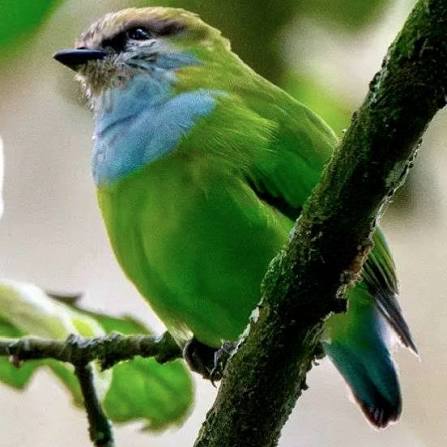
The African Green Broadbill, also known as Grauer’s Broadbill, is one of the most sought-after birds in Bwindi. Its vivid green plumage helps it blend into forest vegetation, making it surprisingly difficult to locate.
Mubwindi Swamp and its surrounding forest are important places to search for this species. Experienced guides can help birders identify suitable habitat and listen for its calls.
Grauer’s Rush Warbler
Grauer’s Rush Warbler is a specialised bird associated with high-altitude swamp and sedge habitats in the Albertine Rift. Mubwindi Swamp is an important location for birders hoping to see it.
The species may be difficult to observe because it can remain concealed in dense vegetation. Careful listening and patience are particularly valuable.
Shelley’s Crimsonwing
Shelley’s Crimsonwing is another highly sought-after species in the Bwindi highlands. Birders visiting Ruhija may search for it in appropriate forest and undergrowth habitats.
As with other specialised forest birds, seeing it may require a dedicated search and suitable local knowledge.
Rwenzori Batis
The Rwenzori Batis is an attractive forest bird associated with the montane environments of the Albertine Rift. It is a useful target for visitors exploring the highland forests around Ruhija.
Watch for movement among branches and listen for calls as your guide works through suitable habitat.
Mountain Masked Apalis
Mountain Masked Apalis is one of the forest birds that specialist birders may target in Bwindi. It can be encountered in suitable montane vegetation, although sightings depend on local conditions and bird activity.
Regal Sunbird
The Regal Sunbird is a colourful highland species that may be encountered around suitable forest and flowering vegetation. Its striking plumage makes it a rewarding bird to observe when conditions allow a clear view.
Other Species to Look For
Depending on the route and habitat, birders may also search for:
- Handsome Francolin
- Short-tailed Warbler
- Bar-tailed Trogon
- Mountain Masked Apalis
- Blue-headed Sunbird
- Strange Weaver
- Grauer’s Warbler
- Other Albertine Rift forest species
Species occurrence and visibility vary across the park. A specialist guide can help build a realistic target list for your visit.
Best Time for Birdwatching in Ruhija
Birdwatching is possible throughout the year, but the best period for your trip depends on your priorities, trail conditions and the species you want to see.
Early mornings are generally a good time to begin forest birding. Birds may be more vocal and active, and starting early leaves more time to explore before weather conditions change.
The relatively drier periods, often around June to August and December to February, can make hiking more comfortable because trails may be less muddy. During wetter months, the forest is lush and bird activity can be rewarding, but rain may affect visibility and walking conditions.
Seasonal patterns vary from year to year, so there is no single month that guarantees the best sightings.
Planning tip: If the African Green Broadbill or another rare species is your main target, allow more than one birding session in Ruhija. Additional time gives your guide further opportunities to search suitable habitat.
How to Plan a Successful Ruhija Birding Trip
Hire an Experienced Birding Guide
A guide with local birding experience can make a significant difference. They may recognise calls, know productive habitats and help identify birds that are difficult for inexperienced observers to locate.
When arranging your trip, share your priority species in advance. If you are interested in photography, mention this as well so that the pace and route can accommodate longer observation stops.
Start Early
Arrange an early departure from your accommodation, especially if you plan to walk the Mubwindi Swamp Trail. Confirm the required briefing and departure time with your guide or the relevant park authority.
Bring Suitable Equipment
Useful items include binoculars, a camera with a suitable lens, a bird field guide or identification app, a notebook and sufficient drinking water.
A waterproof bag or cover can help protect equipment in the humid forest environment.
Wear Appropriate Clothing
Ruhija’s high elevation means mornings can be cool. Wear layers that can be adjusted as you walk, along with waterproof hiking boots or shoes with good grip.
Rain jackets are useful throughout the year, and long trousers can help protect your legs along forest trails.
Allow Enough Time
Birding requires patience. Avoid scheduling a long transfer immediately after a demanding forest walk, especially if you intend to spend several hours observing birds.
A stay of two or three nights in the Ruhija area can provide more flexibility than a single overnight stop.
Birdwatching and Gorilla Trekking in Ruhija
Ruhija is known for both birdwatching and mountain gorilla trekking. These activities can be combined in one itinerary, but each requires dedicated time.
Birding involves walking at a measured pace, listening for calls and observing different layers of the forest. Gorilla trekking follows a different objective and is organised around the location of a habituated gorilla family.
Travellers who want to enjoy both experiences should arrange their schedule and permits in advance. Gorilla permits are subject to availability, while birding routes and guide arrangements should be confirmed separately.
If birdwatching is your main interest, do not sacrifice all your birding time simply to add a gorilla trek. The two activities offer different experiences, and a balanced itinerary allows you to appreciate both.
Where to Stay for Birdwatching in Ruhija
Staying near Ruhija can make early-morning birding easier and reduce time spent travelling before a trail excursion.
Accommodation in and around the sector ranges from simple guesthouses and community-oriented properties to comfortable safari lodges. When selecting a place to stay, consider:
- Distance from your planned birding trail.
- Whether breakfast can be arranged early.
- Availability of packed lunches for longer walks.
- Drying space for wet clothing and footwear.
- Transport to the trail starting point.
- Your preferred comfort level and budget.
Confirm current operating status, room availability, rates and transfer arrangements before booking. If you intend to visit Mubwindi, tell the accommodation provider and your operator so that your early start can be coordinated.
How to Get to Ruhija
Ruhija is reached by road in southwestern Uganda. It can be included in a longer safari from Entebbe or Kampala, or combined with other destinations such as Queen Elizabeth National Park, Kibale Forest and other parts of Bwindi.
Driving time depends on your starting point, route, road conditions and stops. Some roads in the highlands can be challenging, particularly after heavy rain, so allow flexibility in your schedule.
For visitors planning specialist birding, a private vehicle with an experienced driver-guide can make it easier to coordinate early departures, trail access and transfers between accommodation and birding locations.
Responsible Birdwatching in Bwindi
Bwindi’s forest is a sensitive ecosystem, and responsible birding helps protect both birds and their habitats.
Visitors should remain on authorised trails, follow guide instructions and avoid disturbing birds for photographs. Excessive playback or repeatedly approaching a bird can cause unnecessary stress, particularly during breeding periods.
Do not remove plants, damage vegetation or leave rubbish along the trail. Follow park regulations and use authorised guiding arrangements for activities that require them.
Responsible birdwatching is not only about adding species to a checklist. It is also about appreciating the forest while minimising disturbance to the wildlife that makes it special.
Sample Three-Day Ruhija Birding Itinerary
Day 1: Arrive in Ruhija
Travel to the Ruhija sector and check in at your accommodation. Depending on arrival time and conditions, enjoy a short birding session around suitable nearby habitats with a local guide.
Day 2: Mubwindi Swamp Trail
Begin early and spend the day exploring the Mubwindi Swamp Trail. Search for the African Green Broadbill, Grauer’s Rush Warbler, Shelley’s Crimsonwing and other forest birds. Allow time for careful observation and a relaxed return walk.
Day 3: Additional Forest Birding
Explore another suitable forest route or habitat around Ruhija, targeting species missed on the previous day. After the birding session, continue to your next destination or extend your stay for gorilla trekking if you have arranged the necessary permit.
This itinerary can be adjusted to include additional birding locations elsewhere in Bwindi or other Ugandan birding destinations.
Plan Your Ruhija Birding Safari with Raptors Africa Safaris
Ruhija is an excellent destination for travellers seeking Uganda’s specialised forest birds and Albertine Rift endemics. With its highland rainforest, birding trails and access to Mubwindi Swamp, the area offers a rewarding experience for both experienced birders and nature enthusiasts.
Raptors Africa Safaris can help you plan a birding itinerary around your target species, preferred accommodation and available time. Your trip can focus on Ruhija or combine it with other birding destinations, chimpanzee trekking or mountain gorilla trekking.
Contact Raptors Africa Safaris to plan your Ruhija birdwatching adventure in Uganda.
Frequently Asked Questions About Birdwatching in Ruhija
What is Ruhija famous for?
Ruhija is a birding destination in Bwindi Impenetrable National Park, known for its highland forest birds and access to the Mubwindi Swamp Trail. It is especially popular with birders seeking Albertine Rift endemics.
What is the best birding trail in Ruhija?
The Mubwindi Swamp Trail is one of the area’s best-known birding routes. It offers opportunities to search for the African Green Broadbill and other specialised forest and swamp-associated birds.
Can I see the African Green Broadbill in Ruhija?
Ruhija, particularly Mubwindi Swamp and its surrounding forest, is a key place to search for the African Green Broadbill. However, sightings are not guaranteed.
How long does the Mubwindi Swamp Trail take?
Allow approximately four to six hours for a typical excursion, depending on walking pace, weather, birding stops and trail conditions. Confirm current arrangements before visiting.
Is Ruhija good for beginner birdwatchers?
Yes. Beginners can enjoy Ruhija with a knowledgeable guide. Some target species are difficult to locate, but the experience also offers opportunities to learn calls, observe forest habitats and identify more common birds.
What should I pack for birdwatching in Ruhija?
Bring binoculars, suitable hiking footwear, a waterproof jacket, drinking water, a camera if desired and a bird identification guide or app. Layered clothing is useful because mornings can be cool.
Can I combine birdwatching with gorilla trekking?
Yes. Ruhija offers both experiences, but they should be scheduled separately. Arrange gorilla permits in advance and allow sufficient time for dedicated birding sessions.
How many days should I spend birdwatching in Ruhija?
Two or three nights is a useful starting point for a specialist visit. Additional time is valuable if you have a long target list or want to search for rare species such as the African Green Broadbill.