+256-702 595 926 | info@bookgorillatracking.com

Nyungwe Guided Night Walk: Nocturnal Wildlife in Rwanda

Nyungwe Guided Night Walk in Rwanda: Nocturnal Wildlife and Rainforest Adventures
A Nyungwe guided night walk is one of the most fascinating experiences for travelers who want to discover the hidden wildlife of Rwanda after sunset. Located in southwestern Rwanda, Nyungwe National Park protects an extensive montane rainforest that becomes a different world when darkness falls. Nocturnal primates, small mammals, insects, and other forest creatures become active while the daytime wildlife settles down.
Unlike a daytime forest hike, a night walk in Nyungwe offers an opportunity to explore the rainforest using a guide’s knowledge, careful observation, and torchlight to search for animals that are rarely seen during daylight hours.
The experience is particularly rewarding for wildlife enthusiasts, photographers, birdwatchers, and adventurous travelers who want to experience more than the usual attractions on a Rwanda safari.
At Raptors Africa Safaris, we help travelers plan memorable East African adventures, including Nyungwe rainforest walks, chimpanzee trekking, gorilla trekking, wildlife safaris, and cultural experiences.
Where Is Nyungwe National Park?
Nyungwe National Park is located in southwestern Rwanda, near the border with Burundi. It is one of the country’s most important rainforest conservation areas and a leading destination for primate tracking, birdwatching, hiking, and nature tourism.
The park protects a rich ecosystem of montane forest, deep valleys, streams, and densely vegetated hillsides. It is home to chimpanzees, several other primate species, and numerous forest mammals and birds.
During the day, visitors can explore hiking trails, track chimpanzees, watch colobus monkeys, or walk above the forest canopy on the famous Nyungwe Canopy Walkway.
After sunset, the forest offers an entirely different experience. A guided night walk provides an opportunity to search for nocturnal animals and learn how wildlife adapts to life in darkness.
What Is the Nyungwe Guided Night Walk?
The Nyungwe guided night walk is a guided excursion into the rainforest after dark. Accompanied by a knowledgeable guide, visitors follow designated routes while looking for nocturnal wildlife and learning about the forest’s nighttime ecology.
Many forest animals are difficult to observe during the day because they are nocturnal, elusive, or active high in the vegetation. At night, the guide may use a torch to help locate animals by their movements, eyeshine, calls, or other signs of activity.
The experience is not simply about spotting animals. It also offers insight into how rainforest species find food, avoid predators, communicate, and survive in a complex ecosystem.
Night walks are conducted under park rules and along designated routes. Wildlife sightings vary depending on weather, season, animal movements, and the conditions on the night of your visit.
Which Animals Can You See on a Nyungwe Night Walk?
Nyungwe is known for several nocturnal mammals that visitors may have a chance to encounter during a guided night excursion.
1. Galagos, Also Known as Bush Babies
Galagos are small, nocturnal primates known for their large eyes, strong hind legs, and remarkable jumping ability.
They move between branches in search of insects, fruit, and other food. Their calls may be heard in the darkness before a guide manages to locate one in the trees.
Seeing a galago in its natural habitat can be a memorable highlight of a Nyungwe night walk.
2. Pottos
Pottos are slow-moving nocturnal primates that spend much of their time in trees. Their movements are often deliberate, and their excellent adaptations for life in the canopy help them navigate the forest after dark.
They can be difficult to spot because they blend into branches and foliage. A guide familiar with the forest can help visitors search for them while minimizing disturbance.
3. Tree Hyraxes
Tree hyraxes are small mammals associated with forested habitats. They are known for their distinctive vocalizations, which may carry through the rainforest at night.
A guided night walk offers an opportunity to listen for these calls and learn about the animals’ behavior and ecological role.
4. Anomalures, or Scaly-Tailed Squirrels
Anomalures are unusual nocturnal mammals adapted to moving between trees. Some species have membranes that allow them to glide between branches.
Although they are not guaranteed sightings, these elusive mammals are among the interesting animals that guides may look for during a Nyungwe night walk.
5. Other Nocturnal Wildlife
Depending on the conditions, visitors may also encounter nocturnal insects, spiders, frogs, and other small forest creatures.
These animals play important roles in the rainforest ecosystem, from pollination and decomposition to controlling insect populations and providing food for other wildlife.
Important: Nyungwe’s night walk is a wildlife-searching experience, not a guaranteed animal-viewing tour. The animals seen on one night may differ considerably from those encountered on another.
What Happens During a Guided Night Walk in Nyungwe?
A typical night walk begins in the late afternoon or early evening, depending on the park’s current schedule.
1. Meet Your Guide
Visitors meet at the designated reception or meeting point. Your guide explains the route, safety requirements, and expected conduct during the walk.
You may also receive advice on footwear, clothing, and the use of torches.
2. Enter the Forest After Dark
As daylight fades, you begin exploring the designated forest trail. The atmosphere changes as daytime bird calls give way to nighttime sounds.
The guide helps you observe the forest carefully, pointing out animal calls, movements, and other signs of wildlife activity.
3. Search for Nocturnal Animals
The guide scans suitable areas using a torch and shares information about the animals encountered. You may see galagos, pottos, tree hyraxes, anomalures, or other nocturnal creatures.
Some animals may remain hidden, while others may be visible only briefly as they move through the canopy.
4. Learn About the Rainforest Ecosystem
Along the trail, your guide can explain how nocturnal animals feed, communicate, and avoid predators. You may also learn about the plants, insects, and other organisms that contribute to the forest’s biodiversity.
5. Return to the Meeting Point
After the guided walk, you return to the designated reception area. You can then head back to your accommodation and enjoy the rest of the evening.
Night walks have historically been scheduled from approximately 5:30 p.m. into the evening, sometimes ending between 8 p.m. and 9 p.m. Confirm the current reporting time and duration when booking, as schedules may change.
How Much Does the Nyungwe Guided Night Walk Cost?
The cost of a guided night walk depends on your visitor category and the park’s applicable fee schedule.
The published 2025–2026 Nyungwe pricing scheme lists the following reference rates for special activities, including night treks:
| Visitor category | Reference activity fee per person |
|---|---|
| International visitor | US$40 |
| Foreign resident in Rwanda or the EAC | US$20 |
| Rwanda/EAC citizen | RWF 5,000 |
These are activity fees, and park entry fees are charged separately. The applicable price should be confirmed with the official park booking channel before your visit.
The published scheme also specifies a minimum group size of two people and a maximum of eight for the relevant special activities. Solo travelers may need to pay the minimum group charge unless they can join another group.
Your overall budget should account for transportation, accommodation, meals, park entry, and any other activities included in your itinerary.
Best Time for a Nyungwe Night Walk
Nyungwe guided night walks can be planned throughout the year, subject to park operations and availability. Weather and trail conditions influence the comfort of the experience.
June to September
This is generally part of Rwanda’s longer drier season. These months can be convenient for combining night walks with chimpanzee trekking, forest hiking, and other outdoor activities.
December to February
This relatively drier period is another useful window for planning a Rwanda safari. Visitors can combine Nyungwe with other destinations without relying on a single activity.
March to May
These months generally experience heavier rainfall. Trails may be wet and slippery, so waterproof clothing and suitable footwear are important.
October to November
This is another wetter period in much of Rwanda. Rain may affect walking conditions, but rainforest activities may still operate when conditions permit.
Because Nyungwe is a rainforest, weather can change at any time. Check the forecast, follow your guide’s advice, and confirm whether the night walk will operate under the prevailing conditions.
What to Wear and Pack for the Nyungwe Night Walk
A night walk requires practical clothing and preparation because visibility is limited and the forest may be cool or wet.
Recommended items include:
- Closed hiking shoes with good grip.
- Long trousers and long-sleeved clothing.
- A lightweight waterproof jacket.
- Insect repellent.
- A small daypack.
- A camera suitable for low-light photography, if you intend to take pictures.
- A torch or headlamp if permitted or recommended by the park.
- Any personal medication you may need.
Avoid wearing open sandals or carrying unnecessary equipment. Follow your guide’s instructions about lighting and photography, as bright lights and camera flashes can disturb wildlife.
Do not wander away from the guide or leave the designated trail.
Is the Nyungwe Night Walk Difficult?
The guided night walk is generally a walking activity rather than a strenuous mountain hike, but the difficulty depends on the designated route and conditions.
Forest trails may be uneven, muddy, slippery, or difficult to navigate in darkness. Visitors should be comfortable walking outdoors in low-light conditions.
A reasonable level of mobility is recommended. If you have mobility concerns, discuss the route and expected walking conditions with your tour operator before booking.
Families should confirm age restrictions and suitability with the park authority before arranging the activity for children.
Where to Stay for a Nyungwe Night Walk
Choosing suitable accommodation makes it easier to participate in an evening activity and return safely afterward.
Luxury Accommodation
One&Only Nyungwe House is an option for travelers seeking a high-end rainforest stay in the tea-growing landscape near Nyungwe.
Luxury accommodation may suit visitors who want premium facilities, attentive service, and a relaxing base for guided nature activities.
Mid-Range Accommodation
Mid-range lodges and hotels around the Nyungwe region provide alternatives for travelers seeking comfort without the cost of a luxury resort.
When comparing properties, ask about the distance to your designated night-walk meeting point and whether evening transfers can be arranged.
Budget Accommodation
Guesthouses and park-associated camps or accommodation facilities may be suitable for travelers working with a tighter budget. Availability and facilities vary, so check current arrangements before booking.
Accommodation tip: Confirm the night-walk meeting point before choosing where to stay. The most convenient property depends on the designated departure location and transport arrangements.
Other Activities to Combine with the Nyungwe Guided Night Walk
A night walk can form part of a broader Nyungwe itinerary, allowing you to experience the forest during both daylight and darkness.
Chimpanzee Trekking
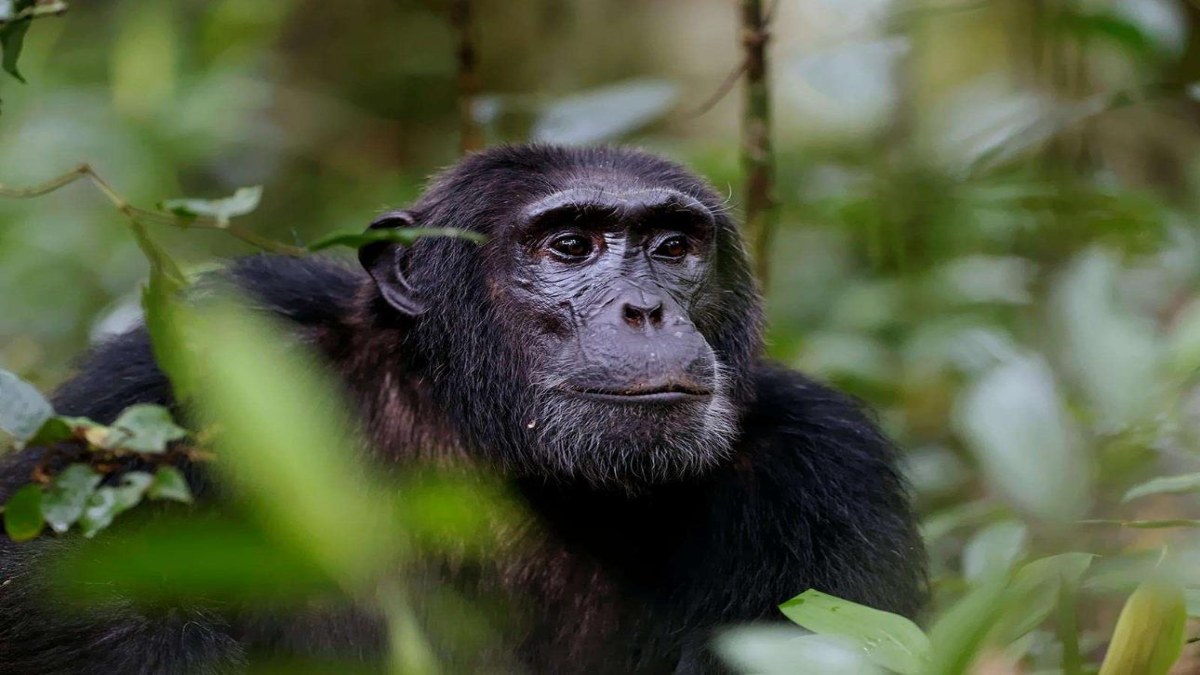
Chimpanzee trekking is one of Nyungwe’s leading attractions. Visitors enter the forest with guides and trackers to search for habituated chimpanzees.
The experience offers a contrast to the night walk, with an emphasis on observing active primates during daylight hours.
Nyungwe Canopy Walkway
The canopy walkway offers elevated views of the rainforest from a suspended bridge. It is a popular activity for visitors interested in forest scenery and photography.
Colobus Monkey Tracking
Nyungwe is famous for its groups of black-and-white colobus monkeys. Guided tracking offers another opportunity to discover the park’s primate diversity.
Guided Birdwatching
Nyungwe is a major destination for forest birding, including species associated with the Albertine Rift. A guided birding excursion is especially rewarding for visitors who want to identify specialized forest birds.
Waterfall Hiking
The Isumo Waterfall Trail is one of the area’s popular guided hikes. It provides an opportunity to explore the forest landscape and enjoy scenic waterfall views.
Tea Plantation Visits
The tea-growing landscapes around Nyungwe offer opportunities to learn about cultivation, harvesting, and local livelihoods. A tea visit adds a cultural and agricultural dimension to your safari.
Sample 2-Day Nyungwe Rainforest Adventure
Day 1: Travel to Nyungwe and Enjoy a Guided Night Walk
Depart Kigali and travel southwest through Rwanda’s scenic countryside. Arrive in the Nyungwe region and check into your accommodation.
After time to relax and prepare, transfer to the designated meeting point for your guided night walk. Explore the forest after dark while your guide helps you search for nocturnal primates and other wildlife.
Return to your accommodation for the night.
Overnight: Nyungwe region.
Day 2: Chimpanzee Trekking or Canopy Walkway and Return to Kigali
Wake up early for a chimpanzee trekking experience, subject to permit availability and your chosen itinerary. Alternatively, enjoy the canopy walkway, a guided birding excursion, or another suitable forest activity.
After the activity, begin the return journey to Kigali, allowing enough time for the road transfer.
This itinerary can be extended by an additional night for waterfall hiking, colobus monkey tracking, tea tours, or more relaxed exploration.
Can You Combine a Nyungwe Night Walk with Gorilla Trekking?
Yes. Travelers can combine Nyungwe National Park with Volcanoes National Park for a Rwanda safari featuring both nocturnal rainforest wildlife and mountain gorilla trekking.
The destinations are different and require advance planning for transport, accommodation, and separate activity permits.
A longer East African itinerary can also include Uganda for additional primate encounters, savannah wildlife, and cultural experiences.
Raptors Africa Safaris can help organize a route that fits your travel dates, interests, and budget.
Responsible Night Walking in Nyungwe
Nocturnal wildlife is sensitive to disturbance. Responsible tourism helps protect the animals and preserve the forest environment.
During your walk:
- Stay with your authorized guide.
- Keep noise to a minimum.
- Never attempt to touch, feed, or chase animals.
- Avoid shining lights directly at wildlife for extended periods.
- Follow the park’s photography rules.
- Do not leave litter in the forest.
- Follow all safety instructions and remain on designated trails.
Respecting these guidelines helps protect the wildlife that makes Nyungwe such a special destination.
Frequently Asked Questions About the Nyungwe Guided Night Walk
1. What is a guided night walk in Nyungwe?
It is a guided forest excursion after dark that allows visitors to search for nocturnal animals and learn about the rainforest’s nighttime ecosystem.
2. What animals can I see during a Nyungwe night walk?
Possible sightings include galagos, pottos, tree hyraxes, anomalures, insects, and other nocturnal wildlife. Sightings vary and cannot be guaranteed.
3. How much does a Nyungwe night walk cost?
The published 2025–2026 reference activity fee for international visitors is US$40 per person. Eligible foreign residents and Rwanda/EAC citizens have different rates. Park entry fees are additional, and current rates should be confirmed before booking.
4. What time does the Nyungwe night walk start?
Night walks have historically started at around 5:30 p.m. and ended in the evening. Confirm the current meeting time and duration with the park before your visit.
5. Is the night walk safe?
The activity is conducted with an authorized guide, but visitors must follow instructions, remain together, and stay on designated routes. Wildlife is unpredictable, and safety rules must be followed throughout the excursion.
6. Do I need to book the night walk in advance?
Advance confirmation is recommended, especially if you are traveling on fixed dates or combining the activity with chimpanzee trekking and other park experiences.
7. Can I do a night walk and chimpanzee trekking on the same day?
This may depend on your permit arrangements, activity schedules, and available time. Many visitors prefer to plan the activities across different parts of their itinerary to avoid rushing.
8. Is Nyungwe worth visiting for one night?
One night can allow you to experience a night walk and one additional activity if timing and availability permit. Two or more nights are preferable if you want to include chimpanzee trekking, birdwatching, hiking, and the canopy walkway.
Plan Your Nyungwe Guided Night Walk with Raptors Africa Safaris
The Nyungwe guided night walk offers a fascinating opportunity to discover Rwanda’s rainforest after dark and search for nocturnal wildlife that is rarely seen during daytime excursions.
From the calls of galagos to the possibility of spotting pottos and other elusive forest mammals, the experience adds a different dimension to a Rwanda wildlife holiday.
Whether you want a short rainforest adventure, a budget-conscious nature trip, or a wider East African safari combining chimpanzees, mountain gorillas, wildlife, and cultural encounters, Raptors Africa Safaris can help you plan your journey.
Contact Raptors Africa Safaris to discuss your travel dates, accommodation preferences, transport, and the activities you would like to include.
Ready to discover Nyungwe after dark?
Visit bookgorillatracking.com to start planning your Rwanda rainforest adventure with Raptors Africa Safaris.
Raptors Africa Safaris — Your gateway to East Africa’s wildlife and natural wonders.