Call: +256 702 595 926 | Email: info@bookgorillatracking.com

Congo Nile Trail Rwanda: Hiking, Cycling & Lake Kivu

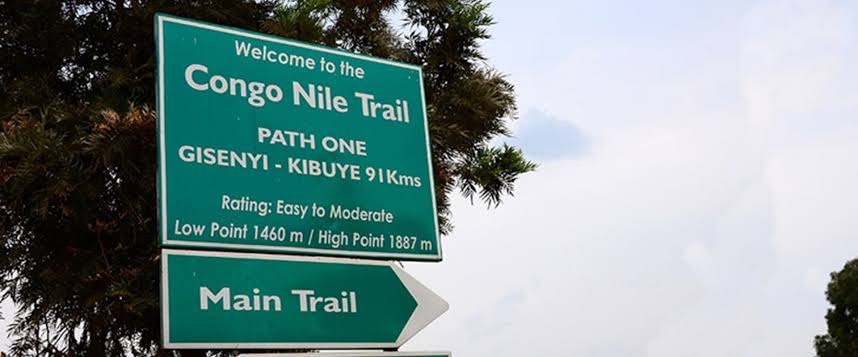
Congo Nile Trail Rwanda: The Ultimate Guide to Hiking, Cycling and Lake Kivu Adventures
Introduction: Discover Rwanda Along the Congo Nile Trail
Imagine cycling along winding mountain roads overlooking emerald-green waters, walking through rural villages surrounded by terraced hills, and stopping at local coffee farms to discover the traditions behind Rwanda’s famous coffee. This is the experience that awaits along the Congo Nile Trail in Rwanda, one of East Africa’s most rewarding routes for travellers seeking adventure, scenery and authentic cultural encounters.
Stretching approximately 227 kilometres along the eastern shores of Lake Kivu, the Congo Nile Trail connects Rubavu, in the north, with Rusizi, in the southwest. Along the way, it passes through rolling hills, fishing communities, tea-growing landscapes, coffee farms and peaceful lakeside settlements.
Unlike a conventional sightseeing tour, the Congo Nile Trail invites travellers to explore Rwanda at a slower pace. You can hike sections of the route, cycle through the countryside or combine outdoor activities with boat excursions and cultural experiences around Lake Kivu.
Whether you are an experienced cyclist, an enthusiastic hiker, a photographer or a traveller looking to experience Rwanda beyond its famous national parks, the Congo Nile Trail offers a memorable journey through the country’s beautiful western region.
Where Is the Congo Nile Trail Located?
The Congo Nile Trail is located in western Rwanda, following the eastern side of Lake Kivu. It begins in Rubavu, also known as Gisenyi, and continues south through the Lake Kivu region towards Rusizi, formerly known as Cyangugu.
The route passes through landscapes associated with the districts of Rubavu, Rutsiro, Karongi, Nyamasheke and Rusizi. Along the way, travellers experience the changing scenery of Rwanda’s western highlands, with steep hillsides, cultivated slopes, forest patches and lake views.
The trail’s name refers to the Congo-Nile watershed, the geographical divide separating drainage systems associated with the Congo Basin and the Nile Basin. The trail itself remains entirely within Rwanda; it does not cross into the Democratic Republic of Congo.
Lake Kivu is central to the experience. Its deep waters, green hills and scattered settlements create a scenic backdrop for hiking, cycling, photography and community visits.
Why Visit the Congo Nile Trail?
The Congo Nile Trail is more than a hiking or cycling route. It provides an opportunity to experience Rwanda’s landscapes and everyday life away from the country’s main tourist centres.
1. Spectacular Views of Lake Kivu
Lake Kivu is one of Rwanda’s most beautiful natural attractions. Along the trail, viewpoints reveal the lake’s bays, peninsulas, forested hills and small settlements scattered along the shoreline.
The changing light throughout the day makes the route particularly appealing to photographers. Early mornings can bring peaceful lake views, while late afternoons often provide beautiful conditions for landscape photography.
2. Hiking Through Rwanda’s Green Hills
For walkers, the Congo Nile Trail offers a combination of rural footpaths, village routes and sections of undulating terrain. The landscape can be challenging, with steep climbs and descents, but the scenery provides a rewarding backdrop.
Hiking also creates opportunities to observe local life at a natural pace. You may pass farmers working on terraced slopes, children travelling between villages and residents carrying out their daily activities.
The complete trail generally takes around ten days on foot, while shorter sections are suitable for visitors with less time. Some hiking itineraries also incorporate short boat transfers.
3. Mountain Biking Adventures
Cycling is one of the most popular ways to explore the Congo Nile Trail. The route combines scenic riding with significant elevation changes, making it appealing to travellers who enjoy active holidays.
Cyclists can travel through agricultural landscapes, small settlements and stretches of countryside overlooking Lake Kivu. Depending on the selected section, the route may include paved roads, gravel and unpaved surfaces.
The full route can be completed in approximately five days by bicycle, although the actual duration depends on fitness, weather, stops and the chosen itinerary. Shorter rides are also possible for visitors who want to experience part of the trail without completing the entire distance.
A suitable mountain bike, helmet, drinking water, repair equipment and support arrangements are important for a safe and enjoyable journey.
4. Coffee and Tea Experiences
Agriculture is an important part of life around Lake Kivu, and the trail passes through landscapes associated with coffee production and tea cultivation.
Travellers may have opportunities to visit coffee-growing communities, learn about harvesting and processing, and understand how coffee moves from the farm to the cup. Depending on the location and arrangements, a visit may include a coffee-tasting experience or an introduction to local production methods.
Tea-growing landscapes add another dimension to the journey, with cultivated hillsides creating striking patterns across the countryside.
These experiences should be arranged in advance where a specific farm, cooperative or guided demonstration is required.
5. Authentic Village Encounters
One of the most rewarding aspects of the Congo Nile Trail is the opportunity to encounter everyday life in rural Rwanda.
Along the route, visitors pass through communities where farming, fishing, small businesses and local markets remain central to daily life. A guided journey can introduce travellers to local traditions, food, crafts and community-led tourism initiatives.
Responsible interactions are important. Ask permission before photographing people, respect local customs and choose experiences that provide a fair benefit to the communities involved.
6. Birdwatching and Nature
The hills, cultivated landscapes, forest patches and lakeshore habitats support a variety of birdlife. Travellers interested in nature can look for opportunities to observe birds during walks, cycling breaks and lakeside stops.
Birdwatching is particularly enjoyable when the itinerary allows time to pause rather than focus exclusively on covering distance. A local guide with birding knowledge can add value by helping identify species and explain their habitats.
Wildlife sightings vary with location, season and conditions, so the trail is best understood as a landscape and outdoor adventure rather than a guaranteed wildlife-viewing experience.
The Main Sections of the Congo Nile Trail
The route can be divided into stages, allowing visitors to choose a journey that suits their available time, interests and fitness level.
Rubavu to Kinunu
Rubavu, formerly Gisenyi, is the northern gateway to the Congo Nile Trail. Situated on the shores of Lake Kivu, it provides a convenient starting point for cycling and hiking adventures.
The journey south towards Kinunu introduces travellers to lakeside scenery, green hills and agricultural landscapes. This section is a good choice for visitors who want to experience the trail without committing to a multi-day expedition.
Possible highlights include Lake Kivu viewpoints, rural settlements and coffee-related experiences where available.
Kinunu to Karongi
The route towards Karongi, also known as Kibuye, takes travellers through more of the western highlands. The landscape features steep slopes, cultivated hillsides and views across the lake.
This section can be physically demanding, particularly for cyclists who are not accustomed to sustained climbing. However, the combination of scenery and rural encounters makes it a rewarding part of the trail.
Karongi is an attractive place to pause, relax beside Lake Kivu and enjoy the atmosphere of one of the region’s principal lakeside towns.
Karongi to Nyamasheke
South of Karongi, the trail continues through quieter rural landscapes, with opportunities to experience agricultural communities and the natural scenery of the Lake Kivu region.
Depending on the itinerary, travellers may arrange community visits, coffee experiences or scenic stops along the way.
This section is well suited to visitors who prefer a slower journey with time for photography and interaction with local communities.
Nyamasheke to Rusizi
The southern section leads towards Rusizi, near the southern end of Lake Kivu. It offers further opportunities to appreciate the region’s rolling hills, lakeside scenery and rural settlements.
Rusizi can also serve as a connection point for travellers interested in exploring southwestern Rwanda, including Nyungwe National Park, subject to their overall itinerary and transport arrangements.
The full route involves considerable changes in elevation, so daily distances should be planned according to the fitness and experience of the travellers.
Hiking or Cycling: Which Is Best?
The right way to explore the Congo Nile Trail depends on your interests, fitness and available time.
Choose hiking if you want to:
- Explore rural footpaths at a slower pace.
- Spend more time observing nature and local life.
- Enjoy a walking holiday with opportunities for photography.
- Combine walking with selected boat transfers where available.
Choose cycling if you want to:
- Cover more distance in a shorter period.
- Enjoy an active mountain-biking holiday.
- Experience the hills and lakeside scenery from the saddle.
- Combine exercise with village and coffee stops.
Choose a shorter section if you have limited time. A half-day or full-day experience can introduce you to the trail without requiring a commitment to the entire 227-kilometre route.
Best Time to Explore the Congo Nile Trail
The Congo Nile Trail can be explored at different times of the year, but weather conditions affect trail surfaces, cycling difficulty and hiking comfort.
The relatively drier periods, particularly June to September and December to February, are often attractive for outdoor activities. However, rainfall can occur at any time, and wet conditions may make unpaved sections slippery or more difficult to navigate.
During wetter periods, the surrounding hills can appear especially green, but travellers should allow flexibility in their schedules.
Before departure, check the forecast and discuss trail conditions with your guide or operator. Cyclists should also confirm the suitability of their equipment and whether vehicle support is available for their chosen route.
Where to Stay Along the Congo Nile Trail
Accommodation depends on the section of the trail and the type of experience you prefer.
In larger lakeside towns such as Rubavu and Karongi, travellers can find a range of hotels and lodges. Elsewhere, smaller guesthouses, community-based accommodation and camping may be options, depending on local availability and the planned route.
For a multi-day hike or cycling trip, it is important to arrange overnight stops before departure. The distances between suitable accommodation, available meals and the condition of the route should all be considered when planning each stage.
Travellers seeking additional comfort may prefer an itinerary with private transport between selected sections, allowing them to enjoy the trail without carrying all their belongings from one overnight stop to the next.
What to Pack for the Congo Nile Trail
Preparation makes a significant difference to your experience, especially when tackling steep hills or long cycling stages.
Recommended items include:
- Comfortable hiking boots or suitable cycling shoes.
- Lightweight, breathable clothing.
- A waterproof jacket.
- Sun protection, including sunscreen and a hat.
- Reusable drinking-water bottles.
- A small daypack.
- Personal medication and basic first-aid supplies.
- A camera or smartphone.
- Binoculars for birdwatching.
- A helmet and appropriate repair equipment for cycling.
For longer itineraries, ask your operator what luggage support, drinking water, meals and technical assistance will be provided.
Responsible Tourism Along the Congo Nile Trail
The Congo Nile Trail offers opportunities for tourism to support rural livelihoods and community initiatives. Travellers can contribute positively by choosing responsible guides and operators, purchasing locally made products and respecting the environment.
Avoid littering, remain on authorised routes and follow guidance when visiting farms, homes or community projects. Ask permission before photographing people and respect requests for privacy.
Where possible, choose experiences that create meaningful benefits for local residents rather than treating communities simply as attractions.
A responsible journey helps protect the natural landscapes and cultural character that make the Congo Nile Trail special.
Frequently Asked Questions About the Congo Nile Trail
How long is the Congo Nile Trail?
The Congo Nile Trail is approximately 227 kilometres long, running from Rubavu in the north to Rusizi in the south along the eastern side of Lake Kivu.
How many days does it take to complete the trail?
The full route generally takes around ten days on foot or approximately five days by bicycle. Shorter sections can be completed in a day or over several days, depending on your itinerary.
Is the Congo Nile Trail suitable for beginners?
Some shorter sections may suit beginners with reasonable fitness, but the full route includes substantial climbs and descents. Choose your distance according to your fitness and experience, and seek advice from a local guide before booking.
Can I explore the Congo Nile Trail without hiking the whole route?
Yes. The trail can be explored in individual sections. A day hike, cycling excursion or multi-day section is a good option for travellers with limited time.
What can I see along the Congo Nile Trail?
Highlights include Lake Kivu scenery, green hills, rural villages, coffee-growing areas, tea plantations, nature and opportunities for cultural encounters.
Is the Congo Nile Trail in Rwanda or the Democratic Republic of Congo?
The trail is entirely within Rwanda. Its name refers to the Congo-Nile watershed, not to a cross-border route.
Can the Congo Nile Trail be combined with other Rwanda destinations?
Yes. Depending on your schedule, you can combine the trail with Lake Kivu relaxation, Kigali sightseeing or a visit to Nyungwe National Park. Longer itineraries may also include other parts of Rwanda.
Plan Your Congo Nile Trail Adventure with Raptors Africa Safaris
The Congo Nile Trail is an invitation to discover Rwanda beyond its best-known attractions. From the shores of Lake Kivu to the green hills and welcoming communities of the western region, every section offers a different perspective on the country’s landscapes and culture.
Whether you prefer hiking, mountain biking, coffee experiences or a relaxed exploration of the lakeside countryside, a well-planned itinerary can help you make the most of your time.
Raptors Africa Safaris can help you plan a tailor-made Rwanda adventure based on your travel dates, preferred activities, fitness level and accommodation style.
Contact our team to discuss a Congo Nile Trail experience, from a short scenic excursion to a multi-day journey along Lake Kivu.
Raptors Africa Safaris — discover Africa through authentic journeys, nature and culture.