Call: +256 702 595 926 | Email: info@bookgorillatracking.com

Big Five Safari in Uganda: Where to See All Five

Big Five Safari in Uganda: Where to See Lions, Leopards, Elephants, Buffaloes and Rhinos
A Big Five safari in Uganda offers travellers an exciting opportunity to discover Africa’s most iconic large mammals while exploring some of the country’s most beautiful national parks and wildlife reserves. From lions resting beneath acacia trees to elephants crossing open savannah, leopards hiding in woodland and rhinos encountered on foot, Uganda offers a rewarding combination of classic safari experiences and conservation-focused wildlife encounters.
The African Big Five consists of the lion, leopard, African elephant, African buffalo and rhinoceros. The name originated in big-game hunting and referred to five animals considered particularly challenging to hunt on foot. Today, the term is widely used in wildlife tourism to describe an iconic safari checklist.
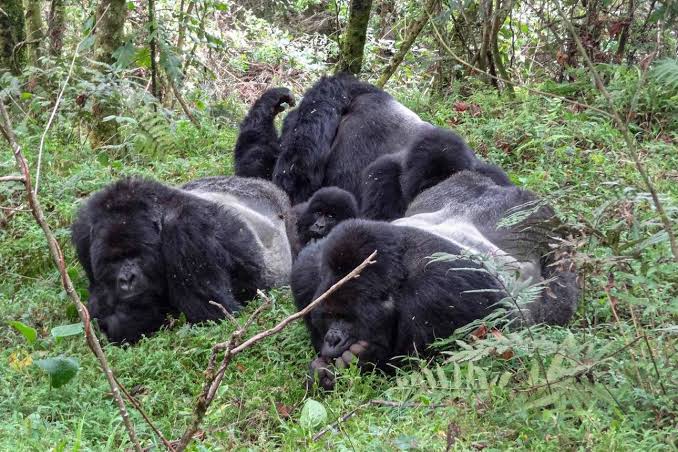
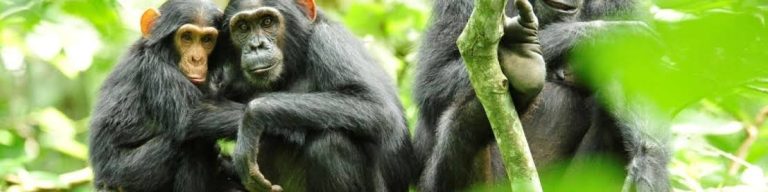
Uganda is an excellent destination for travellers hoping to see the Big Five alongside other wildlife experiences, including mountain gorilla trekking in Bwindi Impenetrable National Park, chimpanzee trekking in Kibale Forest and boat safaris on the Nile or Kazinga Channel.
At Raptors Africa Safaris, we help travellers plan Uganda wildlife safaris that combine the best available opportunities to see these animals with scenic landscapes, cultural experiences and other wildlife encounters.
What Are the Big Five Animals?
The Big Five are five iconic African mammals: the lion, leopard, African elephant, African buffalo and rhinoceros. Each has distinctive characteristics and occupies an important place in Africa’s ecosystems.
In Uganda, four of these animals roam the country’s major savannah national parks. Rhino viewing is a separate conservation experience, most commonly arranged at Ziwa Rhino Sanctuary, where visitors can track white rhinos on foot with trained guides.
Here is a quick guide to the Big Five in Uganda:
- Lion: Best known for sightings in Murchison Falls National Park, Queen Elizabeth National Park and Kidepo Valley National Park.
- Leopard: Present in several savannah parks, although its secretive behaviour makes sightings less predictable.
- African elephant: Found in major wildlife parks, including Murchison Falls, Queen Elizabeth and Kidepo Valley.
- African buffalo: Commonly encountered in herds across Uganda’s savannah landscapes.
- Rhinoceros: White rhinos can be tracked on foot at Ziwa Rhino Sanctuary, subject to current visitor arrangements.
No safari operator can guarantee every sighting. The time of year, weather, wildlife movements and duration of your safari all influence your chances.
1. African Buffaloes in Uganda
African buffaloes are among the most frequently encountered members of the Big Five on a Uganda safari. They live in herds that may contain dozens or even hundreds of animals, grazing in open grasslands or gathering near water.
Buffaloes are powerful wild animals with strong curved horns. Although they may appear calm while grazing, they can become dangerous when threatened, injured or approached too closely. Visitors should always observe them from a safe distance.
Where to See Buffaloes in Uganda
Queen Elizabeth National Park: Buffaloes are commonly seen on the Kasenyi Plains, around the Kazinga Channel and in other suitable habitats throughout the park.
Murchison Falls National Park: Large herds can be encountered during game drives across the savannah and woodland north of the Nile.
Kidepo Valley National Park: The Narus Valley is a notable location for buffalo viewing, with herds moving across the grasslands in search of grazing and water.
Lake Mburo National Park: Buffaloes are also found in Lake Mburo, where visitors can encounter them during game drives and other authorised wildlife activities.
A game drive in the early morning or late afternoon can provide rewarding opportunities to observe buffaloes feeding, interacting and moving across the landscape.
2. Lions in Uganda
Lions are among the most sought-after animals on an African safari. These large cats live in social groups called prides and hunt a range of prey, including antelopes, buffaloes and other mammals.
Uganda offers several destinations for lion viewing, although sightings depend on the location of individual prides and the time spent exploring suitable habitats.
Where to See Lions in Uganda
Queen Elizabeth National Park
Queen Elizabeth National Park is famous for its tree-climbing lions in the Ishasha sector. These lions are sometimes seen resting in fig trees, particularly during the warmer hours of the day. This behaviour makes Ishasha one of Uganda’s most distinctive wildlife attractions, although tree-climbing lion sightings are never guaranteed.
The Kasenyi Plains are another important area for lion viewing, with open grasslands supporting prey species that attract predators.
Murchison Falls National Park
Murchison Falls offers excellent opportunities to search for lions during savannah game drives, particularly in the northern part of the park. Experienced guides help visitors scan the grasslands and woodland for lions resting, hunting or moving through their territories.
Kidepo Valley National Park
Kidepo is a remote wilderness destination with opportunities to encounter lions in the Narus Valley and other suitable habitats. Its open landscapes and relatively secluded setting appeal to travellers seeking a less crowded safari experience.
For the best chances of seeing lions, plan multiple game drives rather than relying on a single outing.
3. African Elephants in Uganda
The African elephant is the world’s largest living land mammal and one of the most impressive animals to encounter on safari. Elephants live in social groups often led by an experienced female, known as the matriarch.
They play a vital ecological role by dispersing seeds, opening pathways through vegetation and influencing the structure of their habitats.
Elephants are generally peaceful when left undisturbed, but they can be dangerous if they feel threatened. Visitors should remain inside their safari vehicles unless their guide has authorised a safe activity.
Where to See Elephants in Uganda
Murchison Falls National Park: Elephants are frequently encountered during game drives and boat cruises along the Nile, where they may gather near the riverbanks.
Queen Elizabeth National Park: The park’s savannah, woodland and water sources support elephants, which may be seen around the Kasenyi Plains and Kazinga Channel area.
Kidepo Valley National Park: Elephants roam the park’s savannah and woodland habitats, providing another opportunity to see these impressive mammals.
Elephant sightings can be especially rewarding during a boat safari, when visitors may observe animals drinking, bathing or feeding along the water’s edge.
4. Leopards in Uganda
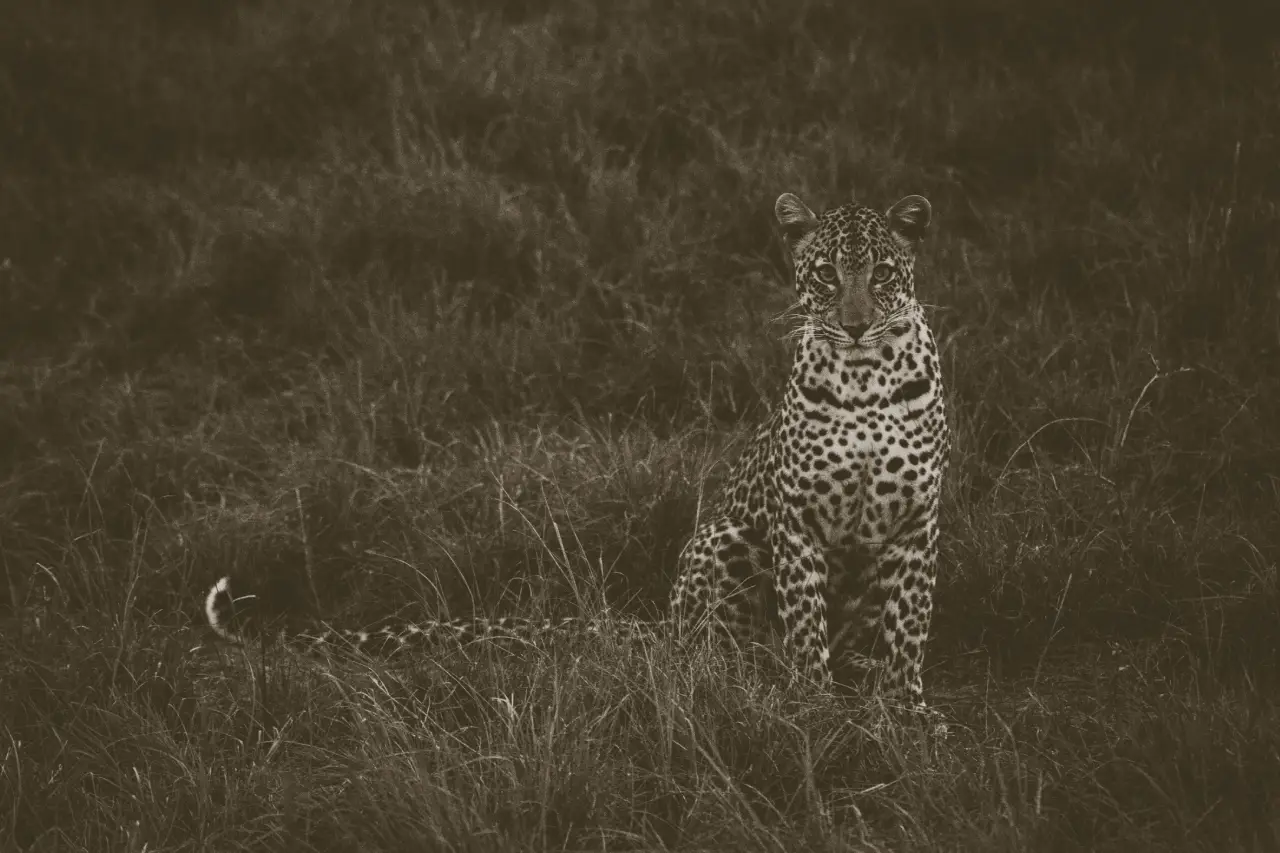
Leopards are among the most elusive members of the Big Five. These solitary cats are excellent climbers, possess beautifully patterned coats and can adapt to a range of habitats, including woodland, rocky terrain and forest edges.
Unlike lions, leopards often hunt alone and are most active around dusk, at night and in the early morning. Their camouflage and secretive behaviour make them challenging to spot, even in areas where they are known to occur.
Where to See Leopards in Uganda
Murchison Falls National Park: Leopards inhabit suitable woodland and riverine habitats. Game drives require patience and careful scanning of trees, rocky areas and shaded vegetation.
Queen Elizabeth National Park: Leopards occur in different parts of the park, although sightings are less predictable than those of elephants and buffaloes.
Kidepo Valley National Park: The park’s rocky outcrops, grasslands and woodland habitats can support leopards, making them another potential highlight for visitors.
Lake Mburo National Park: Leopards are also present in Lake Mburo, although spotting them is not guaranteed.
A longer safari with several well-planned game drives gives you more opportunities to see a leopard. Where permitted and available, a guided night drive may provide an additional opportunity to search for nocturnal wildlife.
5. Rhinoceros in Uganda
Rhinos are the fifth member of the Big Five and an important symbol of African wildlife conservation. They are large herbivorous mammals with one or two horns, depending on the species.
Uganda’s wild rhino populations were lost through decades of poaching and insecurity. Conservation programmes have since worked to restore rhinos to the country through breeding and reintroduction initiatives.
Where to See Rhinos in Uganda
Ziwa Rhino Sanctuary is the best-established destination for visitors seeking a rhino-tracking experience on foot. Located along the route between Kampala and Murchison Falls National Park, the sanctuary allows visitors to explore the habitat with trained guides and rangers.
During a guided visit, you may learn about rhino behaviour, feeding habits, conservation challenges and ongoing efforts to increase the population.
Uganda has also begun rhino reintroduction efforts in Kidepo Valley National Park. Because this is a developing conservation programme, travellers should confirm current visitor access and viewing arrangements before planning a rhino experience there.
The most practical option for many Uganda safaris remains Ziwa Rhino Sanctuary, which can be incorporated into a northern Uganda itinerary.
Important distinction: Ziwa is known for southern white rhinos, not northern white rhinos. Visitors should follow the sanctuary’s instructions throughout the tracking experience and never approach the animals independently.
Where to See the Big Five on a Uganda Safari
Uganda’s main savannah parks offer different wildlife experiences. A complete Big Five itinerary combines one of these parks with a suitable rhino-viewing experience.
Murchison Falls National Park
Murchison Falls National Park is one of Uganda’s leading destinations for classic African wildlife safaris. The park combines open savannah, woodland, riverine habitats and the spectacular Nile, which forces its way through a narrow gorge at Murchison Falls.
Game drives provide opportunities to search for lions, leopards, elephants and buffaloes. Visitors may also encounter giraffes, Uganda kob, hartebeest, warthogs, baboons and other wildlife.
A boat cruise on the Nile adds another dimension to the safari, with opportunities to observe hippos, crocodiles, waterbirds and animals gathering along the riverbanks.
Many travellers visit Ziwa Rhino Sanctuary on the way to Murchison Falls, making this one of the most practical routes for a Big Five safari in Uganda.
Queen Elizabeth National Park
Queen Elizabeth National Park is one of Uganda’s most diverse wildlife destinations. Its landscapes include savannah plains, wetlands, crater lakes, forests and the Kazinga Channel.
The park is particularly known for its elephants, buffaloes, lions and the tree-climbing lions of Ishasha. Leopards also inhabit the park, although they are more difficult to find.
The Kazinga Channel boat cruise is a major highlight, offering excellent opportunities to observe hippos, crocodiles, waterbirds and other wildlife. Chimpanzee trekking in Kyambura Gorge can also be added to some itineraries, subject to permit availability.
Queen Elizabeth is an excellent choice for travellers who want to combine classic game viewing with birdwatching, scenic landscapes and primate experiences.
Kidepo Valley National Park
Kidepo Valley National Park lies in northeastern Uganda, close to the borders with South Sudan and Kenya. Its remote location, rugged mountains, expansive plains and seasonal rivers create a distinctive wilderness experience.
The Narus Valley is a key area for wildlife viewing, with opportunities to see elephants, buffaloes, lions and other savannah mammals. Leopards are present but remain elusive.
Kidepo is particularly attractive to travellers who prefer remote landscapes and fewer vehicles during game drives. Because it is far from Uganda’s main international gateways, it generally requires more travel time than Murchison Falls or Queen Elizabeth.
Visitors interested in rhinos should check the current status of Kidepo’s rhino reintroduction programme and confirm whether any visitor-facing tracking activities are available.
Lake Mburo National Park
Lake Mburo National Park is a compact wildlife destination in southwestern Uganda, making it a useful addition to a safari travelling between Kampala and the gorilla trekking region.
The park is known for zebras, impalas, elands, buffaloes, giraffes, hippos and numerous bird species. Walking safaris and boat trips on Lake Mburo can provide different perspectives on its wildlife.
Leopards may also be encountered, but sightings are unpredictable. Lake Mburo does not currently offer the same established lion-viewing experience as Uganda’s principal lion destinations, so it should not be presented as a reliable place to complete the Big Five.
It is best suited to travellers looking for a varied wildlife experience, particularly when combining savannah animals with gorilla trekking in Bwindi.
Ziwa Rhino Sanctuary
Ziwa Rhino Sanctuary is an essential stop for many travellers planning a traditional Big Five safari in Uganda. Its location north of Kampala makes it convenient to include on the journey to Murchison Falls National Park.
Unlike vehicle-based game drives in the savannah parks, rhino tracking at Ziwa is conducted on foot with trained guides. The experience allows visitors to learn about rhino conservation and observe these remarkable animals in their protected habitat.
Allow enough time for the guided activity and confirm current entry fees, booking arrangements and visitor requirements before travelling.
How to Plan a Big Five Safari in Uganda
A successful Big Five safari depends on choosing the right route, allowing enough time for game drives and including a dedicated rhino experience.
Suggested 6-Day Uganda Big Five Safari
Day 1: Entebbe or Kampala to Ziwa Rhino Sanctuary
Travel north from Entebbe or Kampala and stop at Ziwa Rhino Sanctuary for a guided rhino-tracking experience, subject to the schedule and availability. Continue to your overnight accommodation near Masindi or Murchison Falls.
Day 2: Murchison Falls National Park
Travel into Murchison Falls National Park and enjoy a game drive in search of elephants, buffaloes, lions and other wildlife. Overnight at a lodge inside or near the park.
Day 3: Game Drive and Nile Boat Cruise
Start with an early-morning game drive, when wildlife may be active. Later, enjoy a boat cruise on the Nile towards the base of Murchison Falls, subject to availability. Look for hippos, crocodiles, waterbirds and wildlife along the banks.
Day 4: Explore Murchison Falls
Enjoy another game drive or visit the top of Murchison Falls, depending on your interests and the itinerary. A second game drive increases your opportunities to search for elusive animals such as leopards.
Day 5: Transfer towards Entebbe or continue south
Depending on your travel plans, return towards Entebbe or continue towards western Uganda. Travellers with more time can extend the itinerary to Queen Elizabeth National Park for additional wildlife viewing.
Day 6: Departure or safari extension
Depart Uganda or continue with a longer itinerary that includes chimpanzee trekking in Kibale Forest and mountain gorilla trekking in Bwindi Impenetrable National Park.
This is a suggested route, and the exact duration depends on your arrival and departure times, accommodation preferences and whether you want to include additional national parks.
Can You Combine the Big Five with Gorilla Trekking in Uganda?
Yes. Uganda is one of the few safari destinations where visitors can combine a Big Five-focused wildlife itinerary with mountain gorilla trekking and chimpanzee encounters.
A longer itinerary can include:
- Ziwa Rhino Sanctuary for rhino tracking.
- Murchison Falls National Park for savannah wildlife and a Nile boat cruise.
- Kibale Forest National Park for chimpanzee trekking.
- Queen Elizabeth National Park for lions, elephants, buffaloes and other wildlife.
- Bwindi Impenetrable National Park for mountain gorilla trekking.
This combination offers an exceptional variety of experiences, from tracking large mammals in open savannah to observing great apes in tropical forests.
Gorilla and chimpanzee permits are separate from park entry fees and should be checked and booked well in advance, particularly during busy travel periods.
Best Time for a Big Five Safari in Uganda
Uganda offers wildlife viewing throughout the year, but relatively dry periods can make game drives and walking activities more comfortable.
June to September: These months generally provide favourable conditions for game drives in many parts of Uganda. Drier vegetation can improve visibility, although local weather patterns vary.
December to February: Another relatively dry period that can be suitable for wildlife viewing, photography and combining several national parks.
March to May and September to November: Rainfall is generally more frequent during these periods. The landscapes are lush and attractive, although some roads and trails may become muddy.
The best time depends on your preferred destinations, the activities you want to include and your overall travel dates. Wildlife sightings are never guaranteed, even during the dry season.
Tips for Seeing the Big Five in Uganda
- Allow enough time: Spend multiple days in wildlife areas rather than expecting to see every animal during one game drive.
- Start early: Morning drives can be productive for observing active wildlife.
- Use an experienced guide: Guides understand animal movements, habitats and the best places to search.
- Be patient when looking for leopards: Their camouflage and nocturnal habits make them harder to spot than many other mammals.
- Include Ziwa in your route: For many travellers, this is the most practical established rhino-tracking experience.
- Bring binoculars and a camera: These help you observe animals without approaching them.
- Respect wildlife: Remain in the vehicle during game drives unless participating in an authorised guided activity, and always follow your guide’s instructions.
Frequently Asked Questions About the Big Five in Uganda
Can you see all the Big Five animals in Uganda?
Yes, Uganda offers opportunities to see all five species on a well-planned safari. Lions, leopards, elephants and buffaloes can be found in major savannah parks, while rhino tracking is most commonly arranged at Ziwa Rhino Sanctuary. Sightings of wild animals cannot be guaranteed.
Which national park is best for a Big Five safari in Uganda?
Murchison Falls National Park and Queen Elizabeth National Park are both excellent choices for searching for lions, leopards, elephants and buffaloes. Kidepo Valley National Park is another rewarding destination for travellers seeking remote wilderness. Add a rhino-tracking experience to complete the traditional Big Five checklist.
Can I see rhinos in Murchison Falls National Park?
Ziwa Rhino Sanctuary is the best-established rhino-tracking destination for visitors travelling to Murchison Falls. Uganda’s rhino reintroduction programme is also progressing at Kidepo, but current visitor access should be confirmed before planning a rhino experience there.
Are the tree-climbing lions found in Uganda?
Yes. Queen Elizabeth National Park’s Ishasha sector is famous for tree-climbing lions. However, the behaviour is not guaranteed to be observed on every visit, and the lions may be resting on the ground or elsewhere in their territory.
Are leopards easy to see in Uganda?
No. Leopards are naturally elusive and are generally harder to spot than elephants and buffaloes. Multiple game drives, an experienced guide and patience can improve your chances.
Can I combine a Big Five safari with gorilla trekking?
Yes. A Uganda itinerary can combine rhino tracking, savannah game drives, chimpanzee trekking and gorilla trekking. The route and duration should be planned carefully to allow for road transfers and permit availability.
How many days do I need for a Big Five safari in Uganda?
Around five to seven days can provide a useful starting point for a northern Uganda itinerary combining Ziwa Rhino Sanctuary and Murchison Falls National Park. Travellers who want to include Queen Elizabeth, gorilla trekking or chimpanzee trekking should allow additional time.
Book Your Big Five Safari with Raptors Africa Safaris
A Big Five safari in Uganda combines classic African wildlife viewing with memorable conservation experiences. Search for lions on the savannah, watch elephants along the Nile, observe buffalo herds across open grasslands and track white rhinos on foot at Ziwa Rhino Sanctuary.
With additional time, you can extend your journey to include the tree-climbing lions of Ishasha, chimpanzee trekking in Kibale Forest and mountain gorilla trekking in Bwindi.
Raptors Africa Safaris can help you plan a Uganda safari around your travel dates, budget and wildlife interests, with a practical route that combines the country’s most rewarding wildlife destinations.
Contact Raptors Africa Safaris to plan your Big Five safari in Uganda and discover the wildlife, landscapes and conservation experiences that make the country such a special destination.