Call: +256 702 595 926 | Email: info@bookgorillatracking.com

Gorilla Trekking Rules
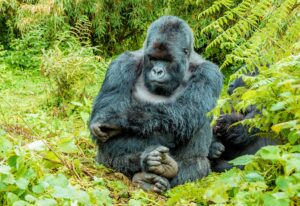
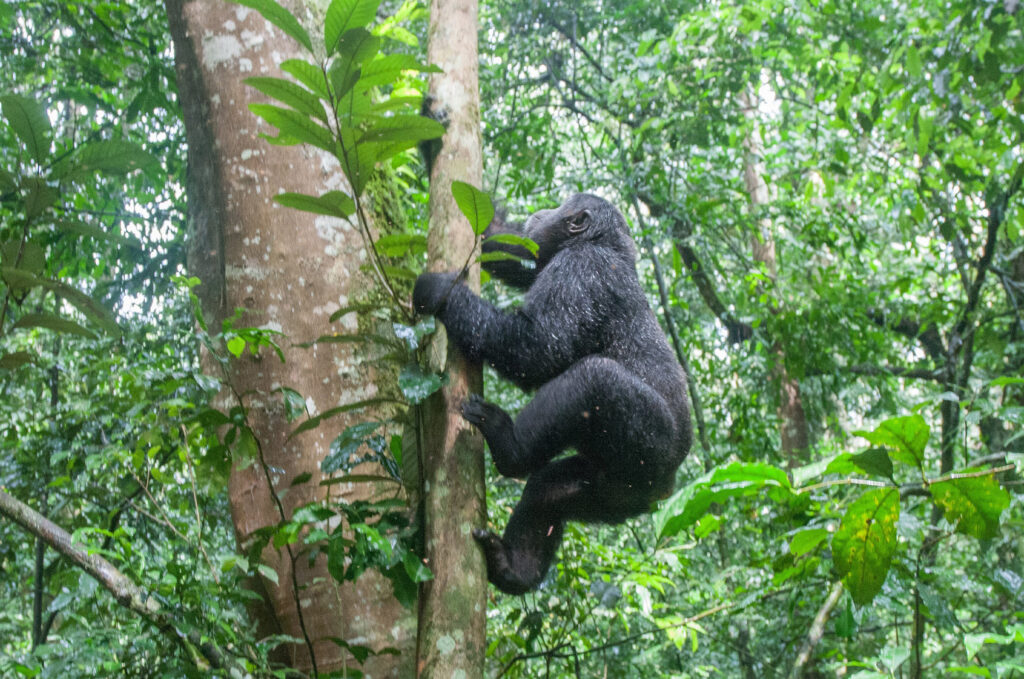
Gorilla trekking is amazingly one of the most profound wildlife experiences and to most nature enthusiasts; it is a life changing adventure. Visiting Uganda, Rwanda and Congo is a lifetime opportunity to enjoy up close and personal with the rare mountain gorillas while in their natural habitats. The 3 countries shelter the world’s 1063 mountain gorillas and your gorilla trekking tour is all about immersing yourself into the African jungles to search for these unique apes in the wild.
Before you embark on an immersion into the tropical rainforests of Uganda, Rwanda and Congo to encounter mountain gorillas, briefing is conducted in the morning for tourists to understand the different gorilla trekking guidelines/safety measures to observe. Gorilla trekking rules in Uganda, Rwanda, and Congo are not different and serve the same purpose. They are intended to ensure protection of not only mountain gorillas but also visitors.
Below are gorilla trekking rules in Uganda, Rwanda and Congo
- According to the set gorilla trekking rules, permits are only issued to persons above 15 years. Children aren’t permitted to visit gorillas because they are believed to be carriers of infectious diseases such as chickenpox, flu, cold and mumps. Such infectious diseases can easily be spread to gorillas thus impacting on their health.
- A maximum of 8 (eight) are allowed to visit a single gorilla family. This gorilla trekking rule is intended to reduce on any possibility of disease transmission and also disturbance to gorilla family behaviors.
- Tourists with infectious diseases aren’t allowed to go to trek gorillas. Over 98% of gorilla’s DNA is similar to that of humans which makes them susceptible to infectious respiratory diseases.
- In case a visitor wants to assist himself/herself while on a gorilla trek, all human wastes must be buried as instructed by the park ranger guide. Observing this gorilla trekking guideline helps protect mountain gorillas from getting infected by infectious diseases.
- At all times, observe the park ranger guide’s regulations. Keep low your voices while in the wild searching for a gorilla family. Loud noise can scare away gorillas or make them irritated hence charge at you.
- The gorilla habitat should be kept clean and free of any rubbish. Don’t leave behind the used tissues, bottles and food staffs, especially after eating your snacks. Such items may contain germs that may cost on the lives of the gorillas in their natural habitat.
- When trekking, don’t clear or destroy the vegetation. The act may scare away the primates and take it as an attack. The park ranger guide can assist create area for you to capture the best pictures of the mountain gorillas in their habitat.
- Always maintain a distance a distance of 8 meters away from a gorilla family to minimize any risk of spreading infectious diseases.
- Avoid direct eye contact with gorillas because they can mistake it differently. Also, avoid lifting your arms/hands as gorillas may take it as aggression.
- Avoid touching gorillas even when they draw close to you.
- Wear clothes that aren’t bright –preferably, consider environmentally friendly attire.
- Your hands should be washed thoroughly before you start your trek to see gorillas.
- Smoking, drinking or eating while with gorillas is not acceptable. Any droplets or food remains put these apes at a risk of contracting diseases. With our DNA similar to that of gorillas by 98%, smoking puts these apes at the risk of respiratory diseases.
- Stand still and follow the park ranger guides’ instructions when the gorilla charges at you.
- When taking photos, it is advisable to turn off the flashlight to avoid irritating gorillas and they end up charging at you.
- Gorilla permits are a must to carry for gorilla trekking and in Uganda, each permit is issued at USD 700, in Rwanda USD1500 and USD 400 for D.R. Congo. While in Congo, there is possibility of trekking the Eastern lowland gorillas and more.
The best time to travel to trek African gorillas is during the dry season: June, July, August to September, or December, January to February. Not only are the roads accessible during these months, but also the steep slopes aren’t slippery and vegetation cover is clear.
Explore Uganda Safaris
- 25 Days Uganda Safari
- 21 Days Uganda Safari
- 20 Days Uganda, Rwanda and DRC Safari
- 20 Days Uganda Safari Holiday
- 18 Days Uganda Safari
- 18 Days Best of Tanzania Kenya Uganda and Rwanda Safari
- 15 Days Uganda Safari Adventure
- 10 Days Safari in Uganda
- 10 Days Gorillas and Zanzibar Safari
- 10 Days Uganda-Rwanda Safari
- 12 Days Uganda safari
- 14 days gorillas and adventure Safaris in Uganda
- 14 Days Uganda, Rwanda And Tanzania Safari
- 8 Days Gorilla Circuit in Uganda, Rwanda and D.R Congo
- 6 days Uganda gorillas and wildlife safari
- 5 Days Bwindi gorillas and Queen Elizabeth NP Wildlife
- 2 Days Golden Monkeys Trekking in Uganda
- 4 Days Bwindi double Gorilla Trekking
- 4 Days Bwindi Gorillas and Lake Bunyonyi
- 4 days Mgahinga golden monkeys and Gorilla trekking