+256-702 595 926 | info@bookgorillatracking.com

10-Day Uganda Birding Safari: Shoebill & Rare Birds

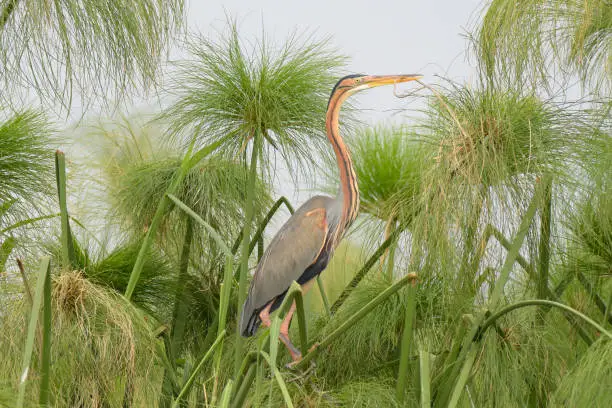
10-Day Uganda Birding Safari: Shoebill, Albertine Rift Endemics and Rainforest Birds
Uganda is one of Africa’s most rewarding birdwatching destinations, offering exceptional diversity across tropical rainforests, papyrus wetlands, montane forests, savannah grasslands and freshwater lakes. This 10-day Uganda birding safari is designed for keen birders, ornithologists, wildlife photographers and nature enthusiasts seeking an unforgettable journey through the country’s leading birdwatching hotspots.
From searching for the prehistoric-looking Shoebill in Mabamba Swamp to identifying rare Albertine Rift endemics in Bwindi Impenetrable National Park, this safari combines specialised birding excursions with spectacular wildlife encounters. The journey also explores Lake Mburo National Park, Queen Elizabeth National Park and Kibale Forest, where diverse habitats support an impressive variety of resident and migratory birds.
Along the way, you can look for the African Green Broadbill, Grauer’s Rush Warbler, Great Blue Turaco, African Finfoot, White-backed Night Heron and numerous other sought-after species. Depending on the season, habitat conditions and your guide’s expertise, the itinerary can be tailored to prioritise particular birds and photographic opportunities.
Organised by Epic Uganda Vacation, this 10-day birding adventure combines expert-guided birdwatching, scenic road journeys and opportunities to experience Uganda’s remarkable biodiversity.
10-Day Uganda Birding Safari Highlights
- Search for the Shoebill during a guided canoe excursion in Mabamba Swamp.
- Explore the acacia woodlands and lakeshore habitats of Lake Mburo National Park.
- Search for Albertine Rift endemic birds in Bwindi Impenetrable National Park.
- Explore the Mubwindi Swamp trail in Bwindi’s Ruhija sector.
- Enjoy birdwatching in the Ishasha sector of Queen Elizabeth National Park.
- Take a boat cruise along the wildlife-rich Kazinga Channel.
- Explore Bigodi Wetland Sanctuary near Kibale Forest.
- Look for the Green-breasted Pitta and other forest specialists.
- Add mountain gorilla trekking or chimpanzee tracking to your birding adventure.
Detailed 10-Day Uganda Birding Safari Itinerary
Day 1: Arrival in Entebbe and Birding at Entebbe Botanical Gardens
Entebbe Botanical Gardens Uganda Great Blue Turaco birding Lake Victoria forest
Upon arrival at Entebbe International Airport, you will be welcomed by your safari guide and transferred to your hotel. Depending on your arrival time, you may begin your Uganda birding safari with an introductory birdwatching excursion at the Entebbe Botanical Gardens.
Located along the shores of Lake Victoria, the gardens contain mature trees, woodland, lakeshore vegetation and other habitats that attract a variety of birds. It is an excellent place to begin familiarising yourself with Uganda’s birdlife before travelling to more specialised birding destinations.
Species to look for include the Great Blue Turaco, Orange Weaver, Golden-backed Weaver, Superb Sunbird and other woodland and lakeshore birds. Verreaux’s Eagle-Owl may also be encountered in suitable areas, although sightings are never guaranteed.
Your guide will help you identify birds by their calls, plumage, behaviour and habitat while allowing time to recover from your international journey.
Birding focus: Woodland birds, weavers, sunbirds, turacos and Lake Victoria shore species.
Overnight: Entebbe.
Day 2: Shoebill Tracking in Mabamba Swamp and Transfer to Lake Mburo National Park
Shoebill stork in Mabamba Swamp Uganda papyrus wetland canoe birdwatching
Begin the morning early with a transfer to the Mabamba Wetland, one of Uganda’s best-known locations for Shoebill watching. The wetland lies on the northern shores of Lake Victoria and is characterised by papyrus swamps, channels and floating vegetation.
You will board a local motorised canoe and travel through the narrow waterways with an experienced birding guide. The main objective is to find the extraordinary Shoebill, a large, prehistoric-looking bird that attracts birdwatchers from around the world.
Mabamba also supports a variety of wetland birds, including herons, egrets, jacanas, kingfishers and other water-associated species. Depending on conditions, you may encounter additional species while navigating the papyrus channels.
After the morning excursion, return to the mainland and begin the drive to Lake Mburo National Park in western Uganda. The journey takes several hours, so the day combines an early start with a substantial road transfer.
Arrive at your lodge in the late afternoon or evening, depending on road conditions and the duration of the Shoebill excursion.
Birding focus: Shoebill, papyrus-associated birds, herons, egrets and wetland species.
Overnight: Lake Mburo National Park.
Day 3: Lake Mburo National Park – Acacia Woodland and Savannah Birding
Lake Mburo National Park Uganda African Finfoot bird on water acacia savannah
Spend the day exploring the varied habitats of Lake Mburo National Park, a rewarding destination for birdwatchers interested in acacia woodland, open savannah, lakeshores and wetland birds.
Begin with a morning birding excursion when many species are active. Your guide will help you search woodland edges, grasslands and suitable water-associated habitats for a range of resident birds.
Lake Mburo is particularly interesting for birders seeking species associated with acacia savannah and dry-country habitats. Depending on the locations visited, possible sightings include African Finfoot, White-backed Night Heron and other wetland birds, alongside woodland and grassland species.
An afternoon boat cruise on Lake Mburo, when available, provides a different perspective on the park’s aquatic habitats. The cruise may offer opportunities to observe waterbirds, kingfishers and other species along the shoreline.
The park also supports mammals such as zebras, impalas, elands, buffaloes and hippos, making it an excellent destination for combining birdwatching with wildlife viewing.
Birding focus: Acacia woodland birds, savannah species, waterbirds and possible African Finfoot sightings.
Overnight: Lake Mburo National Park.
Day 4: Transfer to Bwindi Impenetrable National Park – Birding in the Highlands
Bwindi Impenetrable National Park Uganda misty montane rainforest hills birding
After breakfast, depart Lake Mburo and travel towards Bwindi Impenetrable National Park. The route passes through the scenic highlands of southwestern Uganda, with rolling hills, cultivated slopes, forest patches and changing vegetation.
As you gain elevation, the landscape gradually changes from open savannah and farmland to cooler highland environments. The journey provides opportunities for birding stops where road conditions, access and time allow.
Bwindi is one of Uganda’s most important birdwatching destinations because its ancient rainforest supports a rich bird community, including numerous species associated with the Albertine Rift.
On arrival, settle into your lodge in the selected trekking sector. For an itinerary prioritising the Mubwindi Swamp trail, plan to stay in or near the Ruhija sector.
Birding focus: Highland birds, forest-edge species and introductory Albertine Rift birding.
Overnight: Bwindi Impenetrable National Park, preferably Ruhija for the Mubwindi Swamp excursion.
Day 5: Bwindi Impenetrable National Park – Mubwindi Swamp Birding Trail
Mubwindi Swamp Ruhija Bwindi Uganda African Green Broadbill birdwatching montane forest
Dedicate the day to specialised birdwatching in Bwindi, with the Mubwindi Swamp trail in the Ruhija sector as the principal excursion.
Mubwindi Swamp is regarded as one of the region’s outstanding birding locations. The trail passes through montane forest towards a high-altitude wetland, providing opportunities to search for sought-after Albertine Rift species.
Birders will be particularly interested in the African Green Broadbill and Grauer’s Rush Warbler, alongside other forest and montane species. The exact sightings depend on the season, weather, habitat conditions and time spent searching.
The hike involves descending into a valley and climbing back out, so a reasonable level of fitness is important. Muddy paths and steep sections may make the walk physically demanding.
An experienced birding guide can help identify calls and locate birds that might otherwise remain hidden in dense vegetation. Allow sufficient time for quiet observation and photography.
Birding focus: African Green Broadbill, Grauer’s Rush Warbler and other Albertine Rift forest specialists.
Overnight: Ruhija, Bwindi.
Day 6: More Bwindi Birding or Mountain Gorilla Trekking
Bwindi Impenetrable National Park Uganda mountain gorilla in lush rainforest
Choose between a second day of specialised birdwatching and an optional mountain gorilla trekking experience.
For dedicated birders, another forest excursion provides additional time to search for Albertine Rift endemics and species missed on the previous day. A flexible schedule is valuable because some forest birds require patience, repeated listening and careful observation.
Alternatively, eligible travellers can participate in mountain gorilla trekking in Bwindi. The experience involves hiking through the forest with trained rangers and trackers in search of a habituated gorilla family. Once the gorillas are located, the standard experience generally allows one hour of observation.
Gorilla trekking requires a separate permit, and availability depends on the date and trekking sector. If you choose this option, arrange the permit and accommodation together so that your trekking location matches your itinerary.
Birding focus: Additional Albertine Rift endemics and montane forest birds.
Alternative activity: Mountain gorilla trekking with an advance permit.
Overnight: Bwindi Impenetrable National Park.
Day 7: Transfer to Ishasha – Riverine Forest and Savannah Birding
Ishasha sector Queen Elizabeth National Park Uganda savannah riverine forest birds landscape
Leave Bwindi after breakfast and travel towards the Ishasha sector of Queen Elizabeth National Park. This part of southwestern Uganda is known for its open savannah, woodland and riverine habitats.
The change in altitude and vegetation creates a new set of birdwatching opportunities. Your guide will look for species associated with woodland edges, grasslands and riverine forest.
The Ishasha River and surrounding vegetation may attract kingfishers, herons, bee-eaters, raptors and other birds. Southern Carmine Bee-eaters may be encountered in suitable areas during their seasonal presence, but their appearance depends on timing and local conditions.
Ishasha is also famous for its tree-climbing lions. Although this safari is primarily focused on birds, a game drive may provide opportunities to look for lions, elephants, buffaloes, Uganda kob and other mammals.
Birding focus: Savannah birds, riverine species, raptors and seasonal bee-eaters.
Overnight: Ishasha sector, Queen Elizabeth National Park.
Day 8: Kasenyi Plains and the Kazinga Channel Boat Cruise
Kazinga Channel Queen Elizabeth National Park Uganda African fish eagle waterbirds hippos elephants boat safari
Continue your birding safari through Queen Elizabeth National Park, one of Uganda’s most diverse wildlife destinations. Depending on your overnight location and the route selected, travel towards the Kasenyi Plains for morning birdwatching and wildlife viewing.
The open grasslands of Kasenyi support numerous savannah birds, while the surrounding wetlands and woodland patches offer additional habitats. The plains are also known for Uganda kob and other mammals, attracting predators and scavenging birds.
In the afternoon, enjoy a boat cruise along the Kazinga Channel, which connects Lake George and Lake Edward. The channel is particularly productive for observing water-associated wildlife at relatively close range.
Look for African fish eagles, cormorants, pelicans, herons, egrets and other waterbirds. Seasonal visitors may add to the diversity, and large concentrations of birds can sometimes be seen along the water’s edge.
Hippos, elephants, buffaloes and other mammals frequently use the channel’s banks, making the boat cruise a highlight for both birdwatchers and wildlife enthusiasts.
Birding focus: Savannah birds, waterbirds, fish eagles, pelicans and other channel species.
Overnight: Queen Elizabeth National Park, in the northern sector or near the Kazinga Channel.
Day 9: Transfer to Kibale Forest and Birding at Bigodi Wetland Sanctuary
Bigodi Wetland Sanctuary Uganda Great Blue Turaco birdwatching boardwalk tropical wetland
After breakfast, drive to Kibale Forest National Park, one of Uganda’s most important destinations for primate viewing and forest birdwatching.
In the afternoon, visit Bigodi Wetland Sanctuary, a community-managed conservation area near Kibale. Its wetland vegetation, forest edges and boardwalks provide opportunities to observe birds in a different setting from Bwindi’s montane forest.
Bigodi is well known among birdwatchers for its turacos, woodland birds, wetland species and other forest-associated birds. The Green Hylia and Great Blue Turaco are among the species birders may hope to encounter, while the wider area supports a variety of additional forest and wetland birds.
Your guide will help you explore the trails at a comfortable pace and explain the importance of community-led conservation.
Bigodi also offers opportunities to learn about local livelihoods and conservation initiatives that connect tourism with the protection of natural habitats.
Birding focus: Turacos, wetland birds, forest-edge species and the Green Hylia.
Overnight: Kibale Forest or nearby accommodation.
Day 10: Kibale Forest Birding, Chimpanzee Tracking and Departure
Green-breasted Pitta Kibale Forest Uganda rainforest birdwatching
Spend the morning exploring Kibale Forest, with the precise activity depending on your birding priorities and departure schedule.
Kibale is famous for chimpanzee tracking, but it is also an important birding destination with forest species that are difficult to find in open habitats. The Green-breasted Pitta is a particularly sought-after bird, although finding it requires patience, suitable timing and some luck.
If you choose chimpanzee tracking, you will enter the forest with trained guides to search for a habituated chimpanzee community. The experience offers a fascinating opportunity to observe our closest living relatives in their natural environment. Chimpanzee tracking requires an appropriate permit and advance planning.
For dedicated birders, a specialised morning birding excursion may be preferable if finding additional forest species is the main priority. Your guide can tailor the activity to the birds you still hope to see.
After the morning activity, begin the road transfer towards Entebbe or Kampala, depending on your onward arrangements.
Important departure note: The drive from Kibale to Entebbe takes several hours. For an international flight, an overnight stay before departure is recommended if the flight leaves early or if there is insufficient time for a comfortable road transfer. An additional night can be added to the itinerary.
Birding focus: Green-breasted Pitta and other Kibale forest birds.
End of safari.
Best Time for a Uganda Birding Safari
Uganda offers birdwatching throughout the year, but the best period depends on your target species and preferred habitats.
- December to February: Often a useful period for forest birding and searching for resident species, subject to local weather conditions.
- March to May: Rainier conditions in many areas can make forest trails muddy, but the landscape is lush and bird activity can be rewarding.
- June to August: A popular period for travel and birding, although conditions vary across the country.
- September to November: Rainfall patterns vary, and seasonal migrants can add interest to birdwatching.
The best time to look for the Shoebill, Albertine Rift endemics or the Green-breasted Pitta may differ. Discuss your target list with your birding guide before finalising travel dates.
What Is Included in a 10-Day Uganda Birding Safari?
A customised birding safari package can include:
- Airport transfers and private safari transport.
- An experienced English-speaking birding guide.
- Nine nights of accommodation, depending on the final itinerary.
- Meals according to the selected accommodation plan.
- Guided birdwatching excursions in the featured destinations.
- The Mabamba Swamp canoe excursion.
- A boat cruise on the Kazinga Channel.
- Bigodi Wetland Sanctuary visit.
The following may be quoted separately or depend on the package:
- International flights and visas.
- Gorilla trekking and chimpanzee tracking permits.
- Travel insurance and personal expenses.
- Tips, drinks and activities not specified in the itinerary.
- Additional accommodation required for flight schedules.
Confirm the final inclusions, accommodation category and any permit costs before booking.
Frequently Asked Questions About the 10-Day Uganda Birding Safari
How many bird species can I see on a 10-day Uganda birding safari?
The total varies according to the season, habitats visited, weather, guide expertise and time spent birding. A specialised itinerary can produce a rewarding species list, but no responsible operator should guarantee a fixed number of sightings.
Is Mabamba Swamp the best place to see the Shoebill in Uganda?
Mabamba Wetland is one of Uganda’s most established locations for Shoebill watching. Sightings are not guaranteed, but a guided canoe excursion offers a strong opportunity to search for this remarkable bird.
Can I combine birdwatching with gorilla trekking?
Yes. Bwindi Impenetrable National Park offers both birdwatching and mountain gorilla trekking. A gorilla permit must be secured in advance, and the trekking sector should match your accommodation and itinerary.
Is this itinerary suitable for serious birders?
Yes. It covers several important habitats, including wetlands, acacia savannah, montane rainforest and lowland forest edges. Serious birders may prefer to adjust the route according to a target list and spend extra time at particular sites.
Can the itinerary be customised?
Yes. The route can be adapted to prioritise Albertine Rift endemics, Shoebill sightings, photography, particular bird families or additional time in Bwindi and Kibale.
Will we visit both the Buhoma Waterfall Trail and Mubwindi Swamp?
This version prioritises Mubwindi Swamp in the Ruhija sector. The Waterfall Trail is associated with the Buhoma sector, so including both requires careful planning of the overnight locations and road transfers. If both trails are essential, consider adding a day or revising the Bwindi section rather than attempting to fit both into an impractical schedule.
Book Your 10-Day Uganda Birding Safari with Epic Uganda Vacation
Uganda offers an outstanding combination of rare birds, rich forest habitats and memorable wildlife encounters. From the Shoebill wetlands of Mabamba to the Albertine Rift forests of Bwindi and the bird-rich channels of Queen Elizabeth National Park, this 10-day safari introduces travellers to some of the country’s most rewarding birdwatching locations.
Epic Uganda Vacation can tailor the itinerary to your target species, travel dates, preferred accommodation and birding experience. Whether you are a dedicated ornithologist or a nature enthusiast seeking a guided birdwatching adventure, we can help you plan a journey that balances productive birding with Uganda’s spectacular landscapes and wildlife.
Contact Epic Uganda Vacation to discuss your preferred dates, target bird list and accommodation preferences, and begin planning your Uganda birding safari.