+256-702 595 926 | info@bookgorillatracking.com

Nyamata Church Rwanda: Genocide Memorial & Visitor Guide

Nyamata Church Rwanda: History, Genocide Memorial and Visitor Guide

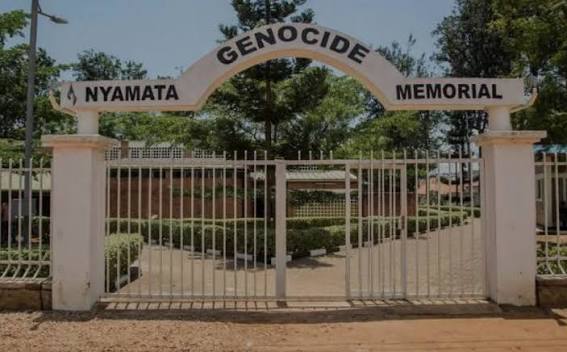
Nyamata Church in Rwanda is one of the country’s most significant historical memorial sites, preserving the memory of victims of the 1994 Genocide against the Tutsi. Located in Nyamata, Bugesera District, approximately 30 kilometres south of Kigali, the former Catholic church is now a place of remembrance, education and reflection.
During the genocide, thousands of Tutsi sought refuge in churches and other places they believed would offer protection. Nyamata Church became one of the sites where people searching for safety were massacred. Today, the memorial preserves physical evidence of the tragedy and honours the lives of those who were killed.
For travellers visiting Rwanda, a visit to Nyamata Church offers an opportunity to learn about the country’s painful history, understand the importance of remembrance and reflect on the value of peace, human dignity and reconciliation.
At Raptors Africa Safaris Ltd., we can incorporate Nyamata Church into a carefully planned Kigali city tour or a wider Rwanda cultural and historical itinerary.
Where Is Nyamata Church Located?
Nyamata Church Genocide Memorial is located in Nyamata town in Bugesera District, Eastern Province, Rwanda. The memorial lies south of Kigali and can be visited as part of a day excursion from the capital.
The site is officially recognised as part of Rwanda’s genocide memorial heritage. In 2023, UNESCO inscribed the memorial sites of Nyamata, Murambi, Gisozi and Bisesero on the World Heritage List. These sites preserve important evidence of the genocide and commemorate the people who lost their lives.
Because Nyamata Church is a solemn memorial, visitors should allow sufficient time to learn about its history and reflect quietly rather than treating it as an ordinary sightseeing stop.
The History of Nyamata Church
Before the 1994 Genocide
The history of Nyamata is connected to the wider history of discrimination and persecution experienced by Tutsi communities in Rwanda. In the late 1950s and early 1960s, many Tutsi were forcibly displaced from other parts of the country and relocated to Bugesera.
Nyamata Church was built in 1980. For members of the local community, the church was a place of worship and an important part of everyday religious life.
As political violence escalated in Rwanda in April 1994, Tutsi civilians sought refuge in churches and other locations, hoping that these places would protect them from attack.
The 1994 Genocide against the Tutsi
In April 1994, Nyamata Church became the scene of a massacre. Tutsi civilians who had gathered there seeking protection were attacked and killed.
The tragedy at Nyamata formed part of the wider Genocide against the Tutsi, during which more than one million people were killed across Rwanda over approximately 100 days between April and July 1994. The genocide was carried out by extremist forces and their supporters, targeting Tutsi and also killing others who opposed the violence.
The church’s significance lies not only in the number of lives lost but also in what the site reveals about the collapse of civilian protection during the genocide. A place associated with worship and sanctuary became a place of mass killing.
From Church to Genocide Memorial
Following the genocide, Nyamata Church was preserved as a memorial to those who died. It was formally desacralised in 1997 and became a national site of remembrance.
Rather than extensively rebuilding the structure, the memorial preserves elements of the building and objects associated with the victims. This allows visitors to encounter physical reminders of the violence and learn why preserving historical evidence matters.
The memorial is now part of Rwanda’s wider efforts to honour victims, educate future generations and prevent genocide and other mass atrocities.
What Can You See at Nyamata Church Genocide Memorial?
A visit to Nyamata Church is an educational and emotionally significant experience. The memorial preserves elements of the former church and its surroundings that help visitors understand the events of 1994.
1. The Preserved Church Interior
The interior of the former church retains evidence of the massacre, including damage to the building and belongings associated with victims.
Clothing and personal effects preserved at the site serve as reminders that those who died were individuals with families, hopes and ordinary lives before the violence.
Visitors should follow the guidance of memorial staff and avoid touching exhibits or disturbing preserved objects.
2. The Victims’ Personal Belongings
Personal belongings displayed at the memorial provide a deeply human connection to the people who were killed.
These objects are not simply historical artefacts. They are part of the record of lives interrupted by the genocide and are preserved to support remembrance and education.
Take time to read available explanations and listen to guides where offered. Understanding the context of the exhibits is more valuable than rushing through the site.
3. The Memorial Burial Grounds
The church compound includes mass graves and burial areas associated with victims of the genocide.
These spaces are maintained as places of mourning and remembrance. Visitors should behave respectfully, follow instructions and avoid treating the burial grounds as ordinary photography locations.
4. Historical Explanations and Memorial Information
Information presented at the site helps visitors understand the events surrounding the massacre and the memorial’s role in preserving evidence.
A knowledgeable guide can provide additional historical context and explain how Nyamata fits into the broader history of the Genocide against the Tutsi.
If you are particularly interested in Rwanda’s history, consider visiting more than one memorial site as part of a carefully planned itinerary.
Why Is Nyamata Church Important to Rwanda?
Nyamata Church holds national and international significance for several reasons.
Preserving historical evidence: The site retains physical reminders of the massacre and helps document what happened in 1994.
Honouring the victims: The memorial gives dignity and recognition to those who lost their lives and provides a place for remembrance.
Supporting education: Visitors can learn about the consequences of discrimination, dehumanisation, extremist ideology and mass violence.
Promoting remembrance and prevention: Memorial sites help future generations understand the importance of challenging hatred, protecting human rights and preventing atrocities.
Preserving cultural heritage: Nyamata is part of the group of Rwandan genocide memorial sites recognised by UNESCO for their outstanding universal value.
A visit is therefore not simply a historical excursion. It is an opportunity to reflect on the responsibilities individuals and societies share in protecting human dignity.
How to Visit Nyamata Church from Kigali
Kigali is the usual starting point for visitors travelling to Nyamata Church. The journey takes you south of the capital into Bugesera District.
A private vehicle with a driver-guide is a convenient option for travellers who want to combine the memorial with other historical or cultural experiences. Travelling with a guide can also help you plan the timing of your visit and understand the wider context of the site.
Before departure, confirm the memorial’s current visiting arrangements. Rwanda’s government provides an application service for visits to genocide memorial sites through government sit. Requirements may depend on the site and type of visit, so check the latest instructions before travelling, particularly for organised groups.
Best Time to Visit Nyamata Church
Nyamata Church can be included in a Rwanda itinerary throughout the year, subject to the memorial’s opening arrangements and any special commemorations.
April is an especially significant period because Rwanda begins its annual commemoration of the 1994 Genocide against the Tutsi on 7 April. Memorial events and visitor arrangements may differ during this period.
For a more flexible visit, plan ahead and confirm opening times, access arrangements and any restrictions before setting out.
Regardless of when you visit, approach the memorial with sensitivity. The purpose of the site is to honour victims and preserve historical memory.
Responsible Visitor Guidelines
Nyamata Church is a place of remembrance. Visitors should respect the dignity of the victims, their families and the people who maintain the memorial.
- Dress respectfully: Choose clothing appropriate for a solemn memorial.
- Maintain a quiet atmosphere: Speak softly and avoid disruptive behaviour.
- Follow photography rules: Ask staff about photography permissions and restrictions before taking pictures.
- Do not touch preserved objects: Historical evidence must remain protected.
- Respect burial areas: Follow designated paths and all instructions from memorial staff.
- Listen carefully: Give guides and other visitors space to reflect.
- Be sensitive when discussing the genocide: Avoid jokes, speculation or language that minimises the suffering of victims.
If travelling with children or teenagers, consider their readiness for a difficult historical visit and explain the purpose of the memorial beforehand.
Combine Nyamata Church With Ntarama Genocide Memorial
Travellers interested in learning more about the Genocide against the Tutsi can consider visiting Ntarama Genocide Memorial as well.
Like Nyamata, Ntarama is a former church where civilians sought refuge during the genocide. The site is now preserved as a memorial, and together the two locations illustrate how places of worship became sites of mass violence in 1994.
Combining both memorials can provide a broader understanding of the events in Bugesera District. However, these are emotionally demanding visits, so allow adequate time and avoid overloading the day with unrelated activities.
Nyamata Church and the Kigali Genocide Memorial
The Kigali Genocide Memorial in Gisozi offers another important perspective on Rwanda’s history. It serves as a place of burial, remembrance and education, with exhibitions documenting the genocide and its wider context.
The two memorials serve complementary purposes:
- Nyamata Church: Preserves the former church and evidence associated with a specific massacre.
- Kigali Genocide Memorial: Provides broader historical interpretation, exhibitions and remembrance in the capital.
For visitors with a strong interest in Rwanda’s history, visiting the Kigali Genocide Memorial before travelling to Nyamata may help provide context for the experience.
You can learn more through the Kigali Genocide Memorial’s official visitor information.
Suggested One-Day Kigali and Nyamata Historical Tour
A private itinerary can be adjusted according to your arrival time, interests and memorial access arrangements.
Morning: Kigali Genocide Memorial
Begin with a visit to the Kigali Genocide Memorial to learn about the history of the genocide and pay respect to the victims. Allow enough time for the exhibitions and reflection.
Late morning to early afternoon: Travel to Nyamata
Continue south to Bugesera District. On arrival, visit Nyamata Church Genocide Memorial, following the site’s guidance and visitor procedures.
Afternoon: Reflection and return to Kigali
Spend time learning about the memorial’s history and reflecting on its significance. Return to Kigali after the visit.
This is a suggested structure rather than a fixed schedule. Confirm travel times and access arrangements before finalising your tour.
Frequently Asked Questions About Nyamata Church Rwanda
Where is Nyamata Church located?
Nyamata Church Genocide Memorial is located in Nyamata town, Bugesera District, Eastern Province, Rwanda, approximately 30 kilometres south of Kigali.
What happened at Nyamata Church in 1994?
During the Genocide against the Tutsi, Tutsi civilians sought refuge in the church but were massacred there. The site is now preserved to commemorate the victims and educate visitors about the genocide.
Is Nyamata Church still an active church?
The former church was desacralised in 1997 and is preserved as a genocide memorial rather than functioning as an ordinary parish church.
Is Nyamata Church a UNESCO World Heritage Site?
Yes. Nyamata is one of four Rwandan genocide memorial sites inscribed together on the UNESCO World Heritage List in 2023.
Can I visit Nyamata Church from Kigali in one day?
Yes. It can be included in a day excursion from Kigali, either as a dedicated visit or as part of a wider historical itinerary. Allow enough time for travel, the memorial and reflection.
Is there an entrance fee?
Confirm the latest admission and visit requirements with the relevant memorial authorities before travelling. Do not assume that arrangements for one memorial site apply to all others.
Can I take photographs inside Nyamata Church?
Photography may be restricted in certain areas. Ask memorial staff for current rules and always respect the dignity of the site and the wishes of other visitors.
Can Nyamata Church be combined with Ntarama Memorial?
Yes. The two memorials are both in Bugesera District and can be included in a wider historical itinerary, subject to available time and current access arrangements.
Plan a Rwanda Historical Tour With Raptors Africa Safaris Ltd.
At Raptors Africa Safaris Ltd., we believe that meaningful travel involves understanding the history, people and heritage of the places we visit.
We can help you include Nyamata Church Genocide Memorial in a tailor-made Rwanda itinerary, together with Kigali sightseeing, Ntarama Genocide Memorial and other destinations according to your interests and available time.
For travellers seeking a broader experience, your journey can also include Rwanda’s mountain gorillas, Nyungwe National Park, Lake Kivu or other cultural and natural attractions.
Explore our Rwanda gorilla trekking safari or visit Book Gorilla Tracking to discuss your travel plans.
Raptors Africa Safaris Ltd. — Tailored Journeys Beyond Mapping.