+256-702 595 926 | info@bookgorillatracking.com

Mweya Peninsula, Uganda: Wildlife & Safari Guide

Mweya Peninsula, Uganda: Wildlife, Boat Cruises and Where to Stay
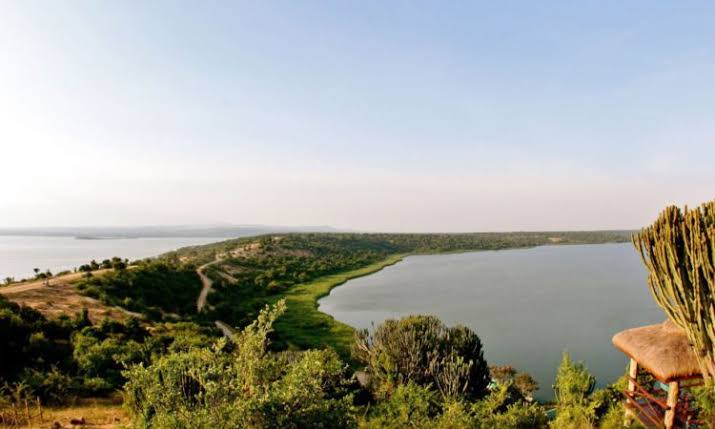
Mweya Peninsula is one of the most scenic places to visit in Queen Elizabeth National Park, western Uganda. Located where the Kazinga Channel meets Lake Edward, this wildlife-rich peninsula offers panoramic views, excellent birdwatching opportunities, access to game drives and one of Uganda’s most popular wildlife experiences: a boat cruise along the Kazinga Channel.
Surrounded by water, savannah and woodland, Mweya Peninsula is an excellent base for travellers exploring Queen Elizabeth National Park. Visitors can watch hippos along the shoreline, look for elephants and buffaloes near the water, photograph waterbirds and enjoy views towards the Rwenzori Mountains when the weather is clear.
The peninsula is also home to established safari accommodation, including Mweya Safari Lodge, making it a convenient choice for travellers who want to combine comfort with easy access to wildlife activities.
Whether you are planning a short Uganda wildlife safari, a birdwatching holiday or a longer journey that includes chimpanzee tracking and mountain gorilla trekking, Mweya Peninsula deserves a place on your itinerary.
Where Is Mweya Peninsula?
Mweya Peninsula is located in Kasese District in southwestern Uganda, within Queen Elizabeth National Park. It projects into the waters around Lake Edward and the Kazinga Channel, near the point where the channel enters the lake.
Its elevated landscape provides views across the surrounding waterways and park scenery. The peninsula is also an important tourism hub, with accommodation, access to the Kazinga Channel boat cruise and routes connecting visitors to other areas of Queen Elizabeth National Park.
From Kampala or Entebbe, the journey is generally a full road transfer of several hours, depending on traffic, stops and road conditions. Many travellers break the journey with stops in western Uganda before continuing to the park.
Why Visit Mweya Peninsula?
Mweya Peninsula combines scenery, wildlife and convenient access to safari activities.
1. Spectacular views of the Kazinga Channel
One of the peninsula’s main attractions is its elevated position overlooking the Kazinga Channel. The waterway links Lake George to Lake Edward and supports a rich concentration of aquatic wildlife.
From suitable viewpoints, visitors can enjoy views across the water and surrounding plains. The scenery changes with the light, making the area attractive to landscape photographers.
2. Wildlife around the peninsula
The waters and surrounding habitats attract a variety of animals. Hippos may be seen in the channel, while elephants and buffaloes sometimes approach the banks to drink or feed.
Warthogs and other mammals may also be encountered around the peninsula. Sightings vary, and visitors should not expect every species to appear during a short visit.
3. Easy access to the boat cruise
Mweya is a principal departure point for boat trips on the Kazinga Channel. The cruise offers a different perspective on Queen Elizabeth National Park, bringing visitors close to the water’s edge and allowing them to observe wildlife from a boat.
4. A convenient safari base
Staying around Mweya makes it easier to combine a boat cruise with selected game drives, birdwatching and visits to other attractions in the park.
It is particularly convenient for travellers who want to explore the central and northern areas of Queen Elizabeth National Park without changing accommodation every night.
Things to Do at Mweya Peninsula
1. Take a Kazinga Channel Boat Cruise
The Kazinga Channel boat cruise is the signature activity associated with Mweya Peninsula. Trips commonly last about two hours, although schedules and durations depend on the operator and current arrangements.
During the cruise, visitors travel along the channel connecting Lake George and Lake Edward, observing wildlife and scenery from the water.
Animals and birds you may see include:
- Hippos: Often seen resting in the water or gathering in groups.
- Nile crocodiles: May be observed along the banks or near the water’s edge.
- African elephants: Sometimes approach the shoreline to drink or feed.
- Buffaloes: May be seen grazing or resting near the water.
- African fish eagles: Often associated with lakes and waterways.
- Pelicans, herons and storks: A variety of waterbirds may be observed during the trip.
- Kingfishers and other waterbirds: Look for birds perched near the banks or hunting around the water.
Wildlife sightings depend on the season, water conditions and animal movements, but the cruise is one of the most rewarding ways to experience the aquatic ecosystem of Queen Elizabeth National Park.
Travel tip: Consider booking the boat cruise in advance through your tour operator, particularly during busy travel periods. Confirm departure times, ticket arrangements and whether the trip is operated by Uganda Wildlife Authority or another provider.
2. Go on a Game Drive
Game drives around Mweya Peninsula provide opportunities to explore the park’s woodland, grassland and lakeside habitats.
Animals that may be encountered include elephants, buffaloes, warthogs, waterbucks and other mammals. Predators such as lions and leopards occur in Queen Elizabeth National Park, but sightings around Mweya are not guaranteed.
The peninsula’s vegetation can be relatively dense in places, which sometimes makes wildlife harder to spot than in more open savannah.
For travellers particularly interested in lions and large herds of grazing animals, a game drive in the nearby Kasenyi Plains can complement the Mweya experience.
Morning and late-afternoon drives are popular options, depending on the itinerary and current park arrangements.
3. Enjoy Birdwatching
Mweya Peninsula is an attractive destination for birdwatchers because it combines lakeside habitats, woodland, scrub and nearby open grassland.
Birds that may be observed around the peninsula and channel include:
- African fish eagle
- Pied kingfisher
- Malachite kingfisher
- Great white pelican
- Pink-backed pelican
- African jacana
- Herons and egrets
- Cormorants and other waterbirds
These are examples of birds associated with the wider area, not a guarantee of sightings on every visit.
For more specialised birding, combine Mweya with other habitats in Queen Elizabeth National Park, including Maramagambo Forest, Lake George and the Kasenyi area.
4. Enjoy the Views of Lake Edward
Lake Edward is one of the Great Lakes of East Africa and forms part of the international boundary between Uganda and the Democratic Republic of the Congo.
Mweya Peninsula provides access to views across the lake and its surrounding landscape. The setting is particularly appealing to photographers and travellers who enjoy wide-open scenery.
The lake itself is distinct from the Kazinga Channel, although the two are connected. A typical Kazinga Channel boat cruise explores the channel rather than making a full circuit of Lake Edward.
5. Look for Wildlife Around the Lodge and Shoreline
Wildlife may sometimes be seen near accommodation areas and along the peninsula’s roads. Hippos, warthogs and other animals may use nearby habitats, while birds are often active around the water and vegetation.
Even when you are not on a formal game drive, keep your eyes open for wildlife. However, never approach, feed or attempt to photograph animals from dangerously close distances.
Follow lodge and park safety instructions, particularly after dark.
6. Enjoy Sunrise and Sunset Photography
The peninsula’s elevated position offers opportunities for landscape photography across the channel, lake and surrounding plains.
Early morning may bring mist or soft light over the water, while late afternoon can produce warm colours across the landscape. Clear conditions may also reveal distant views towards the Rwenzori Mountains.
Weather and visibility vary, so allow time for more than one photography opportunity if scenery is important to your trip.
7. Learn About Queen Elizabeth National Park
Mweya is an important visitor hub for exploring the park. Depending on current arrangements, visitors may be able to access information about the park’s wildlife, habitats and conservation history through available visitor facilities or guided activities.
A knowledgeable safari guide can explain the connections between the Kazinga Channel, Lake Edward, Lake George and the surrounding savannah and wetland habitats.
This context makes wildlife viewing more rewarding because visitors learn how the different environments support the animals and birds they encounter.
Wildlife Around Mweya Peninsula
Mweya’s position beside the water makes it an interesting place to look for aquatic and terrestrial wildlife.
Hippos
Hippos are among the most recognisable animals associated with the Kazinga Channel. They spend much of the day in the water and often emerge to graze after dark.
Observe them from a boat or another safe, authorised location. Hippos can be dangerous, especially when approached too closely.
Elephants
Elephants move through Queen Elizabeth National Park and may visit water sources around the channel. Some can be seen from the boat during suitable conditions.
Buffaloes
Buffaloes may graze near the water or rest in the surrounding vegetation. They are powerful wild animals and should always be viewed from a safe distance.
Crocodiles
Nile crocodiles inhabit the aquatic ecosystem and may be seen resting on banks or floating in the water.
Warthogs and other mammals
Warthogs and other mammals may be encountered around the peninsula and its roads. The species seen will depend on habitat, time of day and animal movements.
Mweya is not a guaranteed wildlife checklist. The best approach is to enjoy the diversity of the landscape and allow your guide to adapt activities to current conditions.
Mweya Peninsula and the Kazinga Channel: What Is the Difference?
Although closely associated, Mweya Peninsula and the Kazinga Channel are different geographical features.
Mweya Peninsula is the land area that serves as a visitor and accommodation hub within Queen Elizabeth National Park.
The Kazinga Channel is the natural waterway connecting Lake George and Lake Edward. It is famous for boat cruises and wildlife viewing along the banks.
The peninsula is an excellent place to stay and begin activities, while the channel is the main setting for the boat safari.
Best Time to Visit Mweya Peninsula
Mweya Peninsula can be visited throughout the year. The best time depends on whether you are primarily interested in wildlife viewing, birdwatching or photography.
June to August
These months are generally part of Uganda’s drier period. Some park roads may be easier to navigate, and game drives can be productive. Conditions still vary from year to year.
December to February
This is another relatively dry period that many travellers consider for a wildlife safari. It can be convenient for combining Mweya with other destinations in western Uganda.
March to May and September to November
These periods commonly include wetter conditions, although rainfall patterns vary. The landscapes may be greener, and birdwatching can be rewarding, but some roads may become muddy or more difficult to navigate.
The Kazinga Channel boat cruise is offered in different seasons, subject to operating arrangements and conditions.
Recommendation: For a first-time Uganda safari, consider visiting during a relatively dry period if your main priority is game drives. Birdwatchers may prefer a more flexible approach based on target species and current conditions.
How to Get to Mweya Peninsula
Mweya Peninsula is accessed by road through Queen Elizabeth National Park in western Uganda. It can also be reached by air through suitable regional flight arrangements, depending on schedules and availability.
From Kampala or Entebbe
The road journey generally takes several hours and may occupy much of the day. The route commonly passes through western Uganda towards the Kasese and Queen Elizabeth National Park area.
Plan stops for meals and rest, especially if travelling with children or on a longer itinerary.
From Kasese
Kasese is a useful regional base for travellers heading towards Queen Elizabeth National Park. Road conditions and the time needed to reach Mweya depend on the route and current traffic.
From Kibale National Park
Mweya can be included after chimpanzee tracking in Kibale Forest National Park. The route and transfer time depend on your lodge, activity schedule and the road conditions.
From Bwindi Impenetrable National Park
Travellers can combine Mweya with Bwindi for a safari featuring wildlife viewing and mountain gorilla trekking. The route may pass through the Ishasha sector, depending on the itinerary.
Because Queen Elizabeth National Park covers a large area, plan the order of destinations carefully. The southern Ishasha sector is not a quick excursion from Mweya and is best handled as a separate stop when included in the itinerary.
Where to Stay at Mweya Peninsula
Mweya is one of the principal accommodation areas in Queen Elizabeth National Park. It is a convenient base for travellers prioritising the Kazinga Channel cruise and activities in the central part of the park.
Mweya Safari Lodge
Mweya Safari Lodge is an established lodge on the peninsula, with views over the surrounding landscape and access to the channel area. It is a strong option for travellers seeking a comfortable safari stay in a central location.
Confirm room categories, current facilities, rates and availability directly before booking.
Mweya Hostel and budget accommodation
Budget-oriented travellers should check the current availability of hostel or other lower-cost accommodation options in the Mweya area. Facilities and operating arrangements may change, so confirm details before making travel plans.
Lodges outside the peninsula
Travellers may also choose accommodation around Katunguru or other areas of Queen Elizabeth National Park. These alternatives can suit different budgets, but transfer times to the boat-cruise departure point and game-drive locations should be considered.
Accommodation tip: If the Kazinga Channel cruise is a priority, staying at or near Mweya can reduce the amount of driving needed for that activity.
Combine Mweya Peninsula with Other Uganda Safari Destinations
Mweya is an excellent starting point for exploring more of western Uganda.
Kasenyi Plains
The Kasenyi Plains are known for open savannah game drives and opportunities to look for Uganda kob, buffaloes, elephants and predators.
Lake Katwe
Visit the Katwe area to learn about traditional salt mining and the relationship between local communities and the region’s saline crater lakes.
Lake Munyanyange
This seasonal crater lake is of interest to birdwatchers, particularly when flamingos and other waterbirds are present. Sightings vary, so check current conditions.
Kyambura Gorge
Kyambura Gorge offers guided chimpanzee-tracking experiences when permits and tracking arrangements are available. The experience differs from gorilla trekking and depends on the movements of the chimpanzee community.
Ishasha Sector
Ishasha is in the southern part of Queen Elizabeth National Park and is known for its tree-climbing lions. Because it is a substantial drive from Mweya, consider an overnight stay in the southern sector if you want to explore it without rushing.
Bwindi Impenetrable National Park
For travellers who want to combine wildlife viewing with mountain gorilla trekking, Bwindi can be added to a wider western Uganda itinerary. Gorilla permits should be arranged in advance, and the route should be planned around the assigned trekking sector.
Responsible Tourism at Mweya Peninsula
Mweya is part of a protected ecosystem, and visitors play an important role in helping preserve its wildlife and landscapes.
- Follow your guide’s instructions and park rules.
- Never feed or approach wild animals.
- Keep a safe distance from hippos, elephants and other wildlife.
- Avoid littering and use designated waste facilities.
- Respect quiet zones and other visitors during wildlife activities.
- Choose responsible tourism providers and follow local conservation guidance.
Responsible behaviour helps protect the wildlife experience for future visitors while respecting the ecological importance of the peninsula and surrounding waters.
Is Mweya Peninsula Worth Visiting?
Yes. Mweya Peninsula is one of the most convenient places to stay when exploring Queen Elizabeth National Park, particularly for travellers interested in the Kazinga Channel boat cruise, lakeside scenery, birdwatching and wildlife drives.
Its location between the channel and Lake Edward provides a distinctive setting, while nearby safari activities make it easy to combine boat-based wildlife viewing with land-based exploration.
For a first-time visitor to Queen Elizabeth National Park, Mweya is an excellent base for a short safari. Travellers with more time can extend their trip to include the Kasenyi Plains, Lake Katwe, Kyambura Gorge, Ishasha and Bwindi Impenetrable National Park.
Plan Your Mweya Peninsula Safari with Raptors Africa Safaris
Raptors Africa Safaris can help you include Mweya Peninsula in a tailor-made Uganda safari. Combine a Kazinga Channel boat cruise with game drives, birdwatching and visits to the crater lakes around Queen Elizabeth National Park.
Whether you are planning a short wildlife break or a longer journey that includes chimpanzee tracking and mountain gorilla trekking, we can help design an itinerary around your interests, travel dates and budget.
Contact Raptors Africa Safaris to plan your Queen Elizabeth National Park safari and experience the wildlife and scenery of Mweya Peninsula.