+256-702 595 926 | info@bookgorillatracking.com

Muzabajiro Loop Trail, Bwindi: Hiking Guide

Muzabajiro Loop Trail, Bwindi: Hiking, Forest Scenery and Panoramic Views
The Muzabajiro Loop Trail is a rewarding hiking experience in Bwindi Impenetrable National Park in southwestern Uganda. Known for its rainforest scenery, forest wildlife and panoramic views from the surrounding hills, the trail is an excellent option for travelers who want to explore Bwindi beyond mountain gorilla trekking.
The hike takes visitors through lush vegetation toward Rukubira Hill, where the forest canopy, the Western Rift Valley and the distant Virunga volcanoes create an impressive landscape on clear days. Along the way, hikers can look for forest birds, butterflies, primates and fascinating plant life.
For nature lovers, photographers and adventurous travelers, the Muzabajiro Loop Trail offers a chance to experience Bwindi at a slower pace while appreciating the ecological richness of one of Uganda’s best-known protected forests.
Where Is the Muzabajiro Loop Trail?
The Muzabajiro Loop Trail is associated with the Buhoma area of Bwindi Impenetrable National Park, in southwestern Uganda. Buhoma is one of the park’s principal visitor areas and is widely known for mountain gorilla trekking, forest walks and community experiences.
The trail climbs through forest toward Rukubira Hill and provides views over Bwindi’s forested landscape and the Western Rift Valley. On clear days, hikers may also see parts of the Virunga mountain range.
The trail’s name is sometimes spelled Muzubijiro or Muzabajirro in tourism materials. Distances and route descriptions can also differ between published sources. Confirm the current route, starting point and walking arrangements with park staff or your local safari operator before your visit.
What to Expect on the Muzabajiro Loop Trail
1. Hike Through Bwindi’s Montane Rainforest
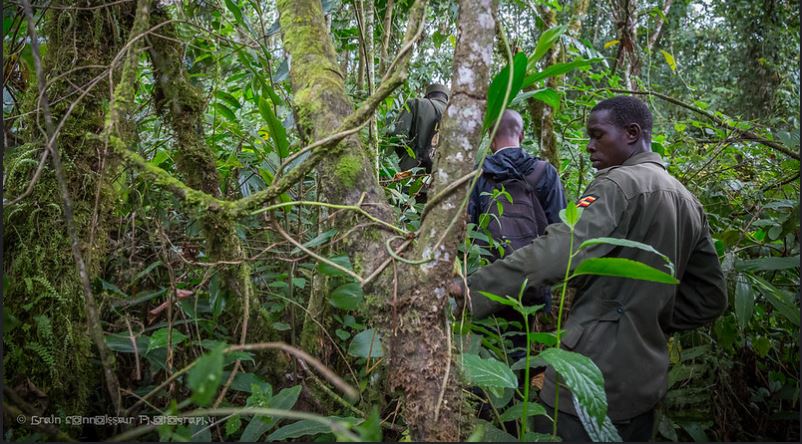
The walk introduces visitors to Bwindi’s lush montane rainforest, with its dense vegetation, tall trees, ferns and rich understory.
As you follow the trail, take time to notice the different layers of the forest. Mosses and climbing plants cover parts of the vegetation, while shafts of sunlight sometimes filter through the canopy. The damp forest environment supports a variety of plants, insects and wildlife.
A knowledgeable guide can help explain the forest ecosystem and point out features that visitors might otherwise miss.
The trail may be muddy or slippery after rainfall, and some sections involve uphill walking. Good footwear and a comfortable pace make the experience more enjoyable.
2. Enjoy Views from Rukubira Hill
One of the main highlights of the Muzabajiro Loop Trail is the climb toward Rukubira Hill.
From higher points along the route, hikers can enjoy views across Bwindi’s forest canopy and the surrounding landscape. The Western Rift Valley and Virunga volcanoes may be visible when skies are clear and visibility is good.
Weather can change quickly in this part of Uganda, so panoramic views are not guaranteed. Even when mist or cloud limits the distant scenery, the forest itself remains an important part of the experience.
Bring a camera if you enjoy landscape photography, and allow time to stop safely at suitable viewpoints.
3. Look for Birds and Butterflies
Bwindi is a valuable destination for birdwatchers, and the Muzabajiro Loop Trail provides opportunities to observe forest birds and other small wildlife.
Depending on conditions, visitors may encounter birds such as the blue-headed sunbird and other species associated with Bwindi’s montane forest. Butterflies and insects can also add interest to the walk.
Bird sightings depend on the season, weather, time of day and the experience of the guide. Travelers with a particular interest in birds should mention their target species when arranging the hike.
Binoculars are useful, especially when observing birds high in the canopy or moving through dense vegetation.
4. Discover Forest Wildlife
Bwindi supports numerous species of mammals and other wildlife. During the Muzabajiro Loop walk, visitors may see or hear monkeys, forest birds and other small animals.
Wildlife encounters are unpredictable, and the trail should not be treated as a guaranteed primate-viewing excursion. Mountain gorillas inhabit Bwindi, but visitors should not expect to encounter them during an ordinary nature walk.
Keep a respectful distance from wildlife, follow your guide’s instructions and avoid feeding or disturbing animals.
5. Appreciate the Forest’s Plant Life
The trail is also an opportunity to learn about Bwindi’s botanical diversity.
The forest contains a variety of trees, ferns, mosses and other plants adapted to its humid montane environment. Tree ferns are among the notable features associated with some of Bwindi’s hiking routes.
A guided walk can help visitors understand how the forest supports wildlife, protects soils and contributes to the wider ecosystem.
How Long Does the Muzabajiro Loop Trail Take?
The Muzabajiro Loop Trail is commonly described as taking approximately three to four hours. Some published information gives a distance of around 5.2 kilometres, while other descriptions provide different measurements.
The actual time required depends on your walking pace, the condition of the trail, weather and how often you stop to observe birds or enjoy the scenery.
The route includes uphill sections, so a reasonable level of fitness is recommended. If you have mobility concerns or are unsure about your fitness, discuss this with your guide before starting.
Confirm the day’s route and expected duration locally rather than relying solely on online distance estimates.
Is the Muzabajiro Loop Trail Difficult?
The trail is generally described as a moderate hike, making it suitable for many travelers who are comfortable walking on uneven forest paths.
However, it is not a paved nature path. The route involves climbing and may include muddy ground, exposed roots and slippery sections after rain.
To prepare:
- Wear sturdy hiking shoes or boots with good grip.
- Walk at a steady pace and take breaks when needed.
- Carry sufficient drinking water.
- Follow the guide’s instructions on steep or slippery sections.
- Tell your guide if you have any health or mobility concerns that may affect your ability to hike.
Children and less experienced hikers should discuss the route’s suitability with their tour operator before booking.
Best Time to Hike the Muzabajiro Loop Trail
The Muzabajiro Loop Trail can be considered throughout the year, subject to local access and weather conditions. However, some periods may offer more comfortable walking conditions.
June to August: These months are generally among Uganda’s drier periods. Trails may be easier to navigate, although rain is still possible in Bwindi.
December to February: Another relatively dry period that can be suitable for hiking and combining the walk with other safari activities.
March to May and September to November: Rainfall can make the trail muddy and slippery. The forest may look especially lush, but hikers should be prepared for wet conditions.
Because Bwindi is a tropical montane rainforest, weather can change quickly regardless of the season. Check conditions locally before your hike and bring waterproof clothing.
What to Pack for the Muzabajiro Loop Trail
Packing appropriately helps make the walk safer and more comfortable.
Recommended items include:
- Hiking boots or sturdy shoes with good traction
- Lightweight long trousers and a long-sleeved shirt
- Waterproof jacket or poncho
- Drinking water
- A small daypack
- Binoculars for birdwatching
- Camera or phone protected from rain
- Insect repellent
- A light snack, if permitted and needed
- Walking poles if you normally use them on uneven terrain
- Spare socks
Avoid carrying unnecessary heavy equipment. Keep your belongings secure and take all rubbish back with you.
Where to Stay for the Muzabajiro Loop Trail
Visitors planning to hike the Muzabajiro Loop Trail can look for accommodation in and around Buhoma. Staying nearby makes it easier to arrange a guided walk and combine hiking with other experiences in Bwindi.
Accommodation ranges from budget-friendly guesthouses to comfortable safari lodges and luxury properties. Your choice should depend on your budget, preferred level of comfort, transport arrangements and planned activities.
Before booking, confirm that the property is convenient for your actual trail starting point. Also check whether transport, meals and guided walking arrangements are included in the rate.
How to Get to the Muzabajiro Loop Trail
The trail is accessed through the Buhoma area of Bwindi Impenetrable National Park.
By road from Entebbe or Kampala
Travelers can reach Bwindi by road from Entebbe or Kampala. The journey is long and road conditions vary, particularly on the final approach to the park. Many safari itineraries include an overnight stay near Bwindi rather than attempting the entire journey and a hike on the same day.
From Kigali, Rwanda
Travelers arriving in Kigali may also arrange a cross-border safari to Bwindi. The route and journey time depend on the border crossing, road conditions and itinerary. Confirm passport, visa and vehicle documentation requirements before travelling.
Trail access
Arrange the hike in advance through the appropriate park authorities or an authorized safari operator. Confirm the starting point, guide arrangements, current access requirements and expected duration before setting out.
Combine the Muzabajiro Loop Trail With Gorilla Trekking
Mountain gorilla trekking is Bwindi’s best-known tourism experience, and the Muzabajiro Loop Trail can add variety to a stay in the area.
A gorilla trek involves joining an authorized guided group to search for a habituated mountain gorilla family. The Muzabajiro Loop, by contrast, focuses on hiking, forest scenery, plants, birds and views from the surrounding hills.
The activities can complement each other, but they should be planned separately. Gorilla trekking requires a valid permit, and availability should be confirmed before finalizing travel arrangements.
Responsible Hiking in Bwindi
Bwindi is an important conservation area and habitat for endangered mountain gorillas and many other species. Visitors can help protect the forest by following responsible hiking practices.
- Stay on the designated route and follow your guide.
- Do not leave litter in the forest.
- Avoid disturbing birds, nests or other wildlife.
- Do not feed or approach wild animals.
- Leave plants and other natural features undisturbed.
- Respect local communities and follow park regulations.
Responsible hiking helps preserve the forest while allowing future visitors to enjoy its natural beauty.
Plan Your Muzabajiro Loop Trail Experience With Raptors Africa Safaris
The Muzabajiro Loop Trail is a rewarding option for travelers who want to experience Bwindi Impenetrable National Park beyond gorilla trekking. Its rainforest setting, uphill hike and potential panoramic views make it appealing to hikers, photographers and nature lovers.
Whether you are planning a short nature walk or a longer Uganda safari, the trail can be combined with gorilla trekking, birdwatching and other activities in southwestern Uganda.
Raptors Africa Safaris can help you plan an itinerary around your travel dates, preferred accommodation and interests. Contact us to discuss adding the Muzabajiro Loop Trail to your Bwindi visit.