+256-702 595 926 | info@bookgorillatracking.com

Mount Karisimbi Hiking – Things to Do & Where to Stay in Rwanda

Mount Karisimbi Hiking in Rwanda: Things to Do and Where to Stay
Introduction to Mount Karisimbi Hiking
Mount Karisimbi is one of Rwanda’s most spectacular natural attractions and a rewarding destination for travellers interested in mountain hiking, wildlife and adventure tourism. Rising to approximately 4,507 metres above sea level, it is the highest of the eight major volcanoes in the Virunga Mountain Range and the highest point in Rwanda.
Located within Volcanoes National Park along the Rwanda–Democratic Republic of Congo border, Mount Karisimbi offers an exciting two-day hiking experience through different vegetation zones. The adventure takes hikers from montane forest through bamboo and higher-altitude vegetation before reaching a designated overnight camping area and continuing towards the summit.
The climb is challenging, requiring good physical fitness, determination and preparation for high-altitude conditions. However, the reward is an opportunity to explore one of the most beautiful volcanic landscapes in East Africa, with impressive views of neighbouring Virunga volcanoes and the surrounding countryside.
Besides climbing Mount Karisimbi, visitors can enjoy several other activities around Volcanoes National Park. These include mountain gorilla trekking, golden monkey tracking, the Dian Fossey tomb hike, Mount Bisoke hiking, cultural experiences and visits to the nearby Musanze Caves and Twin Lakes.
Whether you are planning a dedicated mountain expedition or combining hiking with a Rwanda gorilla trekking safari, Mount Karisimbi is an excellent addition to your travel itinerary.
Where Is Mount Karisimbi Located?
Mount Karisimbi is situated in northwestern Rwanda within Volcanoes National Park, in the Virunga Mountains along the border between Rwanda and the Democratic Republic of Congo.
The volcano forms part of the Virunga Massif, a chain of eight major volcanic mountains shared by Rwanda, Uganda and the Democratic Republic of Congo. Its neighbouring mountains include Mount Bisoke, Mount Mikeno, Mount Muhabura, Mount Gahinga and Mount Sabyinyo.
The nearest major tourism town is Musanze, formerly known as Ruhengeri. Visitors generally use Musanze or the nearby Kinigi area as their base before travelling to the park headquarters for hiking registration and briefing.
From Kigali, the drive to the Volcanoes National Park area takes approximately two to three hours, depending on traffic, weather and road conditions.
Facts About Mount Karisimbi
| Feature | Details |
|---|---|
| Mountain | Mount Karisimbi |
| Elevation | 4,507 metres |
| Location | Volcanoes National Park, Rwanda |
| Mountain range | Virunga Mountains |
| Mountain type | Dormant volcano |
| Border | Rwanda and Democratic Republic of Congo |
| Hiking duration | 2 days |
| Starting point | Bisoke Parking / designated trailhead |
| Overnight stop | Designated mountain campsite |
| Hiking difficulty | Strenuous |
| Minimum hiking age | 15 years under current RDB permit information |
Why Is Mount Karisimbi Called the White Mountain?
The name Karisimbi is associated with the Kinyarwanda word amasimbi, meaning snow. The name refers to the mountain’s frequently white appearance around the summit, where clouds, frost, sleet and occasional snow-like conditions may occur.
Although Rwanda is located close to the Equator, Mount Karisimbi’s high elevation creates cold conditions at its summit. Temperatures can fall considerably during the night, making appropriate clothing and camping equipment essential.
The mountain’s changing weather and mist-covered summit contribute to its distinctive appearance and appeal to adventure travellers.
Mount Karisimbi Hiking Experience: What to Expect
Mount Karisimbi hiking is generally organised as a two-day guided adventure. The journey begins with registration and a briefing at the Volcanoes National Park headquarters in Kinigi before visitors transfer to the designated trailhead.
Day 1: Hiking Through Montane Forest to the Mountain Camp
The first day begins early in the morning. After registration and a briefing, meet your park guide and supporting team before transferring to the trailhead near Mount Bisoke.
Start hiking through the lower montane forest, where tall trees, thick vegetation and cool mountain air create a beautiful natural environment. The forest is part of the wider Virunga ecosystem and provides habitat for several bird and mammal species.
As you climb higher, the vegetation gradually changes. You may pass through bamboo zones and other mountain vegetation before reaching higher-altitude landscapes.
The first day’s hike is demanding and generally takes several hours. Hikers commonly spend approximately six hours reaching the designated camping area, depending on fitness, weather and trail conditions.
The overnight camp is situated at approximately 3,700 metres above sea level. Here, the hiking team sets up camp, prepares dinner and rests before the final ascent.
Temperatures at this elevation can become very cold, particularly at night. Warm clothing, a suitable sleeping bag and proper rain protection are important.
Day 2: Summit Mount Karisimbi and Descend
Wake up early for breakfast before continuing the climb towards the summit.
The second day is particularly challenging because of the increasing altitude, steep terrain and colder conditions. Hikers should maintain a steady pace and follow the instructions of their guides.
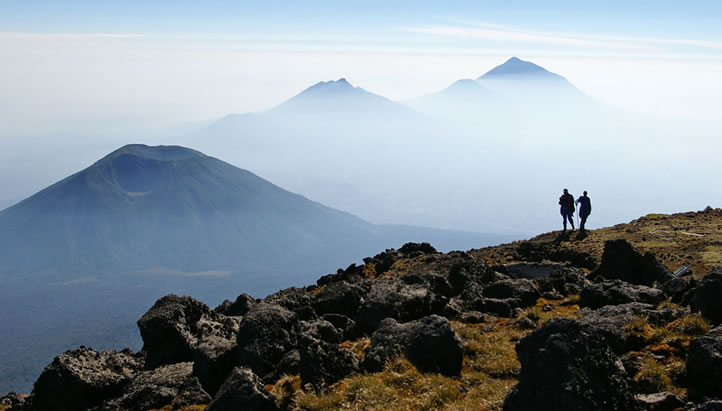
Upon reaching the summit at approximately 4,507 metres, take time to appreciate the mountain scenery and surrounding volcanic landscape, subject to weather and visibility.
On clear days, the summit offers impressive views of the Virunga Mountains and neighbouring landscapes in Rwanda and the Democratic Republic of Congo.
After photographs and a short rest, begin descending along the designated route. The descent continues towards the trailhead, where the hiking team concludes the mountain adventure.
The two-day climb is physically demanding, but it offers a memorable opportunity to explore Rwanda’s highest mountain.
Things to Do on Mount Karisimbi and Around Volcanoes National Park
Mount Karisimbi is not the only attraction in the Volcanoes National Park region. Visitors can combine the mountain climb with several wildlife, cultural and nature-based experiences.
1. Hike to the Summit of Mount Karisimbi
The main activity is the two-day hike to the summit of Mount Karisimbi.
The adventure takes you through changing vegetation zones, from montane forest to bamboo and higher-altitude mountain habitats. You also experience an overnight camp on the mountain before attempting the final ascent.
Reaching the summit at 4,507 metres is a major achievement and offers an opportunity to appreciate the remarkable landscape of the Virunga region.
2. Mountain Gorilla Trekking in Volcanoes National Park
Volcanoes National Park is internationally recognised for protecting endangered mountain gorillas. Gorilla trekking is one of Rwanda’s most popular wildlife experiences and can be combined with a Mount Karisimbi hiking adventure.
The activity begins with an early-morning briefing at Kinigi. Visitors are assigned to habituated gorilla families and accompanied by experienced park guides and trackers into the forest.
The trek may take several hours, depending on the location of the gorilla family. Once the gorillas are located, visitors are allowed a maximum of one hour to observe them.
A separate gorilla trekking permit is required. The Mount Karisimbi hiking permit does not include gorilla trekking.
3. Golden Monkey Tracking
Golden monkey Rwanda Volcanoes National Park bamboo forest
Golden monkey tracking is another exciting activity in Volcanoes National Park.
Golden monkeys are endangered primates found in the Virunga region. They are recognised by their golden-orange fur and active behaviour, often moving through bamboo vegetation in search of food.
Visitors join guided morning treks to locate habituated groups. The experience offers opportunities to observe their feeding habits, social interactions and movements through the forest.
Golden monkey tracking can be arranged before or after a Mount Karisimbi hike, depending on the itinerary and permit availability.
4. Visit the Dian Fossey Karisoke Research Centre
The Karisoke Research Centre is located in the saddle between Mount Karisimbi and Mount Bisoke. It was established by renowned primatologist Dian Fossey in 1967 to study and protect mountain gorillas.
A visit to the research centre and the nearby Dian Fossey grave site offers insight into the history of gorilla conservation in the Virunga Mountains.
The hike is an opportunity to learn about Dian Fossey’s research, the challenges facing mountain gorillas and the conservation work that continues today.
5. Hike Mount Bisoke
Mount Bisoke is another popular volcano in the Virunga range. It rises to approximately 3,711 metres and is known for its beautiful crater lake at the summit.
Unlike Mount Karisimbi, which requires two days, the Mount Bisoke hike is generally completed in one day.
The trail passes through montane forest and higher-altitude vegetation before reaching the crater lake. It is a challenging hike, although generally shorter than the Karisimbi expedition.
Visitors who have enough time can combine both volcanoes in a longer Rwanda hiking itinerary.
6. Visit Iby’Iwacu Cultural Village
Iby’Iwacu Cultural Village, also known as the Gorilla Guardians Village, offers visitors an opportunity to learn about Rwandan traditions and community life.
Located near Volcanoes National Park, the village provides cultural experiences that may include traditional dance, music, storytelling, food preparation and demonstrations of traditional practices.
The experience also highlights how community-based tourism can create livelihood opportunities for local people and encourage participation in conservation.
7. Explore Musanze Caves
Musanze caves Rwanda underground lava tunnel guided tour” aspectRatio
Musanze Caves are an interesting natural attraction near Volcanoes National Park.
The caves were formed through volcanic activity and feature underground passages, rock formations and large chambers. Visitors can explore selected sections with an authorised guide.
A cave visit provides a different perspective on the volcanic history of the region and can be included in a wider Musanze excursion.
8. Visit Lake Burera and Lake Ruhondo
Surrounded by rolling hills, agricultural landscapes and views of the Virunga volcanoes, the lakes are attractive destinations for relaxation and photography.
Visitors can enjoy scenic viewpoints, guided walks, birdwatching and locally arranged boat experiences where available.
The Twin Lakes make an excellent addition to a Mount Karisimbi hiking trip, particularly for travellers who want to spend extra time exploring the northern Rwanda countryside.
9. Birdwatching in Volcanoes National Park
Volcanoes National Park is an interesting destination for birdwatchers because of its montane forest, bamboo and high-altitude habitats.
The park supports a variety of bird species, including birds associated with the Albertine Rift.
Birdwatchers can look for species such as:
- Rwenzori Turaco
- Rwenzori Batis
- Rwenzori Double-collared Sunbird
- Handsome Francolin
- Dusky Crimson-wing
- Archer’s Robin-Chat
- Strange Weaver
Bird sightings depend on habitat, season and the experience of the guide. A specialist birding excursion can be arranged to explore suitable forest trails.
Where to Stay When Hiking Mount Karisimbi
There is no conventional hotel or lodge at the summit of Mount Karisimbi. The mountain expedition includes an overnight stay at a designated high-altitude campsite during the two-day hike.
Before and after the climb, visitors can stay in accommodation around Kinigi, Musanze and the foothills of Volcanoes National Park.
Your choice depends on your budget, preferred comfort level and how close you want to be to the park headquarters.
Luxury Accommodation Near Mount Karisimbi
1. One&Only Gorilla’s Nest
One&Only Gorilla’s Nest is a luxury lodge in the Kinigi area, surrounded by forest and the dramatic scenery of the Virunga volcanoes.
The property is an excellent option for travellers seeking an upscale stay before or after gorilla trekking and mountain hiking.
Its setting provides access to the park region while offering a comfortable retreat for guests returning from demanding outdoor activities.
2. Bisate Lodge
Bisate Lodge is a high-end eco-lodge near Volcanoes National Park, known for its distinctive architecture and views of the surrounding volcanic landscape.
The lodge is associated with conservation initiatives, including habitat restoration and reforestation in the area.
It is suitable for travellers looking for an exclusive accommodation experience combined with wildlife and mountain activities.
3. Singita Kwitonda Lodge
Singita Kwitonda Lodge is located near the boundary of Volcanoes National Park. It offers a luxury safari experience with views of the surrounding volcanoes.
Its accommodation, dining and conservation-focused approach make it an attractive option for visitors seeking a premium stay in the region.
4. Sabyinyo Silverback Lodge
Sabyinyo Silverback Lodge is situated in the foothills of the Virunga Mountains near the park headquarters.
The lodge is known for its comfortable cottages, scenic surroundings and community ownership model. It is a particularly interesting choice for travellers who want to combine a luxury stay with community-focused tourism.
Mid-Range Accommodation Near Mount Karisimbi
5. Five Volcanoes Boutique Hotel
Five Volcanoes Boutique Hotel is located in the Musanze area, within convenient driving distance of the Volcanoes National Park headquarters.
It offers comfortable accommodation for travellers preparing for gorilla trekking, volcano hiking and other activities in the region.
The hotel is a practical choice for visitors who want boutique-style comfort without choosing one of the most expensive lodges.
6. Mountain Gorilla View Lodge
Mountain Gorilla View Lodge is located in the Kinigi area near Volcanoes National Park.
Its location makes it a convenient base for early-morning park activities. The lodge is an option for travellers seeking a traditional safari-lodge setting close to the volcanoes.
7. Le Bambou Gorilla Lodge
Le Bambou Gorilla Lodge offers accommodation in the Volcanoes National Park tourism area.
It is an option for visitors planning gorilla trekking, golden monkey tracking and mountain hiking who prefer a comfortable lodge rather than an ultra-luxury property.
Budget Accommodation Near Mount Karisimbi
8. Hotel Muhabura
Hotel Muhabura is an established accommodation option in Musanze town.
It is suitable for visitors who prefer staying near the town’s services, restaurants and transport connections while maintaining access to Volcanoes National Park.
9. Kinigi Guest House
Kinigi Guest House is a simple accommodation option in the park’s surrounding area.
It can suit budget-conscious travellers who prioritise access to the park headquarters and want to keep accommodation costs manageable.
10. La Palme Hotel
La Palme Hotel is another accommodation option in Musanze.
Its town location provides access to local services and makes it possible to organise transfers to Kinigi and other attractions in the Volcanoes National Park region.
Accommodation availability, room categories, facilities and rates should be confirmed directly before booking.
Where Is the Best Place to Stay: Musanze or Kinigi?
Both Musanze and Kinigi are suitable bases for a Mount Karisimbi hiking adventure.
Kinigi is closer to the Volcanoes National Park headquarters and is convenient for visitors who want to minimise the early-morning transfer before the hiking briefing.
Musanze is the main town serving the region. It offers a wider range of accommodation, restaurants, shops and other services.
For travellers undertaking the two-day Karisimbi climb, staying close to Kinigi is particularly convenient. However, Musanze is also a practical choice, provided you arrange transport to the park headquarters on time.
Mount Karisimbi Hiking Permit and Booking Requirements
A hiking permit is required to climb Mount Karisimbi in Volcanoes National Park. The Rwanda Development Board manages the official tourism booking process.
According to the official RDB Karisimbi booking portal, the published permit fee for a foreign adult is US$400. Other visitor categories have different rates.
The portal also specifies the following requirements:
- Hikers must be at least 15 years old.
- The maximum group size is 12 hikers.
- Visitors report to the park registration centre at 7:00 am.
- Passport or relevant identification documents are required.
- Applications are subject to availability and document verification.
Permit rates and requirements can change, so check the official booking portal before making payment.
Best Time for Mount Karisimbi Hiking
Mount Karisimbi can be hiked throughout the year, but weather conditions influence trail difficulty, visibility and the overall experience.
June to September
This is generally a favourable period for mountain hiking in the Virunga region because conditions are often relatively drier.
The trails may be less muddy than during the wetter months, although rain and mist can still occur at high elevations.
December to February
These months are another relatively favourable period for outdoor activities. Visitors may experience more manageable trail conditions, although mountain weather remains unpredictable.
March to May
This is generally a wetter period. Heavy rainfall can make the hiking trail muddy and slippery, increasing the physical demands of the climb.
October to November
Rainfall can also affect hiking conditions during this period. Visitors should prepare for changing weather, wet vegetation and reduced visibility.
Important: Mount Karisimbi has a high-altitude mountain climate. Rain, cold temperatures, fog and strong winds can occur even during the drier months.
What to Pack for Mount Karisimbi Hiking
Proper equipment is essential for a safe and comfortable climb.
Clothing
- Warm thermal base layers.
- Insulated jacket.
- Waterproof rain jacket.
- Waterproof trousers.
- Warm hat and gloves.
- Long-sleeved shirts and hiking trousers.
- Extra hiking socks.
Hiking Equipment
- Waterproof hiking boots with good ankle support.
- Trekking poles.
- Headlamp with spare batteries.
- Comfortable daypack.
- Sleeping bag suitable for cold temperatures.
- Waterproof backpack cover.
- Personal first-aid kit.
Food and Personal Supplies
- Sufficient drinking water.
- Energy snacks.
- Personal medication.
- Sunscreen and lip balm.
- Personal toiletries.
- Camera and spare batteries.
Ask your safari operator or park booking team which camping equipment, meals and other supplies are provided as part of the hiking arrangement.
Physical Fitness and Altitude Preparation
Mount Karisimbi is a strenuous high-altitude hike. Reaching 4,507 metres requires physical preparation and an understanding of altitude-related risks.
Before the expedition, prepare through regular walking, hiking, cardiovascular exercise and stair climbing. Practice walking on uneven ground and, where possible, undertake longer hikes with a backpack.
Altitude can affect even physically fit hikers. Symptoms may include headaches, nausea, dizziness, unusual fatigue and shortness of breath.
Maintain a steady pace, drink water regularly and communicate any symptoms to your guide. Do not continue ascending if you develop signs of altitude illness. Follow the guide’s instructions and descend when advised.
Responsible Hiking and Conservation
Mount Karisimbi forms part of an important conservation landscape within Volcanoes National Park. The surrounding forests are home to endangered mountain gorillas, golden monkeys and numerous bird species.
Visitors can help protect this environment by following park regulations and respecting the natural habitat.
- Remain on authorised hiking trails.
- Follow the instructions of park guides and rangers.
- Do not disturb wildlife or remove plants.
- Carry rubbish back from the mountain.
- Avoid loud noise that may disturb wildlife.
- Respect the designated camping area.
- Use local porters where needed and agree on charges before the hike.
- Respect local communities and their cultural practices.
Responsible tourism helps protect the Virunga ecosystem while supporting people whose livelihoods are connected to tourism and conservation.
Suggested Mount Karisimbi Hiking Itinerary
Day 1: Kigali to Musanze and Volcanoes National Park
Depart Kigali and drive towards Musanze in northwestern Rwanda. Enjoy the scenic countryside along the way.
Depending on your arrival time, you may visit a cultural attraction or explore Musanze town before proceeding to your lodge.
Accommodation: Selected lodge in Kinigi or Musanze.
Day 2: Begin Mount Karisimbi Hike and Overnight Camping
After an early breakfast, transfer to the Volcanoes National Park headquarters for registration and briefing.
Meet your hiking guide and proceed to the trailhead. Begin the climb through montane forest, bamboo vegetation and higher-altitude habitats.
Continue towards the designated mountain campsite at approximately 3,700 metres, where you will spend the night.
Accommodation: Mountain camping.
Day 3: Summit Mount Karisimbi and Descend
Wake up early and continue towards the summit at 4,507 metres.
Enjoy the mountain scenery when conditions permit, then descend along the designated trail to the starting point.
After completing the hike, transfer to your lodge in Musanze or Kinigi for a well-deserved rest.
Accommodation: Selected lodge in Kinigi or Musanze.
Day 4: Optional Activity and Return to Kigali
After breakfast, enjoy an optional activity depending on your interests and available time. Options include a visit to the Iby’Iwacu Cultural Village, Musanze Caves or the Twin Lakes.
Later, transfer to Kigali for your onward journey.
The itinerary can be extended to include gorilla trekking, golden monkey tracking or additional volcano hikes. Allow extra days for these activities and confirm all permits in advance.
Frequently Asked Questions About Mount Karisimbi Hiking
1. How high is Mount Karisimbi?
Mount Karisimbi rises to approximately 4,507 metres above sea level. It is the highest of the major Virunga volcanoes and Rwanda’s highest mountain.
2. How many days does it take to climb Mount Karisimbi?
The standard Mount Karisimbi hiking experience takes two days, including an overnight stay at a designated mountain campsite.
3. How difficult is Mount Karisimbi hiking?
The hike is strenuous because of the mountain’s high elevation, steep terrain, changing weather and long walking hours. Good physical fitness and appropriate equipment are essential.
4. How much is the Mount Karisimbi hiking permit?
The official Rwanda Development Board booking portal currently publishes a US$400 fee for foreign adult visitors. Other visitor categories have different rates. Confirm the applicable fee before booking.
5. What is the minimum age for Mount Karisimbi hiking?
The current RDB booking portal specifies a minimum age of 15 years for Mount Karisimbi hikers.
6. Can I see gorillas while hiking Mount Karisimbi?
Mountain gorillas live in the wider Volcanoes National Park ecosystem, and the hiking route passes through their habitat. However, seeing gorillas during the hike is not guaranteed. A separate gorilla trekking permit is required for a formal gorilla encounter.
7. Can I combine Mount Karisimbi hiking with gorilla trekking?
Yes. Visitors can arrange a longer Rwanda safari combining the two-day Karisimbi climb with mountain gorilla trekking in Volcanoes National Park. Separate permits and sufficient recovery time should be arranged.
8. Where do I sleep during the Mount Karisimbi hike?
Hikers spend one night at a designated mountain campsite, generally around 3,700 metres above sea level. Before and after the climb, visitors can stay in lodges or hotels around Kinigi and Musanze.
9. What is the best time to climb Mount Karisimbi?
June to September and December to February are generally preferred because conditions are often relatively drier. However, rain, mist and cold temperatures can occur throughout the year.
10. Can beginners climb Mount Karisimbi?
The climb is demanding and is not an ideal first hiking experience for someone without adequate preparation. Beginners should build fitness, practise hiking and understand the challenges of high altitude before attempting the summit.
11. Do I need a guide to hike Mount Karisimbi?
Yes. The hike is conducted under park-authorised arrangements with guides. Follow the official registration and briefing procedures.
12. Is there accommodation on Mount Karisimbi?
There is no conventional lodge at the summit. The overnight experience takes place at a designated mountain campsite, while hotels and lodges are available around Musanze and Kinigi.
Book Your Mount Karisimbi Hiking Adventure with Book Gorilla Tracking
Mount Karisimbi offers one of Rwanda’s most rewarding mountain adventures. From the montane forests and bamboo vegetation to the high-altitude camping experience and the final summit at 4,507 metres, the climb is an unforgettable journey for travellers seeking adventure in the Virunga Mountains.
Book Gorilla Tracking can help you plan a personalised Rwanda adventure combining Mount Karisimbi hiking with mountain gorilla trekking, golden monkey tracking and cultural experiences around Volcanoes National Park.
Whether you prefer a dedicated two-day mountain expedition or a longer Rwanda safari, we can help coordinate your hiking permit, accommodation, transport and other travel arrangements.
Contact Book Gorilla Tracking to discuss your preferred travel dates and request a personalised Mount Karisimbi hiking itinerary.