+256-702 595 926 | info@bookgorillatracking.com

Katwe Explosion Crater Drive | Queen Elizabeth National Park

Katwe Explosion Crater Drive in Queen Elizabeth National Park: A Scenic Uganda Safari Experience
Introduction: Discover the Katwe Explosion Crater Drive
The Katwe Explosion Crater Drive is one of the most scenic and geologically fascinating experiences in Queen Elizabeth National Park, southwestern Uganda. This remarkable route takes visitors through a dramatic volcanic landscape characterized by ancient explosion craters, beautiful crater lakes, rolling green hills, panoramic viewpoints, and breathtaking views across the Albertine Rift Valley.
Unlike conventional game drives that focus primarily on spotting lions, elephants, buffaloes, and antelopes, the Katwe Explosion Crater Drive offers a different kind of safari adventure. It combines spectacular scenery, geological discovery, birdwatching, photography, and opportunities to learn about the cultural heritage of communities that have lived around the crater lakes for generations.
The crater field forms part of the fascinating geological landscape of the Western Rift Valley, where ancient volcanic activity created numerous depressions, some of which later filled with water to form crater lakes. Today, these landforms are among the distinctive attractions of Queen Elizabeth National Park.
For travelers exploring Uganda with Raptors Africa Safaris, the Katwe Explosion Crater Drive is an excellent addition to a wildlife safari, especially when combined with game drives in the Kasenyi plains, a boat cruise along the Kazinga Channel, or a visit to the Ishasha sector.
Whether you are a nature enthusiast, photographer, geology lover, or traveler looking for a scenic excursion away from the main wildlife-viewing tracks, the Katwe crater region offers an unforgettable experience.
Where Is the Katwe Explosion Crater Drive Located?
The Katwe Explosion Crater Drive is located in the northern part of the Mweya Peninsula area of Queen Elizabeth National Park in southwestern Uganda.
Queen Elizabeth National Park lies within the Albertine Rift Valley, between Lake Edward and Lake George, and is known for its diverse landscapes, including savannah plains, wetlands, forests, volcanic formations, and crater lakes.
The crater drive connects the area around Kabatoro with the Queen’s Pavilion and the surrounding crater landscape. The scenic route is commonly described as approximately 27 kilometres long, although the distance you cover depends on your chosen route, entry point, and stops.
The drive provides views of several crater formations, including the striking Kyemengo Crater and the beautiful Lake Kitagata. Visitors can also enjoy views across the Rift Valley escarpment and, when the weather is clear, toward the Rwenzori Mountains.
Because the terrain is hilly and sections of the road may be rough or steep, a suitable 4×4 safari vehicle is recommended. Your driver-guide can help determine the best route according to road conditions and your available time.
What Is the Katwe Explosion Crater Drive?
The Katwe Explosion Crater Drive is a scenic safari excursion through a landscape shaped by ancient volcanic and geological processes.
Explosion craters, also known as maars in some geological contexts, can form when rising magma interacts with groundwater, producing powerful explosions that excavate depressions in the ground. These formations differ from the familiar volcanic cones many people imagine when they think of volcanoes.
Across the Katwe-Kikorongo crater field, visitors encounter circular depressions of different sizes, shapes, and depths. Some contain lakes, while others are covered by grassland, woodland, or other vegetation.
The result is a distinctive landscape in which crater rims, water bodies, green slopes, and expansive viewpoints come together.
As you travel through the area, your guide can explain the geological history of the craters, their ecological importance, and how local communities use the surrounding landscape.
The drive is not primarily a big-game viewing route. Its main appeal lies in its scenery and geology, although wildlife may also be encountered along the way.
Top Attractions Along the Katwe Explosion Crater Drive
1. Kyemengo Crater and Baboon Cliffs
Kyemengo Crater is one of the notable geological features associated with the crater drive. Its impressive size and steep surrounding slopes create a dramatic landscape that illustrates the scale of ancient volcanic activity in the region.
The nearby Baboon Cliffs area offers elevated viewpoints from which visitors can appreciate the crater landscape and surrounding Rift Valley scenery.
Standing at an appropriate viewpoint, you can look across the crater formations and appreciate how the land rises and falls around the ancient depressions.
The scenery is particularly appealing to photographers who enjoy wide landscape compositions, contrasting vegetation, and the interplay between hills and distant mountains.
As with all viewpoints, remain within designated safe areas and follow your guide’s instructions, especially where the ground is steep or exposed.
2. Lake Kitagata
Lake Kitagata is another attractive feature associated with the crater landscape. Its dark blue water and surrounding green slopes create a striking contrast, particularly when sunlight illuminates the lake.
The lake and its surroundings contribute to the scenic diversity of the crater drive, offering a different atmosphere from the open savannah plains elsewhere in Queen Elizabeth National Park.
Depending on the weather, visitors may enjoy reflections of the sky on the water and views of the surrounding hills.
Lake Kitagata is an excellent stop for photography and quiet appreciation of the landscape. Ask your guide about the designated viewing areas and any restrictions on access to the lake or nearby hot springs.
3. Lake Katwe and the traditional salt-mining industry
Lake Katwe is one of the most culturally significant features of the crater region.
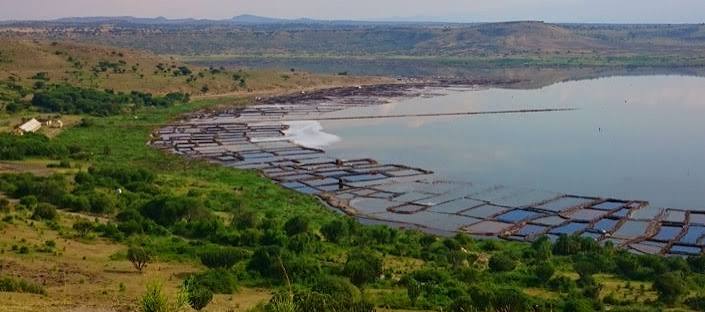
Unlike freshwater crater lakes, Lake Katwe is a highly saline lake associated with a long history of traditional salt extraction. For generations, local communities have depended on the lake and its salt resources for livelihoods and trade.
A visit to the Katwe area can provide insight into the methods used by local salt workers, the challenges of working in a mineral-rich environment, and the economic importance of salt production to surrounding communities.
With a suitable local guide and an appropriately arranged community visit, travelers may learn about the traditional salt-harvesting process, the use of evaporation areas, and the relationship between the lake and the local economy.
This cultural dimension makes the Katwe region particularly interesting because it connects Uganda’s geological history with the everyday lives of people who live alongside these unusual natural features.
Visitors should respect workers, ask permission before taking photographs, and follow local guidance when entering working areas.
4. Lake Munyanyange
Lake Munyanyange is a seasonal crater lake in the wider Katwe area and is of particular interest to birdwatchers.
Depending on water levels, season, and food availability, the lake may attract a variety of waterbirds. Flamingos have been reported in the area during certain periods, although sightings are not guaranteed.
Birdwatchers can also look for other species associated with the crater lakes and surrounding habitats.
The lake’s changing appearance throughout the year adds to the diversity of the crater landscape, making it a rewarding stop for travelers interested in nature photography and birdlife.
If birdwatching is one of your main interests, inform your guide in advance so that the itinerary can allow time for suitable viewing opportunities.
5. Panoramic views of the Albertine Rift Valley
One of the most rewarding aspects of the Katwe Explosion Crater Drive is the opportunity to appreciate the wider geography of Queen Elizabeth National Park.
From selected viewpoints, visitors can look across the Rift Valley landscape, observe the changing terrain, and enjoy views toward the Rwenzori Mountains when visibility permits.
The contrast between crater lakes, grasslands, escarpments, and distant mountains makes the region especially attractive to landscape photographers.
The scenery also provides a useful introduction to the geological processes that have shaped southwestern Uganda.
For travelers who enjoy scenic drives, this is one of the strongest reasons to include the crater route in a Queen Elizabeth National Park itinerary.
What Wildlife Can You See During the Katwe Crater Drive?
Although the Katwe Explosion Crater Drive is primarily a scenic and geological excursion, wildlife may be encountered in the surrounding habitats.
Depending on the route and conditions, visitors may see elephants, buffaloes, warthogs, baboons, and other wildlife. The presence of animals varies, and the crater circuit should not be treated as a guaranteed big-game viewing route.
Birdlife is another attraction, particularly around the crater lakes and wetland habitats. Depending on the season, you may see waterbirds, raptors, and species associated with grassland and woodland environments.
For travelers hoping to see lions, large herds of antelopes, and other classic savannah wildlife, it is best to combine the crater drive with a dedicated game drive in the Kasenyi plains or another suitable wildlife-viewing area within Queen Elizabeth National Park.
This combination provides a more balanced safari, bringing together the park’s geological attractions and its wildlife.
Best Time to Visit the Katwe Explosion Crater Drive
The Katwe Explosion Crater Drive can be included in a Queen Elizabeth National Park safari throughout the year. However, seasonal weather affects road conditions, visibility, and the overall comfort of the experience.
Drier months
June to August and December to February are commonly preferred for safari travel because rainfall is often lower and some roads may be easier to navigate.
These periods can be attractive for landscape photography, sightseeing, and combining the crater drive with game drives and boat excursions.
Wetter months
During wetter periods, the landscape becomes lush and green, creating beautiful photographic scenery. However, some sections of the crater route may become slippery or difficult to navigate.
Cloud cover and mist can also affect views of the crater lakes and distant mountains.
Best time of day
Morning and late afternoon can both offer attractive light for photography. The ideal timing depends on cloud cover, your route, and the other activities planned for the day.
Your safari guide can recommend a suitable departure time based on current conditions.
How Long Does the Katwe Explosion Crater Drive Take?
The time required depends on your starting point, road conditions, the number of viewpoints you visit, and whether you include a cultural stop at Lake Katwe.
A drive covering the main scenic route may take a few hours when sufficient time is allowed for stops and photography. Visitors who want to explore the salt-mining area, watch birds around the crater lakes, or enjoy a more leisurely excursion should allow additional time.
The crater drive can be arranged as a half-day excursion or included in a longer day of activities in Queen Elizabeth National Park.
For a balanced safari, consider combining the crater drive with a game drive or another activity on a different part of the day, depending on travel distances and operating schedules.
How to Get to the Katwe Explosion Crater Drive
The crater region can be reached as part of a safari in Queen Elizabeth National Park.
Travelers arriving from Kampala or Entebbe commonly travel through western Uganda via Mbarara or Fort Portal, depending on their wider itinerary. Visitors exploring the park from Kasese, Mweya, or the surrounding accommodation areas can arrange a transfer to the crater route.
A private safari vehicle provides flexibility to stop at viewpoints and explore the landscape at a comfortable pace.
A 4×4 vehicle with suitable ground clearance is recommended because some sections can be rough, steep, or slippery during rainy weather. Your guide should assess the road conditions before entering the route.
Visitors should also confirm current access arrangements, applicable park fees, and the recommended entry point with the Uganda Wildlife Authority or their safari operator.
What Should You Pack for the Katwe Explosion Crater Drive?
The crater drive is generally less physically demanding than a forest trek or mountain hike, but appropriate preparation helps make the experience more enjoyable.
We recommend carrying:
-
- A camera or smartphone for landscape photography.
-
- Binoculars for birdwatching and viewing distant wildlife.
-
- Drinking water and personal essentials.
-
- Sunscreen, a hat, and sunglasses.
-
- Comfortable clothing suitable for warm conditions.
-
- A light jacket in case of wind or changing weather.
-
- Comfortable shoes if you plan to walk at designated viewpoints.
-
- Some cash if you intend to purchase locally made products or arrange a community experience.
Avoid approaching crater edges or entering restricted areas for photographs. Always follow your guide’s instructions and remain within designated safe viewing locations.
Can You Combine the Katwe Explosion Crater Drive With Other Activities?
Yes. The crater drive is an excellent addition to a wider Queen Elizabeth National Park itinerary.
Game drives in the Kasenyi plains
Kasenyi is a well-known wildlife-viewing area with open grasslands that support Uganda kob and other savannah animals. A guided game drive can provide opportunities to search for elephants, buffaloes, lions, and other wildlife.
Combining the plains with the crater drive allows you to experience two very different sides of the park.
Boat cruise on the Kazinga Channel
The Kazinga Channel is one of Uganda’s most celebrated wildlife-viewing waterways. A boat cruise provides opportunities to observe hippos, crocodiles, elephants, buffaloes, and numerous waterbirds along the banks.
It is an excellent complement to a scenic crater excursion because it offers a different perspective on the park’s ecosystems.
Ishasha sector
The southern Ishasha sector is famous for its tree-climbing lions, although sightings are never guaranteed. It also offers savannah scenery and opportunities to observe other wildlife.
Travelers continuing toward Bwindi Impenetrable National Park can consider incorporating Ishasha into their route, subject to travel time and accommodation arrangements.
Kyambura Gorge and forest experiences
Kyambura Gorge offers guided chimpanzee tracking experiences in a forested landscape within Queen Elizabeth National Park. Availability depends on permits and park arrangements.
Travelers interested in primates can combine this experience with the crater drive and other wildlife activities for a more varied safari.
Why Include the Katwe Explosion Crater Drive in Your Uganda Safari?
The Katwe Explosion Crater Drive provides an opportunity to explore a side of Queen Elizabeth National Park that differs from conventional game viewing.
Its distinctive landscapes reveal the geological history of the Albertine Rift Valley, while its crater lakes offer attractive scenery and opportunities for birdwatching and photography.
The region also connects visitors with the cultural heritage of Lake Katwe, where traditional salt production remains an important part of local history and livelihoods.
For travelers who appreciate nature, landscapes, geology, and cultural encounters, the crater drive is a valuable addition to a Uganda safari.
At Raptors Africa Safaris, we recommend including it in itineraries that already feature Queen Elizabeth National Park, particularly for visitors who want to explore beyond the main game-drive circuits.
Why Book Your Katwe Crater Drive With Raptors Africa Safaris?
Raptors Africa Safaris helps travelers organize wildlife and scenic experiences across Uganda, including Queen Elizabeth National Park.
We can help you incorporate the Katwe Explosion Crater Drive into a private safari or a longer Uganda itinerary, taking into account your travel dates, accommodation, interests, and preferred pace.
Our safari planning can include:
-
- Private 4×4 transportation and an experienced driver-guide.
-
- Planning a scenic route through the crater region.
-
- Opportunities for photography and birdwatching.
-
- Arrangements for a Lake Katwe cultural visit, where available.
-
- Combining the crater drive with game drives and a Kazinga Channel boat cruise.
-
- Accommodation planning around Mweya, Kasese, or other suitable areas.
-
- Extensions to Bwindi, Kibale, Lake Mburo, or Murchison Falls National Park.
We focus on creating practical itineraries that allow enough time to appreciate the destinations rather than rushing between attractions.
Whether you are planning a short Queen Elizabeth National Park visit or a longer Uganda wildlife safari, our team can help tailor the experience to your interests.
Frequently Asked Questions About the Katwe Explosion Crater Drive
1. What is the Katwe Explosion Crater Drive?
It is a scenic route through the ancient explosion craters of Queen Elizabeth National Park in southwestern Uganda. The drive features crater lakes, volcanic landforms, panoramic viewpoints, and opportunities to explore the Lake Katwe salt-mining area.
2. Where is the Katwe Explosion Crater Drive located?
It is located in the northern part of Queen Elizabeth National Park, around the Katwe-Kikorongo crater field and the Mweya Peninsula area.
3. How long is the Katwe crater drive?
The scenic route is commonly described as approximately 27 kilometres between the Kabatoro and Queen’s Pavilion areas. The total distance depends on your entry point and any additional stops.
4. Do I need a 4×4 vehicle?
A suitable 4×4 vehicle is recommended because some sections of the route may be rough, steep, or slippery, especially after rainfall.
5. Can I see wildlife during the crater drive?
Yes, wildlife may be encountered along the route. However, the main attraction is the scenery and geology, so visitors seeking extensive big-game viewing should also arrange a dedicated game drive.
6. Can I visit Lake Katwe salt mines?
Yes, a visit to the Lake Katwe area can be arranged to learn about traditional salt extraction and its importance to local communities. Confirm access and guide arrangements before visiting.
7. What is the best time to visit the crater lakes?
The route can be visited throughout the year. Drier periods may offer easier driving conditions, while wetter periods often produce greener landscapes. Visibility depends on the weather.
8. Can I combine the crater drive with a Kazinga Channel boat cruise?
Yes. The two experiences can be combined in a wider Queen Elizabeth National Park itinerary, depending on the timing of the boat cruise and the distances between activities.
9. Is the Katwe Explosion Crater Drive suitable for photographers?
Yes. The crater rims, lakes, hills, and distant mountain views offer excellent opportunities for landscape photography. Wildlife and bird photography are also possible, although sightings vary.
10. How can I book the Katwe Explosion Crater Drive?
You can arrange the excursion through a safari operator such as Raptors Africa Safaris or confirm current access and applicable fees with the Uganda Wildlife Authority.
Conclusion: Explore the Katwe Explosion Crater Drive With Raptors Africa Safaris
The Katwe Explosion Crater Drive is a memorable scenic experience within Queen Elizabeth National Park, offering a fascinating combination of ancient geological formations, crater lakes, panoramic views, birdlife, and local cultural heritage.
From the impressive Kyemengo Crater and the scenic shores of Lake Kitagata to the traditional salt-mining landscape around Lake Katwe, the excursion reveals a distinctive side of Uganda’s natural and cultural heritage.
When combined with savannah game drives, a Kazinga Channel boat cruise, or a visit to Ishasha, it helps create a more varied and rewarding Uganda safari.
Ready to explore the Katwe Explosion Crater Drive? Contact Raptors Africa Safaris to plan your Queen Elizabeth National Park excursion and discover the remarkable landscapes of southwestern Uganda.