+256-702 595 926 | info@bookgorillatracking.com

How to Get to Akagera National Park Rwanda – Routes & Transport


How to Get to Akagera National Park, Rwanda: Routes, Distance, Driving Time and Transport Options
How to Get to Akagera National Park, Rwanda
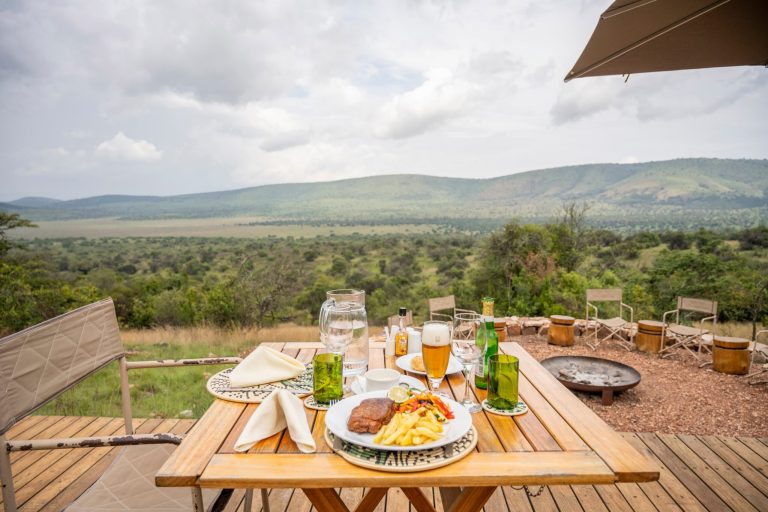
Akagera National Park is one of Rwanda’s most rewarding wildlife destinations and the country’s only savannah national park. Located in eastern Rwanda along the border with Tanzania, the park is famous for its open grasslands, rolling hills, lakes, wetlands and diverse wildlife. Visitors can encounter elephants, lions, rhinoceroses, buffaloes, giraffes, zebras, hippos, crocodiles and numerous bird species.
One of Akagera’s greatest advantages is its accessibility. The park is approximately 110 kilometres from Kigali, Rwanda’s capital, and can generally be reached in about two to two and a half hours by road, depending on traffic and road conditions. This makes it suitable for visitors planning a short wildlife excursion as well as travellers combining several national parks on a longer Rwanda safari.
Whether you are arriving at Kigali International Airport, travelling from a hotel in Kigali, crossing into Rwanda from Uganda or planning a self-drive adventure, there are several ways to reach Akagera National Park.
This guide explains how to get to Akagera National Park, the main access route, available transport options, park entrances, driving times and practical information to help you organise your journey.
1. Where Is Akagera National Park Located?
Akagera National Park is situated in Rwanda’s Eastern Province, close to the international border with Tanzania. It is approximately 110 kilometres east of Kigali and is managed through a conservation partnership involving African Parks and the Rwanda Development Board.
The park covers approximately 1,122 square kilometres and contains savannah plains, acacia woodland, swamps, rivers and a network of lakes. Lake Ihema is among its most prominent water bodies and is a popular location for boat safaris.
Because of its location east of Kigali, most international visitors begin their journey in the capital before continuing to the park by road.
Approximate travel information:
- Nearest major city: Kigali
- Nearest international airport: Kigali International Airport (KGL)
- Distance from Kigali: Approximately 110 kilometres
- Typical driving time: 2–2.5 hours
- Main visitor access: Southern entrance, commonly identified as Mutumba Gate
- Recommended transport: Private safari vehicle or suitable 4×4
Driving times are estimates and may change because of traffic, weather, road conditions and stops along the way.
2. How to Get to Akagera National Park from Kigali
Travelling from Kigali to Akagera National Park by road is the most common and practical option. The route passes through Rwanda’s eastern countryside, including Rwamagana and Kayonza, before continuing towards the southern entrance of the park.
The journey offers views of cultivated hillsides, banana plantations, rural settlements and the changing landscapes of Eastern Rwanda.
Route from Kigali to Akagera National Park
The general route is:
Kigali – Rwamagana – Kayonza – Kabarondo – Akagera National Park.
Follow these directions:
Step 1: Leave Kigali heading east
Start from Kigali city centre or your hotel and travel towards the eastern side of the city. Follow the main road in the direction of Rwamagana.
Step 2: Drive through Rwamagana
Rwamagana is an important town along the route to Akagera. It is a convenient place to make a short stop, purchase refreshments or check your travel arrangements before continuing east.
Step 3: Continue towards Kayonza
From Rwamagana, proceed towards Kayonza. This town is an important road junction for travellers heading towards Akagera National Park.
Step 4: Follow the road towards Kabarondo
At Kayonza, follow the road and directions towards Kabarondo and Akagera. Continue following the park signposts towards the southern entrance.
Step 5: Reach the southern entrance
At the park entrance, complete the visitor registration and payment procedures. Continue to the reception or visitor facilities as directed by park staff.
The final approach to the park may include sections of gravel or unpaved road. A suitable vehicle is particularly important during rainy weather.
3. How to Get to Akagera National Park from Kigali International Airport
International visitors arriving in Rwanda usually land at Kigali International Airport (KGL). From the airport, travellers can transfer to a hotel in Kigali or continue directly towards Akagera National Park.
There are two convenient options.
Option 1: Direct Airport Transfer to Akagera
If you are arriving early enough to begin your safari, you can arrange a direct transfer from Kigali International Airport to Akagera.
A safari driver-guide can meet you at the airport, assist with your luggage and drive you to the park’s southern entrance. This arrangement is convenient for visitors who want to begin their wildlife experience without spending an additional night in Kigali.
Before booking, confirm your flight arrival time, immigration formalities, the park’s operating hours and the time required to reach the entrance.
Option 2: Overnight in Kigali Before the Safari
Travellers arriving late in the afternoon or evening may prefer to spend a night in Kigali before travelling to Akagera the following morning.
This is a more relaxed arrangement, particularly for international visitors who have experienced a long flight. You can enjoy breakfast at your hotel before meeting your driver-guide for the journey east.
An early departure also provides more time for wildlife viewing once you reach the park.
4. Getting to Akagera National Park by Private Safari Vehicle
Hiring a private safari vehicle with a professional driver-guide is one of the best ways to reach Akagera National Park.
This option is particularly suitable for international tourists, families, couples, photographers and visitors planning a guided wildlife safari.
A private safari transfer usually includes:
- Hotel or airport pickup in Kigali.
- A professional driver-guide.
- Transport to Akagera’s southern entrance.
- Assistance with park entry arrangements.
- Flexible departure and return times, depending on the itinerary.
- Optional guided game drives and other park activities.
A 4×4 safari vehicle with large windows or a pop-up roof is recommended for wildlife viewing inside the park. It gives passengers a better opportunity to photograph animals and observe wildlife from a comfortable position.
When booking a safari, clarify whether the quotation includes fuel, driver-guide services, vehicle costs, park entrance fees, accommodation and activities such as the Lake Ihema boat safari.
5. Can You Get to Akagera National Park by Self-Drive?
Yes. Independent travellers can visit Akagera National Park using a private or rental vehicle.
Self-drive safaris are suitable for visitors who prefer exploring at their own pace and have experience driving in unfamiliar environments.
The journey from Kigali follows the same general route through Rwamagana and Kayonza before reaching the southern entrance.
What Vehicle Do You Need?
Although much of the approach from Kigali follows established roads, a 4×4 vehicle is recommended for driving inside Akagera, particularly during the rainy season.
The park contains natural tracks that can become muddy, slippery or difficult to navigate after rainfall. A high-clearance vehicle offers better ground clearance and can make travelling through these conditions easier.
Before setting off, consider the following:
- Hire a reliable vehicle suitable for safari conditions.
- Confirm that your rental agreement allows travel inside national parks.
- Check the condition of the tyres, spare wheel and emergency equipment.
- Carry sufficient drinking water and basic supplies.
- Fill the fuel tank before entering the park.
- Download offline navigation maps.
- Check the latest park entry and vehicle requirements.
- Follow the park’s driving regulations and speed limits.
Self-drive visitors should also remember that Akagera is a wildlife area. Animals can cross roads unexpectedly, so always drive carefully and maintain a safe distance from wildlife.
6. Can You Reach Akagera National Park by Public Transport?
It is possible to travel towards Akagera using public transport, but this is not the most convenient way to visit the park.
Public minibuses operate from Kigali towards towns in Eastern Rwanda, including Kayonza and Kabarondo. From these towns, visitors may need to arrange additional local transport towards the park entrance.
However, public transport does not provide a reliable connection for exploring the park itself.
There are several challenges:
- Minibuses do not provide a direct safari transfer to the park’s visitor facilities.
- Local transport from nearby towns may be irregular.
- Motorcycle taxis cannot be used for game drives inside the park.
- Visitors without their own vehicle must arrange suitable transport for exploring Akagera.
- Walking is not permitted as a general means of moving around the park.
Akagera’s official visitor information has previously advised that public transport is possible but not recommended because of the limited transport options once visitors reach the surrounding area.
For budget-conscious travellers, arranging a shared safari vehicle or joining a group tour is generally more practical than relying entirely on public transport.
7. Can You Fly to Akagera National Park?
Yes. Visitors who prefer to avoid the road journey can enquire about helicopter transfers to Akagera National Park.
Akagera Aviation offers helicopter services in Rwanda, including transfers that can connect Kigali with destinations in the Akagera region.
A helicopter journey from Kigali takes approximately 20–22 minutes, depending on the service and destination.
Advantages of Flying to Akagera
Flying can be useful for travellers with limited time, luxury safari guests and visitors who want a more exclusive travel experience.
Some advantages include:
- Significantly reduced travel time.
- A scenic aerial view of Rwanda’s countryside and lakes.
- Convenient transfers for luxury safari itineraries.
- Less time spent travelling by road.
Helicopter transfers are subject to availability, weather conditions, aircraft arrangements and landing permissions. They are generally more expensive than road transfers.
There are no regular scheduled domestic passenger flights that visitors can simply book as an alternative to driving. Travellers should arrange any helicopter transfer in advance and confirm the landing arrangements with their operator and accommodation provider.
8. Which Gate Do You Use to Enter Akagera National Park?
Akagera National Park has southern and northern access points, but their functions are not necessarily the same.
For most visitors arriving from Kigali, the southern entrance is the main access point. The park’s official information identifies Mutumba Gate as the southern self-drive entrance.
The northern gate is generally used as an exit for visitors completing a longer game drive through the park. Access arrangements can differ for guests staying at particular northern accommodation facilities.
Southern Gate – Mutumba Gate
The southern entrance is the most convenient access point for visitors travelling from Kigali.
It is commonly used by:
- Day visitors from Kigali.
- Self-drive safari travellers.
- Visitors staying in the southern part of the park.
- Travellers visiting Lake Ihema.
- Guests using southern accommodation facilities.
The southern area provides access to several popular activities, including game drives, birdwatching and boat trips on Lake Ihema.
Northern Gate
The northern section of Akagera contains extensive open plains and offers opportunities to explore different habitats and wildlife areas.
The northern gate is commonly used as an exit for visitors travelling across the park from south to north. It is important to plan your route and final destination before entering, particularly if your accommodation is in the northern part of the park.
Important: Gate arrangements can change, and some accommodation facilities may have specific access procedures. Confirm your intended entrance and exit with Akagera National Park or your safari operator before travelling.
9. How to Get to Akagera National Park from Uganda
Travellers visiting Rwanda from Uganda can reach Akagera National Park by road after crossing the Uganda–Rwanda border.
One common route is to travel from Kampala towards the Gatuna–Katuna border crossing, continue to Kigali and then proceed east towards Akagera National Park.
The general route is:
Kampala – Kabale – Katuna/Gatuna Border – Kigali – Rwamagana – Kayonza – Akagera National Park.
Another Uganda–Rwanda border crossing may be more convenient depending on your starting location and itinerary. Your tour operator can help select the most suitable route.
Important Information for Cross-Border Travellers
If you are travelling from Uganda to Akagera in a private or hired vehicle, confirm the relevant border and vehicle requirements before departure.
You may need to arrange:
- Valid passports and applicable entry documents.
- Rwanda visa or entry eligibility, depending on nationality.
- Appropriate vehicle insurance for cross-border travel.
- Permission from the vehicle owner or rental company.
- Any required temporary vehicle import documentation.
- Confirmation that your safari vehicle is authorised to cross the border.
For travellers already visiting Uganda for gorilla trekking in Bwindi Impenetrable National Park or Mgahinga Gorilla National Park, Akagera can be included in a wider East African safari itinerary.
10. How Long Does It Take to Get to Akagera National Park?
The time required to reach Akagera depends on your starting point, transport option, traffic and weather conditions.
| Starting point | Approximate travel time |
|---|---|
| Kigali city centre | 2–2.5 hours |
| Kigali International Airport | Approximately 2–3 hours |
| Rwamagana | Around 1–1.5 hours |
| Kayonza | Around 30–60 minutes |
| Kampala, Uganda | A full-day cross-border road journey or longer |
The times for Rwamagana and Kayonza are broad planning estimates, not guaranteed journey times. The Kampala journey also depends on the border crossing, traffic and immigration procedures.
If you are travelling from Kigali, it is advisable to leave early enough to reach the park with sufficient time for registration and wildlife activities.
11. Can You Visit Akagera National Park on a Day Trip from Kigali?
Yes. Akagera National Park can be visited on a day trip from Kigali because of its relatively short distance from the capital.
A day trip is suitable for travellers with limited time who want to experience Rwanda’s savannah wildlife without staying overnight.
A typical day excursion may include:
- Early morning pickup from your Kigali hotel.
- Road transfer to Akagera’s southern entrance.
- Park registration and entry formalities.
- A guided or self-drive game drive.
- A picnic lunch or meal at a suitable park facility.
- An optional Lake Ihema boat safari, subject to timing and availability.
- Return transfer to Kigali.
However, a day trip involves several hours of driving and may not provide enough time to explore the entire park.
For a more relaxed experience, consider spending at least one night in or near Akagera National Park. An overnight stay gives you more time for wildlife viewing, birdwatching, a boat safari and exploration of different sections of the park.
12. What Is the Best Time to Travel to Akagera National Park?
Akagera National Park can be visited throughout the year, although road and wildlife-viewing conditions vary with the seasons.
Dry Season
The drier months, particularly June to September and December to February, are popular for wildlife safaris.
During these periods:
- Some park tracks may be easier to navigate.
- Wildlife may gather around available water sources.
- Game drives can be more comfortable.
- The risk of muddy roads is generally lower.
A 4×4 vehicle is still useful for exploring the park.
Rainy Season
The rainy periods generally include March to May and October to November.
Rain can make some tracks muddy and slippery, so a suitable 4×4 vehicle is especially important.
However, the green landscapes, seasonal birdlife and changing scenery can make this an attractive period for nature enthusiasts and photographers.
Before travelling during heavy rainfall, check current road conditions and confirm whether your intended route is accessible.
13. What to Expect When You Arrive at Akagera National Park
After reaching the southern entrance, visitors complete the required registration and park entry procedures.
Depending on your safari arrangements, you may then continue with a self-drive adventure or meet your professional guide for a game drive.
Akagera offers a combination of savannah, woodland, wetlands and lakes, creating opportunities to see a variety of wildlife.
Wildlife Viewing
Animals commonly associated with Akagera include:
- African elephants.
- Lions.
- Rhinoceroses.
- African buffaloes.
- Masai giraffes.
- Zebras.
- Hippos.
- Nile crocodiles.
- Antelopes and other savannah wildlife.
Wildlife sightings are never guaranteed, and the animals you encounter depend on the season, time of day and their movements.
Lake Ihema Boat Safari
Lake Ihema is one of the park’s most popular attractions. A boat safari offers opportunities to observe hippos, crocodiles and waterbirds from the lake.
It is an excellent activity to combine with a game drive, especially for visitors staying in the southern part of Akagera.
Birdwatching
Akagera is also a rewarding destination for birdwatchers. Its lakes, papyrus wetlands, grasslands and woodlands support a wide variety of bird species.
Visitors may encounter fish eagles, herons, egrets, kingfishers, storks and other wetland and savannah birds.
14. Where to Stay When Visiting Akagera National Park
Visitors can choose from accommodation options inside and around Akagera National Park.
Staying overnight is recommended if you want to explore more of the park without rushing back to Kigali.
Some accommodation options include:
Ruzizi Tented Lodge
Ruzizi Tented Lodge is situated near Lake Ihema in the southern part of Akagera. It offers a tented safari experience in a natural setting and convenient access to activities in the southern park.
Akagera Game Lodge
Akagera Game Lodge is another accommodation option for visitors exploring the southern section of the park. It provides a convenient base for game drives and other wildlife activities.
Karenge Bush Camp
Karenge Bush Camp offers a more remote bush experience in Akagera. Its location makes it attractive to travellers interested in exploring the park’s northern landscapes.
Magashi Wilderness Camp
Magashi Wilderness Camp is a luxury safari property in the northern part of Akagera, overlooking Lake Rwanyakazinga. It offers an exclusive wilderness experience and access to wildlife activities in this part of the park.
Accommodation availability, access arrangements and rates vary by season. Confirm the correct gate and transfer arrangements with your lodge before arrival.
15. Practical Tips Before Travelling to Akagera National Park
To make your journey easier, consider the following recommendations:
- Start early: Leave Kigali early enough to avoid unnecessary delays and maximise your time in the park.
- Book transport in advance: Arrange a private safari vehicle or reliable rental vehicle before travelling.
- Confirm the entrance gate: Most visitors from Kigali use the southern entrance. Check the current access arrangements before departure.
- Choose a suitable vehicle: A 4×4 is recommended for park exploration, particularly during rainy weather.
- Carry identification: Keep your passport or other required identification available for registration.
- Check park fees: Confirm current entrance, vehicle and activity charges before your trip.
- Carry drinking water: Bring sufficient water for the road journey and game drive.
- Bring binoculars and a camera: These are useful for observing wildlife and photographing birds.
- Follow park regulations: Do not leave your vehicle in unauthorised areas or approach wild animals.
- Book accommodation early: Popular safari lodges and camps can have limited availability, especially during busy travel periods.
16. Suggested 2-Day Akagera National Park Safari from Kigali
A two-day safari is an excellent way to explore Akagera without rushing through the park.
Day 1: Kigali to Akagera National Park – Game Drive and Lake Ihema Boat Safari
After breakfast, your driver-guide picks you up from your Kigali hotel and begins the journey east towards Akagera National Park.
Travel through Rwamagana and Kayonza before reaching the southern entrance. Complete park registration and begin exploring the park’s southern landscapes.
Enjoy a game drive in search of elephants, giraffes, zebras, buffaloes and other wildlife. Later, experience a boat safari on Lake Ihema, where you may see hippos, crocodiles and waterbirds.
After your activities, transfer to your lodge for dinner and an overnight stay.
Accommodation: Ruzizi Tented Lodge, Akagera Game Lodge or another suitable property.
Day 2: Morning Game Drive – Return to Kigali
Wake up early for breakfast before heading out for a morning game drive.
Explore more of Akagera’s wildlife habitats and enjoy opportunities to photograph animals in the cooler hours of the morning.
After the game drive, begin your return journey to Kigali, arriving later in the day depending on your activities and road conditions.
17. Combining Akagera National Park with Other Rwanda Safari Destinations
If you have more time in Rwanda, you can combine Akagera with other national parks and cultural destinations.
Akagera and Volcanoes National Park
Combine savannah wildlife viewing in Akagera with mountain gorilla trekking in Volcanoes National Park.
This itinerary offers two very different safari experiences: game drives and boat trips in eastern Rwanda, followed by guided gorilla trekking in the Virunga Mountains.
Akagera and Nyungwe National Park
Travellers interested in primates and rainforest biodiversity can combine Akagera with Nyungwe National Park.
Activities in Nyungwe include chimpanzee trekking, forest walks, birdwatching and the canopy walkway.
Akagera and Lake Kivu
After exploring Akagera, continue towards Lake Kivu for scenic lake views, boat excursions, relaxation and cultural experiences.
A combination of these destinations can create a varied Rwanda holiday covering wildlife, primates, forests and lakes.
18. Frequently Asked Questions About Getting to Akagera National Park
How far is Akagera National Park from Kigali?
Akagera National Park is approximately 110 kilometres from Kigali. The journey to the southern entrance generally takes about two to two and a half hours by road.
What is the easiest way to get to Akagera National Park?
The easiest option for most visitors is to book a private safari transfer from Kigali with a professional driver-guide. This allows you to travel directly to the park and arrange game drives without worrying about local transport.
Can I drive from Kigali to Akagera National Park?
Yes. Visitors can drive to Akagera using a private or rental vehicle. A 4×4 is recommended for exploring the park, especially during the rainy season.
Is there public transport from Kigali to Akagera?
Public transport is available towards nearby towns such as Kayonza and Kabarondo. However, there is no convenient public transport connection for exploring the park, making a private transfer or organised safari more practical.
Can I fly from Kigali to Akagera National Park?
Yes. Helicopter transfers can be arranged through Akagera Aviation. A flight takes approximately 20–22 minutes, depending on the destination and service arrangements.
Which gate should I use to enter Akagera National Park?
Most visitors travelling from Kigali use the southern entrance, commonly identified as Mutumba Gate. The northern gate is generally used as an exit. Confirm the latest arrangements before travelling.
Can I visit Akagera National Park in one day?
Yes. A day trip from Kigali is possible, but it can be tiring because of the return road journey and time required for wildlife activities. An overnight stay is recommended if you want a more relaxed safari.
Do I need a 4×4 vehicle to visit Akagera?
A 4×4 is recommended, particularly for game drives and travel during the rainy season. Road conditions inside the park can vary.
Can I combine Akagera with gorilla trekking in Rwanda?
Yes. You can combine an Akagera wildlife safari with mountain gorilla trekking in Volcanoes National Park. This is a popular way to experience Rwanda’s savannah wildlife and mountain forests on one holiday.
Plan Your Journey to Akagera National Park with Book Gorilla Tracking
Reaching Akagera National Park is relatively straightforward, especially when travelling from Kigali. Whether you choose a private safari transfer, self-drive adventure or helicopter connection, planning your transport in advance helps you make the most of your wildlife experience.
At Book Gorilla Tracking, we can help organise your Rwanda safari, including transport from Kigali, accommodation, guided game drives, Lake Ihema boat trips and combinations with mountain gorilla trekking in Volcanoes National Park.
Contact our safari team to plan your Akagera National Park visit and receive an itinerary tailored to your travel dates, budget and interests.
Visit our contact page to start planning your Rwanda wildlife safari.