+256-702 595 926 | info@bookgorillatracking.com

Budongo Forest Uganda: Chimpanzees, Birding & Safari Guide

Budongo Forest Chimpanzee Habituation Experience in Uganda
Budongo Forest is one of Uganda’s most important tropical forests and a rewarding destination for travellers interested in chimpanzees, birdwatching and guided nature walks. Located northwest of Kampala, near Murchison Falls National Park, this extensive forest is part of the greater Murchison Falls conservation landscape and is renowned for its rich biodiversity.
Covering approximately 435 square kilometres, Budongo Forest lies along the northeastern escarpment of the Albertine Rift, overlooking the Lake Albert region. The forest contains a mixture of tropical tree species, including mahogany, and supports a variety of wildlife, with chimpanzees being among its most notable inhabitants.
For visitors planning a Uganda safari, Budongo Forest offers an opportunity to explore a natural forest ecosystem while learning about primate behaviour and conservation. One of the experiences to consider is chimpanzee habituation, which focuses on the long-term process of helping wild chimpanzees become accustomed to the presence of human observers.
Whether you are a primate enthusiast, wildlife photographer or nature lover, Budongo Forest can be an excellent addition to a safari that includes Murchison Falls National Park.
Chimpanzee Habituation Experience in Budongo Forest
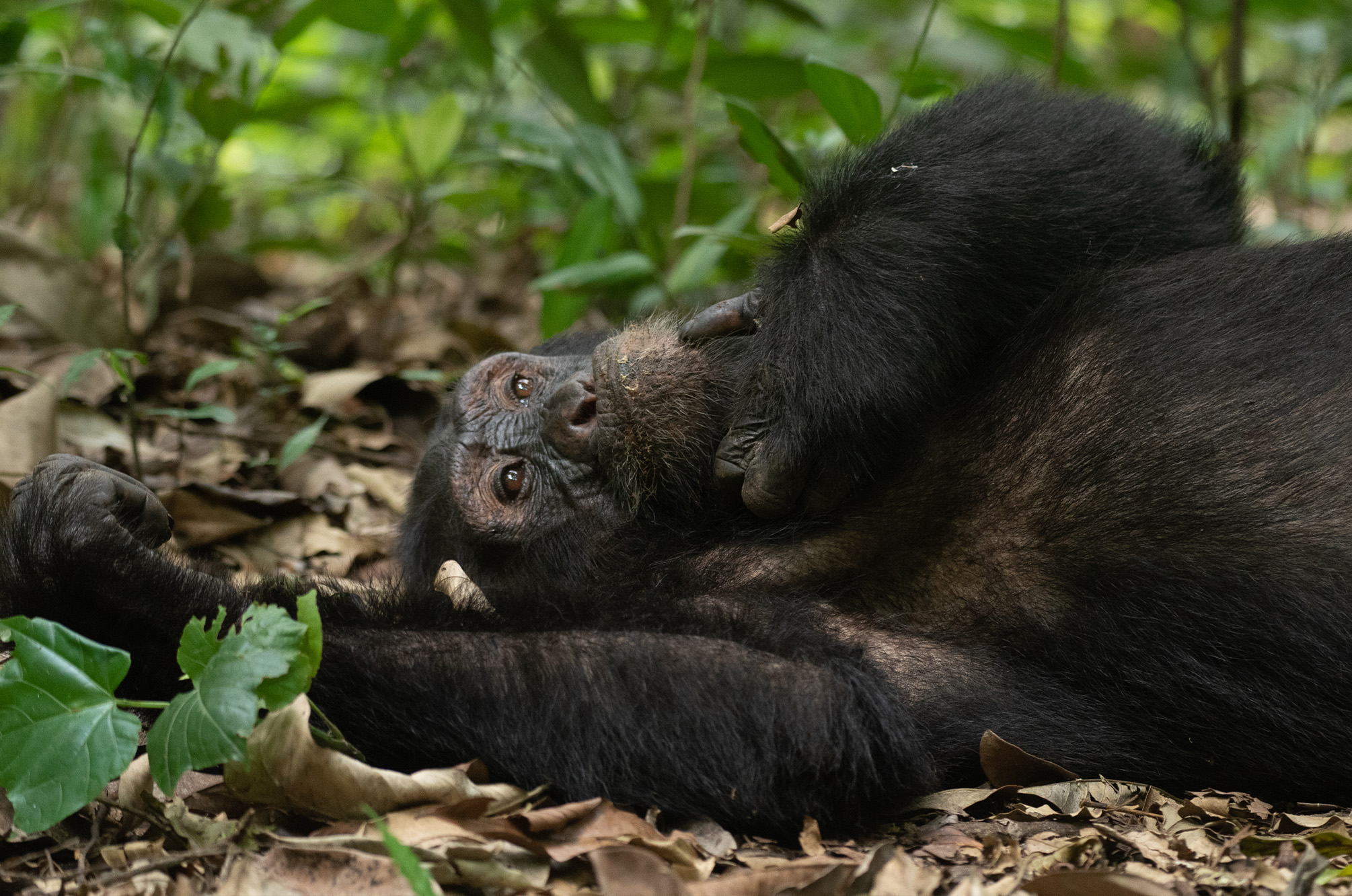
Chimpanzee habituation is a specialised wildlife research and conservation process in which wild chimpanzees gradually become accustomed to the presence of researchers and authorised observers.
Unlike a typical chimpanzee trekking excursion, which focuses on locating a chimpanzee community that is already habituated, habituation involves following chimpanzees whose tolerance of human presence is still being developed.
The process is conducted by trained researchers, field assistants and guides who monitor chimpanzee behaviour and follow established wildlife protection procedures. Their work helps scientists study chimpanzee social structures, feeding habits, communication and interactions within the forest.
For visitors, a habituation experience can provide a valuable insight into the work involved in studying and protecting wild chimpanzees.
Important: The exact habituation activities available to tourists in Budongo depend on the research programme, authorisations and current visitor arrangements. Confirm whether a dedicated tourist habituation permit is offered for your travel dates before booking.
How Does Chimpanzee Habituation Work?
Chimpanzee habituation is a gradual process that requires patience, regular observation and careful monitoring of the animals’ responses to people.
Researchers and field teams repeatedly visit chimpanzee communities, observe their behaviour and gradually increase the animals’ tolerance of human presence. The work is conducted carefully to minimise disturbance and protect both chimpanzees and people.
The habituation process can take several years, depending on the chimpanzee community and its response to human observers.
During authorised forest visits, researchers may collect information about feeding patterns, movement, social relationships, vocalisations and other aspects of chimpanzee behaviour. This research contributes to a better understanding of the species and supports conservation management.
For travellers, participating in an authorised habituation activity, where available, can offer a deeper appreciation of the scientific work behind primate tourism.
Chimpanzee Habituation vs Chimpanzee Tracking in Budongo Forest
Chimpanzee habituation and chimpanzee tracking are related activities, but they can differ in their objectives, duration and the nature of the experience.
| Feature | Chimpanzee habituation | Chimpanzee tracking |
|---|---|---|
| Main purpose | Experience or observe the habituation process where visitor participation is permitted | Locate and observe an established habituated chimpanzee community |
| Time commitment | May involve an extended forest excursion, depending on the programme | Usually a shorter guided excursion |
| Research focus | Greater emphasis on habituation work and behavioural observation | Primarily wildlife viewing and interpretation |
| Learning opportunities | Potential insight into research methods and chimpanzee behaviour | Guidance about chimpanzee ecology, forest habitats and conservation |
| Photography | Opportunities depend on conditions, regulations and the animals’ behaviour | Opportunities depend on visibility, conditions and applicable rules |
| Availability | Limited to authorised programmes and designated arrangements | Depends on the forest’s current visitor programme |
Do not assume that a six-hour or full-day habituation experience is automatically available in Budongo. Duration, access conditions and visitor rules should be confirmed with the authorised operator or relevant forest management authority.
Both experiences require visitors to follow their guides’ instructions, maintain the required distance from chimpanzees and comply with wildlife health and safety rules.
How Much Does Chimpanzee Habituation Cost in Budongo Forest?
The cost of chimpanzee experiences in Budongo Forest depends on the activity offered, visitor category and applicable conservation or permit fees.
Older published information has quoted the following rates for a Budongo chimpanzee habituation experience:
- Foreign non-residents: US$220 per person
- Foreign residents: US$150 per person
- East African citizens: US$80 per person
These figures are historical reference prices and should not be treated as confirmed current rates. Before planning your safari budget, verify whether the habituation experience is currently available to tourists and request the latest official tariff.
When comparing costs, ask whether the price includes the permit, guide services, conservation charges and any additional requirements. Also confirm the permitted time in the forest and the meeting point for the activity.
If you are combining Budongo Forest with Murchison Falls National Park, include transport and accommodation in your overall safari budget.
Other Activities to Do in Budongo Forest
Budongo Forest offers more than chimpanzee-related experiences. Its extensive woodland and tropical forest habitats make it attractive to birdwatchers, photographers and travellers who enjoy exploring nature on foot.
1. Chimpanzee Tracking
Chimpanzee tracking is one of the best-known wildlife experiences associated with Budongo Forest.
Visitors join authorised guides to search for chimpanzees in the forest. Once the animals are located, they can observe their behaviour under the guidance of trained personnel and learn about their social lives, feeding habits and conservation challenges.
Chimpanzee sightings are not guaranteed, as the animals move freely through the forest. The duration of the trek depends on their location, forest conditions and the relevant visitor regulations.
Budongo is particularly convenient for travellers who want to combine primate experiences with game drives and a boat cruise in Murchison Falls National Park.
2. Birdwatching in Budongo Forest
Budongo Forest is an important birding destination in Uganda, with forest habitats supporting numerous species, including birds associated with the Guinea-Congo forest biome.
Birdwatchers can explore designated forest trails with experienced guides who help identify birds by sight, calls and behaviour.
Species of interest may include the African dwarf kingfisher, chocolate-backed kingfisher, white-thighed hornbill, Ituri batis and other forest birds, depending on the area explored. The forest is also important for birders seeking species associated with Uganda’s western forests.
The wider Murchison Falls region supports a different range of habitats and birds, so combining forest birding with savannah and wetland birdwatching can make a Uganda birding itinerary particularly rewarding.
For the best experience, arrange a specialist birding guide and allow enough time to explore the forest without rushing.
3. Guided Nature Walks
Guided nature walks offer an opportunity to learn about Budongo’s vegetation, forest ecology and smaller wildlife.
Accompanied by an experienced guide, visitors can explore authorised trails while learning about the relationships between trees, insects, birds and primates. Guides may explain how particular plants are used by local communities, including their traditional medicinal applications.
Nature walks are suitable for travellers who want a more relaxed forest experience or who wish to learn about the ecosystem beyond chimpanzee tracking.
Routes, walking times and access conditions depend on the designated trail and current forest regulations.
4. Wildlife Photography
Budongo Forest provides opportunities for nature photography, from towering trees and tangled vegetation to butterflies, birds and other wildlife.
Photographers interested in chimpanzees should be prepared for changing light conditions, dense vegetation and animals that move quickly through the forest canopy.
A camera with suitable reach and good low-light performance can be helpful, particularly for forest bird photography. Visitors should always prioritise wildlife welfare and follow guide instructions rather than approaching animals for a photograph.
The nearby Murchison Falls landscape provides a complementary setting for photographing elephants, buffaloes, giraffes, antelopes and other savannah wildlife.
5. Camping and Forest Accommodation
Accommodation options around Budongo and the wider Murchison Falls area vary from basic forest-oriented stays to safari lodges and camps.
Spending a night near the forest can make it easier to participate in early-morning activities and enjoy the natural surroundings. Some accommodation properties may offer outdoor relaxation areas where visitors can appreciate the sounds of the forest after sunset.
Camping and campfires are subject to the rules of the relevant property or authorised camping area. Confirm the facilities available before travelling, and do not assume that unrestricted camping is permitted within the protected forest.
For travellers seeking a more comfortable safari, nearby lodges can provide a convenient base for combining forest activities with game drives in Murchison Falls National Park.
Best Time to Visit Budongo Forest
Budongo Forest can be visited throughout the year, although weather conditions may influence trail accessibility, walking comfort and wildlife viewing.
The relatively drier periods, commonly June to August and December to February, can be convenient for combining forest excursions with other activities in the Murchison Falls region.
The wetter months can also be rewarding for nature enthusiasts, with lush vegetation and opportunities to observe seasonal changes in the forest ecosystem. However, trails may become muddy and travel times can vary.
Birdwatching can be rewarding throughout the year, although the species encountered and their activity levels vary by season.
Before travelling, confirm the availability of chimpanzee activities, the departure time and any access restrictions with the relevant operator.
How to Get to Budongo Forest
Budongo Forest is located in northwestern Uganda, near the southern part of Murchison Falls National Park and the Lake Albert region.
Most visitors reach the forest by road from Kampala or Entebbe as part of a broader northern Uganda safari. The drive takes several hours, depending on the starting point, traffic, road conditions and the exact forest access point.
A private safari vehicle with a driver-guide is a convenient option for travellers who want to combine chimpanzee tracking, birdwatching and wildlife viewing.
A typical itinerary may include:
- Kampala or Entebbe
- Ziwa Rhino Sanctuary for rhino tracking
- Murchison Falls National Park for game drives and a Nile boat cruise
- Budongo Forest for chimpanzee tracking or birdwatching
- Return to Kampala or continue to another destination in Uganda
The order of activities depends on accommodation availability, the assigned meeting point and the timing of your forest excursion.
Combining Budongo Forest with Murchison Falls National Park
One of the main advantages of visiting Budongo Forest is its proximity to Murchison Falls National Park, one of Uganda’s major wildlife destinations.
The forest and the national park provide contrasting habitats. Budongo is known for forest primates and forest birds, while Murchison Falls offers savannah wildlife, riverine habitats and the spectacular Nile as it forces its way through a narrow gorge.
During a Murchison Falls safari, visitors can enjoy game drives in search of elephants, giraffes, buffaloes, lions and other wildlife. A boat cruise along the Nile offers opportunities to see hippos, crocodiles and waterbirds, while a visit to the falls reveals one of the region’s most dramatic natural features.
Combining Budongo Forest and Murchison Falls National Park is an excellent choice for travellers interested in both primates and classic African safari wildlife.
Frequently Asked Questions About Budongo Forest
1. Where is Budongo Forest located?
Budongo Forest is in northwestern Uganda, near Murchison Falls National Park and the Lake Albert region. It is a popular destination for chimpanzee tracking, forest birding and guided nature walks.
2. Can you do chimpanzee habituation in Budongo Forest?
Visitor access to chimpanzee habituation depends on the programmes and permits currently authorised in Budongo. Confirm availability directly with the relevant management authority or an established local tour operator before booking.
3. What is the difference between chimpanzee tracking and habituation?
Chimpanzee tracking involves locating and observing a habituated chimpanzee community. Habituation focuses on the process through which wild chimpanzees gradually become accustomed to human observers. The available tourist experience and duration depend on the specific programme.
4. How much does chimpanzee habituation cost in Budongo?
Historical published rates include US$220 for foreign non-residents, US$150 for foreign residents and US$80 for East African citizens. These prices require current verification, and travellers should confirm whether a dedicated habituation activity is available.
5. Is Budongo Forest good for birdwatching?
Yes. Budongo supports a rich variety of forest birds and is a rewarding destination for birdwatchers interested in Uganda’s western forests. A knowledgeable local birding guide can help identify species and locate important forest birds.
6. How many days should I spend in Budongo Forest?
A half-day or full-day excursion may suit travellers focused on one forest activity, depending on the programme. Dedicated birdwatchers and visitors interested in several activities may benefit from additional time in the area.
7. Can I combine Budongo Forest with a Murchison Falls safari?
Yes. Budongo Forest and Murchison Falls National Park work well together in a Uganda safari itinerary, allowing visitors to combine forest primates and birds with savannah wildlife, a Nile boat cruise and the spectacular Murchison Falls.
Plan Your Budongo Forest Safari with Raptors africa safaris
Budongo Forest offers a rewarding introduction to Uganda’s forest wildlife, with opportunities for chimpanzee tracking, birdwatching and guided nature walks. Its location near Murchison Falls National Park makes it particularly suitable for travellers who want to combine primate encounters with a traditional African wildlife safari.
At Raptors africa Safaris, we help travellers plan Uganda safaris that combine Budongo Forest, Murchison Falls National Park, Ziwa Rhino Sanctuary and other destinations according to their interests, travel dates and budget.
Whether you are planning a primate-focused excursion, a birding holiday or a wider Uganda wildlife adventure, we can help you arrange a suitable itinerary.
Contact Raptors Africa safaris to plan your Uganda safari and explore Budongo Forest and Murchison Falls National Park.