Call: +256 702 595 926 | Email: info@bookgorillatracking.com

Lakes and Rivers in Akagera National Park, Rwanda

Guide to Lakes and Rivers in Akagera National Park, Rwanda: Major Water Bodies, Wildlife and Wetlands
Introduction: Exploring the Lakes and Rivers of Akagera National Park
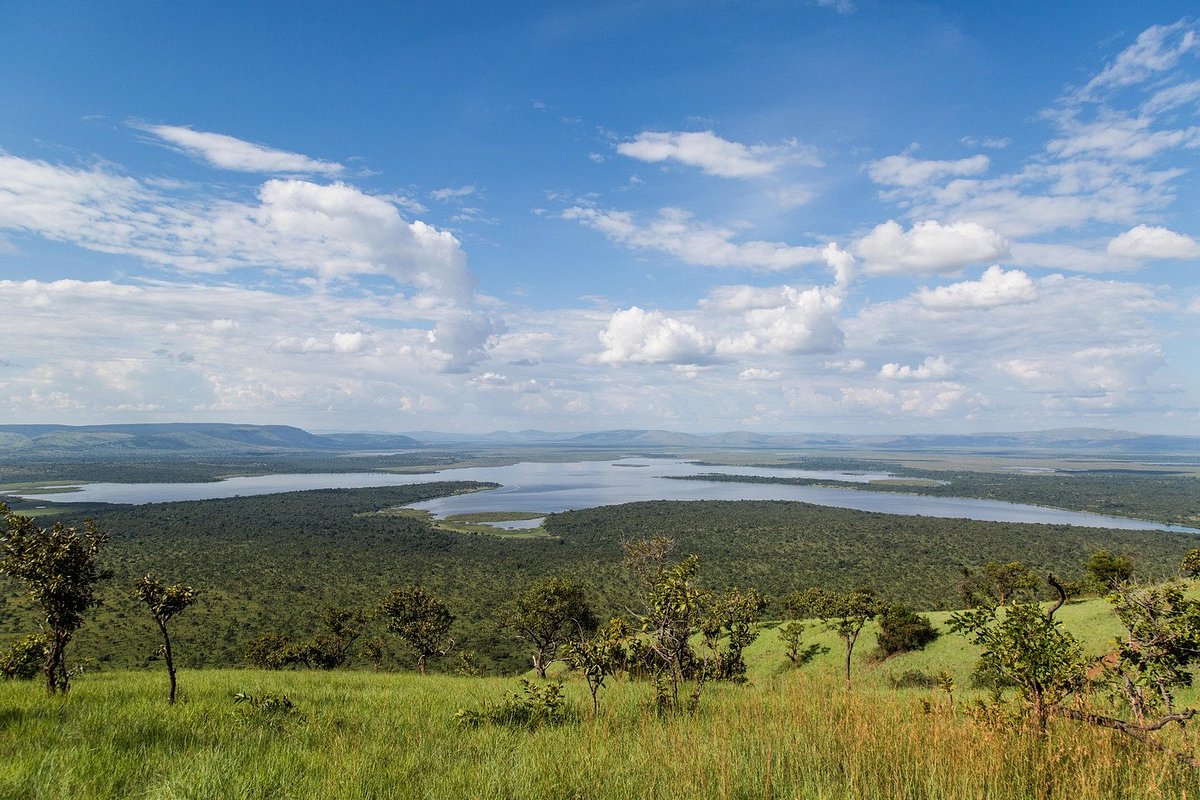
Akagera National Park is one of Rwanda’s most remarkable wildlife destinations, famous for its savannah plains, rolling hills, woodland, wetlands, lakes and river systems. Located in eastern Rwanda along the border with Tanzania, the park protects a diverse landscape where open grasslands meet extensive papyrus swamps and freshwater habitats.
The lakes and rivers in Akagera National Park are central to its ecological importance and safari experience. They provide water for wildlife, support aquatic plants and fish, create important habitats for resident and migratory birds, and attract animals such as elephants, buffaloes, hippos and crocodiles.
Unlike Rwanda’s mountainous national parks, where visitors mainly explore forests and volcanic landscapes, Akagera offers opportunities to experience freshwater ecosystems alongside traditional African savannah wildlife. Travellers can enjoy a boat safari on Lake Ihema, go fishing at Lake Shakani, observe birds around papyrus swamps and explore scenic lakeshores during guided or self-drive game drives.
The park’s aquatic landscape is part of a wider wetland system associated with the Akagera River, also known as the Kagera River. The river flows along the park’s eastern boundary and connects with a network of lakes, floodplains, marshes and water channels.
This comprehensive guide explores the major lakes and rivers in Akagera National Park, their locations, wildlife, ecological importance and the activities visitors can enjoy during a Rwanda safari.
1. Understanding the Water System of Akagera National Park
Akagera National Park protects an important network of freshwater habitats in eastern Rwanda. Its eastern landscape is characterised by lakes, papyrus swamps, marshes, floodplains and channels associated with the Akagera River system.
The official Akagera National Park website describes the park as a combination of savannah and wetland habitats, with approximately one-third of its 1,200-square-kilometre landscape dominated by water. These aquatic environments support a wide variety of wildlife and contribute to the park’s distinctive scenery.
The water system has several important functions:
- Wildlife water supply: Lakes and rivers provide drinking water for elephants, buffaloes, antelopes and other mammals.
- Hippo and crocodile habitat: Permanent water bodies and connecting channels support aquatic wildlife.
- Bird habitats: Papyrus swamps, shallow shorelines and open water attract waterbirds and wetland specialists.
- Fish habitats: Freshwater ecosystems support fish populations and aquatic food chains.
- Vegetation and wetlands: Seasonal flooding helps sustain papyrus, grasses and other wetland vegetation.
- Wildlife movement: Lakeshores and river corridors create important feeding and movement areas for animals.
The lakes are not isolated features. They form part of a larger hydrological landscape in which river flows, rainfall, seasonal flooding and wetland vegetation influence the availability and distribution of water.
2. Major Lakes in Akagera National Park
Akagera contains numerous lakes of different sizes, surrounded by grasslands, woodland and papyrus wetlands. Some are recognised safari attractions, while others are important components of the park’s wider freshwater ecosystem.
The following lakes are identified on the park map and in studies of the Akagera wetland system.
2.1 Lake Ihema – The Largest Lake in Akagera National Park
Lake Ihema is the most prominent and best-known lake in Akagera National Park. Located in the southern part of the park, it is an important wildlife habitat and the main destination for visitors interested in boat safaris.
The lake is surrounded by papyrus vegetation, wetlands and areas of woodland. Its shoreline and nearby channels support a variety of aquatic and terrestrial wildlife.
Lake Ihema is particularly famous for its population of hippopotamuses and Nile crocodiles. Visitors taking a boat excursion may see hippos resting in the water, crocodiles along the shoreline and numerous birds feeding or flying above the lake.
Wildlife around Lake Ihema
Some of the wildlife associated with the lake includes:
- Hippopotamuses
- Nile crocodiles
- African fish eagles
- Herons and egrets
- Kingfishers
- African jacanas
- Cormorants
- Other wetland and water-associated birds
Elephants, buffaloes and other mammals may also be seen around suitable lakeside habitats, although sightings vary.
Lake Ihema boat safari
A boat safari is one of the most rewarding activities in Akagera National Park. It gives visitors an opportunity to explore the lake from the water while observing wildlife and birds from a different perspective.
The official park website lists scheduled boat excursions at:
- 7:30 am
- 9:00 am
- 3:00 pm
- 4:30 pm
Private boat excursions may also be arranged at other times, subject to availability.
During the trip, visitors can enjoy views of the lake, observe hippos and crocodiles, photograph waterbirds and learn about the importance of the wetland ecosystem.
Lake Ihema is an excellent addition to a one-day Akagera safari from Kigali or a longer wildlife holiday combining game drives and accommodation inside the park.
2.2 Lake Shakani – Fishing and Lakeside Experiences
Lake Shakani is another important lake in Akagera National Park, located in the southern section of the park. It is particularly known for recreational fishing and lakeside experiences.
Unlike Lake Ihema, which is mainly associated with boat excursions and wildlife viewing, Lake Shakani offers visitors an opportunity to enjoy a quieter freshwater environment.
Fishing is one of the activities promoted by Akagera National Park. Visitors can spend time fishing from the lakeshore and, where permitted under the park’s arrangements, enjoy preparing their catch at the campsite.
The lake also contributes to the wider wetland habitat, supporting aquatic life and attracting birds.
Activities at Lake Shakani
- Recreational fishing
- Birdwatching
- Lakeside photography
- Relaxing in a natural setting
- Enjoying the surrounding wetland scenery
Fishing arrangements, permitted equipment and applicable fees should be confirmed with park management before travelling.
Lake Shakani is a good choice for visitors who want to add a relaxed outdoor activity to their wildlife safari.
2.3 Lake Rwanyakizinga – A Scenic Northern Wetland Lake
Lake Rwanyakizinga is among the notable lakes in the northern part of Akagera National Park. It is identified on the park’s visitor map and forms part of the wider wetland landscape along the eastern side of the reserve.
The lake is surrounded by natural vegetation and contributes to the park’s network of freshwater habitats. Its location makes it an interesting feature for visitors exploring the northern section of Akagera.
The surrounding landscape is particularly important for wetland biodiversity and wildlife movement. Like other lakes in the park, it contributes to the availability of water and suitable habitat for aquatic and semi-aquatic species.
Visitors should understand that not every lake in Akagera has a designated visitor facility or organised boat excursion. Lake Rwanyakizinga is best considered as part of the wider northern wetland scenery rather than an activity destination with guaranteed access.
2.4 Lake Mihindi – A Northern Lake and Picnic Area
Lake Mihindi is another named water body in Akagera National Park. It appears on the official visitor map and is associated with the northern wetland landscape.
One notable feature of Lake Mihindi is the picnic area identified on the park map. The map indicates that this is a designated picnic location with facilities, unlike some other picnic spots in the park.
Visitors exploring the northern section may appreciate the lake’s natural surroundings and the opportunity to stop and enjoy the scenery.
The lake contributes to the wider freshwater ecosystem, supporting aquatic vegetation and wetland habitats.
Before planning a picnic stop, confirm the current access arrangements and facilities with park management, as visitor services may change.
2.5 Lake Hago – Part of Akagera’s Wetland Network
Lake Hago is one of the lakes identified on the Akagera National Park map. It forms part of the park’s wider freshwater and wetland system.
Although it receives less visitor attention than Lake Ihema, Lake Hago is ecologically important because the park’s smaller lakes collectively provide habitat for aquatic species, birds and other wildlife.
The surrounding wetland environment contributes to the diversity of habitats that make Akagera an important conservation area.
Lake Hago is not generally promoted as a main tourist activity centre, so visitors should not assume that boat trips, fishing or developed picnic facilities are available there.
2.6 Lake Gishanju – A Lesser-Known Water Body
Lake Gishanju is another lake marked on the Akagera visitor map. It is part of the park’s network of smaller freshwater habitats.
The lake contributes to the natural wetland landscape and the ecological connectivity between water bodies, marshes and surrounding vegetation.
For nature enthusiasts, the existence of lakes such as Gishanju illustrates that Akagera’s aquatic environment extends beyond the better-known tourist locations.
Its importance is best understood as part of the wider wetland system rather than as a stand-alone visitor attraction.
2.7 Lake Kivumba – A Lake in the Akagera Wetland Landscape
Lake Kivumba, also referred to as Lake Kivumbu in some ecological literature, is one of the water bodies associated with the Akagera wetland complex.
It is identified on the park map and in research documenting the lakes around the Akagera River.
The lake contributes to the broader network of freshwater habitats that support wildlife and wetland vegetation.
As with other lesser-known lakes, visitors should check with park authorities before making specific plans to visit its shoreline.
2.8 Lake Murambi – A Smaller Lake Within the Park
Lake Murambi is another named lake shown on the Akagera visitor map. It forms part of the collection of smaller lakes and wetlands that characterise the park’s eastern landscape.
Its significance is linked to the ecological value of the wider freshwater system. Small and medium-sized lakes provide feeding and breeding environments for aquatic organisms and contribute to the habitat diversity of the park.
Lake Murambi is not as widely promoted for tourism as Lake Ihema or Lake Shakani, but it is useful to know about when learning about Akagera’s full water network.
2.9 Lake Murambya – Another Component of the Freshwater Network
Lake Murambya is also marked on the park map. It is one of the smaller water bodies found within Akagera’s wetland landscape.
The lake contributes to the wider system of freshwater habitats that sustain aquatic plants, fish, birds and other wildlife.
Its presence demonstrates that the park’s wetlands consist of numerous interconnected natural features rather than a single large lake.
2.10 Lake Birengero – A Lesser-Known Akagera Lake
Lake Birengero is identified on the visitor map among the park’s smaller lakes.
Although it is not one of Akagera’s main advertised visitor attractions, it contributes to the diversity of the park’s freshwater environment.
Lakes such as Birengero are important because the ecological value of Akagera’s wetlands depends on the combined contribution of its lakes, marshes, water channels and surrounding vegetation.
2.11 Lake Muyumbu – Part of the Southern Water Landscape
Lake Muyumbu is another water body shown on the park map. It is located within the southern part of the mapped park landscape.
It forms part of the collection of lakes and wetlands that characterise Akagera’s savannah and freshwater environment.
Visitors exploring the southern section may encounter different wetland and lakeside landscapes during their game drives, although access to individual lake shores is subject to park roads and designated routes.
3. The Akagera River – The Main River of Akagera National Park
The Akagera River is the most important river associated with Akagera National Park. It gives the park its name and forms much of its eastern boundary along the border between Rwanda and Tanzania.
The river is also known as the Kagera River and is an important part of the Nile River basin. It flows northwards through the East African region towards Lake Victoria.
The Akagera River is connected to an extensive landscape of lakes, marshes and floodplains. Its water system supports the wetlands that make the park one of Rwanda’s most important freshwater and savannah conservation areas.
Importance of the Akagera River
The river has several ecological functions:
- It contributes to the freshwater supply of the wider Akagera wetland system.
- It supports aquatic and semi-aquatic wildlife.
- It helps sustain lakes, marshes and floodplain habitats.
- It supports fish and other aquatic organisms.
- It contributes to the ecological connection between Rwanda and neighbouring countries.
- It helps maintain the landscape that supports wetland birds and large mammals.
The Akagera River is not simply a scenic feature. It is an important ecological system that supports biodiversity and connects different freshwater habitats.
The Akagera River and the Nile
The Akagera River is part of the upper Nile drainage system. Its wider catchment receives water from several tributaries and lakes, including rivers originating in Rwanda and Burundi.
The river eventually flows towards Lake Victoria, making it part of one of Africa’s most important river systems.
For visitors, this adds an interesting geographical dimension to an Akagera safari: the lakes and wetlands encountered during a game drive belong to a much larger East African water system.
4. Other Rivers and Watercourses in the Wider Akagera Catchment
Although the Akagera River is the main named river associated with the park, the wider catchment includes additional rivers and smaller watercourses.
It is important to distinguish between rivers flowing into the wider Akagera system and rivers that are specifically located inside the national park.
4.1 Ruvubu River
The Ruvubu River is an important river originating in the wider Burundi and Tanzania region. It joins the Akagera system upstream of Rusumo Falls.
Its contribution is significant to the wider hydrological system that eventually supplies the lower Akagera River and the wetlands associated with the national park.
The Ruvubu is therefore important to understanding the origins and water supply of the Akagera River, although it should not be presented as a river flowing through the park itself.
4.2 Nyabarongo River
The Nyabarongo River is one of Rwanda’s major rivers and an important contributor to the wider Akagera drainage system.
It joins the Akanyaru River to form the Nyabarongo-Akagera river system. Through this network, water from Rwanda’s interior contributes to the larger river system flowing towards eastern Rwanda.
The Nyabarongo is relevant to the geographical background of Akagera, but it is not one of the main rivers visitors explore during a safari inside the park.
4.3 Akanyaru River
The Akanyaru River is another important tributary in the upper Akagera catchment. It forms part of the river system that eventually contributes to the Akagera River.
Together with the Nyabarongo, it helps explain how water from different parts of Rwanda and neighbouring Burundi enters the wider Akagera basin.
4.4 Smaller Watercourses and Seasonal Channels
The Akagera wetland landscape also includes smaller watercourses, drainage channels and seasonal streams.
These features contribute to the movement and storage of water across the floodplain and wetlands. Their water levels may change according to rainfall, seasonal flooding and the condition of the wider river system.
Some watercourses are not permanent rivers and should not be confused with the main Akagera River.
5. Akagera’s Papyrus Swamps and Wetlands
The lakes and rivers of Akagera are closely associated with extensive papyrus swamps and marshes. These wetlands are among the park’s most valuable habitats.
Papyrus grows in shallow water and along wetland margins, creating dense vegetation that provides shelter and breeding areas for birds and other wildlife.
The wetlands also help regulate water movement and provide feeding grounds for aquatic organisms.
Why the wetlands are important
- Bird conservation: Papyrus and marsh vegetation provide habitat for numerous wetland birds, including specialised species.
- Wildlife shelter: Wetlands provide refuge and feeding areas for hippos and other animals.
- Water storage: Floodplains and marshes help store excess water and release it gradually.
- Fish habitat: Shallow water, vegetation and channels support aquatic life.
- Natural filtration: Wetland plants and soils help retain sediments and influence water quality.
- Landscape diversity: Wetlands create a striking contrast with Akagera’s grasslands and woodland.
The papyrus swamps are particularly important for birdwatchers looking for species associated with freshwater marshes.
6. Wildlife Found Around the Lakes and Rivers of Akagera
The freshwater habitats of Akagera support a rich variety of wildlife. Some animals spend much of their time in or around the water, while others visit the lakeshores to drink, feed or cool down.
6.1 Hippopotamuses
Hippos are among the most recognisable animals found in Akagera’s aquatic habitats.
They spend much of the day in water to protect their sensitive skin from the sun and generally emerge at night to feed on surrounding grasslands.
Lake Ihema is one of the best-known locations for observing hippos during a boat safari.
Visitors should maintain a safe distance and never attempt to approach or enter the water.
6.2 Nile Crocodiles
Nile crocodiles inhabit the lakes and waterways of Akagera. They may be seen resting along the banks or floating close to the water’s surface.
They are important predators within the freshwater ecosystem and contribute to the natural balance of aquatic food chains.
Boat safari visitors may have opportunities to observe crocodiles from a safe distance, especially around suitable lakeside habitats.
6.3 Elephants
African elephants are among the large mammals protected in Akagera National Park.
They may visit water sources to drink and cool themselves, especially during dry periods.
Although elephants are not restricted to lakeshores, their movements around water bodies can create excellent wildlife-viewing opportunities during game drives.
6.4 Buffaloes
African buffaloes are commonly associated with grassy habitats and areas near water.
They may gather around lakes and wetlands to drink, graze or move through the surrounding vegetation.
Buffaloes are powerful wild animals and should always be observed from a safe distance.
6.5 Antelopes and Other Mammals
Several antelope species inhabit the grasslands and woodland surrounding Akagera’s lakes and wetlands.
These include impalas, water-associated species such as sitatunga in suitable wetland habitat, waterbucks and other antelopes.
Their distribution varies according to habitat, season and local conditions.
7. Birdwatching Around Akagera’s Lakes and Rivers
Akagera National Park is one of Rwanda’s important birdwatching destinations, with a rich variety of savannah, woodland and wetland species.
The lakes, papyrus swamps and river corridors are particularly rewarding for bird enthusiasts.
Birdwatchers may look for:
- African fish eagle
- African jacana
- Malachite kingfisher
- Pied kingfisher
- Herons
- Egrets
- Cormorants
- African darter
- Papyrus gonolek
- Papyrus yellow warbler
- Shoebill, in suitable wetland habitat
The Shoebill is a particularly sought-after bird among visitors interested in African wetland birding. However, sightings are never guaranteed and depend on location, habitat conditions and the bird’s movements.
Best birdwatching locations
Lake Ihema is a popular location because boat excursions allow visitors to observe birds from the water.
Lake Shakani and other lakeshores may also offer birdwatching opportunities. Papyrus wetlands and quieter marshy areas are especially interesting for visitors looking for species associated with dense wetland vegetation.
A knowledgeable birding guide can help identify species by their calls, appearance and behaviour.
8. Best Activities Around the Lakes and Rivers in Akagera National Park
The water bodies of Akagera offer more than scenic views. They create opportunities for activities that complement traditional savannah game drives.
8.1 Lake Ihema Boat Safari
A Lake Ihema boat safari is one of the most popular activities in Akagera National Park.
Visitors board a boat and explore the lake with opportunities to see hippos, crocodiles and a variety of waterbirds.
The scheduled excursions listed by the park are at 7:30 am, 9:00 am, 3:00 pm and 4:30 pm. Private trips can also be arranged at other times.
The boat excursion is suitable for wildlife photographers, birdwatchers, families and travellers seeking a different perspective of Akagera’s wildlife.
8.2 Fishing at Lake Shakani
Fishing is another activity available in Akagera.
Lake Shakani is the main location promoted for recreational fishing. Visitors can enjoy time beside the water and, subject to the park’s rules, participate in fishing activities.
Fishing arrangements and permitted equipment should be checked before arrival.
8.3 Birdwatching
Birdwatching around the lakes and wetlands is an excellent way to explore Akagera’s biodiversity.
A guided birding excursion can help visitors identify wetland specialists, waterbirds and other species found around the lakes.
8.4 Wildlife Photography
The lakeshores provide attractive photographic settings, especially when animals gather near water.
Photographers may capture hippos, crocodiles, birds, elephants and buffaloes, as well as reflections of the surrounding vegetation.
Early morning and late afternoon can offer favourable light, although wildlife activity and sightings vary.
8.5 Guided Game Drives Around Wetlands
Game drives provide opportunities to explore the savannah, woodland and wetland edges.
Visitors may encounter animals feeding or drinking near lakes and marshes. A knowledgeable guide can explain how wildlife uses different habitats throughout the day.
8.6 Relaxing at a Lakeside Lodge
Staying near a lake allows visitors to appreciate Akagera’s natural environment beyond the hours spent on game drives.
Ruzizi Tented Lodge, for example, overlooks Lake Ihema and offers a convenient base for exploring the southern section of the park.
9. Best Time to Visit Akagera’s Lakes and Rivers
Akagera National Park can be visited throughout the year, but the experience around its lakes and wetlands changes with rainfall and seasonal conditions.
The best time depends on whether visitors prioritise wildlife viewing, birdwatching, photography, scenery or comfortable driving conditions.
Dry Season
The drier months generally offer easier driving conditions and may make it easier to spot wildlife gathering around available water sources.
Advantages include:
- Easier access along many park roads
- Opportunities to see animals gathering near water
- Good conditions for game drives
- Generally more convenient wildlife photography
However, water levels and vegetation conditions vary from one lake to another, so the appearance of the wetlands may change throughout the dry season.
Rainy Season
The rainy periods bring greener landscapes and may increase the extent of seasonal wetlands.
Advantages include:
- Lush green scenery
- Attractive landscape photography
- Good opportunities for wetland birdwatching
- Seasonal changes in vegetation and water levels
Some park roads can become difficult to navigate after heavy rainfall. A suitable 4×4 vehicle is recommended, and visitors should check current road conditions before travelling.
Which Season Is Best for a Boat Safari?
Lake Ihema boat excursions are among the main water-based attractions and are offered on scheduled departures throughout the year, subject to operating conditions and availability.
Visitors should confirm the latest schedule when booking.
10. Where to Stay Near the Lakes and Wetlands of Akagera
Choosing suitable accommodation can make it easier to enjoy the lakes, wetlands and wildlife of Akagera National Park.
Ruzizi Tented Lodge
Ruzizi Tented Lodge is located beside Lake Ihema and offers an excellent setting for visitors interested in the park’s southern wetlands.
The lodge is particularly convenient for travellers planning a Lake Ihema boat safari and southern-sector game drives.
Akagera Game Lodge
Akagera Game Lodge is another accommodation option within the park. It offers a base for exploring the southern and central sections of Akagera, including the surrounding savannah and lake landscapes.
Karenge Bush Camp
Karenge Bush Camp is located in the northern part of the park and provides a more remote wilderness experience.
It is a suitable option for visitors interested in exploring Akagera’s northern plains and wildlife habitats.
Magashi Camp
Magashi Camp offers an exclusive safari experience in the northern part of Akagera, overlooking the scenic Lake Rwanyakizinga area.
It is an appealing option for travellers seeking a luxury safari experience with opportunities to explore the park’s wildlife and wetland scenery.
Accommodation availability, operating seasons and booking arrangements should be confirmed before travel.
11. How to Visit the Lakes and Rivers of Akagera National Park
Akagera National Park is located in eastern Rwanda, approximately 110 kilometres from Kigali. The journey from Kigali to the park’s southern entrance takes around two hours, depending on traffic and road conditions.
Visitors can explore the park through a private safari vehicle, self-drive arrangements or organised safari packages.
By Private Safari Vehicle
A private safari vehicle with a professional driver-guide is a convenient way to explore the park.
The guide can help visitors plan game drives, arrange suitable stops and coordinate activities such as the Lake Ihema boat safari.
By Self-Drive
Akagera allows self-drive visitors to explore the park in their own vehicles.
A 4×4 vehicle is recommended, particularly during the rainy season when some roads may become difficult.
Visitors should follow the official park map and stay on designated roads.
By Organised Safari Tour
Booking an organised safari is a practical option for travellers who want transport, accommodation, guiding and activities arranged in advance.
A tour operator can help coordinate a combination of game drives, Lake Ihema boat excursions, fishing and birdwatching.
12. Suggested Itinerary: Exploring Akagera’s Lakes and Wildlife
2 Days Akagera National Park Lakes and Wildlife Safari
Day 1: Kigali to Akagera National Park – Game Drive and Lake Ihema Boat Safari
Depart Kigali in the morning and drive to Akagera National Park.
After completing park entry arrangements, begin a game drive through the southern section, looking for elephants, buffaloes, giraffes, zebras, antelopes and other wildlife.
Depending on the boat schedule, enjoy an afternoon boat excursion on Lake Ihema. Look out for hippos, crocodiles and waterbirds while learning about the park’s wetland ecosystem.
After the boat safari, transfer to your lodge for dinner and an overnight stay.
Day 2: Morning Game Drive and Lake Shakani Experience – Return to Kigali
Enjoy an early breakfast before exploring more of the park’s savannah and wetland habitats.
Depending on the itinerary and activity availability, visit the Lake Shakani area for a fishing experience or enjoy birdwatching and lakeside scenery.
After lunch, begin the journey back to Kigali.
This itinerary can be adjusted depending on the season, accommodation location, activity schedules and visitor interests.
13. Conservation Importance of Akagera’s Lakes and Rivers
The lakes, rivers and wetlands of Akagera are important to Rwanda’s conservation efforts.
They support a variety of habitats and help maintain the ecological balance of the park.
However, freshwater ecosystems can be affected by environmental pressures, including pollution, invasive species, habitat degradation, changes in rainfall and unsustainable resource use.
Protecting the water system is therefore essential for maintaining the park’s wildlife populations and biodiversity.
Visitors also contribute to conservation by paying park fees, booking authorised activities, following park regulations and supporting responsible tourism businesses.
How Visitors Can Help Protect Akagera’s Waterways
- Avoid throwing rubbish into lakes, rivers and wetlands.
- Do not feed hippos, crocodiles, birds or other wild animals.
- Never enter the water unless specifically authorised by park management.
- Avoid disturbing birds and animals near their nesting or resting areas.
- Follow the instructions of guides and park rangers.
- Use designated roads, picnic areas and activity locations.
- Support responsible accommodation providers and authorised tour operators.
Responsible tourism helps protect Akagera’s natural environment while supporting conservation and local communities.
14. Important Visitor Guidelines for Lakes and Rivers in Akagera
Visitors exploring the park’s water bodies should follow the park’s safety regulations.
Keep a safe distance from wildlife: Hippos and crocodiles are dangerous wild animals. Never approach them on foot or attempt to enter the water.
Use authorised boat services: Boat excursions should be arranged through the park’s official booking channels or authorised accommodation providers.
Follow fishing regulations: Fishing is permitted only under the park’s applicable arrangements. Confirm current rules, fees and permitted equipment before participating.
Do not litter: Plastic, food waste and other rubbish can harm wildlife and pollute aquatic habitats.
Remain on designated routes: Do not drive off-road or attempt to reach restricted lakeshores.
Follow guide instructions: During boat trips and game drives, listen to the instructions provided by guides and park staff.
Check activity availability: Boat trips, fishing and other activities may be affected by weather, operational arrangements and seasonal conditions.
15. Frequently Asked Questions About Lakes and Rivers in Akagera National Park
1. How many lakes are found in Akagera National Park?
Akagera contains numerous lakes and smaller water bodies. The park map identifies several named lakes, including Ihema, Shakani, Rwanyakizinga, Mihindi, Gishanju, Hago, Kivumba, Murambi, Murambya, Birengero and Muyumbu.
The exact number depends on the mapping and classification used, including whether smaller seasonal water bodies are counted.
2. Which is the largest lake in Akagera National Park?
Lake Ihema is the largest and most prominent lake in Akagera National Park. It is also the main location for the park’s scheduled boat excursions.
3. Can visitors take a boat safari in Akagera?
Yes. Boat safaris are available on Lake Ihema. The official park website lists scheduled trips at 7:30 am, 9:00 am, 3:00 pm and 4:30 pm. Private excursions may also be arranged.
4. Which lake is best for fishing in Akagera?
Lake Shakani is the main lake promoted for recreational fishing in Akagera National Park. Visitors should confirm fishing arrangements and applicable fees before participating.
5. Which river flows along the eastern boundary of Akagera National Park?
The Akagera River, also known as the Kagera River, flows along the park’s eastern boundary, forming part of the border between Rwanda and Tanzania.
6. Are there crocodiles in Akagera’s lakes?
Yes. Nile crocodiles inhabit the park’s aquatic environments. Lake Ihema is among the best-known places for observing them during a boat safari.
7. Are hippos found in Lake Ihema?
Yes. Lake Ihema is well known for its hippos. Visitors may see them resting in the water during a boat excursion.
8. Is Akagera National Park good for birdwatching?
Yes. The park’s lakes, papyrus swamps and wetlands provide important habitats for many waterbirds and wetland specialists. Birdwatching can be combined with game drives and boat excursions.
9. Can visitors swim in the lakes of Akagera National Park?
Visitors should not swim in Akagera’s lakes or rivers. The presence of hippos, crocodiles and other wildlife makes entering the water dangerous. Follow the park’s official safety instructions.
10. Can I visit Lake Ihema on a one-day Akagera safari from Kigali?
Yes. A one-day safari can include a game drive and a Lake Ihema boat excursion if the itinerary is planned around the boat schedule and travel time. A two-day safari offers more time to explore the park.
11. Where can I stay near Lake Ihema?
Ruzizi Tented Lodge is located beside Lake Ihema and is a convenient accommodation option for visitors interested in boat safaris and southern Akagera.
12. Are all lakes in Akagera open to visitors?
No. Some lakes are associated with designated visitor activities, while others are mainly important ecological habitats. Visitors should follow the official park map and check access arrangements with park management.
16. Plan Your Akagera National Park Lakes and Wildlife Safari
The lakes and rivers of Akagera National Park are an essential part of Rwanda’s natural heritage. From the wildlife-rich waters of Lake Ihema to the fishing opportunities at Lake Shakani and the wider wetlands connected to the Akagera River, the park offers a memorable combination of freshwater scenery and African savannah wildlife.
A visit to Akagera is an opportunity to experience more than traditional game drives. Visitors can explore the lakes by boat, observe hippos and crocodiles, photograph wetland birds, enjoy fishing where permitted and discover the ecological importance of Rwanda’s freshwater habitats.
Book your Akagera National Park safari with Book Gorilla Tracking. We can help organise private transport from Kigali, guided game drives, Lake Ihema boat excursions, accommodation and customised Rwanda wildlife safari packages.
Visit our contact page to plan your trip: https://www.bookgorillatracking.com/contact-us/