Call: +256 702 595 926 | Email: info@bookgorillatracking.com

Best Time for Gorilla Trekking in Rwanda: Month-by-Month Guide


Best Time for Gorilla Trekking in Rwanda: Best Months, Seasons and Weather Guide
The best time for gorilla trekking in Rwanda is generally during the dry seasons, particularly June, July, August and September, as well as December, January and February. These months usually experience less rainfall, making hiking conditions more favourable for visitors exploring the mountainous forests of Volcanoes National Park.
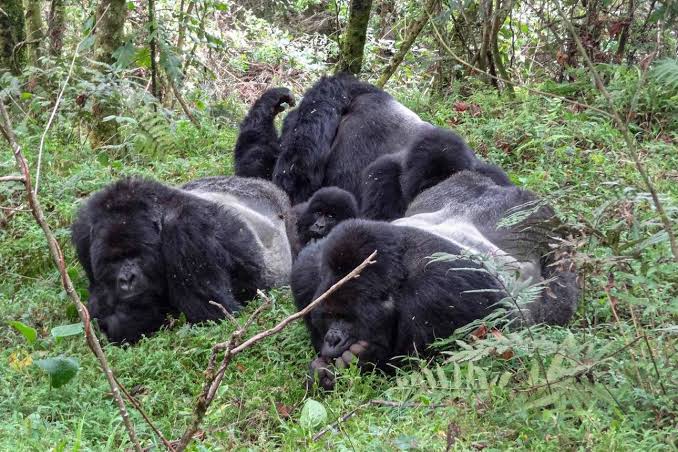
However, gorilla trekking in Rwanda is available throughout the year. Mountain gorillas inhabit Volcanoes National Park permanently, meaning visitors can encounter these endangered primates during both the rainy and dry seasons.
The difference between the seasons is mainly associated with weather conditions, trail accessibility, hiking difficulty and the overall comfort of the trekking experience.
For travellers planning a Rwanda gorilla trekking safari, choosing the right month can make a significant difference. Understanding the country’s weather patterns helps you prepare appropriately, select suitable travel dates and organise your safari in advance.
At Raptors Africa Safaris, we organise personalised Rwanda gorilla trekking experiences, including gorilla permits, accommodation, airport transfers, private safari vehicles and guided excursions to Volcanoes National Park.
1. Where Can You Go Gorilla Trekking in Rwanda?
Gorilla trekking in Rwanda takes place exclusively in Volcanoes National Park, also known as Parc National des Volcans. The park is located in northwestern Rwanda, within the Virunga Mountain range, close to the borders of Uganda and the Democratic Republic of Congo.
Volcanoes National Park is one of Africa’s most important conservation destinations and protects a significant population of endangered mountain gorillas.
The park is characterised by volcanic mountains, bamboo forests, montane vegetation and tropical rainforest. Its spectacular landscapes provide a natural habitat for several habituated mountain gorilla families.
Gorilla trekking involves hiking through the forest in search of an assigned gorilla family. Visitors are accompanied by professional park guides, trackers and rangers who understand the gorillas’ movements and behaviour.
Once the gorillas are located, visitors are permitted to spend one hour observing them in their natural habitat.
The experience can involve a relatively short walk or several hours of hiking, depending on the location of the assigned gorilla family.
Weather conditions play an important role in determining how comfortable the trek will be. During the dry season, forest trails are generally less muddy, while the rainy season can make certain sections slippery and more physically demanding.
2. What Is the Best Month for Gorilla Trekking in Rwanda?
The best months for gorilla trekking in Rwanda are generally June, July, August, September, December, January and February.
These months fall within the country’s two relatively drier seasons and are popular among international travellers planning mountain gorilla encounters.
Nevertheless, every month offers different advantages depending on your travel expectations.
January: An Excellent Month for Gorilla Trekking
January is one of the favourable months for visiting Volcanoes National Park.
It falls within Rwanda’s shorter dry season, when rainfall is generally lower than during the main rainy season.
The relatively favourable weather makes hiking through the mountainous forests more manageable. Trails are often less muddy, although occasional showers can still occur.
January is particularly suitable for visitors interested in combining gorilla trekking with other experiences, including Kigali city tours, golden monkey tracking and cultural excursions.
Advantages of visiting in January:
-
Generally favourable trekking conditions.
-
Relatively lower rainfall.
-
More manageable forest trails.
-
Beautiful natural scenery.
-
Good opportunities for wildlife photography.
-
Suitable conditions for combining different Rwanda safari activities.
January is an attractive option for travellers planning their African holidays at the beginning of the year.
February: One of the Best Months for Gorilla Trekking
February is another excellent month to visit Volcanoes National Park.
The month generally experiences relatively dry weather, making it suitable for hiking through the forest in search of mountain gorillas.
The comparatively favourable conditions can make trekking more comfortable, particularly for visitors who prefer to avoid excessively muddy trails.
February is also an excellent time to combine gorilla trekking with golden monkey tracking and other wildlife experiences in Rwanda.
Why visit in February?
-
Relatively dry weather.
-
Generally manageable hiking conditions.
-
Beautiful volcanic mountain scenery.
-
Good photography opportunities.
-
Suitable conditions for combining different safari experiences.
Although February is generally favourable, visitors should remember that rainfall can occur at any time in the Virunga Mountains.
March: Beginning of the Long Rainy Season
March marks the beginning of Rwanda’s main rainy season.
Rainfall generally increases, and forest trails in Volcanoes National Park can become muddy and slippery.
Hiking may therefore require more physical effort, especially when navigating steep slopes and dense vegetation.
Nevertheless, March remains a suitable month for gorilla trekking.
The rainy season creates beautiful green landscapes, and the forest becomes particularly lush.
Advantages of visiting in March:
-
Beautiful green forest scenery.
-
Excellent opportunities for nature photography.
-
Potentially fewer visitors than during the peak dry season.
-
Possible greater accommodation availability.
-
Opportunities for flexible safari arrangements.
Visitors travelling in March should prepare for changing weather conditions and carry appropriate waterproof hiking equipment.
April: A Wet Month for Gorilla Trekking
April is generally one of the wettest months in Rwanda.
Heavy rainfall can affect hiking conditions in Volcanoes National Park, making some forest trails muddy, slippery and more difficult to navigate.
However, gorilla trekking continues throughout April.
Visitors can still enjoy remarkable encounters with mountain gorillas, although they should be prepared for wet weather.
The lush vegetation creates beautiful scenery, and the park offers an immersive rainforest experience.
Advantages of visiting in April:
-
Lush tropical vegetation.
-
Beautiful green landscapes.
-
Potentially fewer tourists.
-
Opportunities for a quieter safari experience.
-
Possible accommodation promotions, depending on the property.
April is generally more suitable for flexible travellers who are comfortable hiking in wet conditions.
May: End of the Long Rainy Season
May continues to experience considerable rainfall, although conditions may gradually improve towards the end of the month.
The forest remains green, and the volcanic mountains provide beautiful scenery.
However, visitors should expect muddy trails and occasional heavy showers.
Gorilla trekking remains available, but appropriate preparation is important.
If you plan to visit during May, we recommend packing waterproof hiking boots, a rain jacket, gaiters and comfortable trekking clothes.
May can be an interesting alternative for travellers seeking to avoid the busiest dry-season travel period.
June: Beginning of the Main Dry Season
June marks the beginning of the main dry season and is one of the best months for gorilla trekking in Rwanda.
Rainfall generally decreases, and hiking trails become more manageable compared with the preceding rainy months.
The relatively favourable conditions make June particularly attractive for visitors who want to enjoy a comfortable trekking experience.
It is also a suitable month for combining gorilla trekking in Rwanda with wildlife safaris in Uganda or other East African destinations.
Advantages of visiting in June:
-
Generally drier weather.
-
Less muddy forest trails.
-
More manageable hiking conditions.
-
Good photography opportunities.
-
Suitable conditions for combining different safari destinations.
June also marks the beginning of the high tourism season. Visitors should therefore arrange their gorilla permits and accommodation in advance.
July: One of the Best Months for Gorilla Trekking in Rwanda
July is among the most popular months for gorilla trekking in Rwanda.
The month falls within the main dry season, when rainfall is generally lower and forest trails are often easier to navigate.
The favourable weather makes July an excellent choice for international travellers planning summer holidays in Africa.
Visitors can enjoy the spectacular landscapes of Volcanoes National Park while searching for mountain gorillas in their natural habitat.
Why visit in July?
-
Relatively low rainfall.
-
Generally favourable hiking conditions.
-
Less muddy forest trails.
-
Excellent opportunities for photography.
-
Suitable for family holidays and private safaris.
-
Good opportunities for combining Rwanda and Uganda safaris.
July is a busy tourism month, so early gorilla permit reservations are strongly recommended.
August: Excellent Conditions for Gorilla Trekking
August is another outstanding month for gorilla trekking in Rwanda.
The main dry season continues, generally providing favourable conditions for hiking through the mountainous forests.
The reduced rainfall makes it easier to navigate forest trails compared with the wetter months.
August is particularly suitable for visitors who want to combine gorilla trekking with golden monkey tracking, Kigali city tours and other Rwanda experiences.
Although the weather is generally favourable, occasional rainfall is still possible.
Travellers should always carry waterproof clothing and suitable hiking equipment.
September: End of the Main Dry Season
September is another recommended month for gorilla trekking.
The first part of the month generally experiences relatively favourable weather, although rainfall may increase towards the end as Rwanda approaches its shorter rainy season.
The forest remains beautiful, and visitors can enjoy mountain gorilla encounters in a spectacular natural environment.
September can be a good alternative for travellers who want to experience the advantages of the dry season while potentially avoiding some of the busiest July and August travel periods.
October: Beginning of the Short Rainy Season
October marks the beginning of Rwanda’s shorter rainy season.
Rainfall generally becomes more frequent, and forest trails may become slippery in some areas.
Nevertheless, gorilla trekking continues, and visitors can still enjoy an exceptional wildlife experience.
The advantage of visiting during October is the opportunity to experience Volcanoes National Park when the surrounding vegetation becomes increasingly green.
Visitors should pack waterproof clothing and suitable hiking boots.
November: Short Rainy Season Continues
November generally experiences increased rainfall.
The forest becomes lush, creating beautiful scenery for nature lovers and photographers.
However, wet conditions can make hiking more demanding, especially on steep forest trails.
Visitors travelling in November should be prepared for occasional heavy showers.
The month may appeal to travellers looking for a potentially quieter safari experience outside the main dry-season travel period.
December: Another Good Month for Gorilla Trekking
December is a favourable month for gorilla trekking, particularly during the second half as Rwanda approaches its shorter dry season.
Weather conditions can vary, but the month generally offers improving trekking conditions compared with the main rainy season.
December is especially attractive for visitors planning Christmas and New Year holidays in Rwanda.
Advantages of visiting in December:
-
Generally improving weather conditions.
-
Beautiful forest scenery.
-
Opportunities for combining gorilla trekking with festive holidays.
-
Suitable conditions for exploring other destinations in Rwanda.
Because December is a popular holiday period, we recommend booking permits, accommodation and transport well in advance.
3. Understanding Rwanda’s Gorilla Trekking Seasons
Rwanda experiences two main dry seasons and two rainy seasons. These seasonal variations influence trekking conditions in Volcanoes National Park.
Understanding the differences can help you choose the most suitable time for your safari.
The Long Dry Season: June to September
The long dry season is generally considered the best period for gorilla trekking in Rwanda.
During these months, rainfall is comparatively lower, and hiking trails are usually firmer and easier to navigate.
The drier conditions are particularly helpful because gorilla trekking involves walking through mountainous terrain, dense vegetation and occasionally steep forest slopes.
Main advantages:
-
Generally easier movement through forest trails.
-
Less muddy and slippery hiking conditions.
-
More comfortable hiking for most visitors.
-
Good opportunities for photography.
-
Excellent conditions for combining gorilla trekking with other safari activities.
The main disadvantage is increased tourist demand. Gorilla permits and accommodation can become fully booked, especially during July and August.
The Short Dry Season: December to February
The second favourable period is December to February.
Although shorter than the main dry season, these months generally provide good trekking conditions.
January and February are particularly attractive for visitors who want to enjoy relatively dry hiking conditions.
Advantages include:
-
Generally favourable weather.
-
More manageable forest trails.
-
Beautiful natural scenery.
-
Good opportunities for photography.
-
Suitable conditions for combining gorilla trekking with other destinations.
December is also a popular month for festive-season holidays, so early booking is advisable.
The Long Rainy Season: March to May
March, April and May are generally the wettest months for gorilla trekking in Rwanda.
Rainfall can be particularly heavy in April, making forest trails muddy and slippery.
The mountainous landscape of Volcanoes National Park can make hiking more challenging during this period.
However, the rainy season does not mean gorilla trekking is unavailable.
Visitors can still track habituated gorilla families, provided they are prepared for wet conditions.
Advantages of travelling during this period:
-
Lush vegetation and beautiful forest scenery.
-
Potentially fewer visitors.
-
More accommodation availability in some periods.
-
Excellent opportunities for nature photography.
-
Opportunities for travellers with flexible schedules.
The Short Rainy Season: October to November
October and November generally experience another period of increased rainfall.
Although the rainfall may not be as persistent as during the main rainy season, forest trails can still become slippery.
This period can be attractive to birdwatchers and nature enthusiasts who appreciate green landscapes and quieter travel periods.
Visitors should nevertheless be prepared for occasional heavy showers.
4. What Is the Best Time of Day for Gorilla Trekking in Rwanda?
Morning is the standard starting time for gorilla trekking in Volcanoes National Park.
The experience begins with an early-morning briefing at the park headquarters in Kinigi.
Visitors are expected to arrive early for registration, verification of gorilla permits, allocation to gorilla families and instructions from park officials.
After the briefing, visitors are accompanied into the forest by experienced guides and trackers.
Why Does Gorilla Trekking Start in the Morning?
Cooler hiking conditions
Early morning is generally cooler than the afternoon, making it more comfortable to begin walking through the mountainous forest.
Proper preparation
The morning briefing allows park officials to organise trekking groups, explain safety guidelines and allocate visitors to habituated gorilla families.
More time for the trek
The time required to locate mountain gorillas varies depending on their location and movements. Beginning early allows visitors sufficient time for the forest hike.
Better safari planning
Morning departures make it easier to organise other activities, including cultural visits, sightseeing and transfers to accommodation after the trek.
How Long Does Gorilla Trekking Take?
Gorilla trekking can take anywhere from a few hours to much of the day, depending on where the assigned gorilla family is located.
Some families may be found relatively close to the starting point, while others require longer hikes through steep and densely vegetated terrain.
The duration also depends on the movements of the gorillas and the terrain encountered along the way.
Once the gorillas are located, visitors are allowed one hour to observe and photograph them under the guidance of park officials.
5. Does the Rainy Season Affect Gorilla Sightings in Rwanda?
One common question among travellers planning a Rwanda gorilla trekking safari is whether the rainy season reduces the chances of seeing mountain gorillas.
The answer is that gorilla trekking is conducted throughout the year, including during the rainy season.
Mountain gorillas are resident in the forests of Volcanoes National Park. They do not migrate seasonally like some other wildlife species.
However, their daily movements can change depending on food availability, weather and other natural factors.
During the rainy season, vegetation is lush, and food resources are abundant. These conditions may influence how far gorilla families move while feeding.
During the dry season, the forest can be less muddy, making it easier for visitors to navigate the trails.
It is therefore important to understand that the main difference between the seasons is generally the difficulty of hiking rather than the presence or absence of gorillas.
Park trackers work to locate habituated groups before and during trekking activities. Although sightings are highly anticipated, a specific location or sighting time cannot be guaranteed.
6. Is Gorilla Trekking in Rwanda Better During the High Season or Low Season?
The choice between high-season and low-season gorilla trekking depends on your travel preferences, budget and flexibility.
| Consideration | High season | Low season |
|---|---|---|
| Months | June–September, December–February | March–May, October–November |
| Rainfall | Generally lower | Generally higher |
| Hiking trails | Usually firmer | Often muddy |
| Tourist numbers | Generally higher | Generally lower |
| Accommodation | Advance booking recommended | More availability may be possible |
| Photography | Good opportunities | Beautiful lush scenery |
| Trekking difficulty | Often more manageable | Can be more demanding |
Advantages of High-Season Gorilla Trekking
The high season is recommended for visitors who prioritise favourable weather and relatively comfortable hiking conditions.
It is particularly suitable for:
-
First-time gorilla trekkers.
-
Families planning a Rwanda holiday.
-
Wildlife photographers.
-
Visitors combining Rwanda with Uganda or Tanzania.
-
Travellers with fixed holiday schedules.
The main disadvantage is that permits and accommodation can be in high demand.
Advantages of Low-Season Gorilla Trekking
The low season is worth considering for travellers who have flexible schedules and are comfortable hiking in wet conditions.
Potential advantages include:
-
Fewer visitors.
-
Greener forest scenery.
-
More accommodation choices in some periods.
-
Opportunities for flexible safari planning.
-
Potential seasonal tourism promotions.
It is worth checking current gorilla permit offers directly with the Rwanda Development Board or an authorised tour operator rather than assuming that discounted permits are automatically available.
7. What Is the Best Month for Gorilla Photography in Rwanda?
Rwanda offers excellent gorilla photography opportunities throughout the year. However, the season you choose can influence lighting, vegetation and the overall photographic experience.
June to September: Good for Relatively Easier Photography Conditions
These months are particularly suitable for visitors who prefer relatively drier hiking conditions.
Reduced rainfall can make it easier to carry photographic equipment through the forest.
There may also be fewer challenges associated with protecting cameras and lenses from heavy rain.
December to February: Another Excellent Photography Period
The shorter dry season offers another good opportunity for gorilla photography.
Visitors can enjoy beautiful forest scenery, relatively manageable hiking conditions and opportunities to capture mountain gorillas in their natural habitat.
March to May and October to November: Beautiful Green Scenery
The rainy months create beautiful green landscapes and atmospheric forest conditions.
Photographers interested in capturing mountain gorillas surrounded by lush vegetation may particularly enjoy these periods.
However, it is important to protect photographic equipment against rain and humidity.
Photography tip: Carry a camera with a suitable zoom lens, spare batteries and a waterproof camera bag. Flash photography should not be used when photographing mountain gorillas.
8. What Should You Pack for Gorilla Trekking in Rwanda?
Regardless of the month you choose, appropriate clothing and equipment are essential for a comfortable gorilla trekking experience.
Volcanoes National Park is situated at a relatively high altitude, and temperatures can be cool, particularly during the early morning.
We recommend packing the following:
-
Waterproof hiking boots: Choose comfortable boots with good grip and ankle support.
-
Waterproof jacket: Rain can occur even during the dry season.
-
Long-sleeved shirts: These help protect your arms from scratches and vegetation.
-
Long hiking trousers: Wear comfortable trousers suitable for walking through dense vegetation.
-
Gardening gloves: Useful when holding vegetation for support on steep sections.
-
Gaiters: Help protect your lower legs against mud, water and vegetation.
-
Small backpack: Carry drinking water, snacks and essential personal items.
-
Camera and binoculars: Useful for photography and observing wildlife.
-
Insect repellent: Helps protect against biting insects.
-
Reusable water bottle: Staying hydrated is important during the hike.
-
Walking stick: A walking stick can provide additional stability on steep and muddy trails.
During the rainy season, waterproof clothing, gaiters and suitable hiking boots become particularly important.
9. Can You Combine Rwanda Gorilla Trekking with Other Safari Activities?
Absolutely. One of the advantages of visiting Rwanda is the opportunity to combine mountain gorilla trekking with several other remarkable wildlife, cultural and nature experiences.
Golden Monkey Tracking
Golden monkey tracking is another popular primate experience in Volcanoes National Park.
Visitors explore the bamboo forests in search of golden monkeys, endangered primates known for their striking golden-orange fur.
It is an excellent activity to combine with gorilla trekking, particularly for travellers interested in primates.
Kigali City Tour
A visit to Kigali offers opportunities to explore Rwanda’s history, culture and modern development.
Popular attractions include:
-
Kigali Genocide Memorial.
-
Kimironko Market.
-
Kigali Convention Centre.
-
Local restaurants and cultural experiences.
-
Craft markets and art galleries.
A Kigali city tour can be arranged before travelling to Volcanoes National Park.
Nyungwe National Park
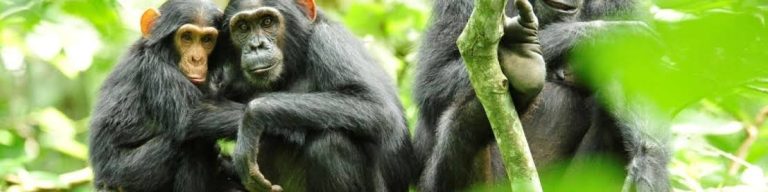
Nyungwe National Park is famous for chimpanzee tracking, forest walks, birdwatching and its spectacular canopy walkway.
It is a wonderful destination for travellers interested in primates and biodiversity.
Akagera National Park
Akagera National Park offers a different safari experience, featuring savannah wildlife, lakes and wetlands.
Visitors can enjoy game drives in search of elephants, giraffes, zebras, buffaloes, antelopes and other wildlife.
Lake Kivu
Lake Kivu is an excellent destination for relaxation after an adventurous gorilla trek.
Visitors can enjoy boat trips, lakeside accommodation, beautiful landscapes and cultural experiences.
Combining these destinations makes it possible to create a more comprehensive Rwanda safari rather than limiting your holiday to gorilla trekking alone.
10. How Far in Advance Should You Book a Rwanda Gorilla Trekking Permit?
Gorilla permits are limited because only a restricted number of visitors are allowed to visit each habituated gorilla family per day.
Demand is particularly high during June, July, August and September, as well as the Christmas and New Year holiday period.
We recommend booking your gorilla trekking permit several months in advance, particularly if you have specific travel dates.
When planning your safari, consider arranging the following together:
-
Gorilla trekking permit.
-
Accommodation near Volcanoes National Park.
-
Airport transfers from Kigali.
-
Private safari vehicle and professional driver-guide.
-
Meals and other safari activities.
-
Additional destinations if you intend to explore Rwanda beyond gorilla trekking.
For official permit information and availability, consult the Rwanda Development Board or arrange your booking through an authorised tour operator.
11. How to Get to Volcanoes National Park for Gorilla Trekking
Volcanoes National Park is located in northwestern Rwanda, approximately 105 kilometres from Kigali.
The most convenient way to reach the park is by road from Kigali International Airport or Kigali city.
Travelling from Kigali
Most international visitors arrive at Kigali International Airport before transferring to Volcanoes National Park.
The journey takes approximately 2–3 hours, depending on traffic, road conditions and the location of your accommodation.
The drive passes through beautiful Rwandan countryside, rolling hills, local communities and scenic landscapes.
Visitors can arrange private transfers using a safari vehicle or travel with a tour operator offering a complete gorilla trekking package.
Where to Stay for Gorilla Trekking
There are several accommodation options around Volcanoes National Park, particularly in and around Musanze and Kinigi.
Depending on your budget, you can choose from:
-
Luxury safari lodges.
-
Mid-range hotels and lodges.
-
Budget guesthouses.
-
Boutique accommodation.
Staying close to Kinigi is particularly convenient because visitors must report to the park headquarters early in the morning for their gorilla trekking briefing.
12. Frequently Asked Questions About the Best Time for Gorilla Trekking in Rwanda
What is the best month for gorilla trekking in Rwanda?
July and August are generally among the best months because they fall within the main dry season. June and September are also excellent choices. January, February and December offer another favourable trekking window.
Can I go gorilla trekking in Rwanda in April?
Yes. Gorilla trekking is available in April, despite it being one of the wettest months. However, forest trails can become muddy and slippery, making the hiking experience more challenging.
Is December a good month for gorilla trekking in Rwanda?
Yes. December is a good month, particularly during the second half as the short dry season approaches. However, rainfall can still occur, so visitors should carry waterproof clothing.
Is July better than January for gorilla trekking?
Both months are excellent choices. July falls within the main dry season, while January falls within the shorter dry season. July may have higher tourist demand, while January can offer an attractive alternative for travellers seeking relatively favourable trekking conditions.
Can you see mountain gorillas in Rwanda throughout the year?
Yes. Mountain gorillas inhabit Volcanoes National Park throughout the year. Gorilla trekking is available in both rainy and dry seasons, although weather conditions influence the difficulty of hiking.
Does it rain during the dry season in Rwanda?
Yes. Rwanda’s mountainous forests can experience rainfall even during the dry season. Volcanoes National Park is a high-altitude rainforest environment, so visitors should always carry waterproof clothing.
What time does gorilla trekking start in Rwanda?
Gorilla trekking begins with an early-morning briefing at the park headquarters in Kinigi. Visitors are advised to arrive early for registration, permit verification and allocation to gorilla families before entering the forest.
How many hours do you spend with mountain gorillas?
Visitors are allowed one hour with their assigned habituated gorilla family after locating the group. The time spent hiking before reaching the gorillas varies.
Is the rainy season cheaper for gorilla trekking in Rwanda?
The rainy season can offer better accommodation availability and occasional seasonal promotions. However, permit prices and any applicable discounts should be confirmed with the Rwanda Development Board before booking.
Which is better for gorilla trekking: Rwanda or Uganda?
Both countries offer exceptional mountain gorilla trekking experiences.
Rwanda offers convenient access from Kigali to Volcanoes National Park, with a relatively short road transfer.
Uganda offers gorilla trekking in Bwindi Impenetrable National Park and Mgahinga Gorilla National Park, with a wider choice of trekking sectors and safari combinations.
The best destination depends on your budget, preferred itinerary, travel time and the wider experiences you want to include.
13. Final Recommendation: When Should You Plan Your Rwanda Gorilla Trekking Safari?
Choosing the right month can significantly improve your overall gorilla trekking experience in Rwanda.
If your priority is favourable weather, relatively dry hiking trails and comfortable trekking conditions, we recommend travelling between June and September.
If you prefer the shorter dry season, January and February are excellent alternatives. December can also be a good choice, particularly towards the end of the month.
However, do not rule out the rainy season. March, April, May, October and November can still offer rewarding gorilla encounters, especially for travellers who appreciate lush forest scenery and have flexible travel schedules.
At Raptors Africa Safaris, we believe that the best gorilla trekking month is ultimately the one that matches your travel preferences, budget and expectations.
Whether you are planning a short gorilla trekking excursion from Kigali or a longer Rwanda and Uganda safari, our team can help organise permits, accommodation, transport and personalised itineraries.
Plan your Rwanda gorilla trekking safari with Raptors Africa Safaris and experience the extraordinary mountain gorillas of Volcanoes National Park.