Call: +256 702 595 926 | Email: info@bookgorillatracking.com

Sabyinyo Gorilla Family in Rwanda: History and Trekking Guide

Sabyinyo Gorilla Family in Rwanda: History, Members and Trekking Guide
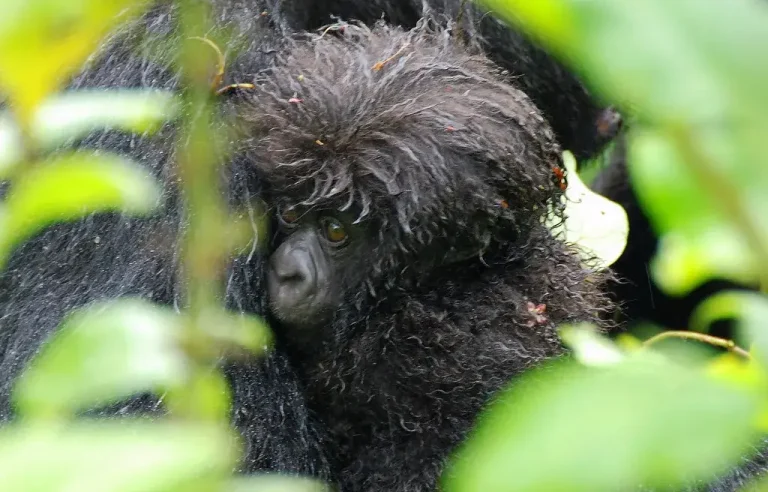
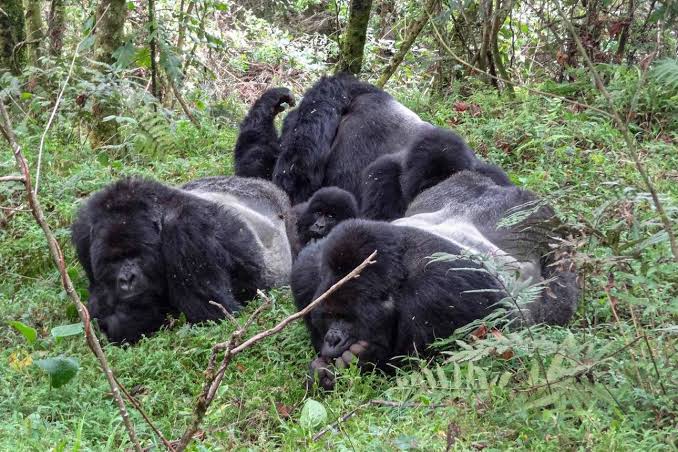
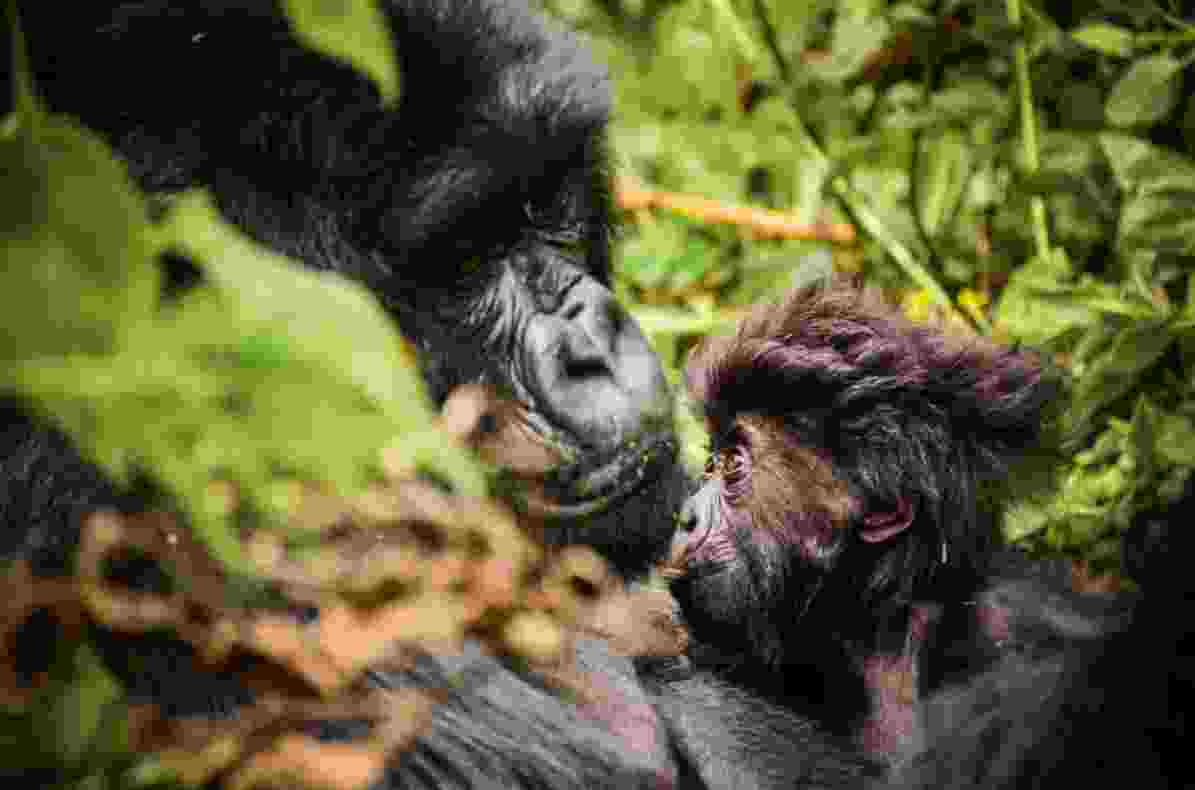
The Sabyinyo Gorilla Family in Rwanda is one of the well-known mountain gorilla groups in Volcanoes National Park. Located in the spectacular Virunga Mountains, this family is famous for its history, its association with the imposing Mount Sabyinyo, and its silverback leadership.
For travellers planning a Rwanda gorilla trekking safari with Raptors Africa Safaris, learning about the Sabyinyo family offers a deeper understanding of mountain gorilla behaviour, conservation, and the unique wildlife experiences available in East Africa.
This guide explores the family’s history, known members, habitat, trekking arrangements, permit costs, and practical tips for planning a responsible gorilla trekking adventure.
Where Is the Sabyinyo Gorilla Family Located?
The Sabyinyo Gorilla Family lives in Volcanoes National Park in northwestern Rwanda, close to the borders with Uganda and the Democratic Republic of the Congo.
The park protects part of the Virunga Massif, a chain of volcanic mountains that provides habitat for endangered mountain gorillas. Its landscape includes bamboo forests, montane vegetation, open grassland, and steep volcanic slopes.
The Sabyinyo family is traditionally associated with the lower slopes of Mount Sabyinyo, near the boundary of Volcanoes National Park. Its range can change as the gorillas move through the forest in search of food and suitable resting areas.
The family’s historical range has often made it one of the groups considered relatively accessible for trekking. However, the actual hiking distance depends on the gorillas’ location on the day of the visit.
History of the Sabyinyo Gorilla Family
The Sabyinyo family has an interesting history connected to other mountain gorilla groups in Volcanoes National Park.
During its habituation period, the group was known as Amavubi, meaning “wasps” in Kinyarwanda. The name reflected the difficulties researchers encountered while working to habituate the gorillas to human presence.
The group was later renamed Sabyinyo after Mount Sabyinyo, the volcano near which the family was first observed.
The family’s formation was influenced by changes in the social structure of other gorilla groups, including the historic Group 13, later known as the Agashya family. After the death of a dominant silverback named Murithi, silverback Guhonda established his own group with females from other groups.
Over time, the family developed into one of the recognised habituated groups in Rwanda’s gorilla tourism programme.
Its history demonstrates how mountain gorilla families change through natural social interactions, the movement of individuals, births, and changes in leadership.
How Many Gorillas Are in the Sabyinyo Family?
The International Gorilla Conservation Programme (IGCP) recorded 15 members in the Sabyinyo Gorilla Family as of 31 January 2024.
The recorded composition included:
- Two silverbacks.
- Three adult females.
- Three blackbacks.
- One subadult male.
- Three juveniles.
- Three infants.
These figures are a dated record rather than a guaranteed current count. Gorilla family membership changes over time through births, deaths, dispersal, and movement between groups.
For the most accurate information before your trip, check the latest conservation updates and confirm trekking arrangements with the Rwanda Development Board.
Who Leads the Sabyinyo Gorilla Family?
The IGCP family profile identifies Gihishamwotsi as the dominant silverback following Guhonda.
A silverback is a mature male mountain gorilla recognised by the silvery hair across his back. Silverbacks play important roles in maintaining group cohesion, responding to potential threats, and managing social relationships.
The history of the Sabyinyo family is particularly interesting because Guhonda was once its dominant silverback. The transition to Gihishamwotsi illustrates how leadership can change as gorillas mature and group dynamics evolve.
Mountain gorillas are powerful animals, but they are generally peaceful when left undisturbed. Visitors should observe them quietly and follow the instructions of trained guides and park rangers.
Why Is the Sabyinyo Gorilla Family Special?
1. Its Connection to Mount Sabyinyo
The family takes its name from Mount Sabyinyo, one of the volcanoes in the Virunga range. The mountain is recognisable for its rugged, eroded peaks, which have inspired the interpretation of its name as “old man’s teeth.”
The surrounding landscape creates a memorable setting for wildlife photography and gorilla trekking.
2. Its Interesting Social History
The Sabyinyo family developed through changes involving other gorilla groups. Its history helps researchers and visitors understand how mountain gorilla families form, grow, and change.
3. Its Silverback Leadership
The transition from Guhonda to Gihishamwotsi is an important part of the family’s story. Observing mature males, females, juveniles, and infants during a trek can provide a valuable glimpse into gorilla social behaviour.
4. Its Traditional Trekking Accessibility
The Sabyinyo family has historically ranged relatively close to the park boundary, and some trekking routes have been considered comparatively accessible.
However, no family is guaranteed to be easy to reach. Gorillas move daily, and a trek may involve steep or muddy ground depending on weather and location.
Can Tourists Visit the Sabyinyo Gorilla Family?
Sabyinyo is listed among the habituated mountain gorilla families associated with tourism in Volcanoes National Park. However, the family assigned to each visitor is determined by park authorities on the trekking day.
Travellers cannot assume that booking a gorilla permit guarantees a visit to Sabyinyo specifically.
A typical gorilla trekking experience follows these steps:
- Arrive at Kinigi: Report to the park headquarters for registration and briefing.
- Attend the briefing: Learn about safety, gorilla behaviour, and responsible trekking rules.
- Receive your family allocation: Rangers assign visitors to an available habituated group.
- Trek through the forest: Follow trained guides and trackers to locate the gorillas.
- Observe the family: Visitors are normally allowed up to one hour with the gorillas once they are found.
- Return from the forest: Follow the guide back to the starting point.
If Sabyinyo is your preferred family, inform Raptors Africa Safaris before travelling. Your preference can be communicated, but final allocation remains under park authority control.
How Much Does Gorilla Trekking Cost in Rwanda?
The standard gorilla trekking permit for international visitors is US$1,500 per person, according to the Rwanda Development Board’s official booking information.
The official portal also lists different rates for eligible Rwandan citizens, East African citizens, African citizens, and foreign residents. Promotional rates may have seasonal restrictions, so check the applicable fee for your travel date and residency category before booking.
The permit is only one part of your overall safari budget. Other expenses may include:
- Accommodation near Volcanoes National Park.
- Transport from Kigali or elsewhere in Rwanda.
- Meals and drinks.
- Porter services.
- Travel insurance.
- Additional activities and excursions.
Raptors Africa Safaris can help organise your transport, accommodation, permits, and wider safari itinerary.
Best Time to Visit the Sabyinyo Gorilla Family
Gorilla trekking takes place throughout the year, subject to weather conditions and park operations.
The drier periods, generally June to September and December to February, are popular because trails may be less muddy. Nevertheless, rain can occur at any time in the Virunga Mountains.
The wetter months can bring slippery trails and more challenging hiking conditions, but the forest remains beautiful and gorilla trekking can still be rewarding.
Because permits are limited, advance booking is recommended, particularly during popular travel periods.
What Should You Pack for Gorilla Trekking?
Preparing the right equipment helps make your experience more comfortable.
Consider packing:
- Waterproof hiking boots with good grip.
- Long trousers and long-sleeved shirts.
- A waterproof jacket.
- Gardening gloves for gripping vegetation.
- Drinking water and permitted snacks.
- A small daypack.
- A walking stick if needed.
- A camera without flash.
The terrain can be steep and muddy, so clothing that protects your skin and footwear that provides good traction are particularly useful.
Responsible Gorilla Trekking in Volcanoes National Park
Mountain gorillas are endangered, and responsible tourism helps support their conservation.
During your trek:
- Maintain the required distance from the gorillas.
- Never touch or feed them.
- Avoid flash photography and loud noises.
- Follow all instructions from guides and rangers.
- Do not trek if you have a contagious illness.
- Avoid leaving rubbish in the forest.
- Respect the gorillas’ behaviour and give them space to move naturally.
Tourism also creates employment for guides, trackers, porters, drivers, and hospitality workers. By choosing responsible operators and following park regulations, visitors can contribute to conservation awareness and community livelihoods.
Combine Sabyinyo Gorilla Trekking with Other Rwanda Experiences
A visit to Volcanoes National Park can be combined with other attractions in Rwanda or a wider East African itinerary.
Popular options include:
- Golden monkey tracking in Volcanoes National Park.
- Exploring Musanze and its surrounding countryside.
- Visiting Kigali’s cultural and historical attractions.
- Discovering Lake Kivu.
- Gorilla trekking in Uganda’s Bwindi Impenetrable National Park.
- Chimpanzee tracking in Kibale National Park.
Raptors Africa Safaris can help you combine these experiences according to your interests, available time, and budget.
Plan Your Rwanda Gorilla Trekking Safari with Raptors Africa Safaris
The Sabyinyo Gorilla Family offers a fascinating introduction to the lives of mountain gorillas in Rwanda. Its history, changing leadership, and connection to the volcanic landscape make it an interesting subject for wildlife enthusiasts and safari travellers.
Although gorilla family membership and daily locations can change, Volcanoes National Park continues to offer a remarkable opportunity to observe endangered mountain gorillas in their natural habitat.
Raptors Africa Safaris helps travellers plan personalised Rwanda and Uganda safaris, including gorilla trekking permits, accommodation, transport, and additional wildlife and cultural experiences.
Contact Raptors Africa Safaris to discuss your preferred travel dates and plan a responsible gorilla trekking adventure in Rwanda.
Discover the mountain gorillas of the Virunga Mountains with Raptors Africa Safaris—where conservation, adventure, and unforgettable wildlife encounters come together.