Call: +256 702 595 926 | Email: info@bookgorillatracking.com

Igisha Gorilla Family in Rwanda: History and Trekking Guide

Igisha Gorilla Family in Rwanda: History, Members and Trekking Guide
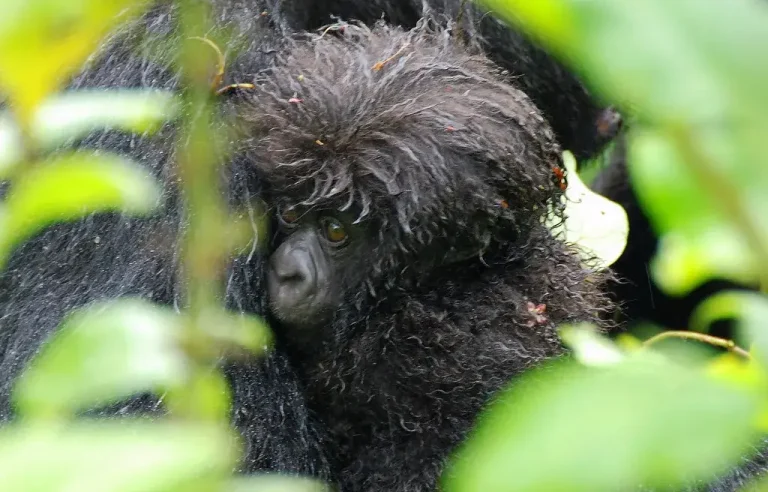
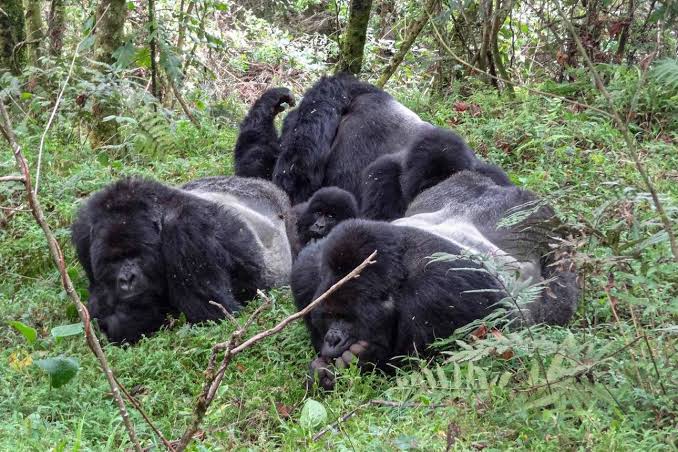
The Igisha Gorilla Family in Volcanoes National Park, Rwanda, is one of the most remarkable mountain gorilla families in the Virunga Mountains. Known for its large size, fascinating origins, and connection to the historic Susa gorilla family, Igisha has become an important part of Rwanda’s mountain gorilla conservation story.
For travellers planning a Rwanda gorilla trekking safari with Raptors Africa Safaris, learning about the Igisha family provides insight into mountain gorilla behaviour, family dynamics, and the conservation efforts that protect these endangered primates.
Where Is the Igisha Gorilla Family Located?
The Igisha Gorilla Family lives in Volcanoes National Park in northwestern Rwanda. The park protects part of the Virunga volcanic mountain range, a landscape of bamboo forests, montane vegetation, steep slopes, and rich biodiversity.
The family is associated with the slopes of Mount Karisimbi, although its exact location changes as the gorillas move through their habitat to feed, rest, and interact.
Volcanoes National Park is one of Africa’s leading destinations for mountain gorilla trekking. Visitors travel here for the opportunity to observe habituated gorillas in their natural environment under the guidance of trained park rangers and trackers.
History of the Igisha Gorilla Family
The Igisha family was established on 30 November 2014, following a split from the original Susa gorilla family. According to the International Gorilla Conservation Programme (IGCP), the group initially separated with 23 individuals and subsequently became known by the name of its dominant silverback, Igisha.
The Susa family is one of the most historically significant mountain gorilla groups in Rwanda. It became well known through the pioneering research of primatologist Dian Fossey and was once recorded with approximately 41 members before its social structure changed.
As the original group grew, natural social changes contributed to the formation of new families, including Karisimbi, Isimbi, and Igisha.
The development of the Igisha family illustrates how mountain gorilla groups evolve over time through changes in leadership, competition, and social relationships.
How Many Gorillas Are in the Igisha Family?
The Igisha family has experienced substantial growth since its formation.
The International Gorilla Conservation Programme reported that the family had 40 members before its 2025 split. On 28 August 2025, the silverback Humura left the group with 24 individuals. The original Igisha family was subsequently reported to have 15 members under the leadership of the dominant silverback Igisha.
The split was reported by IGCP in February 2026 and was described by conservation specialists as a natural occurrence among large mountain gorilla groups.
Gorilla family numbers can change through births, deaths, dispersal, and the formation of new groups. Therefore, visitors should consult current conservation updates rather than relying on older membership figures.
What Is the Social Structure of the Igisha Family?
Mountain gorilla families typically include several age and social categories:
- Silverbacks: Mature males that play important roles in leadership and group protection.
- Adult females: Females that contribute to the group’s social structure and raise their offspring.
- Blackbacks: Younger males developing towards full maturity.
- Juveniles: Young gorillas that are increasingly independent but remain closely associated with their families.
- Infants: Young gorillas dependent on their mothers for care and protection.
The exact composition of the Igisha family changes over time. Observing these different age groups can help visitors appreciate the close relationships and complex social behaviour of mountain gorillas.
Who Is Igisha, the Dominant Silverback?
Igisha is the dominant silverback after whom the family is named. A silverback is a mature male mountain gorilla identified by the distinctive silver-grey hair that develops across his back as he ages.
Silverbacks often play a central role in maintaining group cohesion, responding to threats, and managing interactions with other gorillas. Their behaviour can include vocalisations, displays, and physical movements that communicate dominance or help maintain order.
Despite their impressive size and strength, mountain gorillas are generally peaceful animals when left undisturbed. Visitors must follow their guides’ instructions and maintain the required distance during encounters.
Why Did the Igisha Gorilla Family Split?
The Igisha family’s split in August 2025 demonstrates the natural dynamics of mountain gorilla society.
When a family becomes large, competition, individual relationships, and the movements of mature males can contribute to the formation of separate groups. In this case, silverback Humura left the original Igisha group with 24 individuals, establishing a separate group.
According to IGCP, splits among large gorilla families are not necessarily a cause for concern. They are part of the natural social behaviour observed among mountain gorillas.
For conservationists, monitoring these changes is important because it helps them understand family relationships, population dynamics, and the long-term health of gorilla populations.
Can Tourists Visit the Igisha Gorilla Family?
Volcanoes National Park has habituated mountain gorilla families that are available for regulated tourism. However, requesting a particular family does not guarantee that visitors will be assigned to it.
The park authorities manage family allocation based on trekking arrangements, availability, and operational considerations.
A typical gorilla trekking experience includes:
- Morning briefing: Visitors report to the park headquarters in Kinigi for registration and instructions.
- Family allocation: Rangers assign visitors to an available gorilla family.
- Forest trek: Guides and trackers lead visitors through the forest in search of the gorillas.
- Gorilla encounter: Visitors may observe the family for up to one hour after it is located.
- Return journey: The guide leads the group back from the forest.
If seeing the Igisha family is particularly important to you, communicate your preference to Raptors Africa Safaris when arranging your trip. The final allocation remains subject to park authorities.
How Difficult Is Igisha Gorilla Trekking?
The difficulty of trekking depends on where the gorillas are located on the day of the visit. The mountainous terrain of Volcanoes National Park can include steep climbs, muddy trails, thick vegetation, and changes in elevation.
Travellers should be prepared for several hours of walking, although the duration varies with gorilla movements and weather conditions.
For a comfortable experience, consider bringing:
- Sturdy waterproof hiking boots.
- Long trousers and long-sleeved clothing.
- A waterproof jacket.
- Gardening gloves for gripping vegetation.
- Drinking water and light snacks as permitted.
- A walking stick, which may be available locally.
- A small waterproof daypack.
Visitors who have concerns about fitness or mobility should discuss them with their tour operator before booking.
How Much Does a Rwanda Gorilla Trekking Permit Cost?
Rwanda’s standard gorilla trekking permit for international visitors has been listed at US$1,500 per person. The applicable price should be confirmed with the Rwanda Development Board because special rates or promotional arrangements may apply to eligible categories or specific periods.
The permit is only one part of the total safari budget. Other potential expenses include:
- Accommodation near Volcanoes National Park.
- Transport from Kigali to the park.
- Meals and drinks.
- Porter services.
- Travel insurance.
- Additional activities and excursions.
Raptors Africa Safaris can help organise your itinerary and explain the costs involved before you confirm your safari.
Best Time to See Mountain Gorillas in Rwanda
Gorilla trekking takes place throughout the year, subject to weather and park operating conditions.
The drier periods, generally June to September and December to February, are popular with travellers because the trails may be less muddy. However, rain is possible at any time in the mountains.
The wetter months can make hiking more challenging, but the forest remains beautiful and gorilla encounters are still possible.
Because permits are limited, advance booking is recommended, particularly during popular travel periods.
Responsible Gorilla Trekking in Volcanoes National Park
Mountain gorillas are endangered, and protecting them requires responsible tourism, habitat conservation, veterinary monitoring, and cooperation with communities around the park.
Visitors can help protect the gorillas by following these guidelines:
- Maintain the required distance from the animals.
- Never touch or feed the gorillas.
- Avoid flash photography and loud noises.
- Follow instructions from park rangers.
- Do not trek when ill with a potentially contagious infection.
- Avoid leaving litter in the forest.
- Respect the gorillas’ behaviour and allow them space to move naturally.
Responsible tourism supports conservation awareness and local employment while helping protect Rwanda’s natural heritage.
Combine Igisha Gorilla Trekking with Other Rwanda Experiences
A gorilla trekking safari can be combined with other activities in Rwanda for a richer travel experience.
Popular options include:
- Golden monkey tracking in Volcanoes National Park.
- Exploring Musanze and its surrounding countryside.
- Visiting the Kigali Genocide Memorial.
- Experiencing Rwandan culture and local cuisine.
- Combining Rwanda with Uganda gorilla trekking in Bwindi Impenetrable National Park.
A Rwanda–Uganda itinerary can be especially rewarding for travellers interested in exploring different East African landscapes and conservation experiences.
Plan Your Rwanda Gorilla Trekking Safari with Raptors Africa Safaris
The Igisha Gorilla Family offers an interesting example of mountain gorilla social behaviour and conservation history. From its origins in the famous Susa family to its growth and subsequent split, the group demonstrates how gorilla societies change naturally over time.
For travellers interested in seeing mountain gorillas in their natural habitat, Volcanoes National Park provides a memorable opportunity to learn about these remarkable primates and the work involved in protecting them.
Raptors Africa Safaris can help you plan a personalised Rwanda gorilla trekking safari, including permit arrangements, accommodation, transport, and additional wildlife or cultural experiences.
Contact Raptors Africa Safaris to begin planning your gorilla trekking adventure in Rwanda.