+256-702 595 926 | info@bookgorillatracking.com

Mbale Wildlife Conservation Education Centre, Uganda

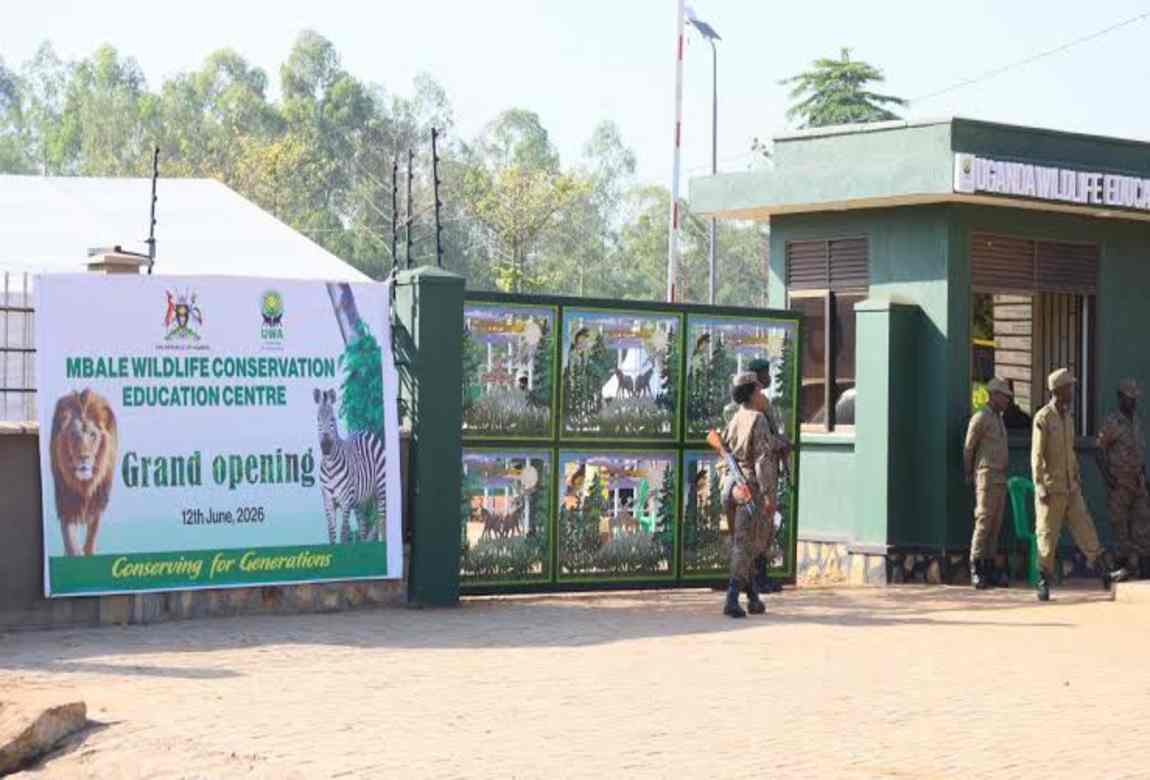
Mbale Wildlife Conservation Education Centre: A New Wildlife Attraction in Eastern Uganda
The Mbale Wildlife Conservation Education Centre is an exciting addition to Uganda’s tourism attractions, bringing wildlife education, conservation awareness, and new visitor experiences closer to communities in Eastern Uganda. Located along the Mbale–Tororo Road in Mbale City, the centre offers an opportunity for residents, students, families, and international travelers to learn more about Uganda’s wildlife and the importance of protecting natural habitats.
Officially launched in June 2026 and commissioned in September 2026, the centre is managed under the Uganda Wildlife Authority’s conservation framework. It is designed to complement Uganda’s established wildlife education facilities while strengthening conservation education and tourism in the Mount Elgon region.
For travelers exploring Eastern Uganda, the Mbale Wildlife Conservation Education Centre provides an additional attraction to consider alongside Mount Elgon National Park, Sipi Falls, and the region’s rich cultural heritage.
At Raptors Africa Safaris, we believe that understanding wildlife is an important part of experiencing Africa. Whether you are planning a Uganda wildlife safari, gorilla trekking adventure, or cultural holiday, Mbale offers another reason to explore the country’s diverse destinations.
Where Is Mbale Wildlife Conservation Education Centre Located?
The Mbale Wildlife Conservation Education Centre is situated in Mbale City in Eastern Uganda, along the Mbale–Tororo Road, on land associated with the National Forestry Authority’s forest reserves.
Mbale is an important urban centre in the Mount Elgon region and serves as a gateway to several attractions in Eastern Uganda. Its location makes the wildlife centre a potential addition to itineraries featuring mountain scenery, nature walks, waterfalls, cultural experiences, and community tourism.
Travelers visiting the region can consider combining a visit to the centre with other attractions around Mbale, depending on their schedules and the centre’s current visitor arrangements.
What Is the Mbale Wildlife Conservation Education Centre?
The Mbale Wildlife Conservation Education Centre is a regional wildlife facility established to improve public access to wildlife education and promote appreciation of Uganda’s natural heritage.
For many years, wildlife education experiences in Uganda have been concentrated at the Uganda Wildlife Conservation Education Centre in Entebbe. The Mbale facility extends conservation learning opportunities to Eastern Uganda, helping schools, families, local communities, and visitors engage more directly with wildlife.
The centre is intended to support several important objectives:
- Wildlife conservation education: Helping visitors understand the importance of protecting animals and their habitats.
- Environmental awareness: Encouraging responsible attitudes toward forests, wetlands, and other ecosystems.
- Tourism development: Expanding Eastern Uganda’s range of visitor attractions.
- Research and learning: Providing opportunities for conservation-related learning and research.
- Community engagement: Bringing wildlife education closer to schools and communities while creating opportunities for local businesses.
Rather than simply providing an animal-viewing experience, the centre is intended to encourage visitors to understand why wildlife conservation matters.
Animals at Mbale Wildlife Conservation Education Centre
The centre has received animals transferred from Entebbe, including lions, zebras, waterbucks, an ostrich, and peacocks. These animals provide opportunities for visitors to learn about different wildlife species and their characteristics.
The species available for viewing may change as the facility develops, so travelers should confirm the current animal collection before visiting.
Lions
Lions are among Africa’s most recognized predators and play an important role in savannah ecosystems. Learning about their behavior, feeding patterns, and ecological importance can help visitors appreciate the relationships between predators, prey, and their habitats.
Zebras
Zebras are distinctive African herbivores recognized by their black-and-white stripes. They help maintain grassland ecosystems through grazing and form part of the food chain supporting large carnivores.
Waterbucks
Waterbucks are large antelopes associated with grassy habitats near water. They are an excellent example of the diversity of Uganda’s native mammals and the importance of conserving suitable habitats for different species.
Ostriches
Ostriches are the world’s largest living birds. Their size, speed, and adaptations to open habitats make them particularly interesting for visitors learning about African wildlife.
Peacocks
Peacocks are known for their colorful plumage and elaborate courtship displays. They provide another opportunity for visitors to explore bird characteristics and the diversity of the animal kingdom.
The educational value of these animals extends beyond identification. Visitors can use the experience to understand animal behavior, habitat requirements, biodiversity, and the responsibilities involved in wildlife care.
Why Is the Mbale Wildlife Conservation Education Centre Important?
1. Promoting Wildlife Conservation
Wildlife faces many challenges, including habitat loss, illegal hunting, human-wildlife conflict, and environmental degradation. Conservation education helps people understand these challenges and the actions needed to address them.
By bringing wildlife education closer to Eastern Uganda, the centre can help encourage greater appreciation of Uganda’s natural resources and the importance of protecting them.
2. Supporting Education for Children and Students
The centre creates an opportunity for schools and educational groups to incorporate wildlife learning into their activities.
Seeing animals and learning about their habitats can help students connect classroom lessons with real-world conservation issues. Educational visits can also encourage interest in biology, environmental science, veterinary care, and conservation careers.
3. Strengthening Tourism in Eastern Uganda
Eastern Uganda is already known for its mountains, waterfalls, birdlife, and cultural experiences. The addition of a wildlife education centre expands the range of attractions available to domestic and international visitors.
It may also encourage travelers to spend more time in Mbale, supporting accommodation providers, restaurants, guides, transport operators, and other local businesses.
4. Encouraging Responsible Tourism
Responsible tourism involves respecting wildlife, supporting conservation, and minimizing negative environmental impacts.
Visitors can contribute by following staff instructions, avoiding actions that disturb animals, disposing of waste responsibly, and supporting legitimate local businesses.
The centre provides an opportunity to connect tourism with conservation awareness and environmental responsibility.
Top Attractions to Combine with Mbale Wildlife Conservation Education Centre
A visit to Mbale can form part of a broader Eastern Uganda safari. The following attractions are worth considering when planning your itinerary.
Mount Elgon National Park
Mount Elgon National Park protects a remarkable mountain landscape on the Uganda–Kenya border. The area is known for montane forests, waterfalls, caves, birdlife, and hiking routes.
For travelers who enjoy nature and outdoor activities, Mount Elgon provides a rewarding complement to a wildlife education visit in Mbale.
Sipi Falls
Sipi Falls is one of Eastern Uganda’s best-known natural attractions. Located on the foothills of Mount Elgon, the area features a series of waterfalls surrounded by green hills, agricultural landscapes, and scenic walking trails.
Visitors can enjoy guided hikes, photography, village experiences, and views across the surrounding countryside.
Wanale Ridge
Wanale Ridge rises above Mbale and offers impressive views of the city and the surrounding landscape. It is an appealing destination for travelers interested in hiking, photography, and exploring the natural scenery around Mbale.
Local guidance is recommended when planning walks, particularly when weather conditions affect trail accessibility.
Nyero Rock Paintings
For travelers extending their journey into the wider Eastern Uganda region, the Nyero Rock Paintings near Kumi offer an opportunity to discover ancient rock art and the area’s archaeological heritage.
This attraction is particularly suitable for visitors interested in history, cultural heritage, and the early artistic traditions of the region.
Local Cultural Experiences
Eastern Uganda is home to diverse communities with rich traditions, food, music, crafts, and cultural practices. A well-planned itinerary can include opportunities to experience local hospitality and learn about the cultural heritage of the Mount Elgon region.
Combining wildlife education with cultural experiences helps travelers appreciate the region beyond its natural attractions.
Best Time to Visit Mbale Wildlife Conservation Education Centre
Mbale can be visited throughout the year, although weather conditions can influence travel comfort and outdoor activities.
The relatively drier periods are often convenient for combining a wildlife centre visit with hiking around Mount Elgon, exploring Sipi Falls, and other outdoor excursions. Rainfall can make some trails slippery, so visitors planning hiking activities should prepare appropriate footwear and rain protection.
Because the Mbale Wildlife Conservation Education Centre is a developing tourism attraction, visitors should confirm current opening hours, admission fees, available facilities, and any booking requirements before traveling.
How to Include Mbale Wildlife Centre in a Uganda Safari
The centre can be incorporated into different types of Uganda travel itineraries.
One-day Mbale excursion: Visit the wildlife centre and explore selected attractions around Mbale, depending on opening hours and travel time.
Two-day Eastern Uganda tour: Combine the wildlife centre with Sipi Falls, local cultural experiences, or other nearby attractions.
Three-day Mount Elgon adventure: Include a wildlife education visit, guided nature activities, and exploration of the Mount Elgon area.
Longer Uganda safari: Add Eastern Uganda to a broader itinerary featuring wildlife viewing in national parks, primate experiences, and gorilla trekking in southwestern Uganda.
The best itinerary depends on your available time, interests, accommodation preferences, and starting point.
Plan Your Eastern Uganda Safari with Raptors Africa Safaris
Exploring Uganda is about more than visiting famous national parks. Smaller attractions, conservation initiatives, cultural experiences, and community destinations can also enrich a journey.
The Mbale Wildlife Conservation Education Centre offers an opportunity to learn about wildlife while discovering a growing tourism destination in Eastern Uganda. Combined with Mount Elgon National Park, Sipi Falls, and the region’s cultural heritage, it can become a valuable part of a wider Uganda travel experience.
Raptors Africa Safaris helps travelers plan personalized East African journeys, including Uganda wildlife safaris, gorilla trekking adventures, nature excursions, and multi-destination itineraries.
Visit www.bookgorillatracking.com to explore gorilla trekking experiences and inquire about a tailor-made Uganda safari.
Discover Eastern Uganda, learn about its wildlife, and experience more of what makes Uganda a remarkable destination for nature and adventure travel.
Frequently Asked Questions About Mbale Wildlife Conservation Education Centre
1. Where is Mbale Wildlife Conservation Education Centre located?
The centre is located along the Mbale–Tororo Road in Mbale City, Eastern Uganda, on land associated with National Forestry Authority forest reserves.
2. Which animals can visitors see at the centre?
Reported animals include lions, zebras, waterbucks, an ostrich, and peacocks. The collection may change as the centre develops, so visitors should confirm which animals are available before visiting.
3. Who manages Mbale Wildlife Conservation Education Centre?
The facility was established under Uganda’s wildlife conservation framework and is managed by the Uganda Wildlife Authority.
4. What is the main purpose of the centre?
Its main purpose is to promote wildlife conservation education, environmental awareness, research, tourism, and community engagement in Eastern Uganda.
5. Can I combine a visit with Sipi Falls?
Yes. A visit to the centre can be combined with Sipi Falls and other attractions around the Mount Elgon region. The exact itinerary will depend on your schedule and transport arrangements.
6. Is the centre suitable for children and school trips?
The centre is intended to support wildlife education and public awareness, making it a potential destination for families and educational groups. Schools and families should confirm current visitor arrangements and available educational activities before booking.
7. Can I include Mbale in a Uganda wildlife safari?
Yes. Mbale can be incorporated into a tailor-made itinerary combining nature, culture, and wildlife experiences in Eastern Uganda, or included in a longer journey covering other parts of the country.
8. How can I plan a Uganda safari with Raptors Africa Safaris?
Visit www.bookgorillatracking.com to explore safari options and submit an inquiry for a customized Uganda or East African itinerary.