+256-702 595 926 | info@bookgorillatracking.com

Nyandungu Eco-Park, Rwanda: Birdwatching & Things to Do

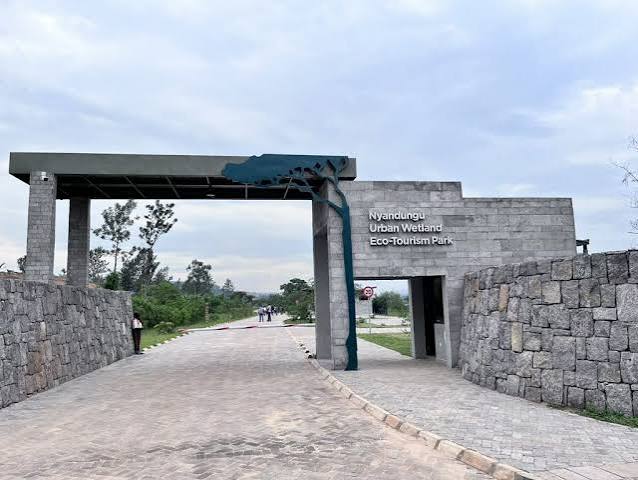
Nyandungu Eco-Park, Rwanda: Birdwatching, Nature Walks and Things to Do in Kigali
Nyandungu Eco-Park is one of Kigali’s most attractive destinations for travellers who enjoy nature, birdwatching and outdoor activities. Located in Rwanda’s capital, this restored urban wetland offers a peaceful escape from busy city streets, with green walking trails, cycling paths, ponds, gardens and habitats that support a variety of bird species.
For visitors exploring Rwanda, Nyandungu Eco-Park provides an opportunity to discover the country’s commitment to environmental conservation while enjoying a relaxing outdoor experience. It is an excellent addition to a Kigali city tour, a birdwatching holiday or a wider Rwanda safari with Raptors Africa Safaris.
Unlike Rwanda’s national parks, which require longer road journeys to reach, Nyandungu is conveniently located within Kigali. Travellers can enjoy a nature walk, observe wetland birds, explore the gardens or relax at the park’s restaurant before continuing to other destinations.
Where Is Nyandungu Eco-Park Located?
Nyandungu Eco-Park is located in Kigali, Rwanda, between the Kicukiro and Masoro-Bumbogo areas. The park is accessible by road and can be included in a city sightseeing itinerary or a transfer through Kigali.
The restored wetland covers approximately 121 hectares and features several habitats, including wetland vegetation, woodland and open savannah-like areas. These environments provide space for biodiversity while offering recreational opportunities for residents and visitors.
The park is also a useful stop for travellers arriving at Kigali International Airport or preparing to travel onward to Akagera National Park, depending on their flight schedules and itinerary.
The Story Behind Nyandungu Eco-Park
Nyandungu was developed through a wetland restoration project led by Rwanda’s environmental authorities and supported by conservation partners. The initiative transformed a degraded urban wetland into an ecological and recreational park.
The restoration included planting indigenous trees, rehabilitating wetland habitats, improving water management and creating facilities for environmental education and tourism. The project demonstrated how urban wetlands can provide ecological benefits while creating accessible green spaces for communities.
Today, Nyandungu serves several purposes. It protects important wetland habitats, provides opportunities for environmental learning and offers visitors a place to enjoy nature within the city.
Its development also reflects Rwanda’s wider efforts to promote sustainable tourism and integrate environmental conservation into urban planning.
Best Things to Do at Nyandungu Eco-Park
1. Birdwatching at Nyandungu Eco-Park
Nyandungu Eco Park Rwanda birdwatching wetland birds”,”Nyandungu Eco Park Rwanda papyrus wetland bird habitat”,”Nyandungu Eco Park Rwanda grey crowned crane bird
Birdwatching is one of the main attractions at Nyandungu Eco-Park. Its combination of wetland vegetation, ponds, woodland and open spaces supports a variety of birds.
Visitors may encounter kingfishers, weavers, herons, egrets and other wetland or garden species, depending on the season and conditions. The park is also worth exploring for photographers who enjoy observing bird behaviour in a relatively accessible environment.
A guided birdwatching excursion can help visitors identify species by their calls, plumage and feeding habits. Bring binoculars and move quietly along the designated paths for the best experience.
Nyandungu is particularly useful for travellers who have limited time in Kigali but want to include birdwatching in their itinerary.
For specialist birders, it can also serve as an introductory stop before travelling to Rwanda’s larger birding destinations, such as Nyungwe National Park, or continuing to Uganda for a more extensive birdwatching safari.
2. Nature Walks Along the Wetland Trails
Nyandungu has a network of walking trails that allow visitors to explore the restored wetland at a relaxed pace.
As you walk, observe the changing vegetation, ponds, trees and open landscapes. Interpretive information and guided tours can help explain the importance of wetlands in supporting biodiversity and maintaining ecological balance.
Nature walks are suitable for travellers who prefer gentle outdoor activities rather than strenuous hiking. They also provide opportunities for photography and quiet observation.
Wear comfortable walking shoes, carry drinking water and allow enough time to explore without rushing.
3. Cycling Through Nyandungu Eco-Park
Cycling is another popular activity at Nyandungu. Designated cycling paths allow visitors to explore sections of the park while enjoying its green scenery.
Bicycle rental is available according to the park’s visitor information, although visitors should confirm current arrangements before travelling.
Cycling can be a good choice for families, couples and independent travellers who want an active outdoor experience during their stay in Kigali.
Follow the park’s cycling rules, stay on designated routes and give pedestrians adequate space.
4. Explore the Medicinal Garden
The medicinal garden introduces visitors to plants that have traditionally been used for different purposes in Rwanda and other parts of the region.
A visit can provide an opportunity to learn about plant diversity, traditional knowledge and the relationship between communities and their natural environment.
The garden also highlights the educational role of Nyandungu Eco-Park. Rather than simply serving as a recreational space, the park helps visitors appreciate the importance of conserving plant species and natural habitats.
Visitors should treat the plants as part of the protected environment and avoid picking leaves, flowers or other materials.
5. Discover the Park’s Ponds and Wetland Habitats
Water is central to Nyandungu’s ecological value. The park contains restored wetland areas, catchment ponds and recreational ponds that contribute to its landscape and educational appeal.
As you explore, notice how wetland vegetation grows around the water and how different habitats support birds, aquatic organisms and other wildlife.
Some ponds are also attractive places to pause, take photographs and enjoy the quieter side of Kigali.
The park’s conservation work demonstrates how healthy wetlands can help manage water, support biodiversity and contribute to urban resilience.
6. Visit Pope’s Garden
Pope’s Garden is one of the park’s notable landscaped areas. It commemorates the location where Pope John Paul II addressed Rwandans during his 1990 visit.
The garden provides a quiet setting for relaxation, reflection and outdoor recreation. It can be included in a walking tour of Nyandungu alongside the medicinal garden and other park features.
Visitors interested in Rwanda’s history may appreciate the garden’s cultural connection as well as its landscaped surroundings.
7. Enjoy a Picnic in Nature
Nyandungu offers designated picnic areas where visitors can relax amid greenery and enjoy a break from the city.
A picnic can be a pleasant option for families, couples and groups who want to spend more time outdoors without leaving Kigali.
Before visiting, check the park’s current rules on outside food, picnic arrangements and designated areas. Follow all waste-disposal instructions to help keep the wetland clean.
8. Enjoy a Meal at Nyandungu Restaurant
The park’s restaurant gives visitors an opportunity to combine outdoor recreation with a meal in a natural setting.
Depending on the current menu, visitors may find local Rwandan dishes and international options. This makes the restaurant a convenient stop after a nature walk, birdwatching excursion or cycling activity.
Check current operating hours and dining arrangements if you plan to make the restaurant part of a tightly scheduled city tour.
9. Join an Educational or Guided Eco-Tour
Nyandungu is more than a recreational park. It also provides opportunities to learn about wetland restoration, biodiversity and environmental conservation.
Guided educational tours can explain how wetlands function, why indigenous vegetation matters and how restored natural habitats contribute to a healthier urban environment.
These experiences can be particularly valuable for students, families, conservation enthusiasts and travellers interested in sustainable tourism.
Ask about guided tours when arranging your visit, especially if you are travelling as a group.
Wildlife and Biodiversity at Nyandungu Eco-Park
Nyandungu’s restored habitats support a variety of plant and animal life. Its biodiversity includes birds, aquatic organisms, butterflies and other small wildlife associated with wetlands and woodland.
The park’s restoration programme included planting indigenous trees and improving habitats to encourage biodiversity recovery.
Birds are among the easiest wildlife to observe during a visit. Depending on the area explored and current conditions, visitors may also notice butterflies and other invertebrates around flowering plants and wetland vegetation.
Nyandungu should not be confused with a traditional wildlife safari destination. It is an urban eco-park designed primarily for habitat conservation, environmental education and outdoor recreation. Travellers hoping to see large mammals should consider destinations such as Akagera National Park.
Best Time to Visit Nyandungu Eco-Park
Nyandungu can be visited throughout the year, making it a flexible activity for travellers staying in Kigali.
The drier periods can be convenient for walking and cycling, while the rainy seasons may bring lush vegetation and interesting bird activity. However, wet weather can make some paths slippery, so appropriate footwear is recommended.
For birdwatching, the species observed will depend on seasonal movements, habitat conditions and weather. Early visits may be particularly enjoyable for travellers who prefer cooler conditions and quieter trails.
The park’s published visitor information lists opening hours of 6:00 a.m. to 6:00 p.m. daily. Confirm the current schedule and any special access arrangements before your visit.
How to Get to Nyandungu Eco-Park
Nyandungu Eco-Park is located within Kigali and can be reached by road from the city centre and Kigali International Airport.
Travel time depends on your starting point, traffic and road conditions. Visitors can arrange a private transfer, taxi or guided city tour that includes the park.
If you are arriving in Rwanda for a safari, Nyandungu may fit into your first or final day in Kigali, provided your international flight schedule leaves sufficient time.
Raptors Africa Safaris can help arrange a Kigali city experience as part of a wider Rwanda itinerary, subject to your travel dates and transport requirements.
How Long Should You Spend at Nyandungu Eco-Park?
Allow approximately two to three hours for a relaxed visit involving walking, birdwatching and time to explore the gardens and ponds.
Visitors who wish to cycle, take a guided educational tour or enjoy a meal at the restaurant may prefer to allow half a day.
Birdwatchers and nature photographers may want additional time to observe wildlife and explore the different habitats at a slower pace.
The ideal duration depends on your interests and the activities available during your visit.
What to Bring to Nyandungu Eco-Park
For a comfortable visit, consider bringing:
- Comfortable walking shoes.
- Binoculars for birdwatching.
- A camera or smartphone for photography.
- Drinking water.
- A hat and sunscreen.
- A light rain jacket during wetter periods.
- A reusable bag for carrying personal items.
- Appropriate cycling equipment if required by the activity provider.
Follow the park’s visitor rules, remain on designated paths and avoid disturbing wildlife or removing plants from the habitat.
Nyandungu Eco-Park and Sustainable Tourism in Rwanda
Nyandungu demonstrates how conservation can be incorporated into an urban environment.
Wetlands help regulate water flows, provide habitats for wildlife and support ecological processes. Restoring degraded wetland areas can therefore benefit both biodiversity and nearby communities.
The park also creates opportunities for environmental education by helping visitors understand why wetland ecosystems matter.
For travellers interested in responsible tourism, Nyandungu offers a practical example of how a nature-based attraction can combine recreation, learning and conservation.
Visiting responsibly means following park regulations, respecting wildlife, disposing of waste correctly and supporting conservation initiatives where possible.
Combine Nyandungu Eco-Park with Other Rwanda Attractions
Kigali City Tour
Combine Nyandungu with Kigali’s historical and cultural attractions, markets, art centres and restaurants. This is an excellent option for travellers with one or two days in the capital.
Akagera National Park Safari
Akagera offers savannah wildlife viewing, game drives and boat safaris. Nyandungu can be a convenient nature stop before travelling east from Kigali, subject to your schedule.
Nyungwe National Park
Travellers interested in chimpanzee trekking, rainforest birdwatching and forest walks can continue to Nyungwe National Park for a different natural environment.
Rwanda and Uganda Birdwatching Safari
Nyandungu can serve as an introduction to Rwanda’s birdlife before a longer birdwatching journey through Nyungwe, Bwindi, Queen Elizabeth National Park or other birding destinations in Uganda.
A multi-country itinerary can offer a broader range of habitats and bird species, depending on the route and time available.
Frequently Asked Questions About Nyandungu Eco-Park
Where is Nyandungu Eco-Park located?
Nyandungu Eco-Park is in Kigali, Rwanda, between the Kicukiro and Masoro-Bumbogo areas. It is accessible by road and can be visited during a Kigali city tour.
What is Nyandungu Eco-Park famous for?
The park is known for its restored urban wetland, walking and cycling trails, birdwatching, botanical gardens, ponds and environmental education activities.
Is Nyandungu Eco-Park good for birdwatching?
Yes. Its wetland, woodland and open habitats support a variety of bird species. A guided birdwatching tour can help visitors identify birds and learn about their habitats.
Can I cycle at Nyandungu Eco-Park?
Yes. The park provides designated cycling routes and lists bicycle rental among its visitor activities. Confirm current rental availability and arrangements before visiting.
How much time should I spend at the park?
Two to three hours is a reasonable starting point for walking and birdwatching. Allow half a day if you plan to cycle, take a guided tour or enjoy a meal at the restaurant.
Can I visit Nyandungu on the day I arrive in Kigali?
Potentially, yes. The park can be included in an arrival-day itinerary if your flight lands early enough and you have allowed time for immigration, baggage collection and transport. For late arrivals, a visit on another day is more practical.
Is Nyandungu Eco-Park a national park?
No. Nyandungu is a restored urban wetland eco-park in Kigali. It offers nature-based recreation and conservation education rather than the large-mammal safari experience associated with Rwanda’s national parks.
Plan Your Nyandungu Eco-Park Visit with Raptors Africa Safaris
Nyandungu Eco-Park is a rewarding stop for travellers who want to discover Rwanda’s natural environment without travelling far from Kigali. From birdwatching and gentle nature walks to cycling and learning about wetland restoration, the park offers a refreshing addition to a Rwanda holiday.
Raptors Africa Safaris can help you incorporate Nyandungu into a Kigali city tour, a Rwanda birdwatching trip or a wider East African safari that includes wildlife experiences in Rwanda and Uganda.
Contact our team with your preferred travel dates, group size and interests to plan your journey.
Raptors Africa Safaris — Discover Africa’s wildlife, nature and culture.