Call: +256 702 595 926 | Email: info@bookgorillatracking.com

Lake Bunyampaka, Uganda: Salt Mining & Birding

Lake Bunyampaka, Uganda: Salt Mining, Birdwatching and Crater Lake Safaris
Lake Bunyampaka is a small volcanic crater lake in southwestern Uganda, located in the Kasenyi area of Queen Elizabeth National Park. Known for its saline waters, traditional salt extraction and seasonal birdlife, it is an interesting stop for travellers exploring the park’s volcanic landscapes.
Unlike the famous Kazinga Channel, where visitors take boat cruises to see hippos and waterbirds, Lake Bunyampaka offers a quieter experience centred on crater scenery, local livelihoods and the ecology of a saline lake. Salt extraction takes place on a smaller scale than at neighbouring Lake Katwe, while waterbirds may gather around suitable sections of the lake.
For visitors planning a Uganda safari, Lake Bunyampaka can be combined with game drives in the Kasenyi Plains, a visit to Lake Katwe, birdwatching at Lake Munyanyange and other attractions in Queen Elizabeth National Park.
Where Is Lake Bunyampaka?
Lake Bunyampaka is located near Kasenyi in Kasese District, western Uganda, within the broader Queen Elizabeth National Park landscape. It forms part of the Katwe-Kikorongo volcanic crater field, an area characterised by ancient explosion craters, distinctive hills and lakes with different water conditions.
The lake occupies a small crater surrounded by a steep rim covered in natural vegetation. Its waters are saline, and sections of the lake are used for salt extraction by people from nearby communities.
Its location makes Lake Bunyampaka a possible addition to a safari exploring the Kasenyi Plains and the wider northern section of Queen Elizabeth National Park.
What Makes Lake Bunyampaka Special?
Lake Bunyampaka is interesting because it brings together volcanic geology, traditional resource use and wetland birdlife in one landscape.
A volcanic crater lake
The lake is part of the Katwe-Kikorongo crater region, shaped by ancient volcanic activity. The surrounding crater formations create a distinctive landscape that differs from the open savannah and larger freshwater lakes elsewhere in Queen Elizabeth National Park.
A saline lake with traditional salt extraction
Lake Bunyampaka supports salt extraction on a smaller scale than Lake Katwe. Small plots around parts of the lake are associated with local salt production, making it a place to learn about how communities use the region’s natural resources.
A habitat for waterbirds
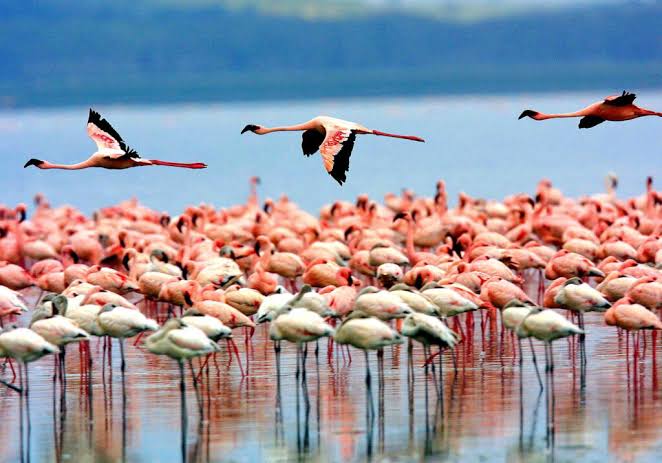
Waterbirds may gather around the lake, depending on water levels, food availability and seasonal conditions. Flamingos and pelicans have been reported in the wider area, but sightings and bird numbers can vary.
A quieter stop on a Uganda safari
Travellers who enjoy lesser-known natural attractions may appreciate adding Lake Bunyampaka to a crater-lake circuit. It can complement more established activities such as wildlife drives, birdwatching and cultural visits.
Lake Bunyampaka and Traditional Salt Mining
Salt extraction is one of the distinctive human activities associated with Lake Bunyampaka. Although Lake Katwe is the better-known salt-producing lake in the region, Bunyampaka also supports smaller-scale extraction.
The saline water and mineral deposits are linked to the area’s geology and the concentration of dissolved salts through evaporation.
A visit may offer insight into how local people use parts of the lake for salt production. However, the level of activity can change, so travellers should not assume that active extraction will be taking place during every visit.
Understanding the salt extraction process
Depending on current conditions and local access arrangements, a knowledgeable guide may explain:
- How the saline environment supports salt extraction.
- How local workers organise and manage individual extraction areas.
- How evaporation and weather influence salt production.
- How salt-related activities contribute to livelihoods in nearby communities.
Lake Bunyampaka should not be confused with Lake Katwe, which is the region’s principal traditional salt-mining attraction. Travellers who want a more detailed look at salt harvesting should consider visiting Lake Katwe as part of the same itinerary.
Visitors should remain in authorised areas and seek permission before photographing workers or entering active extraction plots.
Birdwatching at Lake Bunyampaka
Lake Bunyampaka can be of interest to birdwatchers exploring Queen Elizabeth National Park. Its saline waters and shoreline may attract waterbirds, although the species present and their numbers depend on seasonal conditions.
Flamingos
Flamingos have been reported at Lake Bunyampaka and in the wider crater-lake region. These birds use suitable shallow-water habitats where food is available.
Their presence is not guaranteed, so birdwatchers should check recent observations before travelling specifically to see them.
For visitors particularly interested in flamingos, nearby Lake Munyanyange is another important seasonal birding location to consider.
Pelicans
Pelicans have also been reported around Lake Bunyampaka. These large waterbirds are distinctive because of their broad bills and expandable throat pouches.
As with other birds, sightings depend on current conditions and should not be treated as certain.
Other waterbirds
The wider Queen Elizabeth National Park region supports a rich range of wetland and aquatic birds. Depending on the habitat and season, birders may encounter egrets, herons, plovers, stilts and other water-associated species.
For a more productive birding day, combine Lake Bunyampaka with the Kazinga Channel, Lake George, Lake Munyanyange and other suitable sites in the park.
Wildlife Around Lake Bunyampaka
Lake Bunyampaka is primarily interesting for its crater landscape, salt extraction and birdlife. It is also situated within a broader landscape where wildlife moves between water sources, grazing areas and surrounding habitats.
Elephants and buffaloes
Elephants and buffaloes inhabit Queen Elizabeth National Park and may be encountered in the wider area. Their presence beside Lake Bunyampaka on a particular day is not guaranteed.
A game drive through appropriate sections of the park offers better opportunities to look for these mammals than relying on a single crater lake.
Antelopes and other savannah wildlife
The nearby Kasenyi Plains are known for wildlife viewing, including Uganda kob and other grazing animals. Predators such as lions may also be seen in the wider park, although sightings vary.
Combining a crater-lake visit with a game drive creates a more varied safari experience.
Wildlife photography
The contrast between the crater landscape, open water and surrounding vegetation can provide attractive photographic opportunities. If wildlife is present, use a suitable lens and maintain a safe distance.
Follow your guide’s instructions and do not approach wild animals on foot.
Things to Do at Lake Bunyampaka
1. Explore the crater-lake landscape
Enjoy views of the lake and the surrounding volcanic terrain. The steep crater rim and vegetation create a distinctive setting for nature observation and photography.
Access to viewpoints can vary, so arrange the visit with a local guide who understands the available routes.
2. Learn about local salt extraction
Where extraction is taking place and access is permitted, learn how local people use the saline lake and manage their working areas.
For a more extensive salt-mining experience, add a guided visit to Lake Katwe.
3. Go birdwatching
Bring binoculars and look for waterbirds around suitable shoreline areas. A local birding guide can help identify species and advise whether the lake is productive at the time of your visit.
4. Combine the lake with a game drive
The nearby Kasenyi Plains offer a classic Queen Elizabeth National Park safari experience. A morning game drive followed by a crater-lake visit can create a varied day combining wildlife, scenery and local culture.
5. Visit other crater lakes
Lake Bunyampaka is part of the wider Katwe-Kikorongo crater region. Travellers can explore selected nearby crater lakes and viewpoints, subject to road conditions, access arrangements and available time.
6. Discover the surrounding community landscape
The area around Kasenyi includes communities whose livelihoods are connected to the park landscape and its natural resources. Where appropriate community experiences are available, visitors can learn about local life and the relationship between people, tourism and conservation.
Always arrange visits respectfully and ask permission before photographing individuals.
Lake Bunyampaka, Lake Katwe and Lake Munyanyange: What Is the Difference?
These three lakes are located in the same general crater-lake region, but each has a different tourism focus.
| Lake | Main attraction | What visitors can experience |
|---|---|---|
| Lake Bunyampaka | Crater scenery and smaller-scale salt extraction | Landscape viewing, possible birdwatching and insight into local salt production |
| Lake Katwe | Traditional salt mining | Guided cultural visits and learning about salt harvesting |
| Lake Munyanyange | Seasonal birdlife | Birdwatching, including flamingos when present |
Combining these locations gives visitors a broader understanding of the volcanic landscape and the different ways local communities and wildlife interact with it.
Best Time to Visit Lake Bunyampaka
Lake Bunyampaka can be included in a Queen Elizabeth National Park itinerary throughout the year, but conditions can affect the experience.
For birdwatching
Bird activity depends on water levels, available food and seasonal movements. If you are hoping to see flamingos or pelicans, ask your guide about recent sightings before visiting.
For salt extraction
Salt production is influenced by weather and the level of activity at the lake. A visit does not guarantee that workers will be harvesting salt, so confirm local conditions if this is your main interest.
For wildlife viewing
The wider park is visited year-round. Relatively dry periods can make some game-drive routes easier to navigate, but wildlife sightings depend on animal movements and local conditions.
For the best results, plan Lake Bunyampaka as part of a flexible itinerary rather than making the entire journey depend on one specific sighting or activity.
How to Get to Lake Bunyampaka
Lake Bunyampaka is accessed by road in the Kasenyi area of Queen Elizabeth National Park.
From Kampala or Entebbe
Travellers can drive west towards Queen Elizabeth National Park, generally allowing a substantial part of the day for the journey. Actual travel time depends on traffic, stops, road conditions and the location of the accommodation.
From Kasese
Kasese provides access to the Queen Elizabeth National Park region. Visitors can arrange onward transport towards suitable attractions in the park, including the crater-lake area.
From Mweya Peninsula
Travellers staying around Mweya can plan a crater-lake excursion alongside other activities in the park. The best route depends on the planned stops, road conditions and the day’s schedule.
Because access routes and local conditions may change, confirm the approach with your accommodation or safari operator before travelling.
Where to Stay Near Lake Bunyampaka
Most visitors choose accommodation in the wider Queen Elizabeth National Park area rather than staying specifically beside Lake Bunyampaka.
Kasenyi and nearby areas
Staying near the Kasenyi Plains can be convenient for morning game drives and selected activities in the northern part of the park.
Mweya Peninsula
Mweya is a useful base for visitors who want to combine wildlife viewing with a Kazinga Channel boat cruise and other central park activities.
Katunguru and surrounding areas
Accommodation around Katunguru can be practical for itineraries involving the Kazinga Channel and several park attractions.
Choose accommodation based on your complete itinerary, not only the distance to Lake Bunyampaka. Confirm current rates, availability, access and transfer times before booking.
Responsible Tourism at Lake Bunyampaka
Responsible travel helps protect the crater-lake environment and supports respectful relationships with nearby communities.
- Follow your guide’s instructions and stay in authorised areas.
- Avoid littering or contaminating the lake.
- Do not disturb birds or approach wildlife on foot.
- Ask permission before photographing salt miners or community members.
- Avoid entering active salt-extraction plots without permission.
- Support responsible local guiding and tourism services where available.
The lake’s natural and cultural value depends on maintaining the landscape while respecting the people who use its resources.
Is Lake Bunyampaka Worth Visiting?
Lake Bunyampaka is worth considering for travellers interested in lesser-known crater lakes, traditional salt extraction and birdwatching in western Uganda.
It is not as established a tourist attraction as Lake Katwe or the Kazinga Channel, but it adds another perspective to a Queen Elizabeth National Park safari. Visitors can appreciate the region’s volcanic geology, learn about small-scale salt production and look for birds around the lake.
For most travellers, the best approach is to combine Lake Bunyampaka with a game drive, Lake Katwe, Lake Munyanyange or another nearby attraction rather than plan a separate trip solely to visit the lake.
Plan Your Lake Bunyampaka Visit with Raptors Africa Safaris
Raptors Africa Safaris can help you include Lake Bunyampaka in a tailor-made Uganda safari. Combine the crater-lake landscape with wildlife viewing in Queen Elizabeth National Park, traditional salt mining at Lake Katwe, seasonal birdwatching at Lake Munyanyange and a boat cruise on the Kazinga Channel.
Whether you are planning a short wildlife safari, a birding holiday or a longer journey that includes chimpanzee tracking and mountain gorilla trekking, we can help design an itinerary around your travel dates, interests and budget.
Contact Raptors Africa Safaris to plan your Uganda safari and explore the crater lakes and wildlife of Queen Elizabeth National Park.