Call: +256 702 595 926 | Email: info@bookgorillatracking.com

Chimpanzee Trekking in Nyungwe, Rwanda: Complete Guide

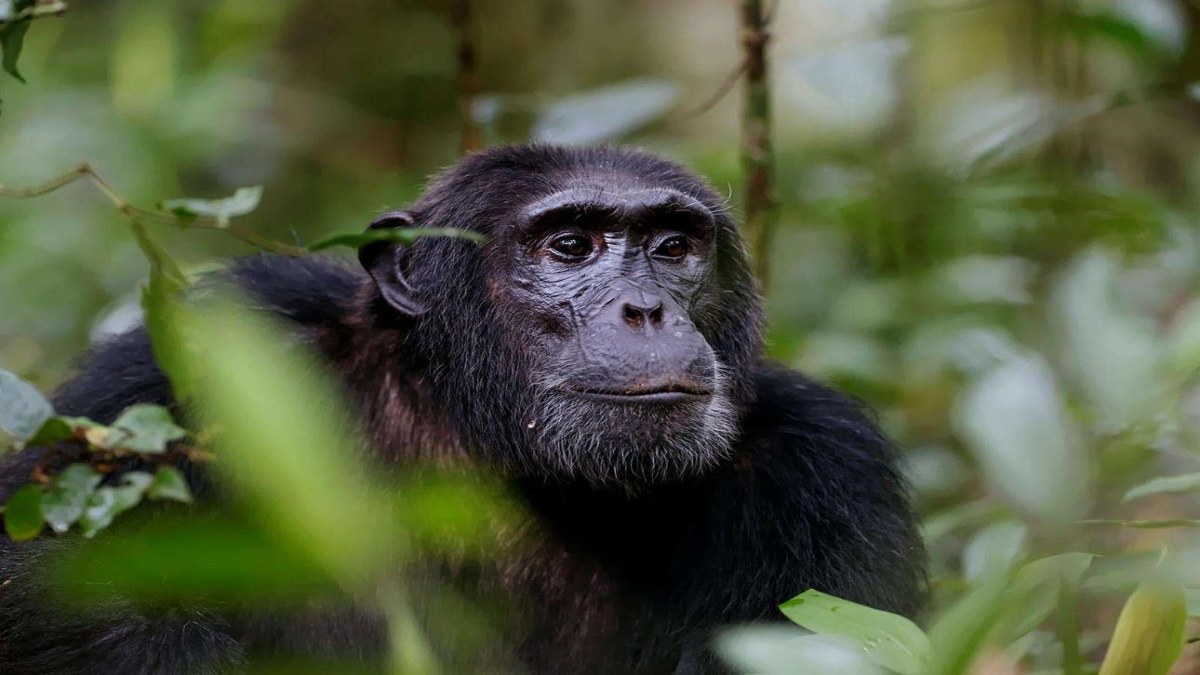
Chimpanzee Trekking in Nyungwe National Park, Rwanda: Permits, Costs and Travel Guide
Chimpanzee trekking in Nyungwe National Park is one of Rwanda’s most exciting wildlife experiences, offering travelers the opportunity to encounter wild chimpanzees in a beautiful montane rainforest. Located in southwestern Rwanda, Nyungwe is a major biodiversity destination known for its primates, Albertine Rift birds, scenic hiking trails, waterfalls, and spectacular canopy walkway.
For travelers interested in primate adventures, chimpanzee tracking in Nyungwe provides a different experience from a traditional African savannah safari. Instead of searching for elephants and lions across open grasslands, visitors venture into dense rainforest accompanied by experienced guides and trackers who help locate chimpanzees in their natural habitat.
Nyungwe is also an excellent destination for birdwatchers, nature enthusiasts, photographers, and travelers planning a wider Rwanda safari. You can combine chimpanzee trekking with colobus monkey tracking, forest hiking, the canopy walkway, tea plantation visits, and mountain gorilla trekking in Volcanoes National Park.
At Raptors Africa Safaris, we help travelers discover East Africa through memorable wildlife experiences, nature adventures, and tailor-made safaris designed around their interests and budgets.
Where Is Nyungwe National Park?
Nyungwe National Park is situated in southwestern Rwanda, close to the Burundi border. It protects an extensive montane rainforest ecosystem containing a remarkable variety of plants, birds, mammals, and other wildlife.
The park is particularly famous for its primates, including chimpanzees, colobus monkeys, L’Hoest’s monkeys, and several other forest-dwelling species.
Nyungwe’s mountainous landscape features mist-covered hills, deep valleys, flowing streams, and thick vegetation. These natural features make the park one of Rwanda’s most rewarding destinations for guided forest adventures.
The park can be reached by road from Kigali, Rwanda’s capital. Because the journey takes several hours, travelers are generally better off spending at least one or two nights in the Nyungwe region rather than attempting a rushed day trip.
What Is Chimpanzee Trekking in Nyungwe?
Chimpanzee trekking is a guided wildlife activity in which visitors walk through the rainforest in search of habituated chimpanzee communities.
Chimpanzees are highly intelligent primates that live in social groups. They communicate through vocalizations, facial expressions, and gestures. In the forest, they may be seen feeding on fruit, grooming one another, resting, climbing trees, or moving quickly through the vegetation.
A chimpanzee trek usually begins early in the morning. Park guides and trackers help visitors locate the chimpanzees, although the animals’ movements and the terrain can make the experience unpredictable.
Once the chimpanzees are located, visitors have a limited period to observe them under park regulations. The experience provides a fascinating opportunity to learn about chimpanzee behavior and the importance of rainforest conservation.
Unlike zoo visits, chimpanzee trekking takes place in the animals’ natural environment. Sightings are not guaranteed, and visitors should be prepared for a genuine forest adventure.
Where Can You See Chimpanzees in Nyungwe?
Chimpanzee tracking in Nyungwe takes place in designated forest areas, including the main Nyungwe forest and Cyamudongo Forest.
1. The Main Nyungwe Forest
The main forest is one of the principal areas associated with chimpanzee trekking. It offers an immersive rainforest experience, with dense vegetation, towering trees, and a network of trails.
Visitors follow their guide and trackers through the forest while searching for chimpanzees. Depending on where the animals are located, the walk may involve steep slopes, muddy ground, and uneven paths.
The main forest is also excellent for birdwatching and learning about the park’s rich biodiversity.
2. Cyamudongo Forest
Cyamudongo is a smaller, isolated forest area southwest of the main Nyungwe forest. It is known for its chimpanzee community and provides another option for visitors interested in primate tracking.
Because Cyamudongo is separate from the main forest, transportation arrangements and reporting locations can differ. Confirm the designated tracking area before booking accommodation or arranging your transfer.
Which area should you choose?
The most suitable tracking area depends on permit availability, the chimpanzee community being visited, your accommodation, and the overall safari route. Your tour operator should confirm the current arrangements before your trip.
What to Expect During Chimpanzee Trekking
Chimpanzee trekking normally starts early in the morning, when chimpanzees may be feeding, calling, or moving through the forest.
Here is what a typical experience involves.
Early-morning departure: Leave your accommodation in time to reach the designated visitor centre for registration and briefing.
Safety briefing: Park staff explain the rules for observing chimpanzees and protecting both visitors and wildlife.
Guided rainforest walk: Follow your guide and trackers into the forest. The trek may take a relatively short time or several hours, depending on where the chimpanzees are located.
Chimpanzee encounter: Once the animals are found, observe their natural behavior while following the guide’s instructions and the park’s viewing rules.
Return from the forest: After the encounter, walk back to the designated meeting point and continue with your day’s activities.
The experience can be physically demanding, but it is rewarding for travelers who appreciate wildlife, hiking, and nature photography.
How Difficult Is Chimpanzee Trekking in Nyungwe?
Chimpanzee trekking in Nyungwe can be moderately to very demanding, depending on the terrain and the location of the chimpanzees.
The forest has steep slopes, slippery trails, exposed roots, and thick vegetation. Rain can make the paths muddy, and chimpanzees sometimes move quickly through the forest, requiring visitors to keep walking.
A reasonable level of physical fitness is recommended. You do not need to be an experienced hiker, but you should be comfortable walking on uneven ground.
To make your trek more comfortable:
- Wear sturdy hiking boots with good grip.
- Carry a waterproof jacket or poncho.
- Wear long trousers and long-sleeved clothing.
- Bring drinking water and a small daypack.
- Consider using a walking stick if recommended by your guide.
- Ask about porter services if you would benefit from assistance with your bag.
- Tell your tour operator in advance if you have mobility limitations.
If you prefer gentler activities, Nyungwe also offers options such as selected nature walks, birdwatching, and the canopy walkway, subject to applicable age and safety requirements.
Best Time for Chimpanzee Trekking in Nyungwe
Chimpanzee trekking is available throughout the year, but weather conditions can influence trail conditions and the overall hiking experience.
June to September
These months are generally part of Rwanda’s longer drier season. They can be a good time for combining chimpanzee trekking with forest hiking, birdwatching, and other outdoor activities.
December to February
This period is another relatively drier window for travel. It can suit visitors planning a Rwanda safari that combines Nyungwe with other destinations.
March to May
These months generally receive more rainfall. Forest trails can become muddy and slippery, so appropriate footwear and waterproof clothing are essential.
October to November
This is another wetter period in much of Rwanda. Rainfall can affect hiking conditions, although chimpanzee trekking may still be possible.
Nyungwe is a rainforest, so rain can occur even during the drier months. Rather than choosing dates based on weather alone, consider permit availability, international flights, accommodation, and your preferred safari experiences.
Chimpanzee Trekking Permits in Nyungwe: Costs and Booking
A valid permit or authorized booking is required for chimpanzee tracking in Nyungwe. Fees vary according to visitor category and the applicable official rate schedule.
Published 2025–2026 reference rates list the following prices for chimpanzee tracking:
| Visitor category | Reference price per person |
|---|---|
| International visitor | US$150 |
| Foreign resident in Rwanda or the East African Community | US$75 |
| Rwanda/EAC citizen | RWF 25,000 |
These are reference rates rather than confirmed prices for every travel date. Verify the current fees, visitor eligibility, inclusions, and booking conditions with the Rwanda Development Board or the official park booking channel before making payment.
Your total safari budget may also include accommodation, meals, private transportation, park entry fees where applicable, and additional activities.
How to Book a Chimpanzee Trek
- Select your preferred travel dates.
- Confirm permit availability for the intended tracking area.
- Verify the current permit price and eligibility category.
- Arrange suitable accommodation near your reporting location.
- Confirm your transfer, reporting time, and any additional requirements.
Travelers planning both chimpanzee trekking and gorilla trekking should coordinate permit availability before finalizing their itinerary.
Raptors Africa Safaris can assist with planning the route, accommodation, transport, and other safari arrangements around your confirmed activities.
What Is the Minimum Age for Chimpanzee Trekking?
Chimpanzee trekking in Nyungwe has traditionally had a minimum age requirement of 15 years. Travelers should confirm the current age restrictions with the official park authority before booking.
Families with younger children can explore suitable alternatives, such as selected nature experiences, cultural visits, and other activities permitted for their age group.
Always confirm age and safety requirements for each activity when planning a family holiday.
What to Pack for Chimpanzee Trekking
Packing appropriately is important for a comfortable rainforest experience.
Recommended items include:
- Hiking boots with good traction.
- Long trousers and long-sleeved shirts.
- A waterproof jacket or poncho.
- Drinking water.
- A lightweight backpack.
- Insect repellent.
- Sunscreen for outdoor activities.
- Binoculars for birdwatching.
- A camera with a suitable zoom lens.
- Personal medication and essential supplies.
Choose clothing suitable for wet forest conditions. Avoid littering, and follow park rules regarding photography, food, and wildlife encounters.
Other Things to Do in Nyungwe National Park
Chimpanzee trekking is one of Nyungwe’s leading attractions, but the park offers many other activities for travelers who want to spend more time exploring the rainforest.
1. Walk Along the Nyungwe Canopy Walkway
The Nyungwe canopy walkway is one of Rwanda’s best-known nature attractions. This suspended bridge takes visitors above the forest floor, offering a unique perspective of the rainforest canopy and surrounding hills.
It is an excellent activity to combine with chimpanzee trekking, particularly for first-time visitors to Nyungwe.
2. Explore Rainforest Hiking Trails
Nyungwe has a network of guided hiking trails that pass through forest, valleys, and scenic viewpoints.
Popular options include the Isumo Waterfall Trail, Kamiranzovu Trail, and Igishigishigi Trail. Each offers a different experience, from waterfall scenery to forest exploration.
Trail difficulty and duration vary, so choose an excursion that suits your fitness level and available time.
3. Go Birdwatching in Nyungwe
Nyungwe is one of Rwanda’s most important birdwatching destinations, with around 300 recorded bird species.
The forest is particularly attractive to birders searching for Albertine Rift endemics and specialized forest species. Depending on the location and conditions, birdwatchers may encounter species such as the Ruwenzori turaco and other sought-after rainforest birds.
A specialist birding guide can help you identify birds and plan a productive forest excursion.
4. Track Colobus Monkeys
Nyungwe is famous for its black-and-white colobus monkeys. Guided colobus tracking provides another opportunity to observe primates in their natural habitat.
The activity can be particularly rewarding for wildlife photographers and visitors who want to learn about the different primate species living in the forest.
Confirm the available tracking products, fees, and arrangements before your visit.
5. Visit a Tea Plantation
The landscapes surrounding Nyungwe include tea-growing areas that offer a different perspective on Rwanda’s countryside.
A guided tea plantation visit can introduce travelers to tea cultivation, harvesting, processing, and the role of tea farming in local livelihoods.
This experience is a good addition for visitors interested in combining nature tourism with local culture.
6. Experience Local Culture
Travelers can also explore community-based experiences around the Nyungwe region, depending on availability. These may include traditional crafts, cultural performances, local food, and opportunities to learn about life in southwestern Rwanda.
Responsible community tourism can enrich your trip while supporting local livelihoods.
7. Experience Chimpanzee Habituation Where Available
Chimpanzee habituation is a specialized wildlife experience focused on observing chimpanzees while they become accustomed to the presence of researchers and authorized visitors.
Availability, access, duration, and fees depend on the specific authorized activity. Do not assume that a habituation experience is automatically included with an ordinary chimpanzee trekking permit; verify the current arrangements with the park authority.
Where to Stay for Chimpanzee Trekking in Nyungwe
Choosing the right accommodation depends on your budget, preferred comfort level, and the location of your tracking activity.
Luxury Accommodation
Travelers seeking an upscale rainforest holiday can consider One&Only Nyungwe House, a luxury property in the tea-growing landscape near Nyungwe.
Luxury accommodation is suited to visitors who want premium facilities, attentive service, and a comfortable base for nature excursions.
Mid-Range Accommodation
Mid-range lodges and hotels around the Nyungwe region offer a balance between comfort and cost. When comparing properties, check their distance from your designated tracking location, meal arrangements, and ability to provide early breakfast or transfers.
Budget Accommodation
Budget-conscious travelers can investigate guesthouses, campsites, and simpler accommodation around designated visitor areas, including the Gisakura area, depending on availability.
These options can help travelers manage their overall safari expenses while enjoying Nyungwe’s main attractions.
Accommodation tip: Confirm your chimpanzee tracking area before booking a lodge. The closest accommodation to one visitor centre may not be the most convenient for a trek departing from another location.
How to Get to Nyungwe National Park
Most international visitors arrive in Rwanda through Kigali International Airport.
The journey from Kigali to the Nyungwe region generally takes around five to six hours by road, depending on your final destination, traffic, stops, and road conditions.
Private transfers offer flexibility for travelers who want to stop at scenic locations along the way. A suitable vehicle and an experienced driver can make the journey more comfortable.
Nyungwe can also be incorporated into a wider Rwanda itinerary that includes:
- Kigali city and the Kigali Genocide Memorial.
- Lake Kivu and its scenic lakeside towns.
- Volcanoes National Park for mountain gorilla trekking.
- Akagera National Park for savannah wildlife safaris.
For a broader East African adventure, travelers can combine Rwanda with Uganda to experience additional primate trekking, wildlife viewing, birdwatching, and cultural encounters.
Sample 3-Day Nyungwe Chimpanzee Trekking Safari
Day 1: Transfer from Kigali to Nyungwe
Depart Kigali and travel southwest through Rwanda’s scenic countryside. Enjoy the changing landscapes and planned stops along the route before arriving at your accommodation near Nyungwe.
Spend the evening relaxing and preparing for the next day’s early-morning chimpanzee trek.
Overnight: Nyungwe region.
Day 2: Chimpanzee Trekking and Canopy Walkway
Wake up early and transfer to the designated tracking centre for your chimpanzee trekking experience.
Join the park guides and trackers as they lead you through the rainforest in search of chimpanzees. After the trek, return to your accommodation for lunch or a short rest.
Depending on timing, availability, and your energy levels, continue with the canopy walkway or another suitable guided forest activity.
Overnight: Nyungwe region.
Day 3: Forest Exploration and Return to Kigali
After breakfast, enjoy an optional birdwatching excursion, nature walk, tea plantation visit, or community experience.
Later, begin your return journey to Kigali, allowing sufficient time for the road transfer and any onward travel arrangements.
This itinerary can be extended for travelers who want more time for birdwatching, hiking, or a relaxed rainforest holiday.
Combining Nyungwe Chimpanzee Trekking with Gorilla Trekking
One of the best ways to experience Rwanda’s primate diversity is to combine chimpanzee trekking in Nyungwe with mountain gorilla trekking in Volcanoes National Park.
Although both activities involve searching for habituated primates in forest environments, the encounters are different. Chimpanzees are highly mobile and may move quickly through the canopy, while mountain gorilla trekking takes place in the forested slopes of the Virunga volcanoes.
A combined itinerary requires separate permits, appropriate accommodation in both regions, and sufficient time for road transfers.
Travelers who want a wider wildlife safari can also add Akagera National Park for savannah animals and Nyungwe for rainforest wildlife, creating a diverse Rwanda holiday.
Raptors Africa Safaris can help you explore suitable route options based on your dates, interests, and budget.
Responsible Chimpanzee Trekking and Conservation
Chimpanzees are wild animals, and responsible tourism helps protect them and their rainforest habitat.
During your trek:
- Follow all instructions from your guides and trackers.
- Maintain the distance required by park regulations.
- Never feed, touch, or attempt to attract chimpanzees.
- Avoid loud noises and sudden movements.
- Follow the rules concerning photography.
- Never leave rubbish in the forest.
- Inform your guide if you feel unwell, particularly if you have symptoms of a respiratory illness.
Responsible trekking helps minimize disturbance to wildlife and supports the conservation of Nyungwe’s unique ecosystem.
Frequently Asked Questions About Chimpanzee Trekking in Nyungwe
Is chimpanzee trekking in Nyungwe worth it?
Yes. Nyungwe is a rewarding destination for travelers interested in primates, rainforest biodiversity, birdwatching, and hiking. It is especially worthwhile when combined with other experiences in Rwanda.
How long does chimpanzee trekking take?
The duration depends on where the chimpanzees are located and how far they move. Allow several hours for registration, briefing, walking, the encounter, and the return journey.
Are chimpanzee sightings guaranteed?
No. Chimpanzees are wild animals, and their movements are unpredictable. Guides and trackers work to locate them, but sightings cannot be guaranteed.
How much does a Nyungwe chimpanzee trekking permit cost?
Published 2025–2026 reference rates listed US$150 per international visitor, with different rates for eligible residents and citizens. Confirm the current price and inclusions with the official park authority before booking.
What is the best time to visit Nyungwe for chimpanzee trekking?
Chimpanzee trekking is available year-round. June to September and December to February are commonly considered useful periods for outdoor activities, while wetter months can bring muddier trails.
Can I visit Nyungwe on a day trip from Kigali?
Although arrangements may be possible in some circumstances, a day trip is generally not recommended for chimpanzee trekking because of the long drive and early start. An overnight stay is more practical.
Can I combine chimpanzee trekking with the canopy walkway?
Yes. The canopy walkway can be added to your itinerary, subject to timing, availability, and applicable fees.
Is Nyungwe good for birdwatching?
Yes. Nyungwe is an important birding destination, especially for visitors interested in Albertine Rift endemics and forest birds. An additional night can provide more time for guided birdwatching.
Plan Your Chimpanzee Trekking Safari with Raptors Africa Safaris
Chimpanzee trekking in Nyungwe National Park offers an opportunity to explore one of East Africa’s remarkable rainforests while learning about the behavior and conservation of wild chimpanzees.
Whether you are planning a budget-friendly primate adventure, a relaxing rainforest holiday, or a wider Rwanda and Uganda safari, Raptors Africa Safaris can help you organize an experience that matches your interests and travel budget.
We can assist with itinerary planning, accommodation arrangements, transportation, and coordination of your safari activities.
Ready to explore Rwanda’s rainforest?
Contact Raptors Africa Safaris to plan your chimpanzee trekking experience in Nyungwe National Park and discover more of East Africa.
Visit bookgorillatracking.com to start planning your adventure.
Raptors Africa Safaris — Your gateway to East Africa’s wildlife and natural wonders.
[…] who want to discover the hidden wildlife of Rwanda after sunset. Located in southwestern Rwanda, Nyungwe National Park protects an extensive montane rainforest that becomes a different world when darkness falls. […]
[…] is famous for chimpanzee trekking. A dedicated chimpanzee excursion can complement the multi-day hike, although it should be scheduled […]
[…] many visitors come to Nyungwe for chimpanzee trekking, birdwatching and the famous canopy walkway, cycling provides another way to experience the […]
[…] early for chimpanzee trekking in Nyungwe National Park, one of Rwanda’s most important rainforest […]