+256-702 595 926 | info@bookgorillatracking.com

Cyamudongo Chimpanzee Trekking | Rwanda’s Hidden Primate Experience

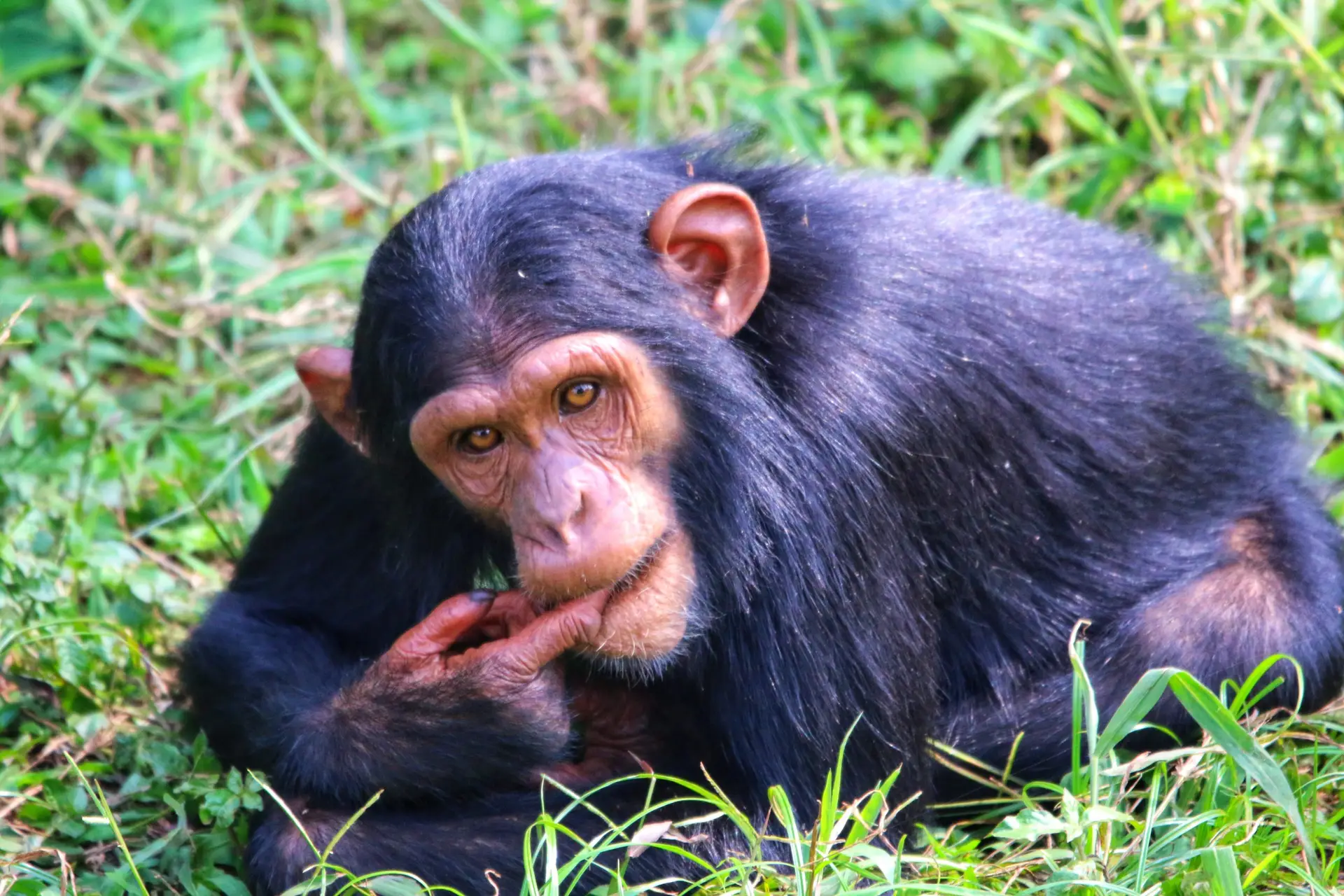
Cyamudongo Chimpanzee Trekking: A Unique Primate Experience in Rwanda
Deep in southwestern Rwanda, within the wider Nyungwe forest ecosystem, lies Cyamudongo Forest, a relatively small and isolated forest patch known for its chimpanzee population and rich biodiversity.
For travelers looking beyond the more established chimpanzee trekking routes, Cyamudongo chimpanzee trekking offers an intimate forest experience where the search for chimpanzees becomes part of the adventure.
Unlike a traditional wildlife drive across open savannah, chimpanzee trekking takes you into the forest on foot. You follow the calls of the chimpanzees, move beneath towering trees and watch carefully for movement in the canopy.
For wildlife photographers, primate enthusiasts and travelers interested in Rwanda’s forests, Cyamudongo can be an excellent addition to a Rwanda safari.


Where Is Cyamudongo Forest?
Cyamudongo Forest is an isolated forest patch associated with the greater Nyungwe Forest ecosystem in southwestern Rwanda. Its relatively small size and isolation distinguish it from the much larger continuous forest areas of Nyungwe.
The forest is surrounded by landscapes that include tea plantations and other cultivated areas, creating an interesting contrast between Rwanda’s agricultural landscape and its remaining natural forest.
This setting also makes Cyamudongo interesting for travelers who want to experience a less conventional side of Rwanda’s wildlife tourism.
Why Go Chimpanzee Trekking in Cyamudongo?
The main reason to visit Cyamudongo is, of course, the opportunity to search for chimpanzees in their natural forest environment.
The chimpanzees are highly active animals. During a trek, you may hear their calls before seeing them. Once located, they may be feeding, grooming, resting, climbing or moving rapidly through the forest canopy.
One of the characteristics that makes Cyamudongo interesting is its relatively small and isolated habitat. Several tourism sources describe a habituated chimpanzee community living within the forest, with estimates generally around 30–40 individuals.
What Is a Cyamudongo Chimpanzee Trek Like?
A typical chimpanzee trek begins early because chimpanzees are active and their movements can make tracking more challenging as the day progresses.
After meeting your ranger and receiving a briefing, you travel toward the appropriate trailhead before beginning the walk through the forest.
The trek itself is not simply a walk to a fixed location. Trackers and guides work to determine where the chimpanzees are and lead visitors through the forest in search of them.
Once the chimpanzees are located, visitors can observe their behaviour from a regulated distance.
You may see:
- Chimpanzees feeding
- Chimpanzees grooming one another
- Young chimpanzees playing
- Individuals moving through the canopy
- Other forest primates
- Forest birds
- Butterflies and other forest wildlife
The exact duration of the trek can vary depending on where the chimpanzees are located and how they move through the forest.
Cyamudongo Chimpanzees and Other Wildlife
Although chimpanzees are the principal attraction, Cyamudongo is not only about chimpanzees.
The forest environment provides opportunities to encounter other primates and forest wildlife. Sources describing the area mention species such as L’Hoest’s monkeys, colobus monkeys and other primates.
For birdwatchers, the forest setting is equally interesting. A chimpanzee trek can become an opportunity to combine primate watching with general forest birding.
This is particularly valuable for travelers planning a broader Rwanda birding and primate safari.
Cyamudongo vs. Nyungwe Chimpanzee Trekking
One of the strongest sections for SEO would be a comparison between the two experiences.
| Feature | Cyamudongo | Main Nyungwe Forest |
|---|---|---|
| Environment | Smaller, isolated forest patch | Much larger forest ecosystem |
| Main attraction | Habituated chimpanzees | Chimpanzees and wider forest biodiversity |
| Experience | More intimate forest setting | Broader rainforest experience |
| Other wildlife | Primates and forest birds | Extensive primate and bird diversity |
| Best suited for | Travelers seeking a focused chimpanzee experience | Travelers wanting a broader Nyungwe experience |
Rather than presenting one as universally better, your website should explain that the best choice depends on the traveler’s interests, itinerary and available time.
Best Time for Cyamudongo Chimpanzee Trekking
Chimpanzee trekking can be incorporated into Rwanda itineraries throughout the year, but forest conditions can influence the experience.
During wetter periods, the forest can be muddy and walking conditions may be more challenging. At the same time, food availability can influence chimpanzee movements.
The Uganda Wildlife Authority makes a similar point for chimpanzee tracking in Kibale: chimpanzees can move deeper into forests during drier periods in search of food. While that guidance is specific to Kibale, it illustrates why chimpanzee trekking should always be treated as a wildlife-search experience rather than a guaranteed sighting at a fixed location.
For your website, I recommend avoiding simplistic claims such as “the best month is January” unless you have reliable current data specifically for Cyamudongo.
How Difficult Is the Cyamudongo Chimpanzee Trek?
The difficulty varies.
Chimpanzees are constantly moving, and the terrain is forested and sometimes steep. Visitors should therefore be prepared for uneven trails, muddy sections and periods of walking without knowing exactly where the chimpanzees will be found.
A reasonable level of fitness is recommended.
Tip for travelers: Good hiking shoes, lightweight long trousers, a waterproof jacket, insect repellent, drinking water and a small backpack are useful for the experience.
Cyamudongo for Wildlife Photographers
Cyamudongo can be particularly attractive to photographers interested in primates.
Chimpanzees are expressive and active animals, but photographing them in a rainforest is very different from photographing wildlife on the open savannah.
You may be working with:
- Dense vegetation
- Low forest light
- Animals high in the canopy
- Rapid chimpanzee movements
- Difficult viewing angles
A camera with a reasonable telephoto lens can therefore be valuable.
Most importantly, photographers should prioritize the welfare of the animals and follow the instructions of their ranger throughout the encounter.
Combining Cyamudongo with a Rwanda Safari
One of the strongest commercial opportunities for your website is to sell Cyamudongo as part of a wider Rwanda itinerary, rather than as an isolated activity.
For example:
Kigali → Nyungwe/Cyamudongo → Lake Kivu → Volcanoes National Park → Kigali
This allows travelers to combine:
Chimpanzee trekking + rainforest + canopy experience + Lake Kivu + mountain gorilla trekking
For travelers with more time, the experience can also be incorporated into a wider Rwanda–Uganda primate safari.
For example:
Kigali → Nyungwe → Lake Kivu → Bwindi → Queen Elizabeth → Kibale → Entebbe
That type of itinerary is especially attractive to travelers interested in chimpanzees, gorillas, birding and wildlife photography.

Why Include Cyamudongo in Your Rwanda Safari?
Cyamudongo is ideal for travelers who want to go beyond Rwanda’s most famous attractions.
Instead of simply visiting Rwanda for gorilla trekking, travelers can explore a broader primate landscape that includes chimpanzees and other forest species.
It is particularly suitable for:
Primate enthusiasts looking for multiple great-ape experiences.
Wildlife photographers looking for active forest subjects.
Birdwatchers who want to combine birding with primate tracking.
Nature lovers interested in Rwanda’s remaining rainforest habitats.
Safari travelers who want to combine Nyungwe with Lake Kivu and Volcanoes National Park.
Frequently Asked Questions
Is Cyamudongo part of Nyungwe National Park?
Cyamudongo is an isolated forest patch associated with the wider Nyungwe ecosystem and is described by tourism sources as part of the Nyungwe National Park area.
Can I see chimpanzees in Cyamudongo?
Yes. Cyamudongo is known for a habituated chimpanzee community that is available for trekking.
Is Cyamudongo good for birdwatching?
Yes. The forest habitat supports a variety of bird species, making chimpanzee trekking potentially rewarding for travelers interested in both primates and birds.
How long does chimpanzee trekking take?
The duration varies depending on chimpanzee movements, terrain and conditions. Travelers should allow several hours rather than planning the experience around a fixed short duration.
Can I combine Cyamudongo with gorilla trekking?
Absolutely. Cyamudongo can be incorporated into a longer Rwanda primate itinerary that includes Volcanoes National Park for mountain gorilla trekking.
Is Cyamudongo suitable for photographers?
Yes, particularly for travelers interested in primate photography. However, rainforest photography can be technically challenging because chimpanzees often move through dense vegetation and the forest canopy.
Experience Cyamudongo with RAPTORS AFRICA SAFARIS LTD
For travelers who want more than a standard Rwanda itinerary, Cyamudongo chimpanzee trekking can be crafted into a tailor-made primate and wildlife journey.
At Raptors Africa safaris, we design private East African journeys around the interests of each traveler — from chimpanzee trekking and gorilla trekking to birdwatching, wildlife photography, cultural experiences and forest adventures.
Explore Rwanda. Follow the forest. Meet the primates. Go beyond mapping with raptors africa safaris
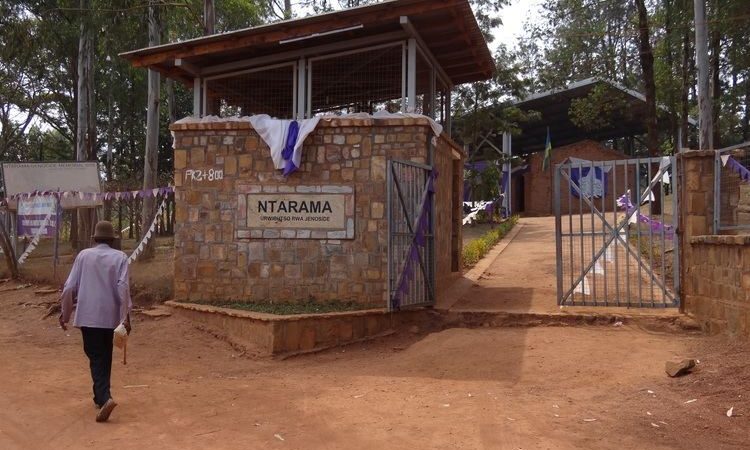

[…] Chimpanzee trekking is one of the principal attractions of Nyungwe National Park. […]
[…] Cyamudongo is separate from the main forest, transportation arrangements and reporting locations can differ. […]