Call: +256 702 595 926 | Email: info@bookgorillatracking.com

Mount Rwenzori Hiking Guide | Routes, Margherita Peak & Tips

Mount Rwenzori Hiking: Complete Guide to Rwenzori Mountains Trekking in Uganda
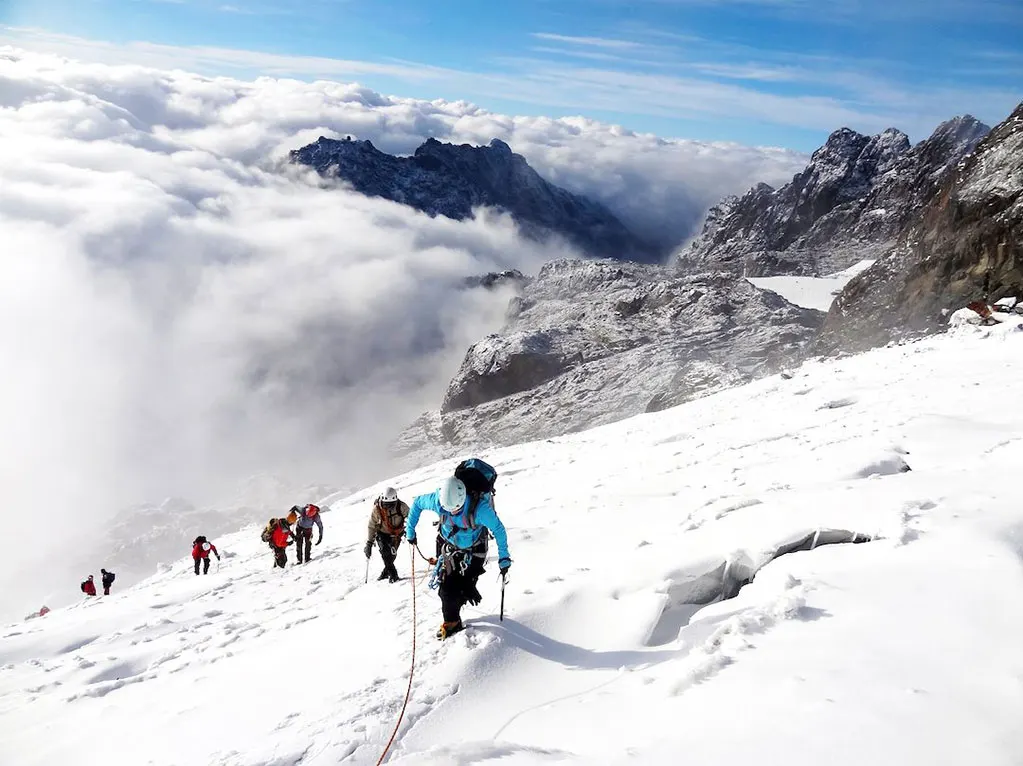
Mount Rwenzori hiking is one of the most extraordinary mountain trekking experiences in Africa. Located in western Uganda along the border with the Democratic Republic of Congo, the Rwenzori Mountains rise dramatically above the surrounding landscape and are famous for their glaciers, high-altitude peaks, giant vegetation and spectacular valleys.
Often called the Mountains of the Moon, the Rwenzori range offers a completely different experience from a conventional Uganda wildlife safari.
Instead of open savannahs and game drives, you spend several days walking through tropical forest, bamboo, giant heather, alpine vegetation, bogs, rocky valleys and high mountain terrain.
For experienced hikers, the ultimate objective is Margherita Peak at 5,109 metres, the highest point of Mount Stanley and the highest summit in Uganda.
However, you do not have to climb to 5,109 metres to enjoy the Rwenzori Mountains. Shorter hikes and lower-altitude trekking experiences allow visitors to experience the forests, waterfalls, valleys and mountain scenery without attempting a technical summit.
This guide explains everything you need to know before planning a Rwenzori Mountains hiking adventure in Uganda.
Where Are the Rwenzori Mountains?
The Rwenzori Mountains are located in western Uganda, close to the border with the Democratic Republic of Congo.
The range lies within the broader Albertine Rift landscape and forms one of East Africa’s most distinctive mountain ecosystems.
The main gateway for Rwenzori trekking is Kasese, a town located at the foot of the mountains.
From Kasese, trekkers travel to their selected trailhead before beginning the ascent into Rwenzori Mountains National Park.
The mountains are protected within Rwenzori Mountains National Park, which is managed by the Uganda Wildlife Authority.
Why Are the Rwenzori Mountains Special?
The Rwenzori Mountains are unusual because of their combination of equatorial location and high-altitude alpine environments.
Unlike many famous African mountains that rise from relatively dry landscapes, the Rwenzori receive substantial rainfall and contain dense vegetation, rivers, waterfalls, wetlands, glaciers and high-altitude peaks.
As you climb, the scenery changes dramatically.
You can begin the trek surrounded by tropical forest and eventually reach an environment characterised by giant lobelias, giant heathers, moss-covered rocks, alpine vegetation and snow and ice around the highest peaks.
This dramatic change in ecosystems is one of the main reasons the Rwenzori is considered one of Africa’s most rewarding trekking destinations.
How High Is Mount Rwenzori?
The Rwenzori is a mountain range rather than a single mountain.
It contains several major peaks and massifs, including:
- Mount Stanley
- Mount Speke
- Mount Baker
- Mount Emin
- Mount Gessi
- Mount Luigi di Savoia
The highest point is Margherita Peak on Mount Stanley, at 5,109 metres above sea level.
Margherita Peak is one of Africa’s highest summits and the highest point in Uganda.
For trekkers, reaching the summit is a serious high-altitude mountaineering objective rather than a simple hiking excursion.
What Is Margherita Peak?
Margherita Peak is the highest summit of Mount Stanley and the highest point in Uganda.
It is one of the principal objectives for trekkers visiting the Rwenzori Mountains.
The final ascent involves challenging alpine terrain and glacier conditions. Depending on the route and current conditions, climbers may encounter rock, ice, steep sections and exposed terrain.
UWA has introduced safety improvements on the Margherita route, including a bridge across a glacier crevasse and additional climbing ropes. Conditions in the mountains can nevertheless change, so trekkers should always follow the instructions of their guides and local authorities.
Reaching Margherita Peak is therefore an achievement that requires preparation, appropriate equipment, physical fitness and experienced mountain guides.
Rwenzori Hiking Routes
There are several ways to explore the Rwenzori Mountains.
The route you choose depends on your fitness, available time, preferred scenery and whether your objective is to reach Margherita Peak.
The main routes include the:
- Central Circuit Trail
- Kilembe Trail
- Bukurungu route and other shorter mountain trails
The Central Circuit and Kilembe approaches are particularly important for multi-day mountain trekking, while shorter routes can be used for visitors interested in exploring the lower mountain environment without completing a summit expedition. Uganda’s tourism authorities identify the Central Circuit, Kilembe and shorter routes among the main trekking options in the park.
1. Central Circuit Trail
The Central Circuit Trail is the classic Rwenzori trekking route.
It begins from the Nyakalengija side of the mountains near Kasese and takes trekkers through several of the range’s most spectacular environments.
A typical Margherita expedition on this route takes approximately seven or more days, depending on the itinerary and summit plan. The route passes through areas including Nyabitaba, John Matte, Bujuku, Elena and Kitandara before completing the circuit.
The Central Circuit is particularly attractive because it allows trekkers to experience several different valleys, mountain landscapes and vegetation zones rather than simply following one route up and down.
Highlights of the Central Circuit
- Nyabitaba area
- Nyamwamba and Mubuku landscapes
- Bamboo forest
- Giant heather
- Bujuku Valley
- Lake Bujuku
- Scott Elliott Pass
- Elena Hut
- Kitandara
- Freshfield Pass
- Margherita Peak
- Dramatic views of Mount Speke and Mount Baker
The route is physically demanding but offers one of the most complete introductions to the Rwenzori landscape.
2. Kilembe Trail
The Kilembe Trail, sometimes referred to as the southern approach, begins near Kilembe.
It is known for its dramatic scenery and challenging terrain and provides another route toward the high peaks of the Rwenzori.
The trail passes through different vegetation zones and high-altitude environments before reaching the summit areas.
One of the advantages of the Kilembe approach is the changing scenery and sense of wilderness experienced along the route.
A full Kilembe expedition to Margherita Peak generally requires around a week or more depending on the itinerary and weather conditions.
3. Shorter Rwenzori Hikes
You do not have to commit to a week-long summit expedition to experience the Rwenzori Mountains.
Shorter hikes can explore the lower slopes, forests, valleys and foothills.
These are suitable for travellers who:
- Have limited time
- Do not want to climb to extreme altitude
- Want a mountain experience alongside a Uganda safari
- Enjoy nature walks and photography
- Want to experience Rwenzori vegetation
- Are not preparing for a summit attempt
This makes the Rwenzori suitable for a wider range of travellers than many people initially realise.
Rwenzori Vegetation Zones
One of the highlights of hiking Mount Rwenzori is watching the vegetation change as you gain altitude.
The mountain passes through several ecological zones.
Montane Forest
The lower slopes are characterised by lush montane forest.
The environment can be humid and densely vegetated, with tall trees, ferns, mosses and numerous forest plants.
Birds and primates may also be encountered in the lower forest.
Bamboo Zone
As you climb higher, the forest gradually changes into bamboo vegetation.
The trail becomes increasingly mountainous, and the environment can be wet and misty.
Heather Zone
Higher elevations bring dramatic giant heather vegetation.
These unusual plants can become covered with moss, creating an almost otherworldly landscape.
This is one of the photographic highlights of a Rwenzori trek.
Afro-Alpine Zone
At higher elevations, the vegetation becomes increasingly specialised.
Giant lobelias, groundsels and other high-altitude plants create landscapes unlike those found on most African mountains.
The contrast between the vegetation and the surrounding rock and snow makes the upper Rwenzori particularly spectacular.
Glacial and Alpine Zone
Near the highest peaks, vegetation becomes sparse and the environment is dominated by rock, ice and snow.
This is the most demanding part of a Margherita Peak expedition.
How Difficult Is Mount Rwenzori Hiking?
A Rwenzori trek should not be underestimated.
Even trekkers who are accustomed to hiking should prepare carefully because the mountain combines several challenges:
- Long hiking days
- Steep ascents and descents
- Mud and boggy terrain
- Rain
- Cold temperatures at high altitude
- High-altitude exposure
- Uneven rocks
- Limited oxygen at higher elevations
- Glacier and technical terrain near the summit
The difficulty also depends on the route and whether you are attempting Margherita Peak.
A lower-altitude forest hike is significantly easier than a multi-day summit expedition.
Is Rwenzori Suitable for Beginners?
Yes, but it depends on what you mean by “hiking the Rwenzori.”
A beginner with reasonable fitness may be able to undertake a shorter lower-altitude Rwenzori hike with an appropriate itinerary.
A beginner should not assume that reaching Margherita Peak is comparable to an ordinary day hike.
For a summit expedition, preparation is essential.
If you have limited mountain experience, discuss your fitness and previous hiking experience with your trekking operator before booking.
How Many Days Do You Need to Hike Rwenzori?
The answer depends on your objective.
Short Rwenzori hike
A few days can be sufficient for exploring lower elevations and experiencing the mountain environment.
Margherita Peak expedition
A summit attempt generally requires a multi-day expedition. Established itineraries commonly take around seven to nine days, depending on the route, acclimatisation plan and trekking company.
Extended Rwenzori expedition
Experienced trekkers can spend longer in the mountains and combine multiple peaks or routes.
For most visitors attempting their first Margherita summit, allowing adequate time for acclimatisation is more important than choosing the shortest possible itinerary.
Margherita Peak Summit Day
Summit day is usually the most demanding day of the expedition.
Trekkers leave camp early and begin the final ascent toward the summit.
The conditions can be cold, windy and physically demanding.
At this altitude, your pace becomes slower and every step requires more effort.
Depending on the route and current mountain conditions, the summit section may involve climbing equipment, ropes and glacier travel.
The exact route and equipment requirements should be confirmed with your trekking operator before departure because high-altitude and glacier conditions can change.
Reaching the summit provides spectacular views across the surrounding peaks and valleys when visibility is good.
However, the mountain is unpredictable, and summit success cannot be guaranteed.
Altitude and Acclimatisation on Mount Rwenzori
Altitude is one of the most important considerations when hiking the Rwenzori.
At 5,109 metres, Margherita Peak is high enough for altitude-related illness to become a serious concern.
A good itinerary should allow your body time to adapt to increasing elevation.
Common principles include:
- Ascending gradually
- Maintaining a controlled pace
- Drinking enough water
- Eating regularly
- Getting adequate sleep
- Communicating symptoms early
- Following your guide’s instructions
Symptoms such as severe headache, unusual breathlessness, confusion, loss of coordination or significant deterioration should never be ignored.
Your guide should be informed immediately if you feel seriously unwell.
Best Time to Hike Mount Rwenzori
The Rwenzori Mountains can be trekked throughout much of the year, but weather conditions are an important factor.
The mountain receives significant rainfall, and conditions can change quickly.
For trekkers, relatively drier periods can make trails more manageable, but there is no guarantee of dry weather in the Rwenzori.
Even during traditionally drier periods, you should prepare for rain, mud and cold conditions.
The advantage of hiking outside the busiest periods can include fewer trekkers and a quieter experience, although trail conditions may be wetter.
The best time ultimately depends on your priorities, availability and tolerance for changing mountain weather.
What Is the Weather Like on Mount Rwenzori?
Rwenzori weather is highly variable.
The lower slopes can be warm and humid while the upper mountain can be extremely cold.
Rain can occur unexpectedly, and mist can reduce visibility.
At higher elevations, temperatures can fall significantly, particularly at night.
This is why clothing systems are more useful than relying on one heavy jacket.
You should be prepared for:
- Warm temperatures at lower elevations
- Rain
- High humidity
- Cold nights
- Strong winds
- Freezing conditions near the summit
What to Pack for Rwenzori Hiking
Proper equipment can make a major difference to your experience.
A typical packing list includes:
Clothing
- Waterproof hiking jacket
- Waterproof trousers
- Thermal base layers
- Fleece or warm mid-layer
- Insulated jacket
- Hiking trousers
- Warm hat
- Gloves
- Extra socks
- Comfortable trekking clothes
Footwear
- Strong waterproof hiking boots
- Camp shoes
- Spare laces
Equipment
- Headlamp
- Trekking poles
- Sleeping bag suitable for cold mountain temperatures
- Backpack
- Waterproof backpack cover
- Dry bags
- Water bottles or hydration system
- Sunglasses
- Sunscreen
- Personal first-aid supplies
Photography
If photography is important to you, bring:
- Camera
- Spare batteries
- Memory cards
- Lens cloth
- Waterproof camera protection
Remember that weight matters on a multi-day trek. Take what you genuinely need rather than carrying unnecessary equipment.
Do You Need a Guide and Porters?
For a serious Rwenzori expedition, professional guiding and support are essential.
Experienced guides understand the terrain, weather, camps, mountain hazards and route conditions.
Porters can also carry part of your luggage, making the trek more manageable.
Using local guides and porters also helps ensure that tourism revenue reaches communities around the mountain.
The Rwenzori trekking system provides employment for local people, including guides, cooks and porters.
If you use porters, treat them fairly and follow your operator’s guidance on appropriate payments and luggage weight.
Wildlife and Birds of the Rwenzori
A Rwenzori trek is primarily a mountain experience, but the lower forests also support wildlife.
Possible sightings include:
- Monkeys
- Forest antelope
- Rwenzori chameleons
- Various forest birds
- Butterflies
- Small mammals
The Rwenzori is also important for birdwatching.
Bird species associated with the region include:
- Rwenzori Turaco
- Rwenzori Batis
- Handsome Francolin
- Kivu Ground Thrush
- Blue-headed Sunbird
- Regal Sunbird
- Shelley’s Crimsonwing
- Red-throated Alethe
- Barred Long-tailed Cuckoo
Bird sightings are never guaranteed, but birders who spend time in the forest can encounter an impressive variety of species.
Photography on a Rwenzori Trek
The Rwenzori Mountains are an outstanding destination for landscape photography.
Some of the best subjects include:
- Mist-covered forests
- Giant heather
- Giant lobelias
- Mountain valleys
- Alpine lakes
- Waterfalls
- Rocky peaks
- Glaciers
- Sunrise and sunset
- Local trekking communities
- Mountain wildlife
Weather can change quickly, so waterproof protection for cameras and other electronics is essential.
Is Rwenzori Hiking Safe?
Mountain trekking always involves risks, particularly at high altitude.
However, proper planning, experienced guides, suitable equipment and careful route management can reduce many of these risks.
The most important principles are:
- Use an experienced trekking operator.
- Follow your guide’s instructions.
- Do not rush the ascent.
- Take altitude symptoms seriously.
- Carry suitable rain and cold-weather gear.
- Follow current information about route conditions.
- Do not attempt technical sections without the required equipment and expertise.
UWA has specifically implemented safety improvements on the Margherita route, but trekkers should still recognise that this is a demanding high-altitude environment.
How Much Does It Cost to Hike the Rwenzori?
The cost of a Rwenzori trek varies according to several factors.
These include:
- Number of trekking days
- Route
- Whether you summit Margherita Peak
- Number of trekkers
- Accommodation before and after the trek
- Guide and porter services
- Equipment rental
- Park and route fees
- Transport
- Meals
- Additional Uganda safari activities
For this reason, there is no single price that applies to every Rwenzori expedition.
When comparing quotes, do not look only at the headline price.
Check whether the quotation includes:
- Park fees
- Trekking fees
- Guides
- Porters
- Meals
- Accommodation on the mountain
- Transport to and from the trailhead
- Safety equipment
- Pre- and post-trek accommodation
A cheap quote can become expensive if important services are excluded.
How to Get to the Rwenzori Mountains
The main gateway to the Rwenzori is Kasese in western Uganda.
Travellers can reach the region by road from other parts of Uganda.
For an international traveller, the Rwenzori can be incorporated into a wider western Uganda itinerary.
For example:
Entebbe → Queen Elizabeth National Park → Rwenzori Mountains → Kibale → Entebbe
or:
Entebbe → Rwenzori Mountains → Queen Elizabeth National Park → Bwindi → Lake Mburo → Entebbe
This allows you to combine mountain trekking with Uganda’s famous wildlife and primate experiences.
Where to Stay Before and After a Rwenzori Trek
Most serious Rwenzori expeditions involve spending time around Kasese or the selected trailhead before entering the mountains.
After several days of trekking, a comfortable night in the lowlands is also useful before continuing with your Uganda safari.
Accommodation can range from simple guesthouses to comfortable safari lodges.
If you are combining the Rwenzori with Queen Elizabeth National Park, you can continue directly into a wildlife safari after completing the mountain trek.
Can You Combine Rwenzori Hiking With a Uganda Safari?
Absolutely.
This is one of the best ways to experience western Uganda.
A combined itinerary could include:
Rwenzori + Queen Elizabeth
Hike the mountains and then relax with game drives and a Kazinga Channel boat cruise.
Rwenzori + Kibale
Combine mountain trekking with chimpanzee trekking and Bigodi Wetland.
Rwenzori + Bwindi
Combine high-altitude hiking with mountain gorilla trekking.
Rwenzori + Queen Elizabeth + Bwindi
This creates a broader western Uganda adventure combining mountains, savannah wildlife and gorillas.
For travellers visiting Uganda for the first time, this combination provides a much deeper experience of the country.
Rwenzori Hiking vs Mount Kilimanjaro
Travellers sometimes compare the Rwenzori with Mount Kilimanjaro.
Both are exceptional African mountain experiences, but they are very different.
Rwenzori:
- More remote and wilderness-oriented
- Wetter
- Dense forests
- Extensive bogs and vegetation
- Technical summit sections
- Glaciers and alpine environments
- Fewer trekkers on many routes
Kilimanjaro:
- Higher summit
- More established trekking infrastructure
- Different ecological zones
- More heavily visited
- Standardised summit routes
If you are looking for a less conventional African mountain adventure with dramatic vegetation and challenging terrain, Rwenzori is an excellent choice.
Who Should Hike Mount Rwenzori?
Rwenzori hiking is particularly suitable for:
- Experienced hikers
- Adventure travellers
- Mountain enthusiasts
- Landscape photographers
- Birdwatchers
- Nature lovers
- Travellers seeking an off-the-beaten-path Uganda experience
- Visitors wanting to climb one of Africa’s highest mountains
Shorter routes can also work for travellers who want a mountain experience without attempting Margherita Peak.
Who Should Not Attempt a Margherita Peak Trek?
A Margherita expedition requires commitment.
It may not be appropriate for someone who:
- Has no interest in long-distance hiking
- Is not physically prepared
- Is uncomfortable with cold and wet conditions
- Has no tolerance for several days of basic mountain conditions
- Expects a conventional sightseeing holiday
- Is unwilling to follow mountain safety instructions
If you are uncertain about your fitness or ability, speak to your doctor and trekking operator before committing to a high-altitude expedition.
Responsible Tourism in the Rwenzori
The Rwenzori Mountains are not simply a tourist attraction.
They are an important ecosystem and a source of livelihoods for communities around the mountain.
Responsible travellers should:
- Follow designated trails
- Avoid littering
- Carry waste out where required
- Avoid damaging vegetation
- Respect local communities
- Use local guides and porters
- Follow wildlife and park regulations
- Avoid removing plants, rocks or other natural materials
Supporting local trekking services also helps tourism contribute to communities surrounding the mountain.
Frequently Asked Questions About Mount Rwenzori Hiking
How high is Margherita Peak?
Margherita Peak stands at 5,109 metres above sea level and is the highest point of Mount Stanley and Uganda.
How many days does it take to climb Mount Rwenzori?
A full Margherita Peak expedition normally takes around seven to nine days or longer depending on the route and itinerary. Shorter hikes are available for visitors who do not want to summit.
Is Mount Rwenzori harder than Kilimanjaro?
They are difficult in different ways. Rwenzori is known for wet terrain, bogs, steep sections, changing weather and technical high-altitude terrain, while Kilimanjaro has a different route and trekking profile.
Can beginners hike the Rwenzori?
Beginners with good fitness can consider shorter lower-altitude hikes. A Margherita Peak expedition, however, requires much greater preparation.
What is the best month to hike Rwenzori?
The mountain can be trekked at different times of the year. Relatively drier periods can provide better trail conditions, but rain and rapidly changing weather should always be expected.
Do I need a guide to hike Mount Rwenzori?
For organised multi-day Rwenzori trekking, you should use an established trekking operator with experienced guides and appropriate mountain support.
Can I hike Rwenzori without climbing Margherita Peak?
Yes. Shorter hiking experiences allow visitors to explore the forests, valleys and lower mountain ecosystems without attempting the 5,109-metre summit.
Can I combine Rwenzori hiking with gorilla trekking?
Yes. A Rwenzori and gorilla trekking itinerary can combine mountain hiking with Bwindi or Mgahinga, depending on your available time and route.
Is there snow on Mount Rwenzori?
Yes. The highest parts of the range contain glaciers and snow/ice, although the extent of the glaciers has changed significantly over time.
Where does Rwenzori trekking start?
The main gateway is Kasese, with different trekking routes beginning from different trailheads around the mountain.
Plan Your Mount Rwenzori Hiking Adventure With Epic Uganda Vacation
The Rwenzori Mountains offer one of Uganda’s most rewarding adventure experiences.
From the lush forests at the foot of the mountains to the giant heathers, alpine valleys, glaciers and the summit of Margherita Peak, the journey is about much more than reaching the top.
It is about experiencing one of Africa’s most extraordinary mountain ecosystems.
At Epic Uganda Vacation, we can help you organise a Rwenzori hiking adventure based on your fitness, available time and trekking goals.
Whether you want a shorter mountain hike, a challenging Margherita Peak expedition, or a longer Uganda adventure combining the Rwenzori with Queen Elizabeth National Park, Kibale Forest and Bwindi, we can tailor the itinerary around your interests.
Ready to explore the Mountains of the Moon? Contact Epic Uganda Vacation to start planning your Rwenzori Mountains hiking adventure in Uganda.
[…] Margherita Peak expedition normally requires several days on the mountain, allowing time for acclimatisation and […]