Call: +256 702 595 926 | Email: info@bookgorillatracking.com

Kibale Chimpanzee Habituation: Cost, Permits & Guide


Kibale Forest Chimpanzee Habituation Experience: Cost, Activities and Travel Guide
Kibale Forest National Park is one of the best destinations in Uganda for observing wild chimpanzees and exploring the country’s rich tropical rainforest. Located in western Uganda, near Fort Portal, the park is internationally recognised for its primate diversity and offers visitors two outstanding experiences: chimpanzee tracking and the chimpanzee habituation experience.
Covering approximately 766 square kilometres, Kibale National Park protects a diverse forest ecosystem that supports 13 recorded primate species, including chimpanzees, red colobus monkeys, L’Hoest’s monkeys and black-and-white colobus monkeys. Its varied habitats also support forest birds, butterflies, elephants and other wildlife.
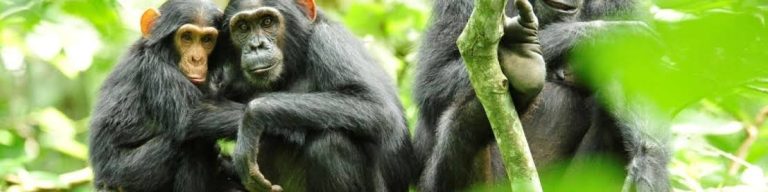
For travellers seeking a deeper understanding of chimpanzee behaviour, the Kibale Forest chimpanzee habituation experience provides an opportunity to spend an extended period observing chimpanzees alongside trained guides and researchers, subject to the authorised activity arrangements.
Unlike standard chimpanzee tracking, which typically allows visitors up to one hour with the chimpanzees, habituation offers a longer observation period. It is an excellent option for wildlife enthusiasts, photographers and travellers interested in primate conservation.
Where Is Kibale Forest National Park Located?
Kibale Forest National Park lies in western Uganda, approximately 26 kilometres southeast of Fort Portal, depending on the route and starting point. The park is also accessible as part of a safari connecting Queen Elizabeth National Park with other destinations in western Uganda.
The journey from Kampala takes several hours by road, making Kibale a popular stop on multi-day Uganda safaris.
The park’s tropical rainforest, forest edges and adjoining wetlands create habitats for numerous primates and bird species. Its proximity to Queen Elizabeth National Park also makes it convenient to combine chimpanzee experiences with classic African wildlife viewing.
A typical itinerary can include:
- Kibale Forest National Park for chimpanzee tracking or habituation.
- Bigodi Wetland Sanctuary for guided nature walks and birdwatching.
- Queen Elizabeth National Park for game drives and a boat cruise along the Kazinga Channel.
- Bwindi Impenetrable National Park for mountain gorilla trekking.
Wildlife in Kibale Forest National Park
Kibale is particularly famous for its primate diversity. Chimpanzees are the main attraction, but the forest also supports numerous other primates and a variety of forest wildlife.
Primates of Kibale Forest
Visitors may encounter the following species during guided forest excursions:
- Chimpanzees
- Red colobus monkeys
- Black-and-white colobus monkeys
- L’Hoest’s monkeys
- Blue monkeys
- Red-tailed monkeys
- Olive baboons
- Grey-cheeked mangabeys
- Bush babies
- Pottos
Sightings vary according to the route, time of day and movement of the animals.
Beyond primates, Kibale supports forest elephants, duikers, bush pigs, numerous butterflies, amphibians and reptiles. Leopards also occur in the wider forest ecosystem but are rarely seen.
The park is an excellent destination for travellers interested in learning about the relationships between forest wildlife, vegetation and conservation.
What Is the Chimpanzee Habituation Experience in Kibale?
Chimpanzee habituation is the process through which wild chimpanzees gradually become accustomed to the presence of human observers. It involves repeated observation by trained researchers and field teams over an extended period.
In Kibale National Park, visitors can participate in an authorised chimpanzee habituation experience, which provides more time for observing chimpanzees than standard tracking.
The experience is led by trained personnel who help visitors understand chimpanzee behaviour, social interactions, feeding habits and movement through the forest.
During the excursion, you may observe chimpanzees feeding, grooming, resting, communicating, caring for their young or moving through the forest. What you see depends on the chimpanzees’ natural behaviour on the day.
Habituation is a long-term conservation and research process that can take years. A tourist visit is an opportunity to observe part of this work, rather than a process in which visitors personally train chimpanzees.
What Happens During a Chimpanzee Habituation Experience?
The experience generally begins early in the morning, when visitors meet their guides for a briefing about the activity, forest conditions and wildlife safety rules.
After the briefing, participants enter the forest with authorised personnel to locate and observe the chimpanzees.
During the excursion, you may:
- Observe chimpanzees as they move through their forest habitat.
- Learn about their social structures and communication.
- Watch feeding, grooming and other natural behaviours.
- Understand how researchers monitor chimpanzee communities.
- Encounter other primates and forest wildlife.
- Learn about threats to chimpanzees and ongoing conservation work.
The exact departure time, group size and schedule should be confirmed when booking. Although habituation is traditionally described as a full-day experience, the current Uganda Wildlife Authority tariff specifies a maximum of four hours with the chimpanzees. Confirm the applicable arrangements for your visit.
Chimpanzee sightings and behaviour cannot be guaranteed. Visitors must maintain the required distance, follow the guide’s instructions and comply with all wildlife health regulations.
Chimpanzee Habituation vs Chimpanzee Tracking in Kibale
Both experiences offer opportunities to observe wild chimpanzees, but they differ in duration and focus.
| Feature | Chimpanzee tracking | Chimpanzee habituation |
|---|---|---|
| Main objective | Find and observe an established habituated chimpanzee community | Observe chimpanzees in the context of a longer habituation experience |
| Time with chimpanzees | Up to one hour | Up to four hours under the current published tariff |
| Overall duration | Depends on the trek and the location of the chimpanzees | Usually requires a longer excursion |
| Experience | Wildlife viewing and learning about chimpanzees | Extended observation and a deeper look at chimpanzee behaviour |
| Best suited for | First-time visitors and general safari travellers | Primates enthusiasts, photographers and travellers seeking extended observation |
| Permit | Required | Required; a separate permit category applies |
The best option depends on your interests, budget and available time. Standard tracking is an excellent introduction to chimpanzees, while habituation is attractive to visitors who want a longer and more immersive experience.
How Much Does the Kibale Chimpanzee Habituation Permit Cost?
Chimpanzee habituation permits are issued under the applicable Uganda Wildlife Authority tariff. Prices depend on the visitor category and may change when new conservation tariffs take effect.
The Uganda Wildlife Authority’s published 2026–2028 tariff lists the following rates for Kibale National Park:
| Visitor category | Permit price |
|---|---|
| Foreign non-resident | US$400 |
| Foreign resident | US$350 |
| Rest of Africa | US$300 |
| East African citizen | UGX 250,000 |
The published tariff states that the habituation fee includes the guide fee and park entrance fees, with up to four hours with the chimpanzees. <Cite refs={[“turn706782view1”]}/>
These rates replace the older figures of US$220, US$150 and US$70 quoted in some older online articles. Always confirm the applicable rate and availability with the Uganda Wildlife Authority or your tour operator before making payment.
Booking advice: Chimpanzee habituation permits are limited by the available programme and visitor arrangements. Book ahead, particularly if your Uganda safari has fixed dates or includes other permit-dependent activities.
Best Time for Chimpanzee Habituation in Kibale Forest
Kibale National Park can be visited throughout the year for chimpanzee experiences. The best time depends on your preferences, trail conditions and broader safari itinerary.
Rainy seasons
The wetter periods can be rewarding for chimpanzee viewing because food availability may influence where chimpanzees forage. However, forest trails can become muddy and slippery, making walking more challenging.
Drier seasons
The relatively drier periods are often preferred by travellers who want more manageable walking conditions. Chimpanzees can range widely in search of food, however, so the duration and difficulty of locating them may vary.
Rather than choosing dates solely based on the weather, consider your overall itinerary, the availability of permits and the amount of time you can spend in Kibale.
For current advice, consult the Uganda Wildlife Authority’s chimpanzee habituation information.
Other Activities in Kibale Forest National Park
Although chimpanzees are the park’s main attraction, Kibale offers other experiences that make an overnight or multi-day visit worthwhile.
1. Guided Nature Walks
Guided walks introduce visitors to the forest’s vegetation, insects, birds and smaller wildlife. Experienced guides explain the ecological importance of the rainforest and the relationships between its different species.
These walks are suitable for travellers who want to explore the forest at a more relaxed pace.
2. Bigodi Wetland Sanctuary
Bigodi Wetland Sanctuary, located outside the national park near the Kibale area, is a popular destination for guided nature walks and birdwatching.
Its wetland and woodland habitats support several primate species and a variety of birds. Visitors may encounter monkeys, butterflies and other wildlife while learning about community-led conservation and local livelihoods.
Bigodi is an excellent addition to a Kibale itinerary, especially for travellers interested in birds, primates and community tourism.
3. Birdwatching
Kibale’s forest habitats support an impressive variety of birds, making the park an attractive destination for birdwatchers.
With a knowledgeable guide, visitors can search for forest species and learn to identify birds by their calls, plumage and behaviour. Birdwatching can be combined with chimpanzee tracking, habituation or a dedicated birding excursion.
4. Nocturnal Forest Walks
Where authorised night walks are available, visitors can explore the forest after dark with trained guides.
These excursions focus on nocturnal wildlife and may offer opportunities to look for bush babies, pottos and other animals active at night. Sightings depend on conditions, and all activities must follow park regulations.
5. Butterfly and Forest Photography
Kibale’s dense vegetation, forest light and rich insect life provide opportunities for nature photography.
Visitors can photograph forest landscapes, butterflies, birds and other wildlife while learning about the ecosystem. Photographing chimpanzees requires patience, appropriate equipment and respect for the animals’ space.
Where to Stay for Chimpanzee Habituation in Kibale
Choosing accommodation near the appropriate park access point can make an early-morning chimpanzee excursion more convenient.
Accommodation around Kibale ranges from budget guesthouses to comfortable mid-range lodges and luxury safari retreats. Some travellers choose to stay near the park headquarters, while others prefer properties around Bigodi or in the wider Fort Portal area.
When selecting a lodge, consider:
- Distance from the chimpanzee briefing point.
- Whether meals are available before an early departure.
- Road conditions and transfer arrangements.
- Your preferred comfort level and budget.
- Whether you also plan to visit Bigodi Wetland Sanctuary or Queen Elizabeth National Park.
For the best experience, confirm your activity’s meeting point before choosing accommodation.
Sample Kibale Chimpanzee Safari Itinerary
A short stay can be arranged around chimpanzee tracking or habituation, while a longer safari allows more time to explore the forest and nearby attractions.
Day 1: Transfer to Kibale Forest National Park
Travel to western Uganda and check into your lodge near Kibale. Depending on your arrival time, you may have the opportunity to visit Bigodi Wetland Sanctuary for a guided nature walk.
Day 2: Chimpanzee Habituation Experience
Take part in your pre-booked habituation experience, following the instructions of authorised guides. Return to your lodge after the activity and relax.
Day 3: Continue to Queen Elizabeth National Park
Travel to Queen Elizabeth National Park for wildlife viewing. Depending on your itinerary, you may enjoy a game drive or a boat cruise along the Kazinga Channel.
This itinerary can be adjusted to include birdwatching, additional forest walks or mountain gorilla trekking in Bwindi Impenetrable National Park.
Frequently Asked Questions About Kibale Chimpanzee Habituation
1. How long does chimpanzee habituation take in Kibale?
The habituation experience allows up to four hours with the chimpanzees under the current published tariff. The complete excursion may take longer, including the briefing, walking and locating the animals.
2. Is chimpanzee habituation better than tracking?
Neither activity is universally better. Habituation offers a longer observation period, while standard tracking is generally shorter and may suit travellers with limited time or a tighter budget.
3. How much is a chimpanzee habituation permit in Kibale?
The published Uganda Wildlife Authority 2026–2028 tariff lists US$400 for foreign non-residents, US$350 for foreign residents, US$300 for visitors from the rest of Africa and UGX 250,000 for East African citizens. Confirm the rate applicable to your travel dates before booking.
4. Can I see other primates during the habituation experience?
Yes. Kibale supports several primate species, and visitors may encounter monkeys or other wildlife during the forest excursion. Sightings depend on the route, time and animal movements.
5. What should I wear for chimpanzee habituation?
Wear comfortable hiking boots or sturdy walking shoes, long trousers and lightweight clothing suitable for humid forest conditions. Carry drinking water, insect repellent and rain protection, and follow your guide’s instructions.
6. Can I combine chimpanzee habituation with gorilla trekking?
Yes. Many travellers combine Kibale National Park with Bwindi Impenetrable National Park for chimpanzee and mountain gorilla experiences. Allow sufficient time for road transfers and book both permits in advance.
Plan Your Kibale Chimpanzee Safari with Raptors Africa safaris
Kibale Forest National Park is an exceptional destination for travellers who want to discover Uganda’s primates and explore one of its most diverse tropical forests. Whether you choose chimpanzee tracking or the longer habituation experience, a guided visit offers insight into chimpanzee behaviour and the importance of protecting their natural habitat.
At Raptors Africa Safaris we help travellers plan tailor-made Uganda safaris that combine Kibale Forest, Bigodi Wetland Sanctuary, Queen Elizabeth National Park, Bwindi Impenetrable National Park and other destinations.
We can help you arrange permits, suitable accommodation, private transport and a safari itinerary that matches your interests, travel dates and budget.
Contact Raptors africa safaris to plan your Kibale chimpanzee habituation experience and explore Uganda’s remarkable primate destinations.
[…] can combine an Entebbe visit with a journey to Kibale for chimpanzee tracking, chimpanzee habituation experiences, nature walks and […]