Call: +256 702 595 926 | Email: info@bookgorillatracking.com

Bitukura Gorilla Family: History and Trekking Guide
Bitukura family in Ruhija gorilla sector
- Uniqueness of Bitukura gorilla family.
- Family history of the Bitukura group.
-Composition of Bitukura gorilla family.
- Membership of the Bitukura gorilla family.
- Trekking Bitukura gorilla family.

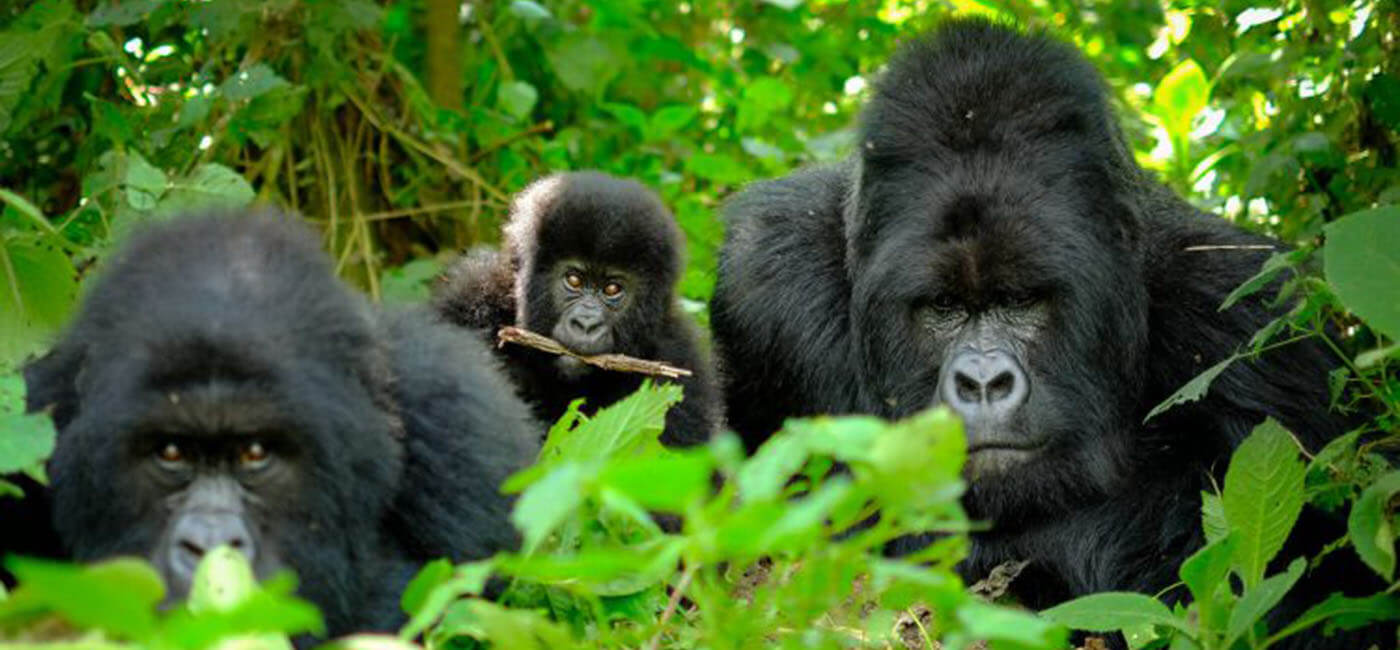
Bitukura Gorilla Family in Uganda: History, Members and Trekking Guide
The Bitukura Gorilla Family is one of the mountain gorilla families associated with the Ruhija sector of Bwindi Impenetrable National Park in southwestern Uganda. Known for its interesting social history and relatively short habituation period, Bitukura is a fascinating group for travelers interested in observing endangered mountain gorillas in their natural rainforest habitat.
Bwindi is one of Africa’s most important mountain gorilla conservation areas, protecting a remarkable range of wildlife within its ancient forest. For visitors planning a Uganda gorilla trekking safari, the Ruhija sector offers opportunities to explore the forest with experienced guides and trackers while learning about mountain gorilla behaviour and conservation.
In this guide, Raptors Africa Safaris explains the history of the Bitukura Gorilla Family, its distinctive characteristics, family composition, trekking experience, permit arrangements, and practical tips for visiting Bwindi.
Where Is the Bitukura Gorilla Family Found?
The Bitukura Gorilla Family is associated with Ruhija, one of the four main gorilla trekking sectors of Bwindi Impenetrable National Park. Ruhija lies in the eastern part of the park and is known for its mountainous terrain, forest scenery, and excellent birdwatching opportunities.
The park is located in southwestern Uganda, near the border with the Democratic Republic of the Congo. Its high-altitude rainforest supports endangered mountain gorillas and many other species, including forest birds, monkeys, and small mammals.
Gorillas move through the forest to feed, rest, and interact with other members of their group. Consequently, the location of the Bitukura family changes from day to day, and visitors should expect a guided forest trek rather than a visit to a fixed viewing point.
History of the Bitukura Gorilla Family
How Did the Bitukura Family Get Its Name?
The Bitukura Gorilla Family takes its name from the Bitukura River in Bwindi. The group became known to researchers and park trackers through their monitoring of mountain gorillas in the forest.
The family has a particularly interesting connection to the habituation process, which helps prepare wild gorillas for carefully regulated tourism.
A Relatively Short Habituation Period
Habituation of the Bitukura group began in 2007, and the family was reportedly ready for tourism after approximately 15 months. This was shorter than the roughly two years or more that habituation can take for some gorilla groups.
One explanation offered in accounts of the family’s history is that some of its members had previously experienced human presence while associated with the Kyaguliro group. Prior exposure may have contributed to their comparatively quick adjustment.
Habituation is not a uniform process, however. Each gorilla family responds differently, and the time needed depends on the animals’ behaviour, social structure, and circumstances. A shorter habituation period does not mean that the gorillas are domesticated or incapable of unpredictable behaviour.
What Makes the Bitukura Gorilla Family Unique?
1. Its Habituation History
The group’s relatively short habituation period is one of its best-known features. It provides an example of how prior exposure and group dynamics may influence the process of preparing mountain gorillas for tourism.
2. A Social Group With Multiple Males
Mountain gorilla families are often organised around a dominant silverback, but more than one mature male may live within a group. Bitukura has been noted for its multi-male social structure.
Such arrangements can be interesting for researchers studying gorilla relationships, dominance, cooperation, and group stability. The number and identities of adult males may change over time, so older accounts should not be treated as a definitive description of the current group.
3. Playful Young Gorillas
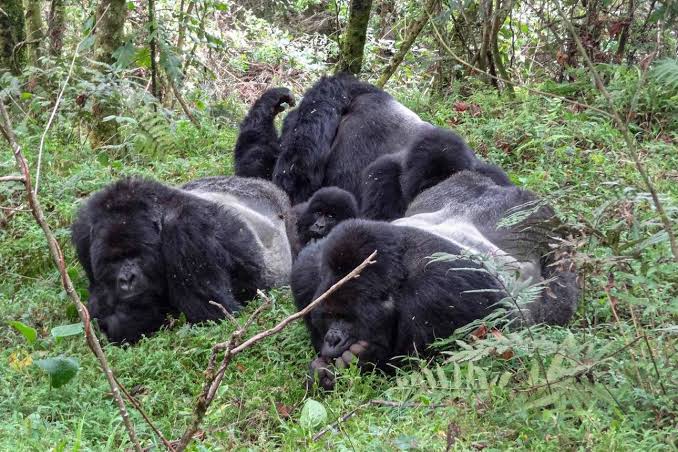
Juvenile gorillas often play, chase one another, climb, and interact with other family members. These behaviours can be fascinating to observe during a trek.
However, wildlife encounters are never scripted. The gorillas may be active, resting, feeding, or partly hidden by vegetation when visitors find them.
4. A Forest Habitat Rich in Biodiversity
The Ruhija sector offers a rewarding rainforest experience beyond gorilla viewing. The trek can take visitors through dense vegetation and uneven mountain terrain, with opportunities to appreciate the ecology of Bwindi.
Ruhija is also well known among birdwatchers, making it a suitable area to consider for a broader nature-focused safari.
Composition of the Bitukura Gorilla Family
Older tourism accounts have described Bitukura as a group of around 13 individuals, with a mix of silverbacks, adult males, blackbacks, females, juveniles, and infants. That figure should be treated as a historical report rather than a confirmed current count.
Mountain gorilla family membership changes through births, deaths, transfers between groups, and other social developments. A current roster should therefore be checked with park authorities or a reliable conservation source before publication.
A mountain gorilla family may include:
- Silverbacks: Mature males involved in leadership, group protection, and social organisation.
- Adult females: Members who play important roles in raising young and maintaining family relationships.
- Blackbacks: Younger males transitioning towards adulthood.
- Subadults and juveniles: Growing gorillas learning social and survival behaviours.
- Infants: Young gorillas dependent on their mothers and other members of the group.
Visitors may not see every member during a trek because the gorillas can spread out while feeding or resting in the forest.
Who Leads the Bitukura Gorilla Family?
The leadership and membership of a gorilla family can change as the animals mature and social relationships develop. Historical descriptions of Bitukura have named silverbacks including Ndahura and Karamuzi, but older sources do not always agree on individual names, spellings, or leadership timelines.
For that reason, current leadership details should be verified against the latest conservation records before being presented as fact. It is better to avoid publishing an outdated list of individual gorillas than to mislead visitors about the group’s current composition.
What remains important is that the family’s social structure offers an opportunity to learn about the complex relationships among mountain gorillas and the way these relationships can evolve over time.
How to Trek the Bitukura Gorilla Family
Gorilla trekking in Ruhija begins with an early-morning briefing at the designated park headquarters. Park staff explain the rules, assign visitors to trekking groups, and provide guidance on safety and gorilla conservation.
Visitors then enter the forest with authorised guides and trackers who work to locate the assigned gorilla family.
The length and difficulty of the trek depend on where the gorillas are found. The walk may involve steep slopes, muddy paths, dense vegetation, and uneven ground. A trek can take several hours, so travelers should prepare for changing conditions.
Once the gorillas are located, visitors are generally allowed up to one hour to observe them, subject to current Uganda Wildlife Authority regulations. During this time, they may see the gorillas feeding, grooming, resting, caring for infants, or interacting with other family members.
Although travelers may express a preference for Bitukura, assignment to a particular family depends on park arrangements and permit availability. Requesting the group does not guarantee that you will be allocated to it.
How Many Visitors Can Trek the Bitukura Gorilla Family?
Under Uganda’s standard gorilla trekking rules, a maximum of eight tourists may visit a habituated gorilla family per day. This limit helps manage visitor pressure and reduce disturbance to the gorillas.
Gorilla trekking permits should be arranged in advance, especially for popular travel periods. The availability of permits for a specific family or sector may change, so travelers should confirm arrangements before making non-refundable bookings.
How Much Does a Bitukura Gorilla Trekking Permit Cost?
There is no separate permit price specifically for the Bitukura Gorilla Family. Visitors need a valid gorilla trekking permit for Bwindi Impenetrable National Park.
The standard published permit rate for an international non-resident has been US$800 per person, but rates, visitor categories, and any applicable promotions may change. Confirm the current price with the UGANDAWILDLIFE.ORG or a LICENSED tour operator before booking.
The permit is only one part of the overall safari budget. Other expenses may include:
- Accommodation near Ruhija.
- Transport to and from Bwindi.
- Meals and drinks.
- Porter services, where available.
- Travel insurance and personal expenses.
- Additional activities or destinations.
Booking through an experienced safari operator can help coordinate permits, accommodation, and transport in one itinerary.
Best Time to Trek the Bitukura Gorilla Family
Gorilla trekking is possible throughout the year, subject to permit availability and park conditions. Many visitors prefer the relatively drier periods because trails may be easier to navigate.
June to September
This is generally part of Uganda’s longer drier period. Hiking conditions may be more manageable, although rain remains possible in Bwindi’s rainforest.
December to February
These months are also often relatively dry and can be suitable for gorilla trekking and other outdoor activities.
March to May and October to November
These periods are generally wetter. Trails can become muddy and slippery, but the forest remains lush and trekking continues when conditions permit.
The best time for your trip depends on your wider itinerary, available permits, accommodation, and comfort with hiking in wet conditions. Gorilla sightings cannot be guaranteed at a particular time or location.
What Should You Pack for Bitukura Gorilla Trekking?
Because Ruhija is a mountainous rainforest environment, suitable clothing and equipment are important.
Recommended items include:
- Sturdy hiking boots with good grip.
- Long trousers and a long-sleeved shirt.
- A waterproof jacket.
- Gardening or hiking gloves for gripping vegetation.
- Drinking water and a small daypack.
- Insect repellent and sunscreen.
- A camera with a zoom lens; flash photography is not permitted.
- Personal medication and essential travel documents.
A walking stick may be available through local arrangements, and hiring a porter can help make the trek easier while providing income for people in surrounding communities.
Where to Stay for Bitukura Gorilla Trekking
Travelers visiting the Bitukura family should consider accommodation in or near the Ruhija sector to reduce the morning transfer to the briefing point.
Accommodation options around Bwindi range from luxury lodges to mid-range properties and budget guesthouses. When choosing a lodge, consider:
- Distance to the Ruhija trekking headquarters.
- Early breakfast availability.
- Transport arrangements.
- Meal plans and packed lunches.
- Your preferred comfort level and budget.
If you plan to combine Ruhija with other areas of Uganda, allow enough time for road transfers between destinations.
Responsible Gorilla Trekking in Bwindi
Mountain gorillas are endangered, and responsible tourism is essential to their protection. Visitors should follow the instructions of park guides and respect all wildlife regulations.
Important rules include:
- Maintain the distance required by park authorities.
- Never touch, feed, chase, or surround gorillas.
- Avoid flash photography.
- Keep voices low and avoid sudden movements.
- Do not leave rubbish in the forest.
- Inform park staff if you are unwell before trekking.
- Follow the guide’s instructions if a gorilla approaches or changes position.
Gorillas remain wild animals, even when habituated to human observers. Their behaviour can be unpredictable, and visitors must never assume that they are tame.
Combine Bitukura Gorilla Trekking With Other Uganda Experiences
A visit to Ruhija can be part of a longer Uganda safari. Depending on your available time, you may combine gorilla trekking with:
- Bwindi Impenetrable National Park: Forest walks, birdwatching, and community experiences.
- Queen Elizabeth National Park: Wildlife viewing and boat trips on the Kazinga Channel.
- Lake Bunyonyi: Scenic lake views, island visits, and relaxation.
- Kibale National Park: Chimpanzee tracking and forest exploration.
- Mgahinga Gorilla National Park: Mountain scenery and guided nature experiences, subject to availability.
Your itinerary should allow sufficient time for road transfers, rest, and the physical demands of forest activities.
Book Your Bitukura Gorilla Trekking Safari With Raptors Africa Safaris
The Bitukura Gorilla Family offers travelers an opportunity to experience mountain gorillas in the beautiful rainforest of Bwindi Impenetrable National Park. Its relatively short habituation history, multi-male social structure, and location in Ruhija make it an interesting subject for wildlife enthusiasts.
Because gorilla family composition and trekking allocations can change, confirm current information and permit availability before booking.
Raptors Africa Safaris can help arrange your Uganda gorilla trekking safari, including permit coordination, accommodation, transport, and additional wildlife or cultural experiences.
Contact Raptors Africa Safaris to plan your Bwindi gorilla trekking adventure and experience Uganda’s mountain gorillas responsibly.
[…] mountain gorilla families associated with gorilla tourism in Bwindi Impenetrable National Park: Bitukura, Oruzogo, Kyaguliro and Mukiza. These groups are found in the eastern part of Bwindi, in […]