Call: +256 702 595 926 | Email: info@bookgorillatracking.com

Sarambwe Nature Reserve: Ultimate 2027 Travel Guide

Sarambwe Nature Reserve: Ultimate 2027 Travel Guide
Sarambwe Nature Reserve is a remarkable yet lesser-known wildlife conservation area situated in eastern Democratic Republic of Congo, along the international border with Uganda. Sharing a continuous forest ecosystem with Bwindi Impenetrable National Park, the reserve provides an important natural habitat for endangered mountain gorillas, eastern chimpanzees, forest monkeys and diverse tropical vegetation, making it an internationally significant destination for great ape conservation.
Although considerably smaller than other protected areas in the Democratic Republic of Congo, Sarambwe plays an important role in protecting Africa’s remaining mountain gorillas. Its connection with Bwindi allows wildlife to move naturally across international boundaries, demonstrating the importance of cooperation between neighbouring countries in protecting endangered species, preserving natural habitats and supporting sustainable livelihoods within surrounding communities.
This comprehensive travel guide explores the reserve’s location, history, mountain gorilla population, wildlife, conservation challenges, accessibility, tourism potential and current travel considerations. For travellers interested in encountering mountain gorillas, it also highlights established alternative gorilla trekking destinations in Uganda and Rwanda, where Raptors Africa Safaris can organise affordable and professionally guided wildlife adventures.
Sarambwe Nature Reserve: Overview and Important Facts
Sarambwe Nature Reserve covers approximately nine square kilometres of protected land in eastern Congo. Despite its relatively small geographical size, the reserve possesses considerable ecological importance because it forms part of the larger Bwindi–Sarambwe ecosystem. Its montane rainforest provides feeding grounds, shelter and natural movement opportunities for several primate species, including endangered mountain gorillas that move between Uganda and the Democratic Republic of Congo.
Unlike conventional African safari destinations characterised by extensive tourism infrastructure, Sarambwe remains primarily a wildlife conservation area. Its international significance is associated with protecting great apes, maintaining forest biodiversity and encouraging transboundary conservation rather than commercial tourism. Travellers researching Congo gorilla trekking should understand that the presence of mountain gorillas does not automatically mean regulated gorilla trekking activities are available.
Sarambwe Nature Reserve facts at a glance
| Feature | Details |
|---|---|
| Official name | Sarambwe Nature Reserve |
| Alternative name | Sarambwe Special Reserve |
| Country | Democratic Republic of Congo |
| Province | North Kivu |
| Region | Eastern Congo |
| Size | Approximately 9 square kilometres |
| Size in hectares | Approximately 900 hectares |
| Recognition as a special reserve | 1998 |
| Neighbouring protected area | Bwindi Impenetrable National Park |
| Ecosystem | Bwindi–Sarambwe ecosystem |
| Main habitat | Tropical montane rainforest |
| Main wildlife attraction | Mountain gorillas |
| Other great apes | Eastern chimpanzees |
| Management authority | Congolese Institute for Nature Conservation (ICCN) |
| Conservation significance | Transboundary mountain gorilla protection |
| Gorilla trekking | No confirmed operational tourist programme |
| Tourism accessibility | Restricted by regional insecurity |
| Recommended alternative | Bwindi Impenetrable National Park |
Where Is Sarambwe Nature Reserve Located?
Sarambwe Nature Reserve is situated in North Kivu Province in eastern Democratic Republic of Congo, immediately adjacent to southwestern Uganda. The reserve shares a natural forest boundary with Bwindi Impenetrable National Park, one of Africa’s most important mountain gorilla conservation destinations. Its geographical location places it within the broader Albertine Rift region, internationally recognised for exceptional biodiversity, mountainous landscapes and numerous endemic wildlife species.
The reserve’s location is particularly important because mountain gorillas do not recognise political boundaries separating Uganda from Congo. Individual gorillas and family groups can move naturally through suitable forest habitats according to food availability, social interactions and environmental conditions. Protecting both sides of this international boundary is therefore essential for maintaining ecological connectivity and supporting the long-term survival of endangered mountain gorillas.
History of Sarambwe Nature Reserve
The Sarambwe hills historically formed part of the Rutshuru Hunting Reserve, established in 1952. Increasing recognition of the area’s ecological significance eventually encouraged more specialised conservation protection, culminating in its recognition as Sarambwe Special Reserve in 1998. This designation helped establish a stronger conservation framework for protecting its tropical forests, endangered primates and important ecological connection with neighbouring Bwindi Impenetrable National Park.
Over subsequent decades, the reserve has experienced numerous conservation challenges associated with agricultural expansion, boundary disagreements, illegal resource extraction and regional insecurity. Conservation authorities and supporting organisations have worked towards protecting the forest through wildlife monitoring, boundary management, community engagement and cooperation between Ugandan and Congolese conservation personnel. These efforts remain important for maintaining the integrity of this relatively small but ecologically valuable protected area.
Interesting Facts About Sarambwe Nature Reserve
Sarambwe is among the smaller protected areas associated with mountain gorilla conservation in Africa, yet its ecological importance extends considerably beyond its geographical boundaries. The reserve provides an example of how smaller forest habitats can contribute to the survival of internationally threatened species when connected to larger protected ecosystems. Its significance becomes particularly evident when examining mountain gorilla behaviour, habitat connectivity and regional conservation cooperation.
– One of Africa’s smallest mountain gorilla habitats: Covering approximately nine square kilometres, Sarambwe is considerably smaller than Bwindi Impenetrable National Park and the major protected areas of the Virunga Mountains. Nevertheless, its forest contributes valuable habitat to the wider mountain gorilla population, demonstrating why conservation importance should not be measured solely according to the geographical size of a protected area.
– Part of a transboundary forest ecosystem: Sarambwe shares a continuous natural habitat with Uganda’s Bwindi Impenetrable National Park. This ecological connection allows mountain gorillas and other wildlife to move between neighbouring countries without encountering artificial barriers throughout much of the forest. Maintaining this connectivity supports animal movement, access to natural resources and the long-term ecological stability of the larger conservation landscape.
– Home to two endangered great apes: The reserve supports mountain gorillas and eastern chimpanzees, alongside several smaller primate species. The presence of both great apes demonstrates the ecological richness of this montane forest ecosystem. Protecting their natural habitat contributes not only to species conservation but also to maintaining the wider biodiversity associated with tropical forest environments in the Albertine Rift.
– An important international conservation area: Sarambwe illustrates the necessity of collaboration between neighbouring countries when protecting wildlife that moves beyond national borders. Cooperation involving wildlife authorities, conservation researchers, local communities and environmental organisations helps address challenges that cannot be effectively managed by one country alone, particularly when endangered species depend on connected habitats extending across international boundaries.
Mountain Gorillas in Sarambwe Nature Reserve
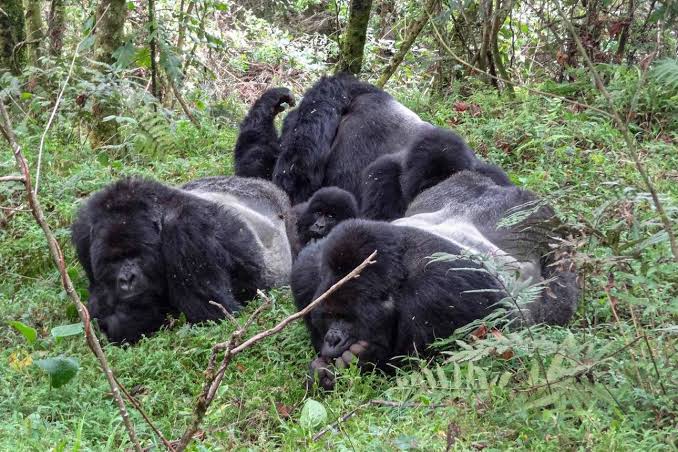
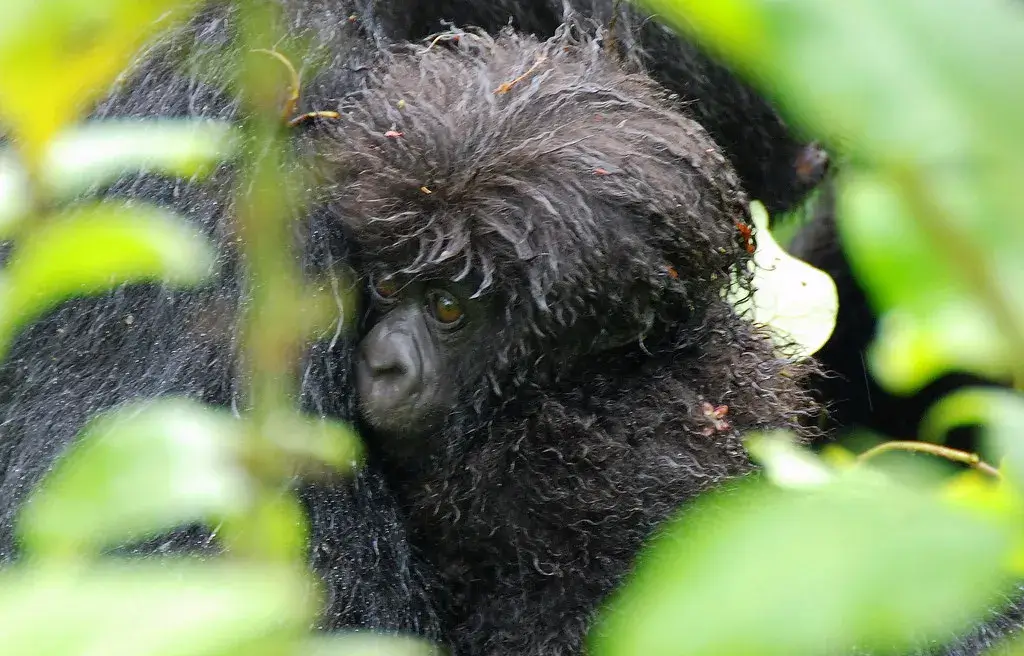
Mountain gorillas are the most internationally recognised wildlife species associated with Sarambwe Nature Reserve. These endangered great apes belong to the eastern gorilla species and occupy specialised forest habitats within Uganda, Rwanda and eastern Democratic Republic of Congo. Mountain gorillas living within the Bwindi–Sarambwe ecosystem form one of the world’s two naturally occurring mountain gorilla populations, making their protection particularly important.
The gorillas inhabiting this ecosystem move through forests while searching for vegetation, suitable resting locations and other resources necessary for survival. Their diet primarily consists of leaves, stems, shoots and other plant materials, although seasonal fruits may also form part of their feeding habits. Healthy and connected forest habitats provide the nutritional resources and environmental conditions necessary to sustain these remarkable great apes.
How Many Mountain Gorillas Live in Sarambwe?
The precise number of mountain gorillas living exclusively within Sarambwe remains difficult to establish because gorillas move naturally between the reserve and neighbouring Bwindi Impenetrable National Park. Conservation researchers therefore study the wider Bwindi–Sarambwe ecosystem rather than treating the reserve as an entirely isolated gorilla habitat. This approach provides a more meaningful understanding of population size, distribution and long-term conservation trends.
The 2018 Bwindi–Sarambwe mountain gorilla census recorded an estimated 459 individuals across the combined forest ecosystem. This historical figure should not be interpreted as the number of gorillas residing permanently inside Sarambwe alone. A new population survey was launched in May 2025, and travellers researching updated mountain gorilla numbers should distinguish announced census findings from historical population estimates.
Historical mountain gorilla population estimates
| Mountain gorilla habitat | Population estimate | Census year |
|---|---|---|
| Bwindi–Sarambwe ecosystem | 459 | 2018 |
| Virunga Massif ecosystem | 604 | 2015–2016 |
| Combined global population | 1,063 | Based on the above surveys |
These figures represent historical census estimates rather than a confirmed 2027 population count.
The Connection Between Bwindi and Sarambwe Nature Reserve
The relationship between Sarambwe Nature Reserve and Bwindi Impenetrable National Park represents one of East and Central Africa’s most important examples of transboundary mountain gorilla conservation. Although the protected areas belong to different countries and operate under separate conservation authorities, their adjoining natural forests form a shared ecosystem. Mountain gorillas benefit from this ecological connectivity through access to wider feeding and movement opportunities.
Bwindi covers approximately 331 square kilometres, while Sarambwe encompasses approximately nine square kilometres, creating a combined protected landscape of around 340 square kilometres. Maintaining the integrity of this ecosystem requires coordinated conservation planning, responsible land management and cooperation between authorities. Activities affecting forest habitats on either side of the international boundary can have consequences for wildlife throughout the shared conservation landscape.
Bwindi–Sarambwe ecosystem comparison
| Feature | Sarambwe Nature Reserve | Bwindi Impenetrable National Park |
|---|---|---|
| Country | Democratic Republic of Congo | Uganda |
| Size | 9 km² | Approximately 331 km² |
| Protected area type | Nature reserve | National park |
| Mountain gorillas | Present | Present |
| Eastern chimpanzees | Present | Present |
| International tourism | Restricted | Established |
| Gorilla trekking | Not currently confirmed | Available |
| Gorilla habituation experience | Not available as an established tourist activity | Available in selected areas |
| Management | ICCN | Uganda Wildlife Authority |
| UNESCO World Heritage Site | No separate designation | Yes |
Wildlife Species in Sarambwe Nature Reserve
Although mountain gorillas attract considerable international attention, Sarambwe protects a broader variety of forest wildlife. Its tropical vegetation provides shelter, breeding areas and feeding opportunities for great apes, smaller monkeys, birds, insects and other forest organisms. The reserve’s biological diversity contributes towards ecological processes such as seed dispersal, natural forest regeneration and maintaining healthy rainforest ecosystems across the Bwindi–Sarambwe landscape.
The reserve’s wildlife has received less tourism-focused documentation than neighbouring Bwindi, meaning comprehensive species inventories are not always readily available to travellers. Nevertheless, conservation studies have identified several important primate species within its boundaries. Understanding these animals provides a broader appreciation of Sarambwe’s ecological significance beyond mountain gorilla conservation and highlights the importance of protecting entire habitats rather than individual flagship species.
Documented primates in Sarambwe Nature Reserve
| Primate species | Scientific name |
|---|---|
| Mountain gorilla | Gorilla beringei beringei |
| Eastern chimpanzee | Pan troglodytes schweinfurthii |
| Olive baboon | Papio anubis |
| Black-and-white colobus | Colobus guereza |
| Blue monkey | Cercopithecus mitis |
| Red-tailed monkey | Cercopithecus ascanius |
Eastern chimpanzees in Sarambwe
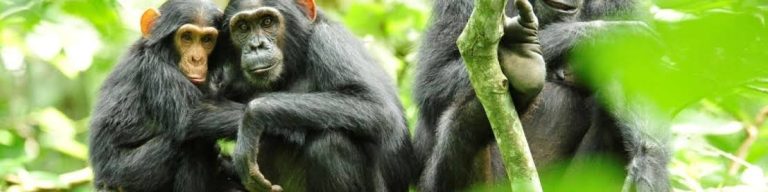
Eastern chimpanzees represent another significant great ape species associated with the reserve’s tropical forests. These intelligent primates display complex social relationships, communication systems and tool-using behaviour. Their presence highlights the ecological value of protecting connected rainforest habitats containing diverse vegetation and natural food resources. However, Sarambwe does not currently offer a confirmed conventional chimpanzee trekking programme for international tourists.
Black-and-white colobus monkeys
Black-and-white colobus monkeys are distinctive forest primates recognised by their contrasting fur and long tails. They spend considerable time within forest canopies, where they primarily feed on leaves and other vegetation. Their presence within the Sarambwe forest ecosystem contributes towards its wider primate diversity, while the protection of mature forest vegetation remains important for maintaining suitable feeding and breeding habitats.
Blue monkeys and red-tailed monkeys
Blue monkeys and red-tailed monkeys inhabit forest environments where they feed on fruits, leaves, insects and other available food resources. These agile primates move through forest vegetation and contribute towards natural ecological processes, including seed dispersal. Their presence adds to the biodiversity of the Bwindi–Sarambwe ecosystem and demonstrates why conserving intact forests benefits numerous wildlife species beyond endangered mountain gorillas.
Birdwatching and Biodiversity in Sarambwe
Sarambwe’s location within the Albertine Rift makes its forest ecosystem environmentally significant for regional bird conservation. The surrounding landscape supports numerous forest-dependent bird species, including specialised birds associated with montane environments. However, a comprehensive and independently verified bird checklist specific to Sarambwe is necessary before assigning exact species totals or presenting particular bird species as guaranteed sightings within the reserve.
Travellers interested in Albertine Rift birdwatching can instead explore neighbouring Bwindi Impenetrable National Park, which offers established birding trails and experienced specialist guides. Bwindi is internationally recognised for its forest bird diversity and opportunities to observe Albertine Rift endemic species. Combining birdwatching with mountain gorilla trekking provides a rewarding alternative for nature enthusiasts interested in the wider ecological significance of this shared rainforest landscape.
Vegetation and Natural Habitat
The reserve’s natural vegetation primarily consists of montane tropical forest, featuring mature trees, dense undergrowth, climbing plants and diverse forest vegetation. These habitats provide essential resources for mountain gorillas, chimpanzees and smaller wildlife species. Forest composition varies according to elevation, soil conditions, rainfall and historical human activities, creating different ecological environments within the larger Bwindi–Sarambwe conservation landscape.
Mountain gorillas depend heavily on healthy vegetation for feeding, resting and movement throughout their natural habitat. Forest degradation can reduce the availability of suitable resources and interfere with wildlife movement between neighbouring areas. Protecting Sarambwe’s remaining forest and restoring degraded habitats therefore contributes towards maintaining ecological connectivity and strengthening the long-term conservation prospects of endangered great apes and other forest-dependent species.
Can You Go Gorilla Trekking in Sarambwe Nature Reserve?
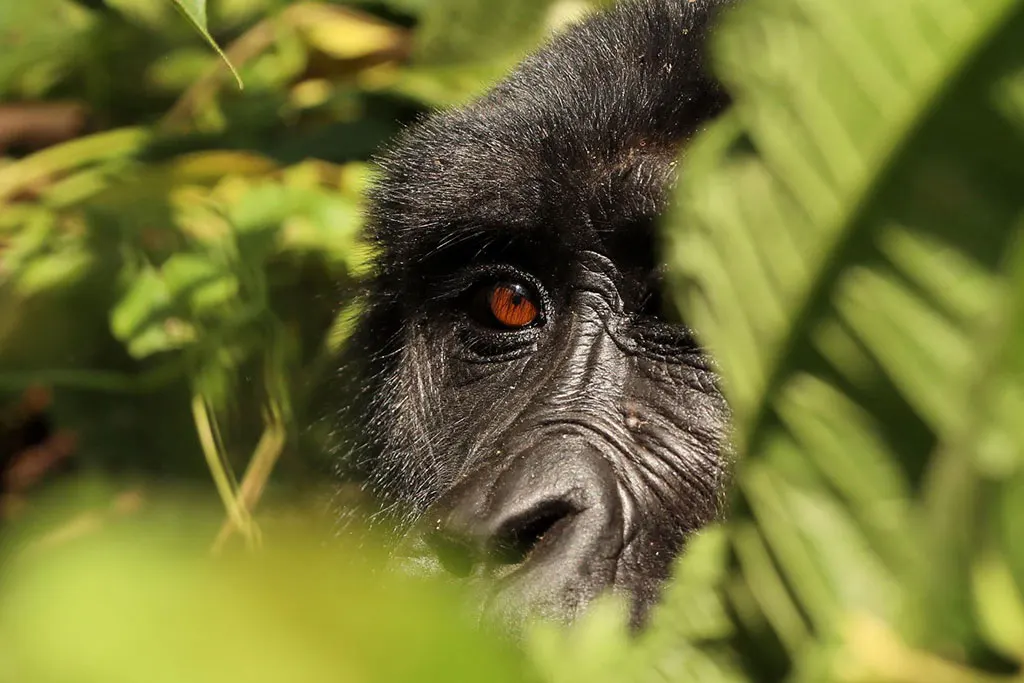
No established commercial gorilla trekking programme is currently confirmed within Sarambwe Nature Reserve. Although mountain gorillas occur naturally within its forests, tourism activities remain constrained by regional instability, limited visitor infrastructure and operational conservation challenges. Travellers should not assume that gorilla trekking permits, accommodation, professional tourist guides or authorised forest excursions are available simply because mountain gorillas inhabit the protected area.
Visitors interested in experiencing gorillas from the Bwindi–Sarambwe ecosystem should consider gorilla trekking within Uganda’s Bwindi Impenetrable National Park. Bwindi offers regulated trekking experiences involving habituated gorilla families, experienced wildlife rangers and accommodation suitable for different budgets. Raptors Africa Safaris can assist travellers with official permit reservations, private transportation and affordable safari packages within established mountain gorilla tourism destinations.
Things to Do in Sarambwe Nature Reserve
Sarambwe possesses considerable ecological potential for specialised nature-based tourism, particularly in relation to mountain gorilla conservation, forest biodiversity and environmental education. However, potential tourism activities should not be confused with currently available visitor experiences. Any future tourism development would depend on security improvements, official authorisation, suitable conservation arrangements and investments in infrastructure that protect wildlife while providing appropriate conditions for visitors.
Potential future ecotourism activities
| Potential activity | Current tourism status |
|---|---|
| Mountain gorilla trekking | No confirmed operational programme |
| Chimpanzee trekking | No established tourist programme |
| Guided forest walks | Not confirmed for public tourism |
| Birdwatching excursions | Not established for conventional visitors |
| Forest photography | Subject to official access authorisation |
| Wildlife conservation education | Subject to approved arrangements |
| Community-based tourism | Potential future opportunity |
| Scientific research | Requires appropriate research authorisation |
Mountain gorilla conservation education
Should suitable visitor arrangements become available in the future, Sarambwe could provide opportunities to learn about mountain gorilla conservation, wildlife monitoring and international habitat protection. Educational programmes would need to prioritise wildlife welfare, visitor safety and community participation. At present, travellers can learn about comparable conservation initiatives through established educational experiences surrounding Bwindi Impenetrable National Park and other accessible gorilla conservation destinations.
Forest exploration and nature walks
Sarambwe’s forest landscapes possess potential appeal for nature enthusiasts interested in tropical vegetation, primates and forest ecology. Nevertheless, recreational forest exploration should only occur where authorised and professionally supervised under appropriate safety conditions. Travellers seeking guided forest walks can currently explore established trails within Bwindi, where visitors learn about rainforest vegetation, birdlife, conservation and the ecological importance of the broader Albertine Rift.
How Much Does Gorilla Trekking in Sarambwe Cost?
There is no confirmed official commercial gorilla trekking permit price for Sarambwe Nature Reserve because a conventional tourist trekking programme is not currently established. Travellers should exercise caution when encountering unofficial advertisements claiming to offer guaranteed gorilla encounters inside the reserve. Legitimate gorilla trekking arrangements should involve recognised conservation authorities, officially issued permits and confirmed operational access within authorised wildlife tourism destinations.
For visitors interested in affordable mountain gorilla trekking near Sarambwe, Uganda offers established alternatives through Bwindi and Mgahinga Gorilla National Parks. Uganda’s comparatively lower permit prices make it attractive to budget-conscious travellers, while Rwanda provides another convenient option through Volcanoes National Park. Overall safari costs depend on permits, accommodation, transportation, meals and any additional wildlife experiences included within the selected itinerary.
Alternative gorilla trekking permit prices for 2027
| Destination | Standard international permit |
|---|---|
| Sarambwe Nature Reserve | No confirmed tourist permit |
| Bwindi Impenetrable National Park | US$800 |
| Mgahinga Gorilla National Park | US$800 |
| Uganda during eligible discounted months | US$600 |
| Volcanoes National Park, Rwanda | US$1,500 |
| Virunga National Park, Congo | Subject to operational status |
Permit prices are planning figures subject to official tariff confirmation and availability for the intended trekking date.
Is Sarambwe Nature Reserve Safe to Visit in 2027?
Safety remains one of the most important considerations for anyone researching travel to Sarambwe Nature Reserve. Eastern Democratic Republic of Congo has experienced prolonged regional insecurity that affects conservation management, transportation and tourism accessibility. Conditions can change rapidly, meaning historical accounts of successful visits cannot be relied upon when assessing whether contemporary travel arrangements are appropriate for international visitors or independent travellers.
Raptors Africa Safaris recommends considering established gorilla trekking destinations in Uganda and Rwanda rather than attempting unauthorised travel into Sarambwe. Before planning any journey to eastern Congo, travellers should consult current government travel advisories, obtain official access confirmation and seek appropriate professional security guidance. Travel insurance coverage may also be affected when visiting destinations subject to government warnings against non-essential or all travel.
How to Get to Sarambwe Nature Reserve
Geographically, Sarambwe is situated along the western side of the Bwindi forest ecosystem near the Uganda–Congo international border. However, geographical proximity does not necessarily translate into practical or authorised tourist accessibility. Reaching the reserve would require appropriate immigration documentation, official conservation authorisation and confirmed security arrangements, none of which should be assumed available through conventional safari transportation or independent cross-border travel.
Travellers must not attempt to cross from Bwindi Impenetrable National Park into Sarambwe through unofficial forest routes. International border crossings remain subject to immigration and security regulations, while movement within protected areas requires appropriate authorisation. Visitors interested in exploring the surrounding rainforest landscape should instead arrange authorised excursions within Uganda, using established tourism gateways such as Entebbe International Airport or Kigali International Airport.
Recommended gateways for alternative gorilla trekking
| Starting point | Recommended destination | Approximate driving time |
|---|---|---|
| Kigali | Ruhija sector, Bwindi | 4–5 hours |
| Kigali | Rushaga sector, Bwindi | 4–5 hours |
| Kigali | Nkuringo sector, Bwindi | 4–6 hours |
| Kigali | Buhoma sector, Bwindi | 5–7 hours |
| Kigali | Mgahinga Gorilla National Park | 3–5 hours |
| Kigali | Volcanoes National Park | 2–3 hours |
| Entebbe | Bwindi Impenetrable National Park | 8–11 hours |
| Kihihi Airstrip | Buhoma sector | 1–2 hours |
These are estimated transportation times to established gorilla trekking destinations, not routes into Sarambwe.
Best Time to Visit the Sarambwe and Bwindi Region
The relatively dry seasons from June through September and December through February generally provide favourable conditions for forest trekking in southwestern Uganda and neighbouring montane rainforest regions. These periods often experience less persistent rainfall, potentially improving trail accessibility and reducing muddy conditions. Nevertheless, tropical rainforest environments receive rainfall throughout the year, requiring visitors to prepare for unpredictable weather during outdoor activities.
For Sarambwe specifically, security and official accessibility remain more important than seasonal weather considerations. Travellers should not interpret favourable climatic conditions as confirmation that tourism is available. Those planning gorilla trekking within neighbouring Bwindi can consider both relatively dry periods for hiking comfort and selected rainy-season months for discounted permits, potentially lower accommodation costs and beautiful green forest landscapes.
| Travel period | General conditions | Recommended experience in Uganda |
|---|---|---|
| January–February | Relatively dry | Gorilla trekking and photography |
| March | Increasing rainfall | Forest trekking and birdwatching |
| April–May | Rainy season | Discounted gorilla trekking |
| June–September | Relatively dry | Peak-season gorilla safaris |
| October | Increasing rainfall | Primate and nature safaris |
| November | Short rainy season | Affordable gorilla trekking |
| December | Generally improving conditions | Festive-season wildlife safaris |
Conservation Challenges Facing Sarambwe Nature Reserve
Despite its international importance for mountain gorilla conservation, Sarambwe faces several environmental and management challenges. The reserve’s relatively small size makes habitat disturbance particularly significant because extensive forest degradation can reduce available wildlife habitat and affect movement throughout surrounding ecosystems. Addressing these challenges requires sustained conservation funding, effective management, community participation and cooperation between authorities responsible for protecting the shared forest landscape.
– Agricultural encroachment and habitat degradation: Expansion of farming activities into protected forest areas can reduce natural vegetation and fragment wildlife habitats. Mountain gorillas and other forest species depend on suitable feeding and movement opportunities, making habitat protection essential. Effective conservation requires clearly recognised reserve boundaries, sustainable agricultural practices outside protected areas and constructive engagement with communities whose livelihoods depend on surrounding land resources.
– Illegal hunting and wildlife poaching: Hunting activities and illegal wildlife exploitation threaten numerous forest species throughout Central Africa. Even when mountain gorillas are not specifically targeted, snares intended for other wildlife can cause serious injuries. Conservation patrols, wildlife monitoring, community education and appropriate law enforcement remain important measures for reducing these threats and maintaining healthy wildlife populations within protected forest ecosystems.
– Regional insecurity and conservation disruption: Political instability and armed conflict can interfere with wildlife monitoring, ranger operations, conservation funding and habitat management. These conditions may also restrict access for researchers and conservation personnel responsible for protecting endangered species. Long-term environmental protection therefore depends partly on broader improvements in regional stability, institutional support and the ability of conservation teams to operate safely and effectively.
– Human–wildlife conflict: Communities neighbouring protected forests may experience challenges when wild animals enter agricultural land or compete for natural resources. Developing practical approaches to reducing these conflicts is essential for maintaining positive relationships between conservation authorities and residents. Community participation, environmental education and alternative livelihood opportunities can help strengthen local support for mountain gorilla protection and responsible natural resource management.
– Disease transmission between humans and great apes: Mountain gorillas and chimpanzees are vulnerable to certain infectious diseases affecting humans because of their close biological relationship with people. Protecting great apes requires responsible wildlife monitoring, appropriate health precautions and carefully regulated human interactions. Any future tourism development must incorporate strict visitor regulations to minimise disease transmission and unnecessary disturbance to endangered primate populations.
Transboundary Mountain Gorilla Conservation
The conservation of mountain gorillas extends beyond the responsibilities of any single country because their natural habitats occur across international boundaries. Uganda, Rwanda and the Democratic Republic of Congo share responsibility for protecting these endangered great apes through coordinated research, wildlife monitoring and habitat management. Cross-border conservation initiatives help establish a broader understanding of gorilla population trends, migration patterns and environmental threats.
Sarambwe Nature Reserve demonstrates why international conservation cooperation is particularly important within the Bwindi–Sarambwe ecosystem. Conservation personnel working on either side of the border can benefit from sharing information about wildlife movements, forest conditions and environmental challenges. Collaborative approaches improve opportunities to protect connected habitats while recognising the separate legal responsibilities and management frameworks governing protected areas within Uganda and Congo.
The Role of Local Communities in Protecting Sarambwe
Communities surrounding Sarambwe are important stakeholders in the long-term protection of the reserve. Many households depend on agriculture and locally available natural resources, making conservation initiatives more effective when they address practical livelihood needs. Community engagement can encourage understanding of protected area regulations, promote sustainable farming practices and create alternative opportunities that reduce financial dependence on activities that degrade natural forest environments.
Initiatives involving sustainable beekeeping, small-scale livestock projects, environmental education and responsible employment can help strengthen relationships between conservation organisations and neighbouring communities. Supporting local participation recognises that effective wildlife conservation depends not only on protecting endangered animals but also on improving opportunities for people living around protected areas. These principles remain central to sustainable conservation throughout the wider Bwindi–Sarambwe landscape.
Why Is Sarambwe Nature Reserve Important?
Sarambwe’s conservation significance extends beyond protecting a relatively small area of tropical rainforest. The reserve safeguards part of one of the world’s two natural mountain gorilla habitats, contributes to forest connectivity and supports numerous other wildlife species. Its protection demonstrates how connected conservation landscapes can improve opportunities for endangered animals to access resources and move naturally through suitable habitats over extended periods.
The reserve also provides an important example of the relationship between biodiversity conservation, international cooperation and sustainable community development. Protecting Sarambwe requires addressing environmental pressures alongside broader social and economic challenges. Successful conservation efforts can help maintain healthy forest ecosystems, protect endangered great apes and preserve valuable natural resources for future generations living throughout the Albertine Rift region.
Sarambwe Nature Reserve vs Virunga National Park
Sarambwe and Virunga National Park are both important protected areas within eastern Democratic Republic of Congo, but they differ substantially in geographical size, habitat characteristics and conservation significance. Sarambwe forms part of the Bwindi–Sarambwe mountain gorilla ecosystem, while Virunga belongs to the Virunga Massif ecosystem shared with Uganda’s Mgahinga Gorilla National Park and Rwanda’s Volcanoes National Park, representing a separate mountain gorilla population.
| Feature | Sarambwe Nature Reserve | Virunga National Park |
|---|---|---|
| Country | DR Congo | DR Congo |
| Size | Approximately 9 km² | Approximately 7,800 km² |
| Mountain gorilla ecosystem | Bwindi–Sarambwe | Virunga Massif |
| Main landscapes | Montane rainforest | Forests, volcanoes, lakes and savannah |
| Mountain gorillas | Present | Present |
| Chimpanzees | Present | Present |
| Historic tourism development | Limited | Established before interruptions |
| Current tourism considerations | Restricted and unconfirmed | Subject to official operational status |
| UNESCO World Heritage Site | No separate designation | Yes |
Both protected areas possess exceptional ecological importance. However, regional insecurity and uncertain tourism arrangements mean travellers should prioritise verified accessibility and current security advice when researching either destination.
Best Alternative Gorilla Trekking Destinations Near Sarambwe
Travellers interested in encountering mountain gorillas can explore several established alternatives within Uganda and Rwanda. These destinations offer regulated gorilla trekking programmes involving official permits, professional wildlife rangers and designated trekking headquarters. Choosing an operational mountain gorilla destination provides opportunities to experience remarkable great ape encounters while supporting responsible tourism, conservation management and local employment within communities neighbouring protected forest areas.
Bwindi Impenetrable National Park, Uganda
Bwindi Impenetrable National Park is the closest ecological alternative to Sarambwe because both protected areas share the same mountain gorilla ecosystem. Bwindi offers conventional gorilla trekking across Buhoma, Ruhija, Rushaga and Nkuringo sectors, alongside extended gorilla habituation experiences in selected areas. Its extensive accommodation options and established tourism infrastructure make it particularly attractive to travellers seeking affordable and professionally organised mountain gorilla safaris.
Mgahinga Gorilla National Park, Uganda
Mgahinga Gorilla National Park offers mountain gorilla trekking within the spectacular landscapes of the Virunga Mountains. The park is associated with the habituated Nyakagezi gorilla family and also provides opportunities for golden monkey trekking, volcano hiking and community-led cultural experiences. Its accessibility from Kigali through authorised border crossings makes it an excellent alternative for travellers seeking relatively short and affordable mountain gorilla trekking packages.
Volcanoes National Park, Rwanda
Volcanoes National Park provides another established mountain gorilla trekking destination within the Virunga conservation ecosystem. Located approximately two to three hours by road from Kigali, the park offers convenient access for travellers with limited holiday time. Mountain gorilla trekking can be combined with golden monkey tracking, volcano hiking, cultural experiences and scenic journeys through Rwanda’s beautiful mountainous landscapes and surrounding rural communities.
Which Bwindi Gorilla Trekking Sector Should You Choose?
Bwindi’s four gorilla trekking sectors provide different accommodation opportunities, landscapes and accessibility arrangements. Selecting a suitable sector depends on the availability of gorilla permits, international arrival point, individual fitness and overall safari itinerary. Travellers interested in the Bwindi–Sarambwe ecosystem can experience mountain gorillas through any operational Bwindi sector without attempting to enter Sarambwe or crossing international boundaries through unauthorised forest routes.
| Bwindi sector | Location | Best suited for |
|---|---|---|
| Buhoma | Northern Bwindi | Established tourism and forest accommodation |
| Ruhija | Eastern Bwindi | Birdwatching and quieter forest surroundings |
| Rushaga | Southern Bwindi | Affordable gorilla safaris and habituation |
| Nkuringo | Southwestern Bwindi | Mountain scenery and adventurous trekking |
Affordable Gorilla Trekking Near Sarambwe in 2027
Budget-conscious travellers interested in the mountain gorillas of the Bwindi–Sarambwe ecosystem can take advantage of Uganda’s comparatively affordable trekking permits, diverse accommodation options and efficient transportation routes from Kigali. Short gorilla safari packages offer opportunities to minimise transportation expenses, while eligible discounted permits during April, May and November can provide additional savings for visitors with flexible holiday dates and suitable travel arrangements.
Uganda gorilla trekking permit comparison
| Visitor category | Standard permit | Discounted permit |
|---|---|---|
| Foreign non-residents | US$800 | US$600 |
| Foreign residents | US$700 | US$500 |
| Rest of Africa citizens | US$500 | Confirm eligibility |
| East African Community citizens | UGX 300,000 | Confirm eligibility |
Discounted permits are associated with April, May and November under the announced tariff arrangements and remain subject to availability and applicable booking restrictions.
Raptors Africa Safaris helps travellers organise affordable mountain gorilla adventures by identifying suitable trekking sectors, arranging comfortable accommodation and coordinating private safari transportation. Instead of concentrating exclusively on luxury accommodation, our itineraries prioritise meaningful wildlife experiences, professional guiding and practical travel arrangements. This approach allows visitors to explore Uganda’s remarkable primate destinations while managing their overall holiday expenses according to individual travel budgets.
Recommended Gorilla Trekking Safari Packages
Travellers researching Sarambwe Nature Reserve can experience the wider region’s mountain gorilla populations through established safari packages in Uganda and Rwanda. Depending on available holiday time, visitors can choose short gorilla trekking experiences or longer itineraries incorporating chimpanzees, golden monkeys, wildlife game drives and cultural encounters. Raptors Africa Safaris can tailor each itinerary according to confirmed permit availability, accommodation preferences and individual interests.
| Safari package | Main highlights |
|---|---|
| 2 Days Bwindi Gorilla Trekking from Kigali | Affordable mountain gorilla encounter |
| 2 Days Mgahinga Gorilla Trekking Tour | Mountain gorillas and volcanic landscapes |
| 3 Days Uganda Gorilla Trekking Safari | Bwindi forest and mountain gorillas |
| 3 Days Gorillas and Golden Monkeys Safari | Mgahinga primates |
| 4 Days Double Gorilla Trekking Safari | Two mountain gorilla encounters |
| 4 Days Gorilla Habituation Safari | Extended mountain gorilla experience |
| 5 Days Uganda Primates Safari | Gorillas and chimpanzees |
| 7 Days Uganda Wildlife and Gorilla Safari | Primates and savannah wildlife |
| 8 Days Uganda Big Five and Gorilla Safari | Big Five wildlife and mountain gorillas |
| 10 Days Uganda Primates and Wildlife Safari | Comprehensive Uganda wildlife adventures |
| 12 Days Uganda and Rwanda Safari | Combined cross-border safari |
| 14 Days Gorillas and Great Migration Safari | Mountain gorillas and wildebeest migration |
Combining Gorilla Trekking with Other Wildlife Experiences
The forests surrounding the Bwindi–Sarambwe ecosystem form part of a broader region containing remarkable wildlife destinations, scenic lakes and culturally diverse communities. Travellers can extend their mountain gorilla trekking holiday by visiting Uganda’s chimpanzee forests, exploring savannah national parks or enjoying relaxing experiences around mountain lakes. These combinations provide a more comprehensive appreciation of East Africa’s diverse natural landscapes and wildlife conservation opportunities.
| Additional destination | Recommended activities |
|---|---|
| Kibale National Park | Chimpanzee trekking and primate watching |
| Queen Elizabeth National Park | Game drives and Kazinga Channel boat cruises |
| Lake Bunyonyi | Canoeing, relaxation and birdwatching |
| Lake Mutanda | Scenic boat excursions and nature experiences |
| Mgahinga Gorilla National Park | Golden monkey trekking and volcano hiking |
| Lake Mburo National Park | Wildlife viewing and guided walking safaris |
| Murchison Falls National Park | Wildlife game drives and Nile boat cruises |
| Ziwa Rhino Sanctuary | Guided rhino tracking |
| Nyungwe National Park | Chimpanzee trekking and canopy walks |
| Akagera National Park | Rwanda Big Five wildlife safaris |
What to Pack for Gorilla Trekking in the Bwindi–Sarambwe Region
Travellers undertaking authorised gorilla trekking experiences in neighbouring Bwindi should prepare for tropical rainforest conditions, including muddy vegetation, steep terrain, high humidity and unpredictable rainfall. Appropriate trekking clothing and equipment improve comfort while allowing visitors to move more safely through challenging forest environments. Packing lightweight essentials is particularly important because trekking duration depends on gorilla movements, weather conditions and the location of assigned families.
| Packing item | Purpose |
|---|---|
| Waterproof hiking boots | Grip and ankle support |
| Long-sleeved shirts | Protection against insects and vegetation |
| Long trekking trousers | Protection against scratches |
| Waterproof rain jacket | Protection against sudden rainfall |
| Gardening gloves | Assistance when navigating vegetation |
| Hiking gaiters | Protection against mud and insects |
| Lightweight backpack | Carrying personal equipment |
| Drinking water | Maintaining hydration |
| Packed lunch | Energy during extended trekking |
| Camera | Wildlife photography |
| Waterproof camera bag | Equipment protection |
| Insect repellent | Protection against insects |
| Travel insurance | Financial and emergency protection |
| Passport | Identification and permit verification |
Frequently Asked Questions About Sarambwe Nature Reserve
Where is Sarambwe Nature Reserve located?
Sarambwe is situated in North Kivu Province in eastern Democratic Republic of Congo, directly adjacent to Uganda’s Bwindi Impenetrable National Park. Its position along the international boundary places it within the Bwindi–Sarambwe mountain gorilla ecosystem. The reserve’s location is particularly important for wildlife conservation because it allows endangered mountain gorillas and other forest species to move naturally through connected habitats.
How big is Sarambwe Nature Reserve?
Sarambwe covers approximately nine square kilometres, equivalent to around 900 hectares of protected land. Although considerably smaller than neighbouring Bwindi and other protected areas throughout eastern Africa, it contributes valuable habitat to the wider mountain gorilla ecosystem. Its conservation significance is therefore closely associated with ecological connectivity and the protection of endangered primates rather than the overall size of the reserve.
Are there mountain gorillas in Sarambwe?
Yes, mountain gorillas occur naturally within Sarambwe and move between suitable habitats in the reserve and neighbouring Bwindi Impenetrable National Park. These gorillas belong to the Bwindi–Sarambwe population, which represents one of the two naturally occurring mountain gorilla populations worldwide. Because movement occurs across the shared forest ecosystem, individual gorillas cannot always be assigned permanently to one protected area.
How many gorillas are in Sarambwe Nature Reserve?
There is no reliable fixed population figure representing mountain gorillas permanently residing exclusively within Sarambwe. The 2018 census estimated 459 mountain gorillas across the combined Bwindi–Sarambwe ecosystem rather than within the reserve alone. Population monitoring considers the wider forest landscape because gorillas move naturally across international boundaries according to their feeding requirements, social relationships and changing environmental conditions.
Can tourists visit Sarambwe Nature Reserve?
Sarambwe does not currently have a confirmed conventional tourism programme suitable for international visitors. Regional insecurity, limited tourism infrastructure and conservation management challenges affect public accessibility. Travellers should avoid arranging unofficial excursions and instead consider established wildlife tourism destinations in Uganda and Rwanda unless official conservation authorities confirm that authorised and appropriately managed visitor arrangements have become available in the future.
Can you go chimpanzee trekking in Sarambwe?
Although eastern chimpanzees inhabit the reserve’s forests, there is no confirmed established chimpanzee trekking programme for conventional tourists. Travellers interested in observing wild chimpanzees can explore Uganda’s Kibale National Park, Budongo Forest or Kalinzu Forest. Rwanda’s Nyungwe National Park also offers established chimpanzee trekking opportunities that can be combined with mountain gorilla encounters during a professionally organised East African safari.
What is the best time to visit Sarambwe?
There is currently no recommended conventional tourist season for Sarambwe because official accessibility and regional security remain the primary considerations. However, the surrounding rainforest region generally experiences relatively favourable trekking weather during June to September and December to February. Visitors planning authorised gorilla trekking in neighbouring Bwindi may also consider April, May and November for applicable discounted permit opportunities.
Is Sarambwe part of Bwindi National Park?
Sarambwe is not administratively part of Bwindi Impenetrable National Park because the two protected areas belong to different countries and operate under separate conservation authorities. Nevertheless, their neighbouring forests form a connected ecological landscape known as the Bwindi–Sarambwe ecosystem. This shared natural habitat explains why conservation researchers and wildlife authorities frequently consider both protected areas together when monitoring mountain gorilla populations.
Is Sarambwe part of Virunga National Park?
Sarambwe is a separate protected area from Virunga National Park, although both are situated within eastern Democratic Republic of Congo and contribute to mountain gorilla conservation. Sarambwe belongs to the Bwindi–Sarambwe ecosystem, while Virunga protects mountain gorillas within the Virunga Massif. Understanding this distinction is important when researching mountain gorilla populations, wildlife habitats and potential gorilla trekking destinations in Africa.
Can you cross from Bwindi into Sarambwe?
Travellers should not attempt to cross directly from Bwindi into Sarambwe through forest trails because international borders are subject to immigration regulations and protected area access restrictions. Wildlife may move naturally between the forests, but this does not authorise human travel across the boundary. Any legitimate cross-border movement must follow official immigration procedures and applicable conservation authority requirements concerning protected area accessibility.
What is the cheapest alternative to Sarambwe gorilla trekking?
Uganda provides established and comparatively affordable alternatives through Bwindi Impenetrable National Park and Mgahinga Gorilla National Park. Eligible international travellers can consider discounted mountain gorilla permits during April, May and November alongside budget accommodation and short safari itineraries starting from Kigali. These arrangements can help reduce overall holiday expenses while maintaining regulated wildlife encounters, professional guiding and reliable safari planning.
Why is Sarambwe important for mountain gorillas?
Sarambwe contributes valuable natural habitat to the wider Bwindi–Sarambwe ecosystem, allowing mountain gorillas to move through connected forest environments. Its protection helps maintain feeding areas, ecological connectivity and the environmental resources necessary for gorilla survival. The reserve also highlights the importance of cooperation between countries, conservation organisations and neighbouring communities when protecting endangered wildlife whose habitats extend beyond international political boundaries.
Why Book Your Gorilla Safari with Raptors Africa Safaris?
Raptors Africa Safaris specialises in affordable and tailor-made wildlife adventures across Uganda and Rwanda, helping travellers experience endangered mountain gorillas through established and responsibly managed conservation destinations. Our safari specialists provide practical guidance on choosing trekking sectors, securing available permits, selecting suitable accommodation and arranging efficient transportation routes according to individual holiday preferences, travel dates and available budgets.
Whether you are interested in a short gorilla trekking tour from Kigali, a combined gorilla and chimpanzee safari or an extended African wildlife adventure, we can organise a personalised itinerary. Our approach prioritises professional local guiding, responsible wildlife encounters, realistic travel arrangements and meaningful experiences that support conservation while allowing travellers to explore Africa’s extraordinary natural heritage without unnecessary safari expenses.
Plan Your Affordable Mountain Gorilla Safari in 2027
Sarambwe Nature Reserve remains an important component of one of the world’s most significant mountain gorilla conservation ecosystems. Although conventional tourism within the reserve is currently restricted, travellers can encounter mountain gorillas from the wider Bwindi–Sarambwe population through professionally organised gorilla trekking experiences in Uganda. These journeys provide exceptional opportunities to appreciate endangered great apes while contributing towards sustainable wildlife conservation.
Discover mountain gorillas, chimpanzees, golden monkeys and remarkable African wildlife with Raptors Africa Safaris. Share your preferred travel dates, number of travellers, accommodation preferences and desired safari activities with our team. We will help you identify suitable destinations, check gorilla permit availability and prepare a personalised safari quotation designed around your interests, travel requirements and preferred holiday budget.
Request Your Free Gorilla Safari Quote Today.