+256-702 595 926 | info@bookgorillatracking.com

Congo Gorilla Families – Virunga Mountain Gorillas

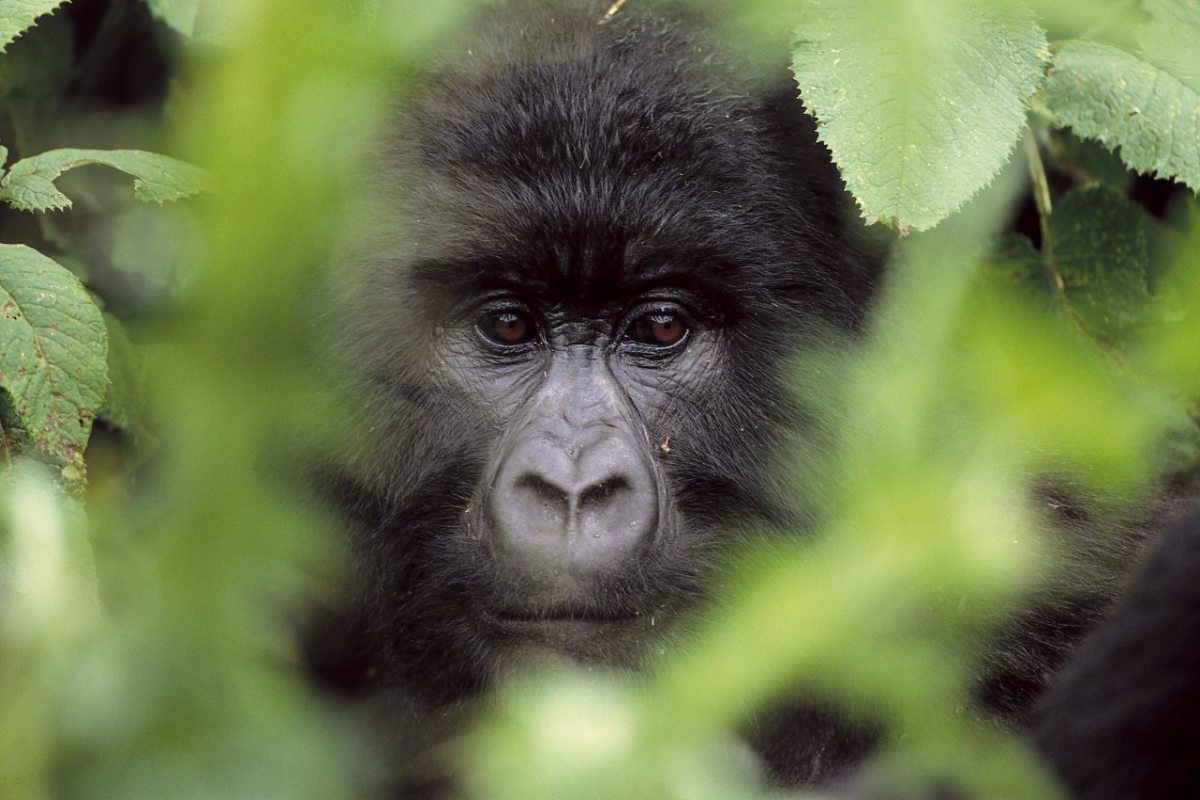
Congo Gorilla Families – Mountain Gorilla Groups in Virunga National Park
The Democratic Republic of Congo (DRC) is one of Africa’s most remarkable destinations for gorilla conservation. Its tropical rainforests and mountainous landscapes provide a natural habitat for two fascinating gorilla subspecies: mountain gorillas and eastern lowland gorillas, also known as Grauer’s gorillas.
Among the most famous are the Congo gorilla families of Virunga National Park, located in the eastern Democratic Republic of Congo. These mountain gorilla families live in the forested slopes of the Virunga Mountains, where they are monitored and protected by dedicated park rangers and conservation teams.
Each gorilla family has a unique social structure, history and dominant silverback. Some groups are large, with several adult males, females and young gorillas, while others consist of smaller family units.
Understanding the different Congo gorilla families provides an interesting insight into mountain gorilla behaviour, reproduction, family relationships and conservation.
Virunga National Park has monitored numerous mountain gorilla families over the years, including Bageni, Kabirizi, Humba, Rugendo, Mapuwa, Lulengo, Munyaga, Nyakamwe, Baraka, Wilungula and Masibo.
Important travel update: Virunga National Park’s official visitor website currently states that mountain gorilla and Nyiragongo treks are closed until further notice. This article is an educational guide to Congo’s gorilla families, not confirmation that trekking is currently available.
Where Are the Congo Gorilla Families Found?
Congo’s mountain gorilla families are found in the Virunga Massif, a spectacular mountain ecosystem shared by the Democratic Republic of Congo, Uganda and Rwanda.
Within the DRC, mountain gorillas inhabit the forests of Virunga National Park, particularly the southern sector around Mount Mikeno.
Virunga is one of Africa’s oldest national parks and an important stronghold for endangered mountain gorillas.
The park’s mountain gorillas live in family groups, commonly called troops. Each family is generally led by a dominant silverback responsible for protecting the group, maintaining social order and defending its territory.
Mountain gorilla families are not permanently fixed. Their membership and leadership can change through births, deaths, migration, conflicts and the formation of new groups.
According to Virunga’s conservation programme, park teams monitor multiple mountain gorilla families and document their movements, health and social relationships.
List of Congo Mountain Gorilla Families in Virunga National Park
Virunga National Park has several recognised mountain gorilla families, each with its own history and social dynamics.
Below are some of the best-known families.
1. Bageni Gorilla Family
The Bageni family is one of the largest and most well-known mountain gorilla groups in Virunga National Park.
The family was established in January 2013 when silverback Bageni separated from the Kabirizi family following repeated confrontations.
He left with a group of gorillas, including females and young individuals, and established an independent family on the slopes of Mount Mikeno.
The Bageni family is particularly interesting because of its large social structure and the presence of several adult silverbacks.
Its history demonstrates how mountain gorilla groups can grow, reorganise and develop complex relationships between dominant and subordinate males.
2. Kabirizi Gorilla Family
The Kabirizi family is among the historically important mountain gorilla families in Virunga National Park.
The group takes its name from Kabirizi, a dominant silverback who became its leader following changes in the family’s leadership.
Over the years, the family has experienced several changes, including the departure of subordinate males and the formation of new groups.
One of its significant historical developments occurred in 2013 when Bageni separated from the family to establish his own troop.
The Kabirizi family demonstrates the importance of silverback leadership in maintaining the organisation and stability of mountain gorilla groups.
3. Humba Gorilla Family
The Humba family was established in December 1998 when silverback Humba separated from his father’s Rugendo family.
The split followed repeated conflicts and competition within the original group.
Humba left with several family members and established an independent troop.
Over time, the family grew through births and the arrival of additional females.
The group later experienced another division in 2014 when silverback Nyakamwe separated from Humba and established a new family.
The history of the Humba family provides an interesting example of how competition between mature silverbacks can lead to the formation of new mountain gorilla groups.
4. Nyakamwe Gorilla Family
The Nyakamwe family was established in 2014 when silverback Nyakamwe separated from the Humba family.
Nyakamwe had previously lived within the same family as Humba, but repeated disagreements and competition for leadership eventually resulted in their separation.
Nyakamwe left with several members and established an independent group.
The family has since experienced changes through births, migration and the development of relationships with neighbouring gorilla groups.
Its history highlights the importance of family relationships and leadership in mountain gorilla society.
5. Rugendo Gorilla Family
The Rugendo family is one of the oldest habituated mountain gorilla groups in Virunga National Park.
The family has a remarkable history involving leadership changes, family divisions and conservation challenges.
Its original leader, silverback Rugendo, was killed in 2001. His son Senkwekwe subsequently became the dominant male.
However, the family experienced another tragic event in 2007 when Senkwekwe and other gorillas were killed during an attack.
The surviving members eventually continued as a group under a new silverback.
The family remains an important part of Virunga’s mountain gorilla conservation history and is a reminder of the threats gorillas face in conflict-affected landscapes.
6. Mapuwa Gorilla Family
The Mapuwa family was established by silverback Mapuwa after he left his father’s Rugendo family.
Initially living as a solitary male, Mapuwa gradually established his own group after attracting females and surviving confrontations with neighbouring silverbacks.
The family subsequently grew through births and the arrival of additional members.
Leadership and family composition have changed over time, illustrating the dynamic nature of mountain gorilla social organisation.
7. Lulengo Gorilla Family
The Lulengo family is another historically significant group in Virunga National Park.
The family was named after silverback Lulengo, who became its leader following the death of the group’s previous dominant male.
Its history includes poaching incidents, family divisions and changes in membership.
Despite these challenges, the group has remained part of Virunga’s mountain gorilla conservation programme.
The Lulengo family demonstrates the resilience of mountain gorillas and the importance of continuous monitoring and protection.
8. Munyaga Gorilla Family
The Munyaga family is known for its interesting leadership history and changing family structure.
Silverback Munyaga originally established the group, which later experienced leadership changes involving other mature males.
The family has experienced divisions and reunifications, as well as changes in its membership.
Mountain gorilla groups such as Munyaga are closely monitored by conservation teams to understand their social relationships, movements and reproductive behaviour.
9. Baraka Gorilla Family
Baraka is among the more recently recognised mountain gorilla families monitored in Virunga National Park.
The group has attracted conservation attention because of its developing social structure and reproductive activity.
In 2026, the family recorded a rare twin birth, although one of the twins did not survive.
Such events are closely monitored because infant survival is an important indicator of mountain gorilla population health.
10. Wilungula Gorilla Family
The Wilungula family is another group monitored in Virunga’s mountain gorilla habitat.
The family has undergone habituation, a gradual process through which gorillas become accustomed to the presence of researchers and conservation teams.
Its membership includes several silverbacks, females and younger individuals.
Habituation and regular monitoring allow conservationists to observe the group’s social structure and identify changes in its health and population.
11. Masibo Gorilla Family
The Masibo family was established in October 2025 following a split from the Kabirizi family.
Silverback Masibo left with several members to form an independent group.
The family recorded its first birth in March 2026, marking an important development in its establishment as a separate troop.
Its formation illustrates how mountain gorilla family structures continue to evolve through leadership competition, migration and reproduction.
Note: Gorilla family membership, leadership and group sizes change over time. The families described above are based on Virunga conservation information and should not be interpreted as a fixed list of currently available tourist trekking groups.
Understanding the Social Structure of Congo Gorilla Families
Mountain gorillas live in organised social groups with complex relationships between adult males, females and younger members.
A typical mountain gorilla family includes:
The Dominant Silverback
The silverback is the mature male responsible for leading and protecting the family.
He makes important decisions concerning movement, feeding locations and the group’s response to potential threats.
A silverback is recognised by the distinctive silver-grey hair that develops across his back as he reaches maturity.
Adult Female Gorillas
Female gorillas play an important role in the growth and stability of the family.
They give birth, care for infants and maintain social relationships with other members.
Females may move between groups, particularly as they reach reproductive maturity.
Juvenile Gorillas
Juveniles are young gorillas that have progressed beyond infancy but are not yet fully mature.
They are often observed playing, climbing, exploring and interacting with other family members.
Infant Gorillas
Infants depend heavily on their mothers for protection, feeding and care.
They remain close to their mothers during the early stages of development.
Blackback Gorillas
Blackbacks are adolescent or young adult males that have not yet developed the characteristic silver colouring of mature males.
Some eventually become dominant silverbacks and establish their own families.
How Many Mountain Gorilla Families Are in Congo?
Virunga National Park has monitored several mountain gorilla families, with its conservation programme reporting 11 families in 2026.
The number of families and their individual membership can change over time.
This happens because mountain gorillas experience natural population changes, including:
-
- Births and deaths.
-
- Female migration between groups.
-
- Leadership changes.
-
- Conflicts between silverbacks.
-
- Family splits and the formation of new troops.
-
- Changes in the distribution of individual gorillas.
The monitoring work undertaken by Virunga’s rangers and conservation teams is essential for understanding these developments.
Mountain Gorilla Families in Congo Compared with Uganda and Rwanda
Mountain gorillas are found in only two wild populations: the Virunga Massif, shared by Uganda, Rwanda and the Democratic Republic of Congo, and the Bwindi-Sarambwe ecosystem.
The three countries therefore share responsibility for protecting this endangered subspecies.
Congo – Virunga National Park
Virunga is home to several mountain gorilla families, including Bageni, Kabirizi, Humba, Rugendo, Mapuwa and Nyakamwe.
The park is particularly important for mountain gorilla conservation because of its long history of research, monitoring and ranger protection.
Uganda – Bwindi Impenetrable National Park
Bwindi is one of the world’s most important mountain gorilla habitats.
It has several habituated gorilla families distributed across four main trekking sectors: Buhoma, Ruhija, Rushaga and Nkuringo.
Uganda – Mgahinga Gorilla National Park
Mgahinga is part of the Virunga Conservation Area and provides habitat for the Nyakagezi mountain gorilla family.
Rwanda – Volcanoes National Park
Volcanoes National Park is another important mountain gorilla destination, with several habituated families available for trekking when tourism operations are open.
The three countries work together through conservation partnerships to protect mountain gorilla populations and their habitats.
Eastern Lowland Gorilla Families in Congo
Besides mountain gorillas, the Democratic Republic of Congo is also home to eastern lowland gorillas, commonly known as Grauer’s gorillas.
These gorillas are different from mountain gorillas in appearance, distribution and habitat.
Eastern lowland gorillas are found mainly in the forests of eastern DRC, including Kahuzi-Biega National Park.
They are generally larger-bodied than mountain gorillas and inhabit lowland and montane tropical forests.
Kahuzi-Biega is particularly important for the conservation of this subspecies.
The park has historically supported habituated eastern lowland gorilla groups, including the well-known Chimanuka and Mugaruka families.
Unlike the mountain gorillas of Virunga, eastern lowland gorillas are not found in Uganda or Rwanda.
Their conservation is particularly important because habitat destruction, poaching and insecurity have placed significant pressure on their populations.
How Are Congo Gorilla Families Protected?
Protecting mountain gorilla families requires continuous conservation work, research and cooperation between neighbouring countries.
Virunga National Park employs dedicated rangers and works with local communities and conservation partners to protect gorillas and their forest habitats.
Important conservation activities include:
1. Daily monitoring
Rangers and trackers monitor gorilla families to document their movements, births, deaths and general health.
2. Anti-poaching patrols
Patrols help identify and address threats such as illegal hunting, snares and habitat destruction.
3. Veterinary interventions
Where necessary, veterinary teams can assess injured or sick gorillas and provide appropriate treatment.
4. Habitat protection
Protecting the forest is essential for maintaining food sources, shelter and suitable breeding habitats.
5. Community conservation
Working with communities around protected areas helps create awareness and support for long-term gorilla conservation.
These efforts have contributed to the recovery of mountain gorilla populations over recent decades.
Can You Visit Congo Gorilla Families?
Virunga National Park has historically offered mountain gorilla trekking experiences, allowing visitors to observe habituated gorilla families under the supervision of trained park rangers.
However, tourism access is affected by security conditions and official park decisions.
As of November 2026, Virunga’s official visitor website states that gorilla trekking and Nyiragongo treks are closed until further notice.
Travellers should not make plans or pay for a Congo gorilla trekking trip without first receiving confirmation directly from the park and reviewing current government travel advice.
For visitors interested in experiencing mountain gorilla trekking elsewhere in East Africa, Uganda and Rwanda have established gorilla trekking destinations. Their current park access and permit availability should also be confirmed before booking.
Best Places to See Mountain Gorillas in East Africa
Although Congo is home to fascinating gorilla families, the wider East African region offers other important mountain gorilla destinations.
Bwindi Impenetrable National Park, Uganda
Bwindi is famous for its ancient rainforest and diverse mountain gorilla families.
It offers several trekking sectors and a variety of accommodation options.
Mgahinga Gorilla National Park, Uganda
Mgahinga provides another opportunity to explore mountain gorilla habitat in the Virunga Mountains.
Its Nyakagezi family is well known among Uganda’s mountain gorilla groups.
Volcanoes National Park, Rwanda
Located in northwestern Rwanda, Volcanoes National Park is an important mountain gorilla conservation destination.
The park’s bamboo forests and volcanic slopes provide a spectacular setting for gorilla trekking.
Book Gorilla Tracking can help travellers explore available Uganda gorilla trekking packages and plan an experience according to their preferred dates and budget.
Frequently Asked Questions About Congo Gorilla Families
1. How many gorilla families are in Congo?
Virunga National Park’s 2026 conservation information reports 11 monitored mountain gorilla families. Family numbers and membership change over time because of births, deaths, migration and group divisions.
2. What are the names of Congo’s mountain gorilla families?
Some of the recognised families monitored in Virunga National Park include Bageni, Kabirizi, Humba, Rugendo, Mapuwa, Lulengo, Munyaga, Nyakamwe, Baraka, Wilungula and Masibo.
3. Which is the largest gorilla family in Congo?
The Bageni family has historically been recognised as one of the largest mountain gorilla families in Virunga National Park. Its membership changes over time, so current group sizes should be confirmed through official park monitoring information.
4. Where can I find mountain gorilla families in Congo?
Mountain gorillas in the DRC are found in Virunga National Park, particularly in the forests of the Virunga Mountains around Mount Mikeno.
5. What is the difference between a silverback and a blackback gorilla?
A silverback is a mature male mountain gorilla with distinctive silver-grey hair across his back. A blackback is a younger male that has not yet developed this characteristic colouring.
6. Are Congo gorilla families habituated?
Several mountain gorilla families in Virunga have undergone habituation, a gradual process that allows researchers and trackers to monitor them closely. Some groups are habituated for tourism, while others are monitored primarily for conservation and research.
7. Can tourists trek gorillas in Virunga National Park?
Virunga’s official visitor website currently states that gorilla and Nyiragongo treks are closed until further notice. Travellers should check directly with park authorities for future reopening announcements.
8. Are there lowland gorilla families in Congo?
Yes. The Democratic Republic of Congo is home to eastern lowland gorillas, also known as Grauer’s gorillas. They are found in protected forests including Kahuzi-Biega National Park.
9. Are mountain gorillas and eastern lowland gorillas the same?
No. They are different subspecies of eastern gorilla. Mountain gorillas inhabit high-altitude forests, while eastern lowland gorillas generally inhabit lower-altitude and montane forests.
10. Can I see mountain gorillas in Uganda instead of Congo?
Yes. Uganda offers mountain gorilla trekking in Bwindi Impenetrable National Park and Mgahinga Gorilla National Park, subject to park access and gorilla permit availability.
11. How many members are in a typical mountain gorilla family?
Mountain gorilla family sizes vary. Some groups have relatively few members, while larger families may contain several dozen individuals.
12. Why do gorilla families split?
Gorilla families may split because of competition between mature silverbacks, leadership disputes and changes in social relationships. A subordinate male may leave with some members and establish a new family.
Explore Mountain Gorilla Trekking in Uganda with Book Gorilla Tracking
Mountain gorilla families are among Africa’s most fascinating wildlife treasures. From the historic Rugendo family to the large Bageni troop, every group has a unique story that contributes to our understanding of mountain gorilla behaviour and conservation.
Although Virunga National Park is an important mountain gorilla destination, its trekking activities are currently suspended until further notice.
If you are planning a mountain gorilla trekking holiday in East Africa, Uganda offers remarkable opportunities to encounter these endangered primates in their natural rainforest habitat.
Explore Uganda gorilla trekking safaris with Book Gorilla Tracking.
Contact our safari team for information about Bwindi Impenetrable National Park, Mgahinga Gorilla National Park, gorilla trekking permits and available safari packages.
Discover the beauty of Uganda’s mountain gorillas while supporting responsible wildlife tourism and conservation.