+256-702 595 926 | info@bookgorillatracking.com

Ethnographic Museum Rwanda: Tours, History & Things to See

A Tour to the Ethnographic Museum in Butare, Rwanda: Exploring Rwanda’s Cultural Heritage and Traditional History
Introduction
A tour to the Ethnographic Museum in Butare is one of the most rewarding cultural experiences for travellers interested in Rwanda’s history, traditional lifestyle, indigenous knowledge and cultural heritage. Located in Huye District, Southern Province, the museum is among the country’s most important historical and cultural institutions. It provides visitors with an opportunity to discover how Rwandans lived before modernisation, understand traditional social structures and explore the cultural practices that shaped Rwandan society.
Formerly known as the National Museum of Rwanda, the Ethnographic Museum is widely recognised for its extensive collection of traditional artefacts, historical objects, artistic works and cultural exhibits. Its displays offer a fascinating introduction to Rwanda’s traditional architecture, agriculture, pottery, weaving, music, clothing, religion and everyday household activities.
For visitors exploring Rwanda beyond its famous mountain gorillas, the museum offers an excellent opportunity to understand the country’s cultural identity. It is particularly interesting for travellers who want to learn about Rwanda’s past, its people and the traditions that continue to influence modern society.
A visit can also be combined with a tour of the King’s Palace Museum in Nyanza, Kigali city sightseeing or a wildlife safari to Nyungwe National Park.
Whether you are planning a cultural holiday, educational excursion or a Rwanda gorilla trekking safari, the Ethnographic Museum deserves a place on your itinerary.
Where Is the Ethnographic Museum Located?
The Ethnographic Museum is located in Huye District, formerly known as Butare, in Rwanda’s Southern Province.
Huye is approximately 135 kilometres south of Kigali, and the road journey generally takes between two and three hours, depending on traffic and road conditions.
Butare is historically recognised as one of Rwanda’s important educational and cultural centres. The town is home to the University of Rwanda’s Huye campus and several historical institutions.
The museum is conveniently located within the town, making it accessible to travellers exploring Southern Rwanda.
Visitors can organise a private excursion from Kigali or include the museum in a longer cultural itinerary featuring Nyanza, Nyungwe National Park and other attractions in the southern part of the country.
History of the Ethnographic Museum in Butare
The Ethnographic Museum has an interesting history dating back to the late 1980s. It was inaugurated on 18 September 1989 and was originally known as the National Museum of Rwanda.
The museum was established with support from Belgium’s King Baudouin and developed into an important institution for preserving and showcasing Rwanda’s cultural heritage.
Today, it is managed by the Rwanda Cultural Heritage Academy and is recognised for its extensive ethnographic and archaeological collections.
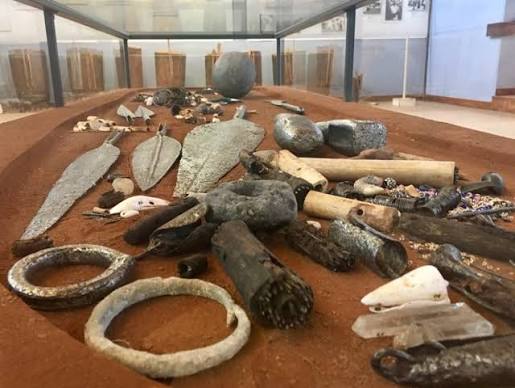
The museum houses more than 10,000 artefacts, making it an important destination for researchers, historians, students and international visitors interested in East African cultural heritage.
Its exhibitions use historical photographs, traditional objects and visual displays to explain Rwanda’s cultural development, from pre-colonial society to the modern era.
What to Expect During a Tour of the Ethnographic Museum
The museum has seven main exhibition galleries, each presenting different aspects of Rwanda’s history, traditional lifestyle and cultural development.
A guided visit allows travellers to explore these collections while learning about the significance of different artefacts.
1. Exploring Rwanda’s Traditional History
One of the most interesting aspects of the museum is its presentation of Rwanda’s traditional history.
Visitors discover how communities organised their lives before modernisation, including their social structures, leadership systems, economic activities and cultural practices.
Historical photographs and traditional objects help explain how Rwandan communities lived, interacted and maintained their cultural identity.
The displays also provide insights into the country’s historical development and the changes that took place during the colonial and post-colonial periods.
2. Traditional Agriculture and Farming Practices
Agriculture has historically been an important part of Rwanda’s economy and everyday life.
At the Ethnographic Museum, visitors learn about traditional farming practices, agricultural tools and the crops that supported rural communities.
The exhibitions demonstrate how communities prepared their land, planted crops, harvested agricultural produce and stored food.
Visitors can discover the importance of traditional crops such as bananas, sorghum, beans, maize and sweet potatoes in Rwandan households.
The displays also explain how farming activities influenced settlement patterns, food production and community cooperation.
For travellers interested in African rural lifestyles, this section provides an interesting understanding of the relationship between Rwandan communities and agriculture.
3. Traditional Pottery and Craftsmanship
Traditional pottery is another important cultural subject explored at the museum.
For generations, pottery played an important role in household activities, particularly in the preparation, storage and transportation of food and beverages.
Visitors learn how traditional potters used locally available clay to produce different household objects.
The exhibits demonstrate the skills involved in shaping, decorating and firing pottery using traditional techniques.
Other forms of craftsmanship are also represented, allowing visitors to appreciate the creativity and technical knowledge of earlier Rwandan communities.
4. Traditional Basket Weaving
Basket weaving is among Rwanda’s most recognisable traditional crafts.
Visitors can discover different types of woven baskets, their construction techniques and their uses within traditional households.
Basketry served several purposes, including storing food, carrying agricultural products and presenting gifts during cultural ceremonies.
The museum introduces visitors to the materials used in traditional weaving and the skills required to create different designs.
Rwanda’s beautifully decorated baskets also represent an important aspect of the country’s artistic identity.
Some visitors may have the opportunity to explore traditional handicrafts and artisan products associated with the museum’s craft centre.
5. Traditional Hunting and Fishing Practices
The museum also explores how earlier Rwandan communities obtained food through hunting and fishing.
Visitors discover the traditional tools and techniques used to catch wild animals and fish.
The exhibits help explain how people interacted with their natural environment and developed practical knowledge of local ecosystems.
Traditional hunting equipment, fishing methods and related household objects provide insights into historical food-gathering practices.
This section is particularly interesting for travellers who enjoy learning about the historical relationship between African communities and wildlife.
6. Traditional Livestock Keeping
Livestock keeping has played an important role in Rwanda’s traditional economy and social organisation.
Cattle were particularly significant, representing wealth, prestige, social relationships and cultural identity.
At the museum, visitors learn about traditional animal husbandry, cattle management and the importance of livestock within rural communities.
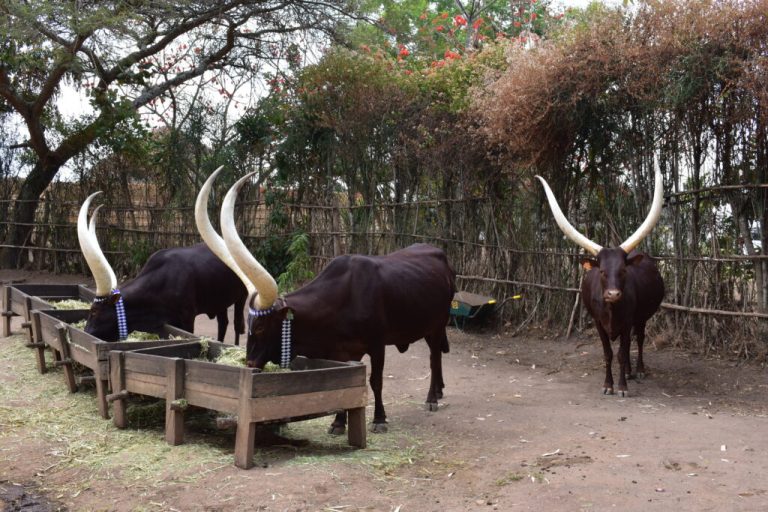
The cultural significance of cattle is also connected to the history of Rwanda’s monarchy, where special long-horned cattle known as Inyambo were associated with royal ceremonies.
Travellers can gain a deeper understanding of these traditions by combining their museum visit with an excursion to the King’s Palace Museum in Nyanza, where the royal cattle heritage can also be explored.
7. Traditional Clothing and Dressing Styles
Another fascinating part of the museum introduces visitors to traditional Rwandan clothing.
Before modern clothing became widespread, communities used locally available materials and traditional techniques to produce garments.
The exhibitions demonstrate how clothing reflected cultural identity, social status, age and particular ceremonial occasions.
Visitors learn about traditional fabrics, dressing styles and accessories that were historically used in different communities.
The displays also explain how clothing practices changed over time as Rwanda experienced cultural interactions and modernisation.
8. Traditional Rwandan Architecture
Traditional architecture is another important subject presented at the Ethnographic Museum.
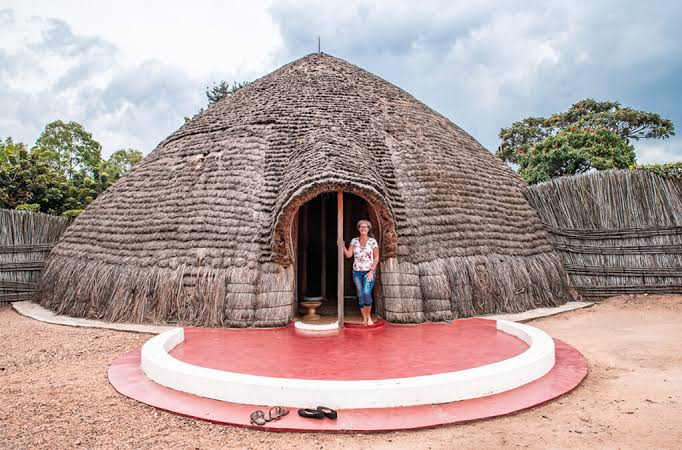
Visitors discover how traditional houses were constructed using locally available materials, including wood, grass and other natural resources.
The displays demonstrate how building designs reflected environmental conditions, household needs and cultural practices.
Traditional architecture also provides insights into the organisation of family life and the relationship between indoor and outdoor spaces.
This experience is particularly interesting for visitors who want to understand how Rwandan communities designed their homes before the introduction of modern construction materials.
9. Traditional Music, Poetry and Oral Traditions
Music, poetry, storytelling and oral traditions have historically played important roles in preserving Rwanda’s cultural identity.
The museum introduces visitors to traditional forms of artistic expression and the ways communities passed historical knowledge from one generation to another.
Visitors can learn about traditional songs, ceremonial performances, storytelling and poetry.
Oral traditions were particularly important before written historical records became widespread, helping communities preserve their histories, values and collective memories.
10. Traditional Beliefs and Cultural Practices
The museum also explores traditional Rwandan beliefs, customs and cultural practices.
Visitors gain insights into how earlier communities understood their environment, organised ceremonies and maintained relationships within society.
The exhibitions introduce traditional values, social responsibilities, community celebrations and practices associated with different stages of life.
This section helps travellers appreciate the cultural foundations of Rwanda and understand how some traditions have continued to influence modern society.
The Importance of the Ethnographic Museum to Rwanda’s Cultural Heritage
The Ethnographic Museum is more than a tourist attraction. It plays an important role in preserving Rwanda’s cultural identity and historical knowledge.
Its extensive collections protect artefacts that help explain how previous generations lived, worked and interacted with their environment.
The museum also contributes to education and research by providing opportunities for students, historians and cultural researchers to study Rwanda’s heritage.
Its importance includes:
-
Preserving traditional artefacts and historical objects.
-
Promoting awareness of Rwanda’s cultural identity.
-
Educating younger generations about traditional lifestyles.
-
Supporting historical and archaeological research.
-
Encouraging cultural tourism in Southern Rwanda.
-
Promoting traditional craftsmanship and artistic heritage.
For international visitors, the museum offers a valuable introduction to Rwanda beyond its wildlife and natural attractions.
How to Get to the Ethnographic Museum in Butare
The Ethnographic Museum is located in Huye, approximately 135 kilometres from Kigali.
Visitors can access it through several transportation options.
By Private Safari Vehicle
Travelling by private safari vehicle is one of the most convenient ways to reach the museum.
A private vehicle allows you to travel comfortably from Kigali while enjoying Rwanda’s countryside.
You can also make stops along the way for photography, refreshments and sightseeing.
For visitors booking a cultural safari with Book Gorilla Tracking, private transportation can be arranged according to the preferred itinerary.
By Public Bus
Travellers can also use public transportation from Kigali to Huye.
Buses operating from Kigali’s Nyabugogo bus terminal serve the southern route.
Upon arrival in Huye, visitors can arrange local transportation to the museum.
From Nyanza
Visitors exploring the King’s Palace Museum in Nyanza can continue to Huye to visit the Ethnographic Museum.
This combination is particularly recommended because the two attractions provide complementary perspectives on Rwanda’s history.
The King’s Palace focuses on royal heritage and traditional monarchy, while the Ethnographic Museum explores broader aspects of everyday life, craftsmanship and cultural development.
Ethnographic Museum Entrance Fees
The Rwanda Cultural Heritage Academy publishes different entrance fees depending on the visitor’s nationality and residency category.
The published adult admission fees are:
| Visitor category | Adult entrance fee |
|---|---|
| Rwandans and residents | RWF 4,000 |
| Africans and African-country residents | RWF 8,000 |
| International visitors | RWF 15,000 |
Student admission rates are also available at reduced prices. The published admission includes the exhibition and artcraft experience category.
rwandaheritage.gov.rw
Visitors should confirm current charges and any additional arrangements for guided experiences directly with the museum before visiting.
Ethnographic Museum Opening Hours
According to the Rwanda Cultural Heritage Academy, national museums generally operate daily from 9:00 am to 5:00 pm.
On the last Saturday of every month, when Umuganda community work takes place, museums open at midday.
The museum is closed on:
-
7 April, during the commemoration of the 1994 Genocide against the Tutsi.
-
25 December, Christmas Day.
-
1 January, New Year’s Day.
rwandaheritage.gov.rw
It is advisable to arrive early enough to explore all seven galleries without rushing.
Best Time to Visit the Ethnographic Museum
The Ethnographic Museum can be visited throughout the year because most of its attractions are indoors.
However, the drier months from June to September are particularly convenient for travellers combining the museum with other outdoor attractions in Southern Rwanda.
December to February is another suitable period for cultural excursions.
During the rainy seasons, visitors may experience occasional heavy showers, so arranging reliable transportation is recommended.
Since the museum is primarily an indoor attraction, weather conditions generally have little impact on the actual cultural experience.
Other Attractions to Combine with the Ethnographic Museum
Huye and the surrounding Southern Province offer several attractions that can complement a museum visit.
1. King’s Palace Museum in Nyanza
The King’s Palace Museum is one of Rwanda’s most important historical attractions.
Located in Nyanza, the museum preserves the heritage of the former Rwandan monarchy.
Visitors can explore the traditional beehive-shaped royal residence, learn about King Mutara III Rudahigwa and discover the cultural importance of the Inyambo cattle.
Combining the King’s Palace with the Ethnographic Museum provides a broader understanding of Rwanda’s royal history and traditional lifestyle.
2. Butare Cathedral
The Butare Cathedral is another historical attraction worth exploring.
The cathedral is an important religious landmark in Huye and is associated with Rwanda’s colonial-era history.
Its architecture and historical background make it an interesting stop for travellers exploring the town.
Visitors should respect church activities and confirm access arrangements before visiting.
3. University of Rwanda – Huye Campus
The University of Rwanda has an important presence in Huye.
The town has historically been recognised as an educational centre, attracting students and researchers from different parts of Rwanda and beyond.
Visitors can appreciate Huye’s academic atmosphere and its contribution to Rwanda’s education and intellectual development.
4. Nyungwe National Park
The Nyungwe National Park is an excellent destination for travellers interested in nature and wildlife.
The park protects an extensive montane rainforest ecosystem and is famous for chimpanzees, other primates and exceptional birdlife.
Popular activities include:
-
Chimpanzee tracking.
-
Canopy walkway experiences.
-
Forest nature walks.
-
Birdwatching.
-
Colobus monkey tracking.
-
Guided forest excursions.
Combining the Ethnographic Museum with Nyungwe National Park creates an interesting cultural and wildlife holiday in Southern Rwanda.
5. Mount Huye
Mount Huye is another interesting destination for visitors exploring the surrounding area.
The mountain and its surrounding landscapes provide opportunities to appreciate Rwanda’s beautiful highland scenery.
Travellers interested in outdoor activities can enquire about suitable guided excursions and nature experiences.
Can You Combine the Ethnographic Museum with Gorilla Trekking?
Yes. A visit to the Ethnographic Museum can be incorporated into a longer Rwanda cultural and gorilla trekking safari.
For visitors travelling to Rwanda primarily to see mountain gorillas, adding cultural attractions creates a more comprehensive holiday.
You can begin with Kigali city sightseeing, explore the Ethnographic Museum and King’s Palace Museum, and then proceed to Volcanoes National Park for mountain gorilla trekking.
This combination allows visitors to discover Rwanda’s history, cultural heritage and wildlife within one itinerary.
Suggested 6-Day Rwanda Cultural and Gorilla Trekking Safari
Day 1: Arrival in Kigali
Upon arrival at Kigali International Airport, meet your safari representative and transfer to your hotel.
Depending on your arrival time, enjoy a Kigali city tour featuring selected historical and cultural attractions.
Day 2: Kigali to Nyanza – King’s Palace Museum
After breakfast, depart Kigali for Nyanza in Southern Rwanda.
Visit the King’s Palace Museum and discover Rwanda’s royal history, traditional architecture and Inyambo cattle.
Continue to Huye or return to your accommodation depending on the agreed itinerary.
Day 3: Ethnographic Museum Tour and Transfer to Nyungwe
After breakfast, visit the Ethnographic Museum in Huye.
Explore its seven galleries and learn about traditional Rwandan agriculture, craftsmanship, architecture, clothing, music and social organisation.
After the museum visit, continue towards Nyungwe National Park for an overnight stay.
Day 4: Chimpanzee Tracking in Nyungwe National Park
After an early breakfast, transfer to the designated park briefing point for chimpanzee tracking.
Accompanied by experienced guides, enter the rainforest in search of chimpanzees.
Enjoy observing these fascinating primates in their natural habitat.
Depending on your interests and available time, you can also consider a canopy walkway experience.
Day 5: Transfer to Volcanoes National Park
After breakfast, depart Nyungwe and travel towards Volcanoes National Park.
Enjoy the beautiful landscapes of Rwanda along the journey.
Arrive at your lodge, relax and prepare for the following day’s gorilla trekking experience.
Day 6: Mountain Gorilla Trekking and Departure Arrangements
After an early breakfast, proceed to the park headquarters for a briefing.
Accompanied by experienced park rangers, enter the forest in search of an assigned mountain gorilla family.
Once located, enjoy the authorised observation period, watching the gorillas interact, feed and care for their young.
After the trek, return to your lodge and arrange your transfer to Kigali depending on your international flight schedule.
Note: This itinerary involves substantial road transfers and can be adjusted to include additional nights for a more relaxed experience.
What to Pack for an Ethnographic Museum Tour
A visit to the museum does not require specialised equipment. However, carrying a few essentials can make your excursion more comfortable.
Consider packing:
-
Comfortable walking shoes.
-
Lightweight clothing.
-
A camera or smartphone, subject to museum photography regulations.
-
A notebook and pen for recording interesting historical information.
-
Drinking water.
-
Sunglasses.
-
Some local currency for personal purchases.
If combining the museum visit with Nyungwe National Park, pack appropriate rainforest trekking clothing and footwear.
Why Book Your Ethnographic Museum Tour with Book Gorilla Tracking?
At Book Gorilla Tracking, we believe that exploring Rwanda should go beyond mountain gorilla trekking. The country has a fascinating combination of cultural heritage, historical attractions, wildlife and beautiful landscapes.
We organise customised Rwanda cultural tours and wildlife safaris, allowing visitors to explore destinations according to their interests, travel schedules and budgets.
When booking your Ethnographic Museum excursion with us, you can benefit from:
-
Private transportation with experienced safari drivers.
-
Knowledgeable local guides.
-
Flexible cultural excursion arrangements.
-
Visits to Rwanda’s important historical attractions.
-
Combination tours featuring the King’s Palace Museum.
-
Gorilla trekking and chimpanzee tracking packages.
-
Accommodation arrangements based on your preferred budget.
-
Tailor-made itineraries for individuals, couples, families and groups.
Whether you want a short cultural excursion from Kigali or a longer Rwanda safari combining cultural experiences with primate tracking, we can help organise a memorable journey.
Frequently Asked Questions About the Ethnographic Museum in Butare
1. Where is the Ethnographic Museum located?
The Ethnographic Museum is located in Huye District, Southern Province, Rwanda. Huye was formerly known as Butare.
2. What is the Ethnographic Museum famous for?
The museum is famous for its extensive collection of traditional Rwandan artefacts, historical photographs, archaeological objects and cultural exhibitions.
3. How many galleries does the Ethnographic Museum have?
The museum has seven main exhibition galleries showcasing different aspects of Rwanda’s cultural heritage, traditional lifestyle and history.
4. When was the Ethnographic Museum established?
The museum was inaugurated on 18 September 1989 and was originally known as the National Museum of Rwanda.
5. How far is the Ethnographic Museum from Kigali?
The museum is approximately 135 kilometres from Kigali. The road journey generally takes between two and three hours.
6. How much does it cost to visit the Ethnographic Museum?
The published adult admission fee is RWF 4,000 for Rwandans and residents, RWF 8,000 for Africans and residents of African countries, and RWF 15,000 for international visitors. Fees should be reconfirmed before travelling.
7. How long does a museum visit take?
Allow approximately two to three hours to explore the seven galleries and appreciate the different cultural exhibitions.
8. Can I combine the Ethnographic Museum with the King’s Palace?
Yes. The two attractions are excellent additions to the same cultural itinerary. The King’s Palace Museum is located in Nyanza, while the Ethnographic Museum is in Huye.
9. Is the Ethnographic Museum suitable for children?
Yes. The museum is an educational attraction where children can learn about traditional lifestyles, craftsmanship, architecture and Rwanda’s history.
10. Can I visit the Ethnographic Museum before going gorilla trekking?
Yes. The museum can be included in a multi-day Rwanda safari before proceeding to Volcanoes National Park for mountain gorilla trekking.
11. Is a tour guide necessary at the Ethnographic Museum?
A knowledgeable guide is highly recommended. A guide helps explain the historical background, cultural significance and traditional uses of the different artefacts.
12. What other attractions can I visit in Huye?
Other attractions and experiences include Butare Cathedral, the University of Rwanda’s Huye campus, Mount Huye and local cultural and craft experiences.
Conclusion: Plan Your Ethnographic Museum Tour with Book Gorilla Tracking
A tour to the Ethnographic Museum in Butare is an excellent opportunity to discover Rwanda’s rich cultural heritage and traditional history.
From exploring traditional agricultural practices and craftsmanship to learning about pottery, basket weaving, clothing, architecture and oral traditions, the museum provides a fascinating introduction to how Rwandan communities lived and developed over generations.
Its seven galleries and extensive collection of historical artefacts make it one of the country’s most valuable cultural attractions.
For travellers planning a Rwanda holiday, the museum is an excellent addition to a cultural tour featuring the King’s Palace Museum, Kigali city sightseeing or a wildlife safari to Nyungwe and Volcanoes National Parks.
Contact Book Gorilla Tracking to organise your Ethnographic Museum tour and discover the fascinating cultural heritage of Rwanda.