+256-702 595 926 | info@bookgorillatracking.com

Habinyanja Gorilla Family in Bwindi, Uganda | Buhoma Trekking Guide

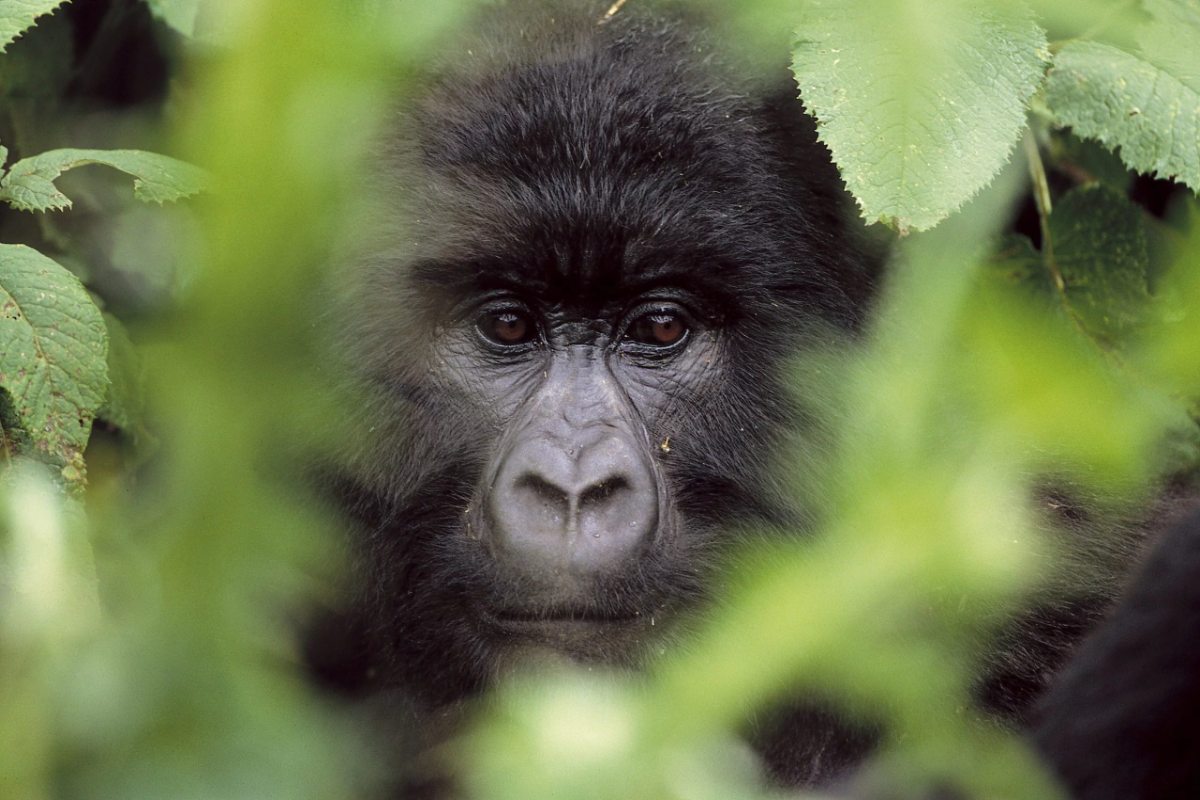
Habinyanja Gorilla Family in Bwindi Impenetrable National Park, Uganda
The Habinyanja Gorilla Family is one of the well-known habituated mountain gorilla groups in Buhoma Sector of Bwindi Impenetrable National Park, southwestern Uganda. It is among the groups that helped establish gorilla tourism in Bwindi and has an interesting history involving leadership changes and a peaceful split that led to the formation of the Rushegura Gorilla Family.
The name Habinyanja is derived from the local word Nyanja, meaning a place with water. The group was named after a swampy area where it was first sighted in Bwindi Forest.
Habituation of the Habinyanja group began in 1996, and it subsequently became available for tourist visits. The family is known for ranging across different parts of the forest, sometimes moving away from its traditionally known home range.
According to the International Gorilla Conservation Programme (IGCP), the Habinyanja Gorilla Family had 13 members as of 31 January 2024, with silverback Makara identified as its leader in that record. Gorilla family composition changes naturally over time, so this historical figure should not be treated as a confirmed 2026 population.
For travellers planning a Uganda gorilla trekking safari, Habinyanja offers an opportunity to observe mountain gorillas in their natural habitat while exploring the ancient rainforest of Bwindi.
Where Is the Habinyanja Gorilla Family Located?
The Habinyanja Gorilla Family is found in the Buhoma Sector of Bwindi Impenetrable National Park, located in Kanungu District in southwestern Uganda.
Buhoma is in the northern part of Bwindi and is historically significant because it was the first sector developed for gorilla tourism in Uganda. The first gorilla family opened to tourism in Bwindi was Mubare, in 1993.
Buhoma is home to several habituated gorilla families and offers visitors opportunities for gorilla trekking, birdwatching, forest walks and community-based tourism.
The Habinyanja group is known for ranging over a relatively wide area. Its movements mean that the trekking distance and difficulty can vary from one day to another.
How to Reach Buhoma from Kampala or Entebbe
Visitors travelling from Kampala or Entebbe can reach Buhoma by road through southwestern Uganda.
The journey commonly follows the route through Masaka, Mbarara, Ntungamo, Rukungiri and Kihihi before continuing to Buhoma. Depending on the starting point, road conditions and stops, the drive can take approximately 8–11 hours.
Travellers can also arrange a domestic flight from Entebbe or Kajjansi to an airstrip serving the Buhoma area, followed by a road transfer to their lodge.
How to Reach Buhoma from Kigali, Rwanda
Buhoma can also be reached from Kigali through the Uganda-Rwanda border. The journey involves crossing into Uganda and continuing through southwestern Uganda to the northern side of Bwindi.
This route can be useful for travellers combining Rwanda and Uganda in one safari. The journey time depends on the selected border crossing, immigration procedures, road conditions and the final destination.
Visitors should confirm the appropriate border crossing and travel arrangements with their tour operator before departure.
History of the Habinyanja Gorilla Family
The Habinyanja Gorilla Family has a long history in Bwindi and is particularly interesting because of its early leadership structure and the formation of the Rushegura group.
Habituation and Early History
Habituation of the Habinyanja group began in 1996. This process involved gradually introducing the gorillas to the presence of researchers and trackers so that they could eventually be observed under controlled tourism conditions.
The group was initially associated with a dominant silverback named Mukurusi. Following his death, leadership dynamics changed among the mature males in the family.
Two silverbacks, Rwansigazi and Mwirima, became central to the group’s leadership. They initially shared the responsibility of leading the family.
The Split That Formed the Rushegura Gorilla Family
In February 2002, the Habinyanja group divided into two separate groups.
The separation was associated with differences in ranging preferences between the two leading silverbacks. Rwansigazi favoured travelling over a wider home range, while Mwirima preferred to remain within a smaller area.
Rather than resulting in a prolonged violent confrontation, the separation occurred peacefully.
The group that remained under Rwansigazi retained the name Habinyanja, while Mwirima left with several members to establish the Rushegura Gorilla Family.
This split is an important part of Bwindi’s gorilla conservation history because it illustrates how mountain gorilla social groups can change through natural behavioural and social processes.
Silverback Leadership Today
Silverbacks play an important role in mountain gorilla family structure. They provide leadership, help maintain group cohesion and can protect members from threats.
IGCP identifies Makara as the leader of Habinyanja in its family record. This information is associated with the organisation’s published record and should not be interpreted as a guarantee that leadership has remained unchanged since the record was last updated.
The group’s social structure can change as younger males mature, females transfer between groups and new infants are born.
How Many Members Are in the Habinyanja Gorilla Family?
The International Gorilla Conservation Programme recorded 13 members in the Habinyanja Gorilla Family as of 31 January 2024.
The published record identifies the family as having two silverbacks, alongside adult females and younger individuals. Its composition is subject to natural changes, including births, deaths, maturation and movement between groups.
Some older tourism websites report a larger family size, including figures of approximately 18 members. These figures may refer to earlier observations or different reporting periods.
For accurate information, the IGCP figure should be presented with its update date rather than described as the family’s current 2026 population.
Why Do Gorilla Family Sizes Change?
Mountain gorilla families are not permanent, fixed groups. Their composition changes for several reasons:
- Births: Adult females give birth, increasing the number of infants.
- Maturation: Young gorillas grow into juveniles, sub-adults and adults.
- Deaths: Gorillas may die from natural causes, illness or injuries.
- Group transfers: Some individuals move from one family to another.
- Group splits: A mature silverback may leave an existing group and establish a new family.
These natural changes explain why different sources sometimes report different group sizes.
What Makes the Habinyanja Gorilla Family Interesting?
The Habinyanja group has several features that make it an interesting family to learn about during a Bwindi gorilla trekking safari.
1. Its Historical Importance
Habinyanja is among the established habituated groups in Bwindi. Its history is connected to the early development of gorilla tourism and conservation in the park.
2. Its Connection with the Rushegura Family
The formation of Rushegura in February 2002 makes Habinyanja particularly interesting for visitors who want to understand gorilla social behaviour.
The two families share a common history but developed into separate groups following the split.
3. Its Wide-Ranging Behaviour
IGCP describes Habinyanja as a group that ranges further and colonises new areas away from its originally known home range beyond Buhoma.
This movement can affect the duration and difficulty of tracking. Visitors should be prepared for a hike through uneven forest terrain.
4. Its Social Structure
The group includes mature silverbacks, females and younger gorillas. Observing how individuals interact can help visitors appreciate the complex social relationships within mountain gorilla families.
Habinyanja Gorilla Trekking Experience in Bwindi
Gorilla trekking with the Habinyanja group is a guided forest experience that begins at the Buhoma visitor centre.
Visitors report to the designated reception for permit validation, registration and a briefing. UWA guides and trackers then organise the trekking groups and provide instructions before entering the forest.
Trackers help locate the gorillas by following signs of their movements, such as nests, feeding areas and fresh vegetation remains.
Once the group is located, visitors are allowed to spend a maximum of one hour observing the gorillas, subject to the park’s rules and instructions.
How Long Does Habinyanja Gorilla Trekking Take?
The duration of a Habinyanja trek depends on where the family is located on the day of the visit.
Some treks may involve a relatively short walk, while others require several hours of hiking through steep terrain and dense vegetation.
UWA indicates that gorilla tracking in Bwindi can take approximately two to seven hours, depending on the location of the gorillas and the conditions in the forest.
Visitors should therefore prepare for a physically demanding activity rather than expecting a fixed trekking distance or duration.
Is Habinyanja Gorilla Trekking Difficult?
Habinyanja trekking can be moderately challenging or strenuous depending on the group’s location.
Bwindi is a mountainous rainforest with steep slopes, narrow trails, thick vegetation and sometimes muddy ground. The family is also known for ranging over a relatively wide area.
Visitors should prepare by:
- Walking regularly before their safari.
- Bringing waterproof hiking boots with good grip.
- Wearing long trousers and long-sleeved shirts.
- Carrying a waterproof jacket or rain poncho.
- Bringing drinking water and energy snacks.
- Hiring a porter if they need help carrying their backpack or support on difficult sections.
A walking stick can also be useful on steep and slippery sections of the trail.
Can You Book a Permit Specifically for the Habinyanja Gorilla Family?
Visitors cannot normally guarantee a visit to the Habinyanja Gorilla Family simply by requesting its name when purchasing a gorilla permit.
Uganda Wildlife Authority organises permits according to the trekking date and designated entry point. Visitors are allocated to a specific gorilla family on the day of tracking, following the park’s operational arrangements.
If you want to trek in Buhoma, you should arrange a permit for the Buhoma entry point.
You may communicate your preference for Habinyanja to your tour operator, but the final allocation is made by park authorities. A responsible tour operator should not promise a specific family unless UWA has explicitly confirmed the allocation.
How Much Does a Habinyanja Gorilla Trekking Permit Cost?
There is no separate permit price for the Habinyanja Gorilla Family. Visitors purchase a standard Uganda gorilla trekking permit for the selected park entry point.
Permit fees depend on the visitor’s category under the applicable Uganda Wildlife Authority tariff. These categories include foreign non-residents, foreign residents, rest-of-Africa citizens and East African Community citizens.
Permit prices can change when UWA introduces a new tariff. Confirm the current fee and eligibility requirements before making payment.
The standard gorilla trekking permit allows visitors to participate in the guided tracking activity and spend up to one hour with the assigned gorilla family.
Accommodation, transport, meals, porter services and other safari activities are separate expenses unless included in a tour package.
How to Book a Habinyanja Gorilla Trekking Safari
The best way to arrange a Habinyanja trekking experience is to secure a permit for Buhoma and organise the other safari arrangements around the selected date.
Follow these steps:
Step 1: Choose Your Trekking Date
Select the date you want to visit Bwindi. Consider your international arrival, departure and other safari activities when planning the itinerary.
Step 2: Request a Buhoma Gorilla Permit
Contact UWA or a licensed local tour operator to check permit availability for the Buhoma entry point.
Foreign non-resident and rest-of-Africa permits must be arranged through a tour operator licensed by the Uganda Tourism Board, in accordance with UWA’s published booking guidelines.
Step 3: Provide Your Passport Details
Provide the traveller information required for the permit booking. Ensure that names and other identification details match the passport or travel document.
Step 4: Confirm Payment
Follow the authorised payment process and obtain confirmation of the permit booking.
Keep your payment receipt and permit details for the trekking day.
Step 5: Book Accommodation Near Buhoma
Choose accommodation that allows you to reach the Buhoma visitor centre conveniently on the morning of your trek.
Staying near the sector the night before tracking is recommended because the briefing takes place early in the morning.
Step 6: Arrange Transport
Organise a private vehicle or domestic flight and transfer to Buhoma.
If you are travelling from Kigali, confirm the border crossing and allow enough time for immigration procedures and the drive to Bwindi.
Step 7: Attend the Morning Briefing
Report to the Buhoma visitor centre at the time communicated by UWA or your tour operator.
Your permit will be checked, and you will receive a briefing before being allocated to a gorilla family.
What Are the Rules for Habinyanja Gorilla Trekking?
Gorilla trekking is carefully regulated to protect mountain gorillas and visitors. All travellers must follow the instructions of UWA guides and trackers.
Important rules include:
- Minimum age: Visitors must be at least 15 years old.
- Maximum group size: A maximum of eight visitors may visit one habituated gorilla group per day.
- Viewing time: Visitors are allowed a maximum of one hour with the gorillas.
- Distance: Maintain the recommended distance of at least 10 metres, following the ranger’s instructions and any updated guidance.
- Health: Do not visit the gorillas if you have a cold, flu or another infectious illness.
- Photography: Flash photography is prohibited.
- Noise: Keep your voice low and avoid sudden movements.
- Eating and drinking: Do not eat or drink while viewing the gorillas.
- Smoking: Smoking is not allowed during the tracking experience.
- Litter: Do not leave rubbish in the forest.
- Gorilla behaviour: Follow your guide’s instructions if a gorilla approaches or displays unusual behaviour.
These rules help reduce the risk of disease transmission and minimise disturbance to the gorillas.
Best Time to Trek the Habinyanja Gorilla Family
Gorilla trekking in Buhoma is available throughout the year. However, seasonal weather conditions can influence the difficulty of the forest hike.
Dry Seasons: June to September and December to February
These periods generally have less rainfall and can provide more favourable trail conditions.
The drier months are popular with international visitors, so permits and accommodation should be booked early.
Rainy Seasons: March to May and October to November
Rainfall is generally higher during these months. Trails may become muddy and slippery, making some sections more difficult.
However, the forest is lush, and visitors can enjoy the rainforest atmosphere. Rain can occur in Bwindi at any time of year, so waterproof clothing is recommended regardless of the travel season.
The best time for a Habinyanja trek also depends on the family’s location and the daily tracking arrangements.
Where to Stay for Habinyanja Gorilla Trekking
Visitors tracking the Habinyanja family should choose accommodation in or near Buhoma.
The area has a range of accommodation options, including budget camps, mid-range lodges and luxury safari properties.
When choosing accommodation, consider:
- Distance from the Buhoma visitor centre.
- Your travel budget.
- Whether meals and transfers are included.
- Road access and the condition of the access route.
- Whether you are combining trekking with other activities in Bwindi.
It is advisable to confirm lodge availability and the exact location before booking, particularly during busy travel periods.
Other Activities to Combine with Habinyanja Gorilla Trekking
A visit to Buhoma can be combined with other activities in Bwindi and the surrounding communities.
1. Buhoma Community Walk
A community walk offers an opportunity to learn about local life, traditional practices and community conservation initiatives around Bwindi.
2. Bwindi Forest Nature Walks
Visitors can explore designated forest trails with guides, discovering the park’s vegetation, birdlife, butterflies and other wildlife.
3. Birdwatching in Bwindi
Bwindi is an important birding destination with many Albertine Rift species. Birdwatching can be arranged before or after the gorilla trek.
4. Batwa Cultural Experience
The Batwa cultural experience introduces visitors to the history, traditional forest knowledge and cultural heritage of the Batwa communities.
5. Queen Elizabeth National Park Safari
Travellers with additional time can continue to Queen Elizabeth National Park for game drives and a boat cruise along the Kazinga Channel.
6. Kibale Chimpanzee Tracking
A longer Uganda primate safari can include chimpanzee tracking in Kibale National Park. This allows visitors to experience two different great ape encounters during one holiday.
Habinyanja Gorilla Family vs Rushegura Gorilla Family
Habinyanja and Rushegura are two separate gorilla families in Buhoma, but they share an important history.
Rushegura was formed in February 2002 when silverback Mwirima left the original Habinyanja group with several members. The group that remained under Rwansigazi retained the Habinyanja name.
The two families therefore have a common origin, but they are managed as separate groups for conservation and tourism purposes.
The main difference for visitors is not simply the family name. Their movements, daily location and trekking conditions may differ. The park authorities determine which group visitors are allocated to on the trekking day.
Frequently Asked Questions About the Habinyanja Gorilla Family
1. Where is the Habinyanja Gorilla Family found?
The Habinyanja Gorilla Family is found in the Buhoma Sector of Bwindi Impenetrable National Park in southwestern Uganda.
2. How many gorillas are in the Habinyanja family?
IGCP recorded 13 members as of 31 January 2024. This is a dated population record, not a confirmed 2026 count. Gorilla family composition changes over time.
3. Who is the leader of the Habinyanja Gorilla Family?
IGCP identifies silverback Makara as the leader in its published family record. Leadership can change, so this should not be treated as a guarantee of the group’s current leadership.
4. What does Habinyanja mean?
The name comes from the local word Nyanja, meaning a place with water. The family was named after a swampy area where it was first sighted in Bwindi.
5. When was the Habinyanja Gorilla Family habituated?
Habituation began in 1996, according to IGCP’s family profile.
6. When did the Habinyanja group split?
The group split in February 2002. The separation resulted in the formation of the Rushegura Gorilla Family under silverback Mwirima, while the remaining group retained the Habinyanja name.
7. Can I specifically book the Habinyanja Gorilla Family?
A standard permit is booked for the Buhoma entry point and a selected trekking date. UWA allocates visitors to a particular family on the trekking day, so a visit to Habinyanja cannot normally be guaranteed by name.
8. How long does Habinyanja gorilla trekking take?
The trek can take several hours, depending on the location of the family. UWA indicates that gorilla tracking in Bwindi can take approximately two to seven hours.
9. How long can I stay with the Habinyanja gorillas?
Standard gorilla trekking allows a maximum of one hour with the gorillas after they have been located.
10. Is Habinyanja Gorilla Trekking difficult?
The difficulty depends on where the family is located. Buhoma has steep forest terrain, and the group is known for ranging over a wide area. Visitors should have reasonable fitness and bring suitable hiking equipment.
11. What is the minimum age for Habinyanja gorilla trekking?
The minimum age for gorilla trekking in Uganda is 15 years.
12. Can I combine Habinyanja gorilla trekking with other activities?
Yes. Visitors can combine gorilla trekking with birdwatching, forest walks, the Batwa cultural experience, community visits and longer wildlife safaris in Queen Elizabeth National Park.
Plan Your Habinyanja Gorilla Trekking Safari with Book Gorilla Tracking
The Habinyanja Gorilla Family is an important part of Bwindi’s gorilla conservation and tourism history. Its connection with the formation of the Rushegura group, its changing social structure and its wide-ranging behaviour make it an interesting family to learn about when visiting Buhoma.
A successful gorilla trekking safari requires more than securing a permit. Travellers also need to choose the right entry point, arrange accommodation, plan transport and prepare for a hike through a mountainous rainforest.
Book Gorilla Tracking can help organise your Uganda gorilla trekking safari, including Buhoma permits, accommodation, transport and customised itineraries. We can also arrange combined gorilla and chimpanzee tracking holidays, wildlife safaris and cultural experiences.
Contact Book Gorilla Tracking to check permit availability and start planning your Habinyanja-area gorilla trekking adventure in Bwindi Impenetrable National Park.
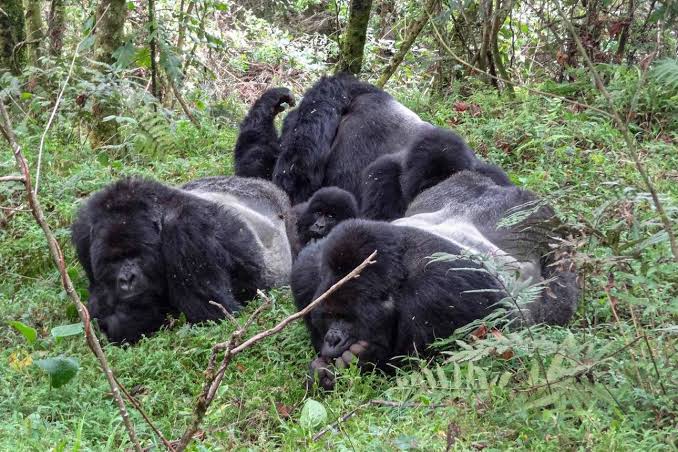
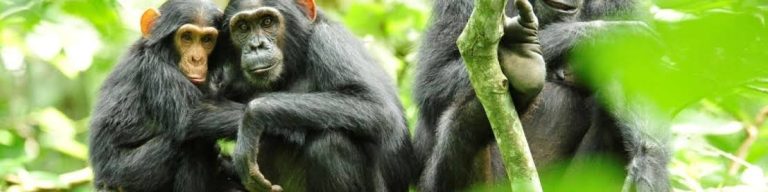
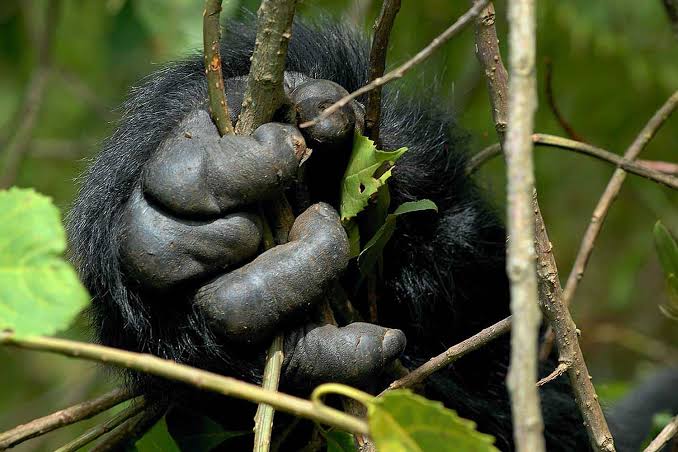
[…] principal habituated mountain gorilla families commonly associated with gorilla trekking: Mubare, Habinyanja, Rushegura and Katwe. It is located in the northern part of Bwindi Impenetrable National Park, in […]