Call: +256 702 595 926 | Email: info@bookgorillatracking.com

Sempaya Hot Springs Tour, Uganda | Raptors Africa Safaris

A Tour to Sempaya Hot Springs in Semuliki National Park, Uganda
Introduction: Discover Sempaya Hot Springs in Uganda
A tour to Sempaya Hot Springs is one of the most fascinating nature experiences you can enjoy in western Uganda. Located inside Semuliki National Park in Bundibugyo District, Sempaya is famous for its spectacular boiling geothermal waters, steaming vents, tropical rainforest, and cultural significance to surrounding communities.
Unlike conventional hot springs where visitors relax in warm pools, Sempaya offers a dramatic encounter with the Earth’s natural heat. Visitors follow a guided forest trail to discover bubbling water, rising steam, and geothermal features that reveal the geological forces shaping the Albertine Rift Valley.
The attraction features two famous springs: Bintente, traditionally known as the male hot spring, and Nyasimbi, known as the female hot spring. Together, they form the principal highlight of a visit to Semuliki National Park.
For travelers exploring Uganda with Raptors Africa Safaris, a Sempaya Hot Springs tour offers a refreshing alternative to conventional game drives. The excursion combines nature, geology, photography, birdwatching, and cultural discovery in one of Uganda’s most distinctive forest environments.
Whether you are planning a day trip from Fort Portal or a longer western Uganda safari, Sempaya Hot Springs deserve a place on your itinerary.
Where Are Sempaya Hot Springs Located?
Sempaya Hot Springs are located within Semuliki National Park in Bundibugyo District, western Uganda.
The park lies along the floor of the Albertine Rift Valley, west of the Rwenzori Mountains and near the Uganda–Democratic Republic of the Congo border. Its lowland tropical rainforest is an eastern extension of the wider Congo Basin forest ecosystem, giving the area distinctive vegetation and birdlife.
Fort Portal is a convenient starting point for many travelers visiting the springs. The journey takes you through scenic countryside toward the Semuliki Valley, with changing views of green hills, rural communities, forested slopes, and the surrounding Rift Valley landscape.
The springs are accessed through the park’s Sempaya area. Visitors typically undertake a guided nature walk to reach the geothermal features and explore the surrounding forest.
Because the springs are within a protected national park, visitors should confirm current entry arrangements and guiding requirements before travelling.
What Makes a Tour to Sempaya Hot Springs Special?
Sempaya is more than a place to observe hot water. It combines several experiences that make it attractive to nature lovers, photographers, cultural travelers, and visitors interested in geology.
1. Witness naturally boiling water
The most striking feature of Sempaya is the geothermal activity at the springs.
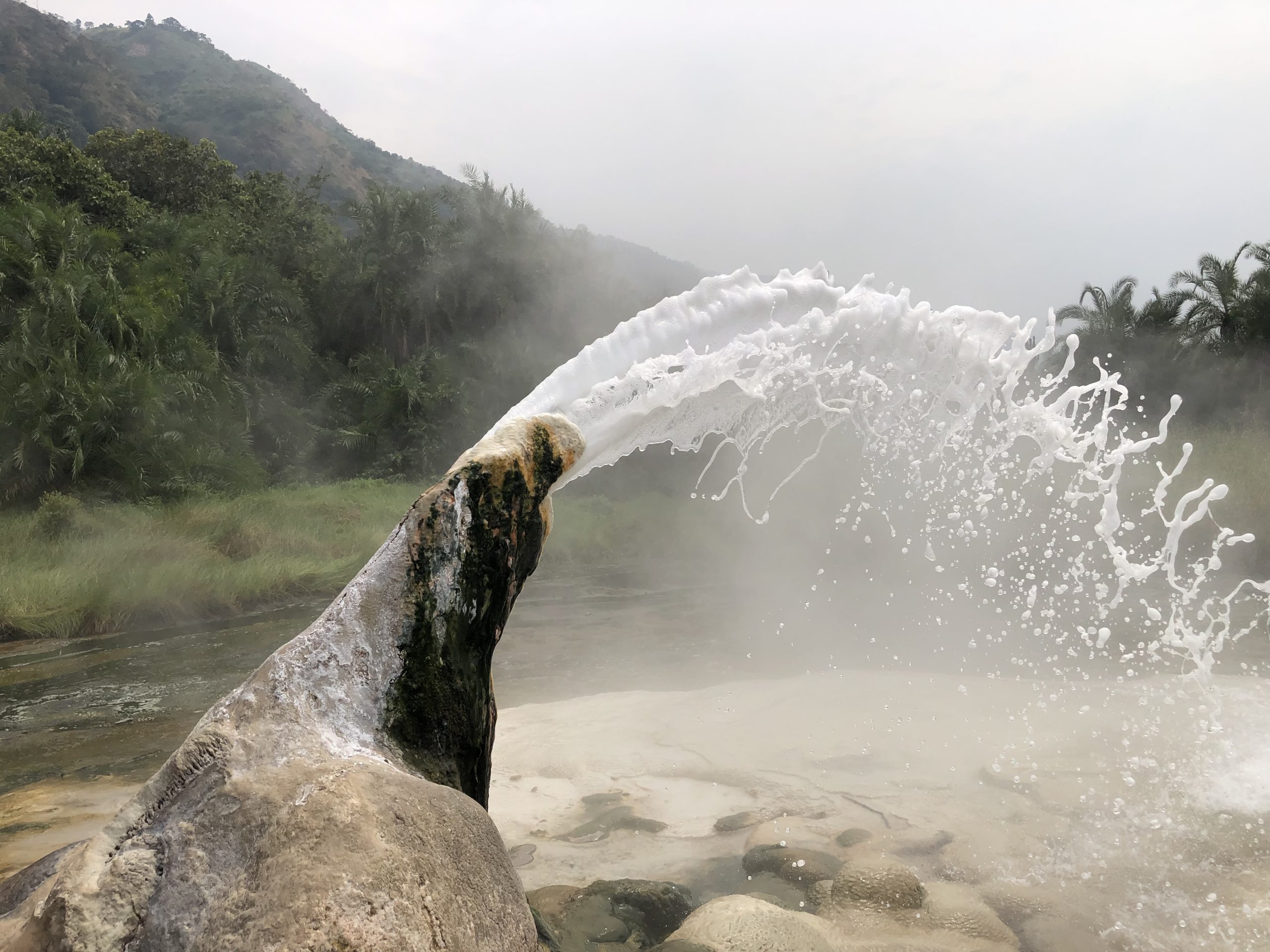
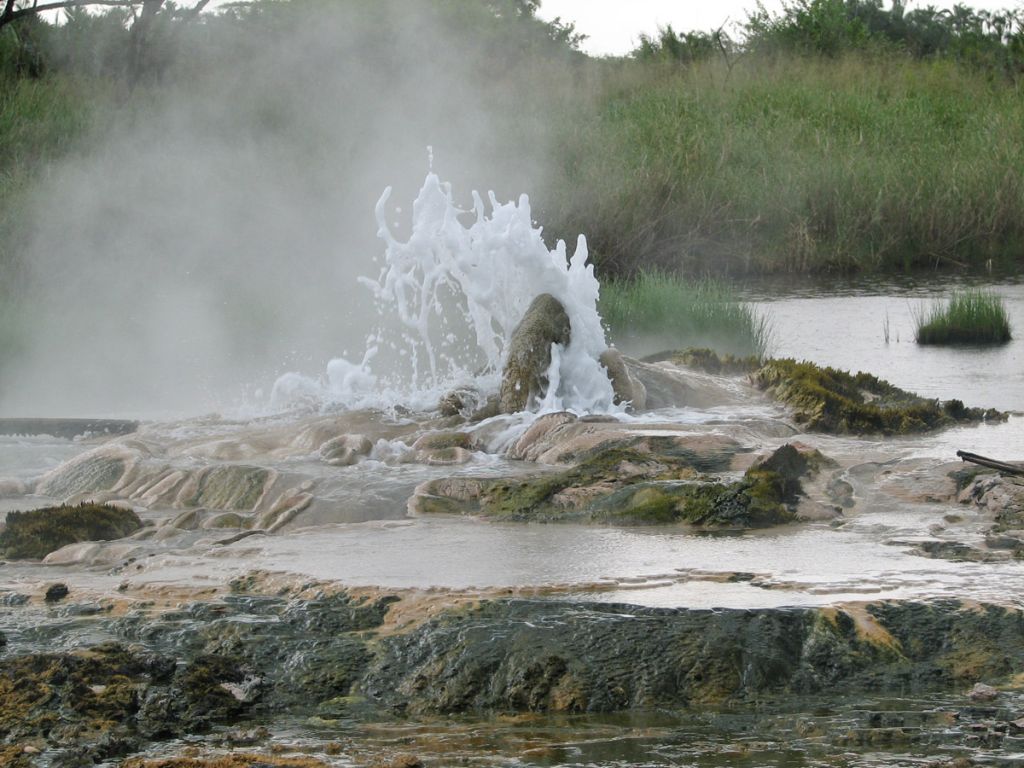
Water heated beneath the Earth’s surface rises through geological openings, creating bubbling pools and clouds of steam. At Nyasimbi, the boiling geyser can send water and steam upward, making the attraction particularly dramatic.
The geothermal outlets can reach around boiling point or higher, so visitors must remain in designated viewing areas and never enter or touch the water.
2. Explore a tropical rainforest
The walk to the springs introduces visitors to Semuliki’s lush lowland rainforest.
The forest features tall trees, palms, tangled roots, and a rich variety of plant life. The humid atmosphere and dense vegetation create a striking contrast with the steam rising from the geothermal pools.
Along the trail, you may hear forest birds calling from the canopy or encounter monkeys, butterflies, and other wildlife.
3. Learn about local traditions
The springs have cultural significance for nearby communities, particularly through the traditional stories associated with Bintente and Nyasimbi.
Their male and female identities form part of the site’s cultural heritage. Local guides can explain these traditions and their place in community history.
Visitors should approach cultural accounts respectfully and recognize that some customs and beliefs may be private or sacred.
4. Enjoy photography opportunities
The combination of steam, boiling water, rainforest vegetation, and changing light creates excellent photographic subjects.
Visitors can capture the geothermal features from designated viewpoints and photograph the surrounding forest.
A camera or smartphone is useful, but equipment should be protected from moisture and steam. Always follow the guide’s instructions about safe viewing positions.
The Two Famous Sempaya Hot Springs
Bintente: The Male Hot Spring
Bintente is traditionally known as the male hot spring. It is described as a broad, steaming pool surrounded by vegetation in a swampy forest clearing.
The spring’s bubbling water and rising steam provide a fascinating demonstration of geothermal activity. Its surrounding forest creates a peaceful atmosphere and offers opportunities to observe the vegetation and listen for birds.
During your visit, your guide can explain the spring’s traditional name, cultural associations, and place within the wider geothermal system.
Bintente is also an interesting location for photography, although visitors should follow instructions about where they can stand and take pictures.
Despite its broad appearance, the pool is not suitable for swimming or bathing. The water is dangerously hot, and visitors must remain on designated trails and viewing areas.
Nyasimbi: The Female Hot Spring
Nyasimbi is traditionally known as the female hot spring and is often the most dramatic feature of the Sempaya excursion.
The spring is famous for its boiling water and steam, which can rise into the air. The heat and movement of the water make it an impressive example of geothermal activity in the Albertine Rift Valley.
Visitors can observe the spring from designated viewing areas while a guide explains its geological characteristics and cultural associations.
The surrounding forest makes the experience especially memorable. Steam rises against a background of lush vegetation, creating a striking natural scene.
The spring is also associated with traditional beliefs and stories among local communities. A guided visit offers an opportunity to learn about these cultural connections while appreciating the natural processes at work.
Safety is essential: Nyasimbi contains dangerously hot water. Never enter the pool, touch the water, cross barriers, or approach the geothermal vent outside designated visitor areas.
What to Expect During a Sempaya Hot Springs Tour
A typical tour begins with a road transfer to the Sempaya area of Semuliki National Park, followed by a guided walk to the two springs.
After arriving, you will receive instructions on the walking route and safety precautions. The trail passes through forest vegetation before reaching the geothermal features.
At the springs, your guide will explain the differences between Bintente and Nyasimbi, describe the area’s geothermal activity, and share relevant cultural stories.
Depending on current arrangements, visitors may also see an authorized demonstration of cooking eggs or other food using geothermal heat. Such demonstrations should only be conducted by authorized staff or guides using safe methods.
The Sempaya Nature Trail is commonly described as an approximately eight-kilometre trail, with the duration depending on the route, pace, and conditions. Allow several hours for the walk and viewing experience.
The excursion is primarily a nature walk and geological experience rather than a wildlife game drive. Visitors should expect forest scenery, geothermal features, and opportunities to learn about the environment.
Sample One-Day Sempaya Hot Springs Tour Itinerary
This sample itinerary is suitable for travelers staying in or around Fort Portal. Timings are illustrative and should be adjusted according to road conditions, park arrangements, and your accommodation location.
7:00 AM – Depart Fort Portal
Enjoy breakfast before beginning the drive toward Semuliki National Park. The route offers views of the countryside and the Rwenzori foothills as you descend toward the Semuliki Valley.
9:00 AM – Arrive at Sempaya
Meet your guide, receive a briefing, and prepare for the guided forest walk. Your guide will explain the route and the precautions required around the geothermal features.
9:30 AM – Explore Bintente and Nyasimbi
Discover the two springs, observe the geothermal activity from designated viewpoints, and learn about their natural and cultural significance.
Allow time to appreciate the bubbling water, rising steam, and surrounding vegetation.
12:00 PM – Nature Walk or Birdwatching
If time and arrangements allow, continue exploring the forest and looking for birds and other wildlife.
This is an opportunity to experience more of Semuliki’s lowland rainforest and learn about its ecological importance.
Afternoon – Return or Continue Your Safari
Travel back toward Fort Portal or proceed to your next planned destination.
For travelers who prefer a relaxed pace, an overnight stay in Fort Portal or the wider Semuliki region can make the excursion more comfortable.
Birdwatching During a Sempaya Hot Springs Tour
Semuliki National Park is an important destination for birdwatchers because its lowland rainforest supports many species associated with Central African forest habitats.
The park has a rich variety of recorded bird species, including forest specialists that are less commonly encountered in Uganda’s open savannah environments.
During a guided walk to Sempaya, you may hear birds calling from the canopy or see species along the forest trail. Sightings depend on weather, time of day, season, and the experience of your guide.
Travelers with a particular interest in birdwatching can arrange additional time for a dedicated forest walk.
Carry binoculars and a camera with a suitable lens, and let your guide know if you want to focus on bird identification rather than simply visiting the springs.
Wildlife Around Semuliki National Park
Although the Sempaya Hot Springs are the main attraction of this excursion, the surrounding park supports a variety of wildlife.
Semuliki’s forest habitats are home to several primate species, birds, butterflies, and other forest animals.
Depending on conditions, visitors may encounter:
-
- Black-and-white colobus monkeys.
-
- Red-tailed monkeys.
-
- Grey-cheeked mangabeys.
-
- Other forest primates.
-
- Colourful butterflies and insects.
-
- A variety of forest birds.
Wildlife sightings are never guaranteed, particularly during a short visit. The main purpose of the Sempaya excursion is to see the springs and explore the surrounding forest rather than to search for large savannah mammals.
Travelers who want a more extensive wildlife experience can combine Semuliki with Queen Elizabeth National Park or Toro-Semuliki Wildlife Reserve on a longer itinerary.
Cultural Significance of Sempaya Hot Springs
The Sempaya Hot Springs have long been important to nearby communities, with traditional stories associated with the male and female springs.
Bintente and Nyasimbi are more than geological features; their names and associated traditions form part of the area’s cultural heritage.
During your visit, a local guide can explain the stories associated with the springs and how they fit into the region’s cultural identity.
Visitors should be respectful when discussing traditional beliefs and should ask permission before photographing community members.
If you wish to include a cultural visit or performance in your itinerary, arrange it in advance and confirm what is available. Such experiences should not be assumed to be part of every hot springs tour.
Best Time to Visit Sempaya Hot Springs
Sempaya Hot Springs can be visited throughout the year, although rainfall can affect road conditions and the comfort of forest walks.
Drier periods
June to August and December to February are often convenient periods for exploring western Uganda by road.
These months can work well for travelers combining Semuliki with Fort Portal, Kibale Forest, or other nearby attractions.
Rainier periods
Rain can make trails slippery and muddy, so suitable footwear and a rain jacket are recommended.
The park remains a rainforest environment, meaning showers can occur even during relatively dry periods. Check local conditions before travelling, especially if you are following a tight schedule.
Best time of day
A morning visit is a practical choice because it leaves time for the guided walk and other activities before returning to your accommodation.
Birdwatchers may also appreciate an early start, when forest activity can be rewarding.
How to Get to Sempaya Hot Springs
Sempaya Hot Springs are reached by road through western Uganda.
From Fort Portal
Fort Portal is one of the most convenient starting points for visiting Semuliki National Park. The road descends toward the Semuliki Valley, passing through scenic countryside and the foothills of the Rwenzori Mountains.
The distance to the Sempaya area is approximately 50–60 kilometres, depending on the route and destination within the park. Travel time varies with road conditions.
From Kampala
Travel west from Kampala toward Fort Portal, then continue toward Semuliki National Park.
The journey from Kampala is several hours, so a day trip can be lengthy. An overnight stay in Fort Portal or the surrounding area is worth considering if you want to enjoy the springs without rushing.
From Kibale Forest National Park
Semuliki can be incorporated into a multi-day western Uganda itinerary that includes chimpanzee tracking in Kibale Forest.
The order of destinations should account for chimpanzee permit times, accommodation locations, and road conditions.
From Queen Elizabeth National Park
Travelers exploring Queen Elizabeth National Park can extend their journey to Semuliki for a different combination of rainforest, birdwatching, and geothermal attractions.
This is best planned as part of a multi-day safari rather than as an unplanned detour between activities.
Raptors Africa Safaris can help organize the transfers and select overnight stops that make the journey more comfortable.
Other Attractions to Combine With Sempaya Hot Springs
1. Kibale Forest National Park
Kibale is one of Uganda’s leading chimpanzee-tracking destinations. Visitors can explore the forest with authorized guides in search of habituated chimpanzee communities.
Combining Kibale and Semuliki provides a rewarding contrast between primate tracking and geothermal exploration.
2. Fort Portal and the crater lakes
Fort Portal is known for its green countryside, crater lakes, and views toward the Rwenzori Mountains.
You can add a scenic drive, selected crater-lake viewpoints, or a town visit to create a fuller western Uganda itinerary.
3. Queen Elizabeth National Park
Queen Elizabeth National Park offers game drives, birdwatching, and boat cruises along the Kazinga Channel.
The park provides opportunities to see elephants, buffaloes, antelopes, hippos, and a variety of birds, making it a natural complement to Semuliki’s rainforest experience.
4. Toro-Semuliki Wildlife Reserve
Toro-Semuliki Wildlife Reserve lies in the wider Semuliki Valley and offers a different mix of habitats and wildlife.
Depending on current availability, visitors may be able to arrange nature walks, birdwatching, or other guided activities. Confirm the activities and logistics before adding them to your trip.
What to Pack for a Sempaya Hot Springs Tour
For a comfortable visit, consider bringing:
-
- Comfortable closed walking shoes with good grip.
-
- Lightweight clothing suitable for a warm, humid environment.
-
- A light rain jacket.
-
- Drinking water.
-
- Insect repellent.
-
- Binoculars for birdwatching.
-
- A camera or smartphone.
-
- A small daypack for personal items.
Protect cameras and phones from moisture and steam, and avoid carrying unnecessary equipment on the forest trail.
Safety Guidelines for Visiting Sempaya Hot Springs
Safety is essential because the springs contain extremely hot water.
Temperatures at the geothermal vents can reach around boiling point or higher, creating a serious risk of burns. The surrounding ground may also be wet or unstable.
During your visit:
-
- Stay on designated paths and viewing platforms.
-
- Never enter or bathe in the springs.
-
- Do not touch the water or geothermal outlets.
-
- Keep children close and under supervision.
-
- Follow instructions from your ranger or guide.
-
- Never cross barriers to take photographs.
-
- Wear footwear with good grip, particularly after rainfall.
Sempaya is a place to observe geothermal activity safely, not a swimming or bathing destination.
Why Book a Sempaya Hot Springs Tour With Raptors Africa Safaris?
Raptors Africa Safaris helps travelers explore Uganda through carefully planned wildlife, cultural, and nature-based journeys.
A Sempaya Hot Springs tour can be arranged as a standalone excursion from Fort Portal or as part of a longer western Uganda safari.
Depending on your interests, we can help plan:
-
- Private road transfers to Semuliki National Park.
-
- A guided visit to Bintente and Nyasimbi.
-
- Forest walks and birdwatching extensions.
-
- Accommodation in Fort Portal or the wider Semuliki region.
-
- Combined itineraries featuring Kibale Forest, Queen Elizabeth National Park, or other western Uganda attractions.
-
- Personalized travel arrangements based on your available time and interests.
Our aim is to provide well-organized journeys that respect local communities, protect natural environments, and give travelers realistic expectations about each destination.
Whether you are a couple seeking a private nature excursion, a family interested in educational travel, or a birdwatcher exploring western Uganda, Raptors Africa Safaris can help you plan a suitable experience.
Frequently Asked Questions About a Tour to Sempaya Hot Springs
1. Where are Sempaya Hot Springs located?
Sempaya Hot Springs are inside Semuliki National Park in Bundibugyo District, western Uganda, near the Albertine Rift Valley and the Uganda–Democratic Republic of the Congo border.
2. What are the two Sempaya Hot Springs called?
The two principal springs are Bintente, traditionally known as the male hot spring, and Nyasimbi, known as the female hot spring.
3. Can visitors swim in Sempaya Hot Springs?
No. The water is dangerously hot and can reach around boiling point or higher. Visitors must remain in designated viewing areas and must not enter the water.
4. How long does a Sempaya Hot Springs tour take?
The guided nature walk can take several hours, depending on the route, pace, and conditions. The total excursion takes longer when road transfers are included.
5. What is the best time to visit Sempaya Hot Springs?
The springs can be visited year-round. Drier periods can be convenient for road travel, while rainfall may make forest trails slippery.
6. Can I combine Sempaya with chimpanzee tracking?
Yes. Sempaya can be included in a multi-day itinerary with Kibale Forest National Park, provided you allow enough time for road transfers and scheduled chimpanzee activities.
7. What wildlife can I see during the tour?
Visitors may see forest birds, monkeys, butterflies, and other wildlife. Sightings depend on conditions, and the main focus of the excursion is the geothermal springs.
8. Is Sempaya Hot Springs suitable for children?
Families may visit, but children require close supervision because of the dangerously hot water. Follow all instructions from park staff and remain on designated trails.
9. Do I need a guide to visit Sempaya Hot Springs?
The springs are within a protected national park, and the excursion is normally organized as a guided nature walk. Confirm current guiding and park entry requirements before travelling.
10. How do I book a Sempaya Hot Springs tour?
Contact Raptors Africa Safaris with your preferred dates, starting location, group size, and other destinations you wish to visit. The team can help plan the itinerary and confirm the arrangements required for your excursion.
Conclusion: Explore Sempaya Hot Springs With Raptors Africa Safaris
A tour to Sempaya Hot Springs offers a memorable introduction to the geothermal wonders and tropical rainforest of western Uganda.
From the steaming pool of Bintente to the dramatic boiling geyser of Nyasimbi, the springs reveal the natural forces shaping the Albertine Rift Valley. The surrounding forest, birdlife, and cultural traditions add further depth to the experience.
When combined with Kibale Forest National Park, Fort Portal, Queen Elizabeth National Park, or other western Uganda attractions, Sempaya can become an important highlight of a broader Uganda safari.
Plan your Sempaya Hot Springs tour with Raptors Africa Safaris and discover the remarkable natural attractions, wildlife, and cultural heritage of western Uganda. Contact our team to create a personalized itinerary for your next Uganda adventure.