Call: +256 702 595 926 | Email: info@bookgorillatracking.com

Gorilla Tracking Experience at Mgahinga Gorilla National Park

How Is the Gorilla Tracking Experience at Mgahinga Gorilla National Park?
Introduction: What Is Gorilla Tracking Like at Mgahinga Gorilla National Park?
Gorilla tracking at Mgahinga Gorilla National Park is one of Uganda’s most rewarding wildlife experiences, offering visitors the opportunity to encounter endangered mountain gorillas in their natural habitat. Located in southwestern Uganda, within the spectacular Virunga mountain range, Mgahinga is a small but exceptionally scenic national park characterized by mist-covered forests, volcanic slopes, bamboo vegetation, and breathtaking views of the surrounding mountains.
For travelers seeking an authentic and less crowded-feeling gorilla trekking adventure, Mgahinga offers a memorable alternative to Uganda’s more widely known Bwindi Impenetrable National Park. The experience combines a guided forest hike, opportunities to observe fascinating wildlife, and the unforgettable moment of standing near a family of mountain gorillas in the wild.
At Raptors Africa Safaris, we consider gorilla tracking at Mgahinga an excellent choice for travelers who want to combine primate encounters with dramatic scenery, cultural experiences, and other adventures in southwestern Uganda.
But what exactly happens during a gorilla tracking excursion? How difficult is the hike, what should you expect when you meet the gorillas, and how can you prepare for the experience?
This comprehensive guide explains everything you need to know before planning your gorilla trekking safari in Mgahinga Gorilla National Park.
Where Is Mgahinga Gorilla National Park Located?
Mgahinga Gorilla National Park lies in Kisoro District in southwestern Uganda, near the borders of Rwanda and the Democratic Republic of the Congo. It forms part of the larger Virunga Conservation Area, a transboundary landscape known for its volcanic mountains, rich biodiversity, and endangered mountain gorillas.
The park protects the Ugandan slopes of three extinct volcanoes: Mount Muhabura, Mount Gahinga, and Mount Sabinyo. These volcanic landscapes create a striking backdrop for gorilla tracking and provide a range of habitats, including montane forests, bamboo zones, and Afro-alpine vegetation.
The park is relatively small compared with Bwindi, but its location within the Virunga mountain ecosystem makes it an important conservation area for mountain gorillas.
Visitors can access Mgahinga from Kampala or Entebbe by road, typically through southwestern Uganda, or arrange a domestic flight to the Kisoro area when suitable flights are available.
Because the park is located in a mountainous region, travelers should allow adequate time for the journey and consider spending a night near the park before their trekking day. This helps reduce travel fatigue and ensures an early start for the morning briefing.
What Makes Gorilla Tracking at Mgahinga Special?
Gorilla tracking in Mgahinga is special because it brings together close wildlife encounters, beautiful volcanic scenery, and a sense of adventure in a relatively compact national park.
1. Encountering endangered mountain gorillas
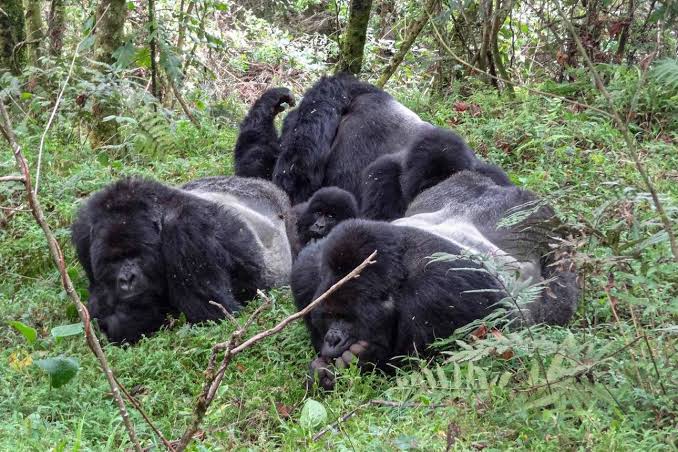
The main highlight is the opportunity to observe mountain gorillas in their natural habitat. These intelligent and social primates live in family groups led by a dominant silverback, alongside adult females, juveniles, and infants.
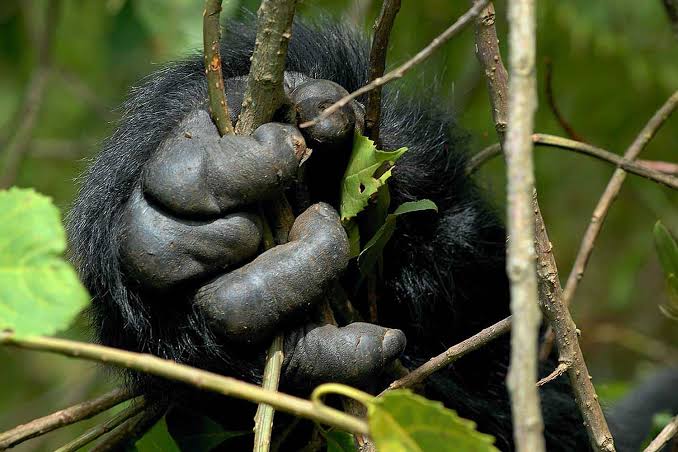
During the encounter, visitors may see gorillas feeding on leaves, resting, grooming one another, moving through vegetation, or playing among themselves. Their human-like expressions and complex social interactions make the experience deeply memorable.
Unlike a zoo visit, gorilla tracking takes place in the forest where the animals live freely. Their location changes from day to day, so the trek involves following experienced trackers and guides who work to locate the habituated gorilla family.
2. Stunning views of the Virunga volcanoes
Mgahinga’s scenery is another defining feature of the experience. The park’s volcanic peaks rise above the surrounding countryside, creating dramatic views that are especially impressive on clear mornings.
As you hike through the forest, you may encounter changing vegetation, moss-covered trees, bamboo stands, and cool mountain air. Depending on the weather and trail conditions, sections of the trek may offer glimpses of the surrounding mountains.
This combination of wildlife and scenery makes Mgahinga particularly appealing to photographers, nature lovers, and adventurous travelers.
3. A more intimate trekking atmosphere
Mgahinga is often chosen by travelers looking for a quieter alternative to busier gorilla trekking destinations. Its relatively small size and the availability of the Nyakagezi gorilla family can make the experience feel particularly intimate.
However, gorilla trekking is a regulated activity, and visitor numbers depend on permit availability and the park’s operating arrangements. Travelers should book in advance rather than assume that permits will be available on arrival.
4. Opportunities to see other wildlife
Although mountain gorillas are the main attraction, Mgahinga also protects golden monkeys, forest birds, and other wildlife associated with the Albertine Rift and Virunga ecosystems.
You may hear forest birds calling from the canopy or notice smaller animals and interesting plants along the trail. Wildlife sightings vary, so the gorillas remain the central focus of the tracking excursion.
For visitors with additional time, golden monkey tracking offers an excellent way to extend a primate-focused safari.
How Does Gorilla Tracking at Mgahinga Gorilla National Park Work?
The gorilla tracking experience follows an organized process designed to protect both visitors and the gorillas.
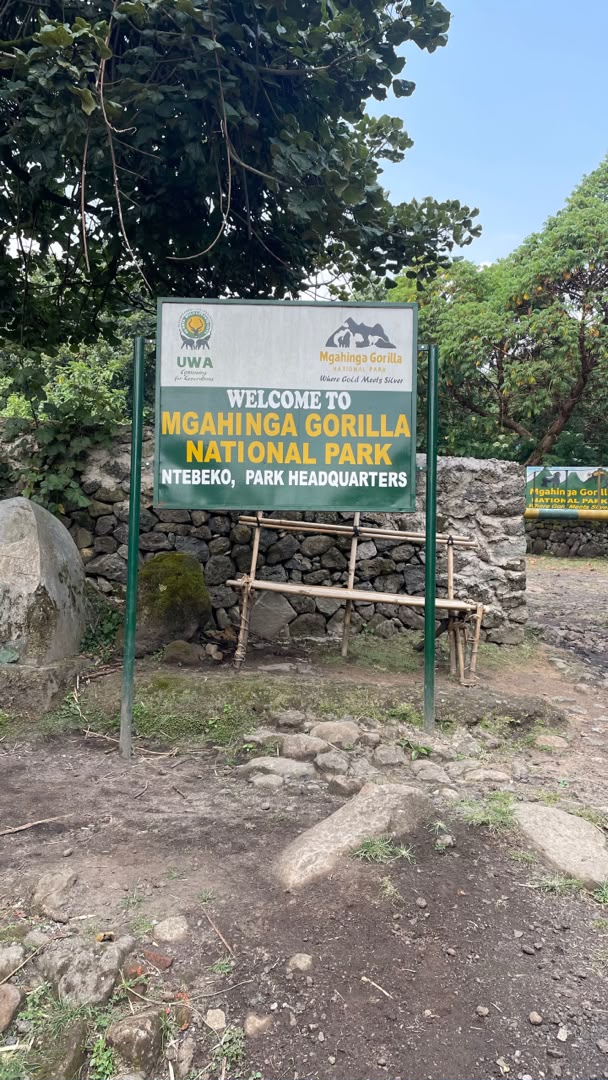
Step 1: Arrive at the park headquarters
Your gorilla trekking day generally begins early in the morning at the designated park briefing point. Visitors gather with park staff, guides, and trackers before the day’s activity.
You will need to present your valid gorilla trekking permit and follow the instructions provided by the park authorities. If you are traveling with Raptors Africa Safaris, your safari team can help coordinate transport, accommodation arrangements, and the practical details of your trekking day.
Step 2: Attend the gorilla trekking briefing
Before entering the forest, park rangers explain the tracking procedures and essential safety rules.
The briefing covers appropriate behavior around mountain gorillas, the importance of following your guide, maintaining the required distance from the animals, and respecting the forest environment.
Visitors are also informed about the physical demands of the hike and the need to remain with the assigned group.
Step 3: Follow your guide and trackers into the forest
After the briefing, you begin the trek with authorized guides and trackers. The team uses information about the gorillas’ movements to determine where the search should begin.
The duration and difficulty of the hike depend on the location of the gorilla family, terrain, vegetation, and weather conditions. Some visitors may reach the gorillas relatively quickly, while others may need to hike for several hours through steep or muddy sections.
The forest itself is part of the adventure. You may walk through bamboo vegetation, climb uneven slopes, cross damp ground, or move carefully along narrow trails.
Patience and flexibility are important because gorillas are wild animals, not attractions that can be summoned to a fixed viewing point.
Step 4: Meet the mountain gorillas
Once the trackers locate the habituated gorilla family, your guide will lead you to the appropriate viewing position.
This is the moment many travelers remember most vividly. You may observe a silverback watching the surroundings, a mother caring for her infant, juveniles playing, or members of the group feeding peacefully.
The encounter is limited to the period permitted by the park authorities, traditionally around one hour after the gorillas are located. This restriction helps minimize disturbance to the animals.
Visitors must remain calm, follow ranger instructions, avoid sudden movements, and never approach or touch the gorillas.
Photography is generally permitted, subject to park rules. Flash photography should not be used.
Step 5: Return from the forest
After the allotted viewing period, your guide leads the group away from the gorillas and back toward the designated exit or starting area.
The return hike may feel different from the outward journey, particularly if you have climbed steep slopes or encountered wet ground.
Once you finish, you can relax at your lodge, enjoy a meal, and reflect on the experience. Depending on your itinerary, the rest of the day may include cultural visits, scenic drives, or time to recover before another safari activity.
How Difficult Is Gorilla Trekking in Mgahinga?
Gorilla trekking in Mgahinga can range from moderately challenging to strenuous. Although the park is relatively small, its mountainous terrain means that the hike should not be underestimated.
The trail may involve steep ascents and descents, slippery soil, thick vegetation, exposed roots, and uneven ground. Rain can make some sections particularly muddy.
The difficulty of your trek depends on several factors:
- The gorillas’ location: A family feeding close to the starting area may require a shorter hike than one that has moved farther up the mountain.
- Terrain and elevation: The volcanic landscape can involve significant climbing and descending.
- Weather conditions: Rain, mist, and damp vegetation can affect footing and visibility.
- Personal fitness: Travelers who regularly walk, hike, or exercise often find it easier to manage the trek.
- Pace and assistance: Guides help establish a suitable pace, while authorized porters can assist with daypacks and provide support on difficult sections.
You do not need to be an elite athlete to go gorilla trekking, but a reasonable level of fitness is beneficial. If you have concerns about your mobility or endurance, discuss them with your safari operator and the park authorities before booking.
Walking practice, stair climbing, and moderate hikes in the weeks before your trip can help you prepare.
What Is the Best Time for Gorilla Tracking at Mgahinga?
Gorilla tracking takes place throughout the year, but the weather can influence trail conditions and the overall comfort of the experience.
The relatively drier periods, commonly around June to August and December to February, are often preferred because trails may be easier to navigate. These months can be attractive for travelers who want to combine gorilla trekking with other outdoor activities in Uganda.
The wetter periods can bring heavier rainfall, muddy paths, and more slippery slopes. However, the forest remains beautiful, and gorilla tracking can still be rewarding.
It is important to remember that weather patterns vary, and rain is possible even during traditionally drier months.
For the best planning experience, consider your preferred travel dates, accommodation availability, gorilla permit availability, and the other destinations you want to visit. Raptors Africa Safaris can help organize an itinerary around your preferred travel season.
What Should You Pack for Gorilla Tracking?
Proper clothing and equipment can make a substantial difference to your comfort and safety during the trek.
We recommend packing the following:
- Sturdy hiking boots: Choose footwear with good grip and ankle support.
- Long hiking trousers: These help protect your legs from vegetation and insects.
- Long-sleeved shirts: Lightweight, breathable clothing provides useful coverage.
- A waterproof jacket: Mountain weather can change quickly, and rain is possible at any time.
- Gardening or hiking gloves: Gloves can help protect your hands when moving through vegetation or steadying yourself.
- A small backpack: Carry drinking water, snacks if permitted, and essential personal items.
- A walking stick: Ask your guide or lodge about obtaining one for uneven or steep terrain.
- Insect repellent and sunscreen: These can be useful depending on weather conditions and individual needs.
- A camera or smartphone: Bring equipment that you can operate comfortably while following park rules.
- Personal medication: Carry any essential medication you normally need.
Avoid carrying unnecessary weight. A porter can often be hired to help with your bag, leaving you freer to concentrate on the hike.
Wear clothing suitable for cool, damp mountain conditions and be prepared for mud, even when the weather initially appears dry.
What Are the Rules for Meeting Mountain Gorillas?
Mountain gorillas are endangered animals, and tourism must be managed carefully to protect their health and natural behavior.
Visitors should follow all instructions issued by their guides and park authorities. Important rules generally include:
- Keep the minimum distance required by current park regulations, traditionally at least 7 metres, while following any additional instructions from rangers.
- Do not touch, feed, or attempt to attract the gorillas.
- Avoid loud noises, sudden movements, and direct approaches.
- Do not use flash photography.
- Follow instructions about coughing, sneezing, masks, and other disease-prevention measures.
- Do not leave litter in the forest.
- Never trek when ill with a potentially infectious disease; notify your operator and park authorities if you develop symptoms before the activity.
- Remain with your guide and follow the group’s instructions throughout the encounter.
These precautions help reduce the risk of transmitting human diseases to gorillas, which are biologically vulnerable to many of the same infections that affect people.
Responsible gorilla tourism supports conservation by creating economic value for protecting the habitat and providing regulated opportunities for visitors to learn about these remarkable animals.
How Much Does Gorilla Tracking at Mgahinga Cost?
The main expense to consider is the gorilla trekking permit, but the total safari cost depends on several additional factors.
Your budget may include:
- The gorilla trekking permit.
- Accommodation near Mgahinga Gorilla National Park.
- Road transfers or domestic flights.
- Meals and drinking water.
- Porter services and gratuities.
- Optional activities, such as golden monkey tracking or cultural visits.
- Additional destinations included in your Uganda safari.
Permit prices and eligibility conditions can change, so travelers should confirm the latest rates, booking requirements, and payment terms with the Uganda Wildlife Authority or a reputable safari operator before making arrangements.
A safari package may offer convenience by combining permits, accommodation, transportation, and guiding services into one itinerary. However, it is important to confirm exactly what is included in the quoted price.
At Raptors Africa Safaris, we recommend planning around your travel dates, preferred accommodation standard, group size, and desired activities rather than comparing safari prices without checking the inclusions.
Mgahinga vs Bwindi: Which Gorilla Trekking Destination Should You Choose?
Uganda offers two principal destinations for mountain gorilla trekking: Mgahinga Gorilla National Park and Bwindi Impenetrable National Park. Both provide authentic encounters with habituated mountain gorillas, but their landscapes and trekking experiences differ.
Mgahinga Gorilla National Park
Mgahinga is particularly appealing to travelers who appreciate volcanic scenery, bamboo forests, and the dramatic landscape of the Virunga Mountains. It is also a strong choice for visitors who want to combine gorilla trekking with golden monkey tracking or volcano-related hiking experiences.
Its relatively small size can make it an attractive option for travelers seeking a more intimate-feeling park experience, although the length and difficulty of each trek remain unpredictable.
Bwindi Impenetrable National Park
Bwindi is a larger, densely forested conservation area with several gorilla trekking sectors and a wider range of habituated gorilla groups. This can provide greater flexibility when choosing accommodation locations and arranging permits, subject to availability.
Its thick rainforest, steep valleys, and extensive network of trekking areas offer a different atmosphere from Mgahinga’s volcanic setting.
Which destination is better?
Neither park is universally better. The right choice depends on your travel dates, permit availability, accommodation preferences, itinerary, and the scenery or additional activities that interest you most.
Choose Mgahinga if you are especially attracted to the Virunga volcanoes and the opportunity to combine gorilla tracking with golden monkey encounters. Consider Bwindi if you want to explore its broader range of trekking sectors and accommodation areas.
If permits and time allow, a longer itinerary can include other destinations in southwestern Uganda, creating a more comprehensive wildlife and cultural safari.
Other Activities to Combine With Gorilla Tracking in Mgahinga
One advantage of visiting Mgahinga is the range of activities available beyond gorilla trekking.
Golden monkey tracking
Golden monkeys are striking primates known for their golden-orange markings and lively movements through bamboo forests. Tracking them offers a contrasting experience to the slower, more contemplative encounter with mountain gorillas.
Golden monkey tracking is an excellent addition for travelers interested in primate conservation and photography.
Volcano hiking
The park’s volcanic mountains provide opportunities for guided hikes, subject to park regulations, weather, fitness, and the requirements of each route. These activities offer panoramic scenery and an opportunity to appreciate the region’s geology and high-altitude habitats.
Volcano hikes are more physically demanding than some visitors expect, so discuss your fitness and schedule before including one in your itinerary.
Batwa cultural experiences
The Batwa are Indigenous forest people with deep historical connections to the region’s forests. A well-organized cultural experience can help visitors learn about traditional knowledge, forest relationships, and the challenges of conservation and cultural change.
Choose experiences that are respectful, community-led, and transparent about how local participants benefit.
Exploring Lake Mutanda
Lake Mutanda, near Kisoro, is known for its scenic setting, surrounding hills, and views toward the Virunga volcanoes. Depending on your itinerary, you may enjoy time by the lake, a guided canoe excursion, or a relaxing overnight stay in the area.
Combining these experiences with gorilla trekking can turn a single wildlife encounter into a more varied southwestern Uganda holiday.
How Many Days Should You Spend in Mgahinga?
For many travelers, two to three days in the Mgahinga area provide a comfortable starting point for a gorilla trekking trip.
A simple itinerary could look like this:
Day 1: Travel to Kisoro
Travel from Kampala or Entebbe toward southwestern Uganda, or arrange a suitable domestic flight. Check in at your accommodation, relax, and prepare your trekking equipment.
Day 2: Gorilla tracking at Mgahinga
Enjoy an early breakfast and transfer to the designated briefing point. After the briefing, follow your guides into the forest for the gorilla tracking excursion. Return to your lodge afterward and spend the remainder of the day resting or enjoying the scenery.
Day 3: Golden monkey tracking or departure
Depending on your interests and schedule, take part in golden monkey tracking or enjoy a cultural or scenic activity before continuing your journey.
Travelers with more time can combine Mgahinga with Bwindi, Lake Bunyonyi, Queen Elizabeth National Park, or other destinations in Uganda. Longer itineraries should account for road conditions, driving times, and the need to avoid scheduling exhausting transfers immediately after strenuous activities.
Why Book Your Mgahinga Gorilla Trekking Safari With Raptors Africa Safaris?
Planning a gorilla trekking trip involves more than selecting a national park. You need to coordinate permits, accommodation, transportation, travel dates, and any additional activities.
Raptors Africa Safaris can help travelers organize these details into a practical itinerary tailored to their interests, budget, and available time.
When planning your Mgahinga safari, we focus on:
- Permit coordination: Helping you plan around permit availability and the applicable booking requirements.
- Accommodation planning: Identifying suitable lodges and guesthouses based on your comfort preferences and travel budget.
- Transport arrangements: Organizing road transfers or suitable domestic flight connections where available.
- Personalized itineraries: Combining gorilla tracking with golden monkey tracking, cultural experiences, and scenic destinations where appropriate.
- Practical preparation: Advising you on clothing, fitness, equipment, and the expectations of the trekking day.
- Responsible travel: Encouraging respectful wildlife viewing and consideration for local communities and conservation efforts.
Whether you are planning a private Uganda safari, a wildlife holiday with family or friends, or a broader East African adventure, a well-organized itinerary can help you make the most of your time in southwestern Uganda.
Contact Raptors Africa Safaris to discuss your preferred travel dates, group size, accommodation level, and the activities you would like to include.
Frequently Asked Questions About Gorilla Tracking at Mgahinga
1. Is gorilla tracking available at Mgahinga Gorilla National Park?
Yes. Mgahinga Gorilla National Park is an established mountain gorilla trekking destination in Uganda. Tracking takes place with authorized guides and is subject to permit availability and park regulations.
2. How long does gorilla tracking take?
The duration varies according to the gorillas’ location and the conditions in the forest. The hike can take several hours, and visitors traditionally spend up to one hour observing the gorillas after locating the group.
3. Is gorilla trekking at Mgahinga difficult?
It can be moderately challenging or strenuous because of steep terrain, muddy trails, and changes in elevation. Reasonable fitness, suitable footwear, and appropriate clothing are recommended.
4. Can I see gorillas on every trek?
Mountain gorillas are wild animals, so sightings cannot be guaranteed with absolute certainty. Treks are organized around habituated groups, and trackers use their knowledge of gorilla movements to locate them, but wildlife behavior and environmental conditions remain unpredictable.
5. What is the best month for gorilla trekking in Mgahinga?
June to August and December to February are commonly preferred for their relatively drier conditions. However, trekking is possible throughout the year, and weather varies.
6. Can I combine gorilla tracking with golden monkey tracking?
Yes. Golden monkey tracking is one of the most popular complementary activities in Mgahinga. Depending on permit availability and your fitness, you may be able to include both activities in the same itinerary.
7. How far in advance should I book a gorilla permit?
Advance booking is advisable, especially for popular travel periods. The appropriate lead time depends on demand, the number of permits available, and your travel dates. Confirm availability before committing to non-refundable travel arrangements.
8. What should I wear for gorilla trekking?
Wear sturdy hiking boots, long trousers, long sleeves, and a waterproof jacket. Gloves, drinking water, and a small backpack are also useful.
9. Is Mgahinga suitable for first-time gorilla trekkers?
Yes, provided travelers understand that the hike can be physically demanding. First-time trekkers should prepare adequately, follow the guides’ instructions, and discuss any mobility or fitness concerns before booking.
10. Can children go gorilla tracking at Mgahinga?
Uganda’s standard minimum age for gorilla trekking is generally 15 years. Confirm the current age rules and any applicable exceptions with the Uganda Wildlife Authority before planning a family safari.
Conclusion: Is Gorilla Tracking at Mgahinga Worth It?
Gorilla tracking at Mgahinga Gorilla National Park is an exceptional wildlife experience for travelers who want to encounter endangered mountain gorillas amid the dramatic volcanic scenery of southwestern Uganda.
From the anticipation of entering the forest to the unforgettable sight of a silverback and its family, the experience offers a powerful connection with nature. Although the hike can be challenging and the weather unpredictable, good preparation and the guidance of experienced park staff can make the adventure more comfortable and rewarding.
Mgahinga is particularly attractive to visitors who appreciate the Virunga Mountains, want to combine gorilla tracking with golden monkey encounters, and prefer a safari that includes both wildlife and scenic exploration.
With the right permits, suitable accommodation, and a thoughtfully planned itinerary, your visit can become one of the highlights of your Uganda holiday.
Ready to experience gorilla tracking at Mgahinga Gorilla National Park? Contact Raptors Africa Safaris to start planning your Uganda gorilla trekking safari and discover the remarkable wildlife, landscapes, and cultural heritage of southwestern Uganda.