Call: +256 702 595 926 | Email: info@bookgorillatracking.com

Mount Gahinga: Hiking Guide, Location, and Travel Tips

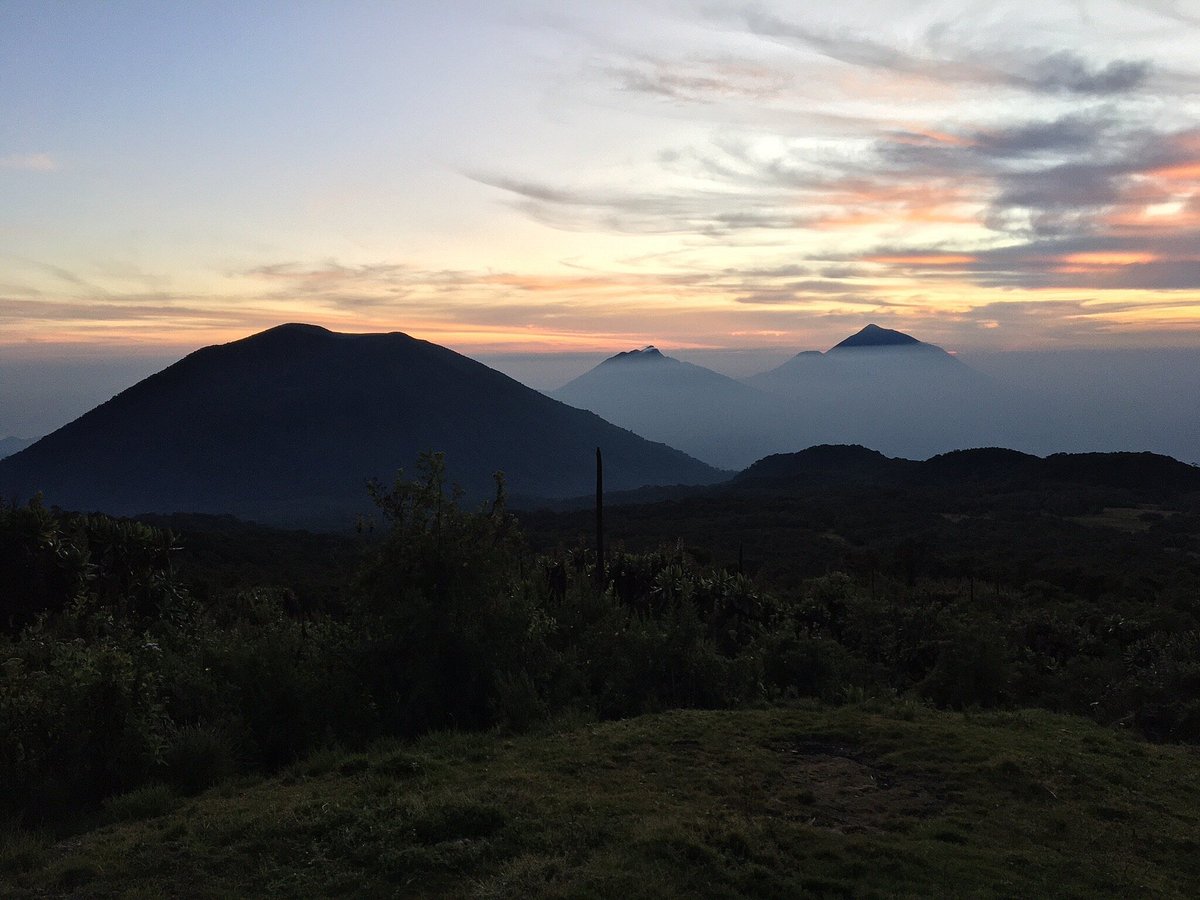
Mount Gahinga: A Complete Guide to Hiking Uganda’s Beautiful Virunga Volcano
Mount Gahinga is one of East Africa’s remarkable volcanic destinations, offering travelers an unforgettable combination of mountain hiking, lush bamboo forests, unique wildlife, and breathtaking natural scenery. Located along the Rwanda–Uganda border in the Virunga Mountain Range, this dormant volcano is an excellent destination for adventure seekers, nature lovers, and travelers exploring the region.
Rising to approximately 3,474 meters above sea level, Mount Gahinga is the smallest of the three volcanoes found within Uganda’s Mgahinga Gorilla National Park. Despite its relatively modest height, the mountain rewards hikers with beautiful forest landscapes, fascinating vegetation, and a distinctive swampy crater near its summit.
Whether you are planning a guided volcano hike, a gorilla trekking holiday, or a broader East African adventure, Mount Gahinga deserves a place on your travel itinerary.
Where Is Mount Gahinga Located?
Mount Gahinga is situated in the Virunga Mountains, a chain of volcanic mountains extending across Uganda, Rwanda, and the Democratic Republic of Congo. The mountain lies on the Rwanda–Uganda border, and its northern slopes form part of Mgahinga Gorilla National Park in southwestern Uganda.
The mountain is positioned between Mount Muhabura and Mount Sabyinyo, two other prominent volcanoes in the Virunga range.
Its location makes it an attractive destination for visitors exploring southwestern Uganda or combining Ugandan wildlife experiences with a trip to Rwanda.
Why Visit Mount Gahinga?
Mount Gahinga offers a distinctive hiking experience for visitors who want to explore the natural beauty of the Virunga region.
1. Experience an Unforgettable Volcano Hike
Hiking Mount Gahinga takes visitors through a changing landscape of forest vegetation, bamboo groves, and high-altitude terrain. As you climb, the scenery becomes increasingly dramatic, offering opportunities to appreciate the mountain’s unique ecosystem.
A guided hike is the best way to explore the mountain safely while learning about its geography, plants, and wildlife.
2. Discover the Famous Bamboo Forests
One of Mount Gahinga’s most distinctive features is its bamboo vegetation. These forests create a beautiful natural environment and provide important habitat for several wildlife species.
Walking through the bamboo forest is a highlight of the journey, giving hikers an opportunity to experience the biodiversity of the Virunga Mountains.
3. Explore the Summit Crater
Mount Gahinga has a distinctive summit crater containing swampy vegetation. Unlike a typical volcanic summit with an open crater lake, this area features a wetland environment shaped by the mountain’s volcanic history.
The crater landscape adds another fascinating dimension to the hike and provides an opportunity to observe high-altitude vegetation.
4. Discover Rare Wildlife
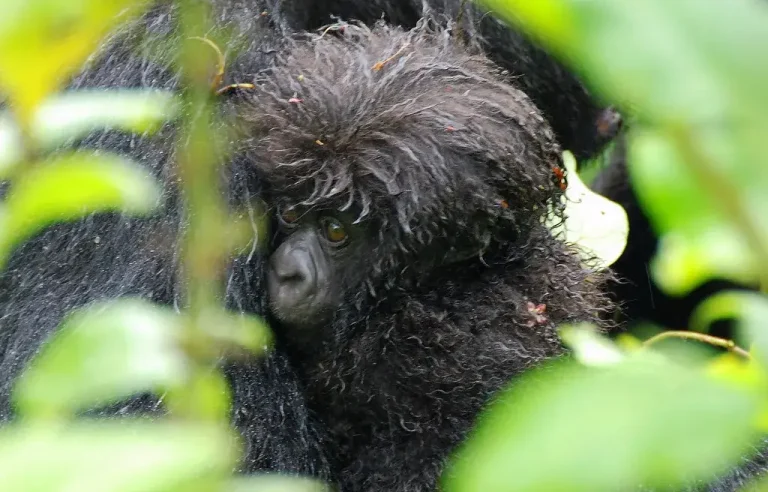
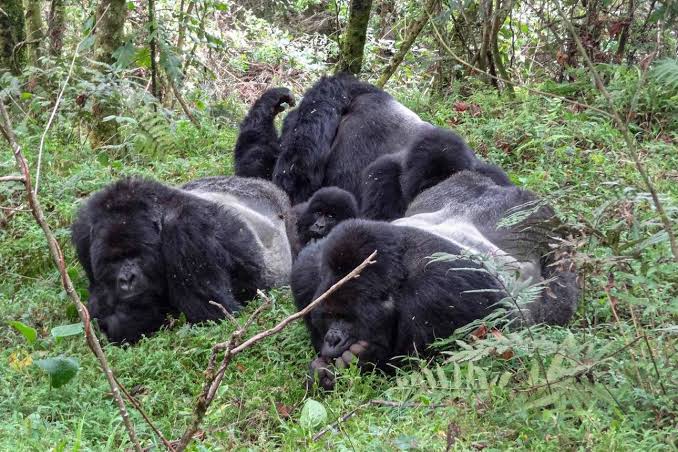
The forests around Mount Gahinga are part of an important conservation landscape that supports endangered mountain gorillas and golden monkeys.
Although wildlife sightings are never guaranteed during a volcano hike, visitors may encounter birds and other forest animals along the trail. Travelers hoping to observe mountain gorillas or golden monkeys should arrange the appropriate guided wildlife activities through the relevant park authorities.
Hiking Mount Gahinga: What to Expect
Mount Gahinga is a rewarding destination for travelers seeking a guided mountain adventure. The hike requires physical effort because of the elevation, uneven terrain, and changing weather conditions.
The journey typically begins with registration and a briefing from park staff before hikers proceed to the trailhead with a guide.
Along the way, visitors can expect:
-
- Beautiful bamboo and montane forest scenery.
-
- Gradual changes in vegetation with increasing elevation.
-
- Opportunities to learn about the mountain’s ecology.
-
- Views of the surrounding Virunga landscape when weather conditions permit.
-
- A distinctive swampy crater environment near the summit.
The hike is often completed as a day excursion, although the duration depends on the route, weather, trail conditions, and the group’s pace. Allow approximately five to six hours or more for the experience, and confirm the current itinerary with the park authorities before traveling.
Best Time to Visit Mount Gahinga
Mount Gahinga can be visited throughout the year, but weather conditions can significantly influence the hiking experience.
June to August: These months are generally associated with a drier period and can offer more favorable trail conditions.
December to February: This is another commonly preferred period for hiking, with potentially less rainfall than during the main wet seasons.
March to May and October to November: These periods often bring heavier rainfall, making trails muddier and more slippery.
Mountain weather can change quickly, even during relatively dry periods. Check local forecasts and follow your guide’s advice before setting out.
What to Pack for a Mount Gahinga Hike
Preparing the right equipment will help make your hike safer and more comfortable.
Recommended items include:
-
- Sturdy hiking boots with good grip.
-
- Waterproof rain jacket and rain trousers.
-
- Comfortable long-sleeved clothing and long hiking trousers.
-
- Drinking water and energy-rich snacks.
-
- A small waterproof backpack.
-
- Sunscreen, insect repellent, and a hat.
-
- Warm clothing for cold conditions at higher elevations.
-
- A camera or smartphone for photography.
-
- Walking poles, if needed for stability on uneven terrain.
Wear clothing that protects your arms and legs from vegetation, moisture, and insects. A local guide can also advise you on any additional equipment required for current trail conditions.
Mount Gahinga and Gorilla Trekking
One of the biggest advantages of visiting this region is the opportunity to combine mountain hiking with wildlife experiences.
Nearby Mgahinga Gorilla National Park is an important habitat for endangered mountain gorillas and golden monkeys. Gorilla trekking and golden monkey tracking are separate activities from the Mount Gahinga volcano hike and require their own arrangements and applicable permits.
For visitors planning a multi-day safari, combining these experiences can provide a more complete understanding of the Virunga landscape, from its volcanic peaks to its remarkable primate populations.
Book wildlife activities in advance, particularly during busy travel periods, and confirm current permit requirements with the appropriate authorities.
How to Get to Mount Gahinga
Travelers visiting Mount Gahinga from Uganda generally travel to Kisoro District in southwestern Uganda before continuing to the designated entrance of Mgahinga Gorilla National Park.
Visitors coming from Rwanda can explore cross-border travel options, but should confirm the appropriate border crossing, visa requirements, and transport arrangements before departure.
Hiring a local driver or arranging transport through a reputable tour operator can simplify the journey, particularly for travelers combining hiking with gorilla trekking or other regional excursions.
Responsible Tourism on Mount Gahinga
Mount Gahinga forms part of a sensitive mountain ecosystem, making responsible tourism essential.
Visitors should remain on designated trails, follow their guides’ instructions, avoid disturbing wildlife, and carry their rubbish out of the park. Respecting park regulations and local communities helps protect the natural environment and supports the long-term conservation of this remarkable destination.
Choosing authorized guides and operators also helps ensure that your visit follows current safety and conservation requirements.
Frequently Asked Questions About Mount Gahinga
How high is Mount Gahinga?
Mount Gahinga rises to approximately 3,474 meters above sea level.
Is Mount Gahinga an active volcano?
Mount Gahinga is generally classified as a dormant or extinct volcano rather than an active one.
How long does it take to hike Mount Gahinga?
The hike commonly takes around five to six hours or longer, depending on the route, weather, trail conditions, and the hikers’ fitness levels. Confirm the expected duration with the park authorities.
Can beginners hike Mount Gahinga?
Fit beginners may be able to complete the hike with appropriate preparation and a qualified guide. However, the altitude, uneven terrain, and changing weather mean it should not be treated as an effortless walk.
Can I see gorillas on the Mount Gahinga hike?
Gorillas inhabit the wider forest ecosystem, but sightings are not guaranteed during the volcano hike. Visitors wishing to see mountain gorillas should arrange a separate, authorized gorilla trekking experience.
Can I visit Mount Gahinga from Rwanda?
Yes, cross-border travel may be possible, subject to current border, immigration, transport, and park-access requirements. Confirm the arrangements before booking your trip.
Conclusion: Plan Your Mount Gahinga Adventure
Mount Gahinga is a compelling destination for travelers seeking a combination of volcano hiking, forest exploration, wildlife conservation, and East African adventure. Its bamboo forests, distinctive summit crater, and location within the spectacular Virunga Mountains make it a memorable addition to a Uganda or Rwanda itinerary.
With proper preparation, a knowledgeable guide, and respect for the mountain’s fragile environment, a Mount Gahinga hike can become one of the highlights of your journey.
Start planning your visit, check the latest park requirements, and discover the natural beauty of Mount Gahinga for yourself.
[…] Massif, a chain of volcanic mountains that includes Mount Karisimbi, Mount Bisoke, Mount Sabyinyo, Mount Gahinga, and Mount […]