+256-702 595 926 | info@bookgorillatracking.com

Rwanda Gorilla Tracking Experience: Complete Guide

Rwanda Gorilla Tracking Experience: What to Expect on Your Gorilla Trek
A Rwanda gorilla tracking experience is one of the most memorable wildlife adventures in Africa. It takes visitors into the mist-covered forests of Volcanoes National Park, where endangered mountain gorillas live among bamboo vegetation, dense undergrowth and the volcanic slopes of the Virunga Mountains.
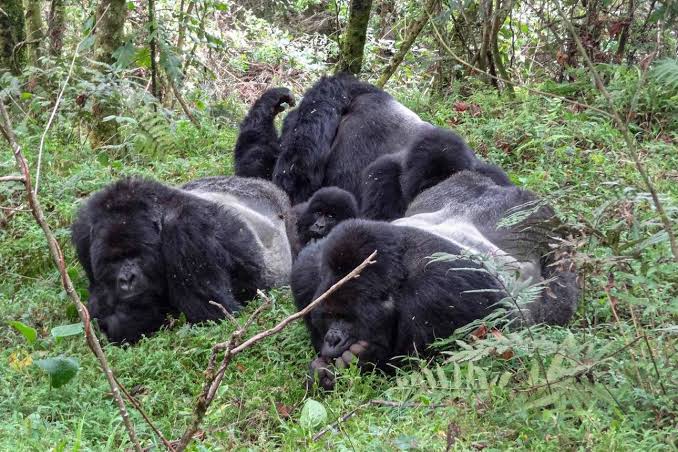
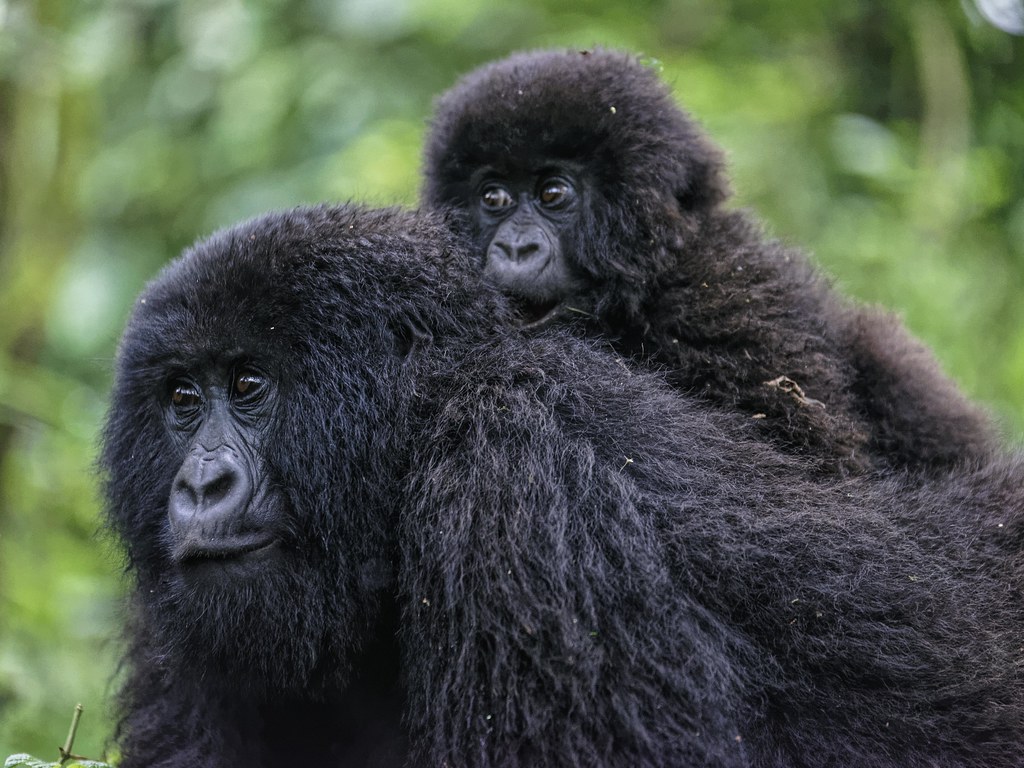
For many travellers, seeing a mountain gorilla family in its natural habitat is the highlight of a Rwanda safari. You may watch a silverback resting nearby, young gorillas playing among the vegetation, or mothers caring for their infants while the rest of the family feeds and moves through the forest.
Unlike a conventional game drive, gorilla tracking involves walking through the forest with trained guides and trackers who follow the movements of habituated gorilla families. The trek can be physically demanding, but the opportunity to observe these remarkable primates in the wild makes it an extraordinary experience.
Raptors Africa Safaris helps travellers plan gorilla tracking experiences in Rwanda and Uganda, with arrangements tailored to travel dates, accommodation preferences, transport requirements and budgets.
Where Does Gorilla Tracking Take Place in Rwanda?
Rwanda gorilla tracking takes place in Volcanoes National Park, in the northwestern part of the country near Musanze and Kinigi.
The park protects part of the Virunga Mountains, a volcanic landscape shared by Rwanda, Uganda and the Democratic Republic of Congo. Its montane forests provide habitat for mountain gorillas and golden monkeys, alongside a wide variety of birds and other wildlife.
Visitors normally travel from Kigali to the Musanze region, where they stay overnight before their scheduled trek. The drive generally takes around two to three hours, depending on traffic and the exact destination.
Kinigi is particularly convenient because it is home to the park’s gorilla trekking briefing and registration facilities.
What Makes Rwanda Gorilla Tracking Special?
1. Meeting Mountain Gorillas in the Wild
The main attraction is the opportunity to observe a habituated mountain gorilla family in its natural environment.
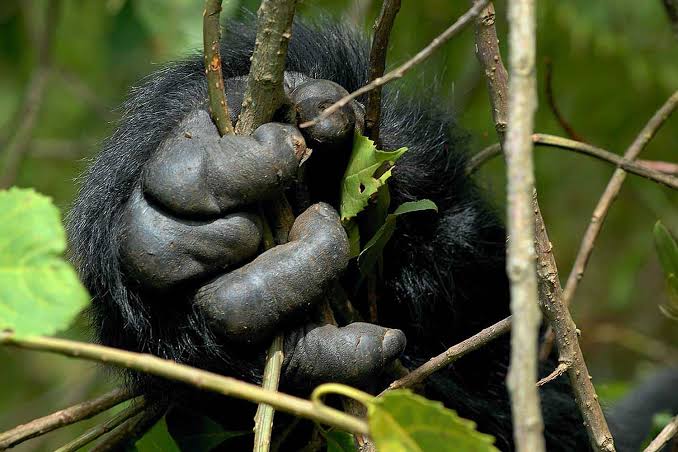
Mountain gorillas live in social groups that may include a dominant silverback, adult females, juveniles and infants. During your visit, you might see them feeding on vegetation, grooming one another, resting or playing.
Each encounter is different because gorillas behave naturally and move freely through their habitat. Your guide helps interpret their behaviour and explains the conservation measures that protect them.
Visitors are permitted a maximum of one hour with the gorillas once they have been located, subject to park rules and the guide’s instructions.
2. Walking Through the Virunga Mountain Forests
The trek itself is an important part of the experience. Depending on the gorilla family’s location, you may walk through bamboo forests, thick undergrowth, muddy paths and steep mountain terrain.
Along the way, guides and trackers share information about the forest ecosystem, local wildlife and mountain gorilla conservation.
The duration varies considerably. Some treks are relatively short, while others require several hours of hiking. Good preparation and appropriate footwear make the experience more comfortable.
3. Learning About Gorilla Conservation
Rwanda’s gorilla tourism programme is closely connected to conservation and community development.
Permit revenue and tourism-related employment contribute to the wider system supporting protected areas, conservation work and communities around Volcanoes National Park.
During your safari, you may also learn about the work of park rangers, researchers, trackers and conservation organisations. Their efforts help protect mountain gorillas from habitat loss, disease and other threats.
4. Enjoying the Scenery of the Virunga Mountains
The surrounding landscape adds to the experience. Volcanoes National Park is known for its green mountain slopes, misty forests and dramatic volcanic scenery.
Depending on the weather and your route, you may enjoy views of the surrounding mountains before or after your trek.
Travellers who have additional time can also consider golden monkey tracking, a guided cultural visit, the Twin Lakes of Burera and Ruhondo, or a hike arranged through the relevant park authorities.
Step-by-Step: What Happens During a Rwanda Gorilla Tracking Experience?
Step 1: Travel to Kinigi the Day Before
Most visitors travel from Kigali to the Musanze region the day before their trek.
Staying near Kinigi or Musanze reduces the pressure of an early morning drive and gives you time to rest before the hike.
Choose accommodation based on your budget, comfort requirements and distance from the park briefing point.
Step 2: Attend the Morning Briefing
On the day of your trek, report to the designated park registration and briefing centre in Kinigi at the time specified by the authorities. Rwanda’s official booking information currently lists 7:00 a.m. reporting.
Park staff check permits, explain the rules and organise visitors into trekking groups. The minimum age for gorilla tracking in Rwanda is 15 years.
Your group is assigned a gorilla family according to the park’s operational arrangements. Follow all instructions from the guides and park staff.
Step 3: Drive to the Trekking Starting Point
After the briefing, you may drive to the starting point for your assigned trek.
The starting point and walking conditions vary depending on the gorilla family being visited. Trackers may already be monitoring the gorillas and communicating information to the guiding team.
Step 4: Trek Through the Forest
Accompanied by an authorised guide, you begin walking through the forest in search of the gorilla family.
The terrain can include steep slopes, tangled vegetation and muddy trails. Guides set the pace and allow stops as necessary.
Porters may be available for a fee to carry your daypack and assist with difficult sections. Hiring a porter can also support local livelihoods.
Step 5: Spend Time with the Gorilla Family
When the gorillas are located, the guide directs your group to an appropriate viewing position.
You will have up to one hour to observe them, while maintaining the required distance and following all instructions.
This is usually the most memorable part of the experience. Watch their behaviour carefully, take photographs without flash and avoid disturbing their activities.
Step 6: Return from the Forest
After the viewing period, your group leaves the gorillas and returns along the designated route.
The return hike may take additional time, depending on the terrain and location. Once back at your vehicle, you can return to your lodge to rest, enjoy a meal or continue with a prearranged activity.
How Much Does Rwanda Gorilla Tracking Cost?
Rwanda’s standard gorilla trekking permit for an international visitor is US$1,500 per person. Other visitor categories may qualify for different rates, subject to eligibility requirements and seasonal conditions.
Rwanda’s official booking portal lists promotional rates for certain categories, but these do not apply during June to October 2026. Confirm the current price for your nationality or residency category before making payment.
Your total safari cost will usually include more than the permit alone.
Additional expenses may include:
- Accommodation before and after the trek.
- Transport between Kigali, Musanze and Kinigi.
- Meals and drinks.
- A safari guide and vehicle.
- Porter services, if required.
- Optional activities such as golden monkey tracking or cultural visits.
- International flights, visas and travel insurance, where applicable.
For an accurate quotation, provide your travel dates, group size, accommodation preference and arrival and departure details.
What Should You Wear for Gorilla Tracking in Rwanda?
The forest can be wet, cool and muddy, even when the weather in Kigali is warm. Dressing appropriately makes a considerable difference.
Recommended items include:
- Sturdy hiking boots with good grip.
- Long trousers and long-sleeved shirts.
- Waterproof jacket and rain trousers.
- Gardening or hiking gloves to protect your hands from vegetation.
- Comfortable socks and suitable hiking clothing.
- A small daypack.
- Drinking water and snacks for breaks away from the gorillas.
- Sunscreen, insect repellent and a hat.
- A camera or phone with flash disabled.
Bring a change of clothing or extra socks if possible. Conditions can change quickly in the mountains, so waterproof protection is useful throughout the year.
Is Gorilla Tracking in Rwanda Difficult?
The difficulty depends on the gorilla family’s location, the terrain, weather and your fitness.
Some treks involve relatively manageable walks, while others require several hours of steep hiking through thick vegetation. The altitude can also make physical activity more challenging.
You do not need to be a professional mountaineer, but a reasonable level of fitness helps. Regular walking and gentle hill training before your trip can improve your comfort.
If you have concerns about mobility or stamina, discuss them with your tour operator before booking. Porters may be able to provide assistance, but they cannot guarantee that every route will be suitable for every visitor.
Gorilla Tracking Rules You Must Follow
Mountain gorillas are vulnerable to human diseases, so strict rules help protect their health and reduce disturbance.
During your trek:
- Maintain the minimum distance specified by park authorities; Rwanda’s official guidance currently states seven metres.
- Keep your voice low and avoid sudden movements.
- Never touch, feed or attempt to attract a gorilla.
- Do not use flash photography.
- Do not eat, drink or smoke while with the gorillas.
- Follow the guide’s instructions if a gorilla approaches or displays unusual behaviour.
- Do not leave litter in the forest.
- Cover your mouth and turn away if you need to cough or sneeze.
- Do not trek if you have a potentially contagious illness; inform the park staff or operator.
- Respect the one-hour maximum viewing period.
These rules are essential for responsible wildlife tourism and the long-term protection of mountain gorillas.
Best Time for a Rwanda Gorilla Tracking Experience
Gorilla tracking is available throughout the year, subject to permit availability and park operations.
June to September: A popular period for trekking, with generally drier conditions. Permits and accommodation should be arranged early.
December to February: Another relatively dry period that can be suitable for gorilla tracking and other outdoor activities.
March to May: The longer rainy season can produce muddy trails, but the forests and surrounding countryside are often lush.
October to November: The shorter rainy season may bring wet conditions, so waterproof clothing and sturdy footwear are important.
Mountain weather is unpredictable, and rain can occur even during traditionally drier months. Your trek can still be rewarding when you prepare for changing conditions.
Where to Stay for Gorilla Tracking in Rwanda
Choosing accommodation near Volcanoes National Park helps make the early start more convenient.
Budget Accommodation
Guesthouses and simpler lodges around Musanze and Kinigi can be suitable for travellers who want to control costs while keeping the park within reach.
Check what is included in the room rate, particularly breakfast, dinner, transport and other services.
Mid-Range Accommodation
Mid-range lodges and hotels offer a balance of comfort and value. Depending on the property, facilities may include private bathrooms, restaurant services, gardens and assistance with transfers.
These options can work well for couples, friends and small groups.
Luxury Accommodation
Rwanda also offers luxury lodges around Volcanoes National Park, with premium rooms, fine dining and personalised services.
These properties are suitable for travellers seeking a higher level of comfort or celebrating a special occasion.
The best choice depends on your total budget, preferred comfort level and proximity to the park’s briefing centre.
Sample 3-Day Rwanda Gorilla Tracking Safari
Day 1: Kigali to Volcanoes National Park
Arrive in Kigali or begin your journey from the city. Travel north to Musanze and Kinigi, enjoying the rolling hills and countryside.
Check into your lodge, meet your guide and prepare your trekking equipment.
Overnight near Volcanoes National Park.
Day 2: Gorilla Tracking Experience
Have an early breakfast and report to the park briefing centre in Kinigi.
After registration and allocation to a trekking group, travel to the starting point and hike through the forest in search of a mountain gorilla family.
Spend up to one hour observing the gorillas before returning from the forest. Spend the rest of the day relaxing at your lodge.
Overnight near Volcanoes National Park.
Day 3: Cultural Visit and Return to Kigali
Depending on your departure schedule, visit Gorilla Guardians Village, formerly known as Iby’Iwacu Cultural Village, to experience traditional music, dance and community culture.
Alternatively, you can arrange a scenic excursion around Musanze or the Twin Lakes, subject to time and availability.
Return to Kigali for your onward flight or continue with another part of your Rwanda safari.
Can You Combine Rwanda Gorilla Tracking with Uganda?
Yes. Rwanda and Uganda can be combined in one East African safari, allowing visitors to explore different landscapes and wildlife destinations.
Uganda offers mountain gorilla trekking in Bwindi Impenetrable National Park and Mgahinga Gorilla National Park. Other activities can include chimpanzee tracking in Kibale, wildlife safaris in Queen Elizabeth National Park and boat trips along the Kazinga Channel.
A combined itinerary may start in Kigali and continue into Uganda, or follow another route depending on international flights, permit availability and travel preferences.
Remember that gorilla permits are specific to the destination and trekking date. A Rwanda permit does not cover gorilla trekking in Uganda.
Raptors Africa Safaris can help you compare the two countries and plan a route that matches your time and budget.
Frequently Asked Questions About Rwanda Gorilla Tracking
How long does gorilla tracking take in Rwanda?
The hike may take several hours, depending on the location of the gorilla family and the terrain. Once the gorillas are found, visitors can spend up to one hour with them.
How much is a Rwanda gorilla trekking permit?
The standard international visitor permit is US$1,500 per person. Other rates may apply to eligible visitor categories, and promotional rates have seasonal restrictions. Confirm the current rate through the official booking portal.
What is the minimum age for gorilla tracking in Rwanda?
Visitors must be at least 15 years old.
Is it guaranteed that I will see gorillas?
Gorilla trekking is organised around habituated families monitored by trackers, but wildlife remains unpredictable. Check the official permit terms for the applicable arrangements if a trek does not locate a gorilla family.
Can I do gorilla tracking as a day trip from Kigali?
It may be possible to arrange a day trip, but it involves an early departure, a drive of around two to three hours each way and a trek of variable duration. Staying near Kinigi the night before is generally more comfortable and reduces the risk of delays.
Do I need to book my gorilla permit in advance?
Yes. Advance booking is strongly recommended because permits are limited and allocated for specific dates. Confirm availability before finalising your travel arrangements.
Can children go gorilla tracking?
The minimum age in Rwanda is 15 years. Families travelling with younger children can explore alternative activities, subject to age requirements and availability.
Can Raptors Africa Safaris arrange my Rwanda gorilla trek?
Raptors Africa Safaris can help coordinate a gorilla trekking itinerary, including permit arrangements, accommodation and transport, subject to availability and confirmation of the relevant booking details.
Book Your Rwanda Gorilla Tracking Experience with Raptors Africa Safaris
A Rwanda gorilla tracking experience combines adventure, wildlife observation and conservation in the beautiful forests of Volcanoes National Park. From the early morning briefing in Kinigi to the moment you encounter a mountain gorilla family, every stage offers an opportunity to appreciate one of Africa’s most remarkable wildlife experiences.
Whether you prefer a short gorilla trekking trip or a longer safari combining Rwanda and Uganda, careful planning will help you make the most of your journey.
Planning to see mountain gorillas in Rwanda? Contact Raptors Africa Safaris with your preferred travel dates, number of travellers, accommodation level and budget. The team can help you explore permit availability and build a suitable itinerary.
Visit Raptors Africa Safaris to start planning your gorilla tracking adventure.