Call: +256 702 595 926 | Email: info@bookgorillatracking.com

Virunga Mountains: Gorilla Trekking, Volcanoes & Hiking

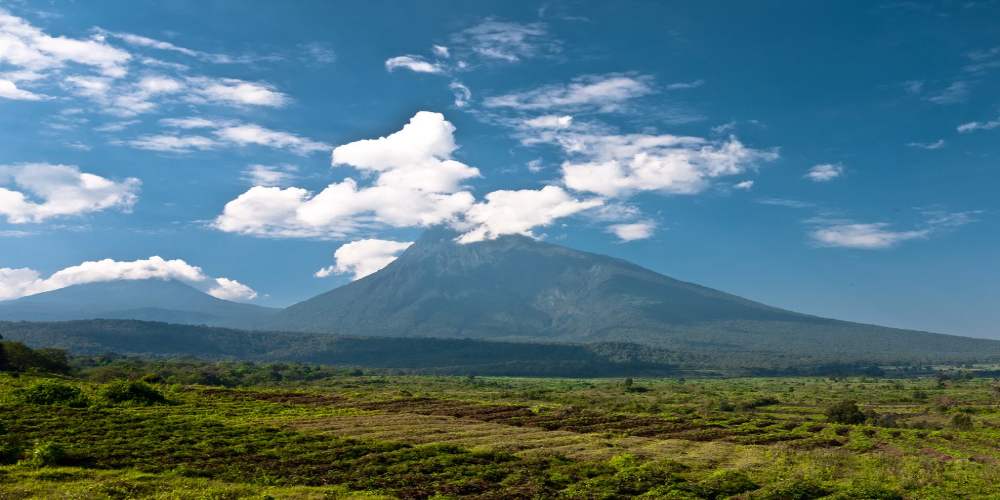
Virunga Mountains: Volcanoes, Gorilla Trekking and Hiking in East Africa
The Virunga Mountains are one of Africa’s most spectacular mountain ranges, famous for their volcanic peaks, lush forests, endangered mountain gorillas and remarkable biodiversity. Located along the borders of Rwanda, Uganda and the Democratic Republic of Congo (DRC), this mountain region is an outstanding destination for travellers seeking gorilla trekking, hiking, wildlife encounters and authentic East African experiences.
The Virunga Mountains form part of the wider Virunga Massif, a chain of volcanoes rising above the surrounding countryside. Their forested slopes provide critical habitat for mountain gorillas and golden monkeys, while higher elevations support distinctive alpine vegetation and dramatic volcanic landscapes.
For travellers planning a Rwanda or Uganda safari, the Virunga Mountains offer opportunities to combine primate tracking with mountain adventures, cultural experiences and scenic countryside drives.
Raptors Africa Safaris helps travellers explore East Africa through carefully planned safari experiences, including gorilla trekking, wildlife viewing and cross-border adventures where travel conditions and regulations permit.
Where Are the Virunga Mountains?
The Virunga Mountains are situated in the Great Lakes region of East-Central Africa, where Rwanda, Uganda and the Democratic Republic of Congo meet.
The range is part of the Albertine Rift, a region recognised for its exceptional biodiversity and concentration of endemic wildlife. Its volcanic landscape includes forest-covered slopes, crater lakes, bamboo forests and high-altitude habitats.
The eight principal volcanoes commonly associated with the Virunga chain are:
- Mount Karisimbi
- Mount Bisoke
- Mount Sabyinyo
- Mount Gahinga
- Mount Muhabura
- Mount Nyiragongo
- Mount Nyamuragira
- Mount Mikeno
Karisimbi, at approximately 4,507 metres, is the highest of the Virunga volcanoes. Nyiragongo and Nyamuragira, in the DRC, are active volcanoes known for their significant volcanic activity.
The mountains are protected through several national parks, including Volcanoes National Park in Rwanda, Mgahinga Gorilla National Park in Uganda and Virunga National Park in the DRC. These protected areas contribute to the conservation of mountain gorillas and other wildlife.
Why Are the Virunga Mountains Famous?
1. Mountain Gorilla Trekking
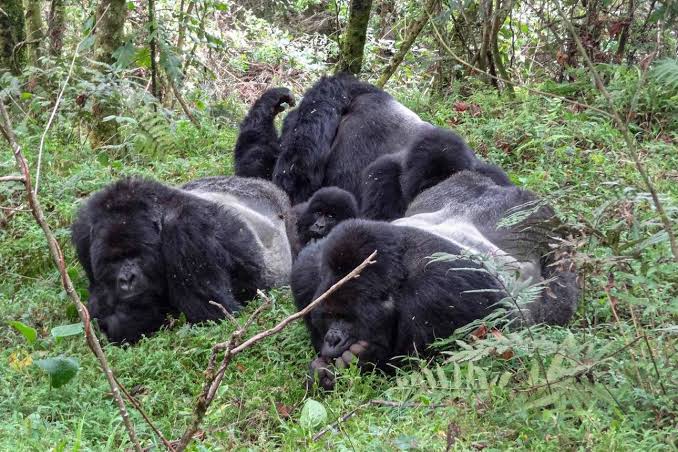
Mountain gorilla trekking is the best-known wildlife experience associated with the Virunga Mountains. The region is one of only two areas in the world where mountain gorillas survive in the wild, the other being Uganda’s Bwindi Impenetrable Forest.
Visitors can track mountain gorillas in:
- Volcanoes National Park, Rwanda: Known for established trekking operations and access from Kigali.
- Mgahinga Gorilla National Park, Uganda: A scenic park in the Virunga Mountains offering gorilla trekking and golden monkey tracking.
- Virunga National Park, Democratic Republic of Congo: A protected area with mountain gorillas, although visitor access and trekking availability must be confirmed because of security conditions and operational restrictions.
Gorilla trekking begins with a briefing and a guided hike through forested terrain. Once a habituated gorilla family is located, visitors can observe the animals under strict rules designed to protect their health and minimise disturbance.
The trek can involve steep slopes, muddy trails and changing weather. Travellers should bring sturdy hiking boots, waterproof clothing, drinking water and suitable outdoor clothing.
Planning tip: Confirm permit availability, entry requirements and current park operations before booking. Access and security conditions can differ considerably between the three countries.
2. Hiking Mount Karisimbi
Mount Karisimbi is the highest volcano in the Virunga Mountains, reaching approximately 4,507 metres above sea level.
Located on the Rwanda–DRC border, the mountain is known for its rugged slopes, changing vegetation and high-altitude scenery. Its name is commonly associated with the word for a white shell in Kinyarwanda, referring to the summit’s occasional covering of mist or snow-like conditions.
A Karisimbi hike is a demanding mountain adventure that generally requires an overnight expedition. Hikers pass through forest and higher-altitude vegetation before reaching the summit area.
The climb is suitable for travellers who have good fitness and are prepared for cold temperatures, steep terrain and changing weather. Arrange the hike through authorised operators and confirm current access rules.
3. Climb Mount Bisoke
Mount Bisoke, also called Visoke, stands at approximately 3,711 metres and is famous for its crater lake.
The volcano lies on the Rwanda–DRC border, and the established hiking experience is accessed from Rwanda through Volcanoes National Park, subject to current regulations.
The hike passes through montane forest and other vegetation zones. At the summit, hikers may be rewarded with views of the crater lake and surrounding volcanic landscape when the weather is clear.
Although generally less demanding than Karisimbi’s overnight expedition, Bisoke is still a challenging high-altitude hike. Visitors should prepare for steep slopes, mud, rain and cooler conditions at higher elevations.
4. Explore Mount Sabyinyo
Mount Sabyinyo is an impressive volcano whose eroded summit ridges give it a distinctive appearance. Its slopes meet the borders of Rwanda, Uganda and the DRC.
The mountain is particularly important because its surrounding habitats form part of the wider ecosystem used by mountain gorillas.
Hiking opportunities and access arrangements vary depending on the country and the route. Travellers interested in climbing Sabyinyo should book through the relevant park authorities or authorised operators and confirm the current itinerary and requirements.
5. Visit Mount Gahinga and Mount Muhabura
Mount Gahinga and Mount Muhabura are two other prominent volcanoes in the Ugandan section of the Virunga range.
Mount Gahinga, at approximately 3,474 metres, is associated with bamboo forests and the surrounding Mgahinga Gorilla National Park ecosystem. The name is linked to small piles of stones found in cultivated areas.
Mount Muhabura rises to approximately 4,127 metres and is known for its steep hiking routes and broad views across the Virunga landscape.
Both mountains offer opportunities for visitors interested in hiking, volcanic scenery and the natural environment beyond gorilla trekking. Hiking should be arranged with the relevant park authorities, with the route selected according to fitness, conditions and current availability.
6. Discover the Active Volcanoes of the DRC
Mount Nyiragongo and Mount Nyamuragira are among the most notable active volcanoes in the Virunga region.
Nyiragongo has been famous for its steep-sided volcanic summit and historically remarkable lava lake. Nyamuragira is also known for recurrent volcanic eruptions.
However, volcanic activity and security conditions can change rapidly. Travellers should not assume that either volcano is currently accessible.
Before planning an expedition in the DRC, consult official park and travel advisories. The official Virunga visitor website currently carries a notice that gorilla and Nyiragongo treks are closed until further notice. Check the latest status directly before making any arrangements.
Wildlife of the Virunga Mountains
The Virunga Mountains support an exceptional range of wildlife because their habitats extend from lower forested slopes to high-altitude vegetation.
Mountain Gorillas
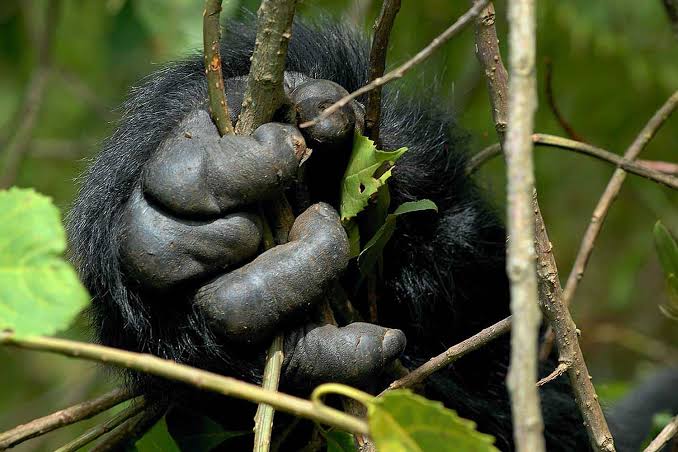
Mountain gorillas are the region’s most celebrated animals. They live in social groups led by a dominant silverback and feed mainly on leaves, shoots, stems and other vegetation.
Conservation programmes across Rwanda, Uganda and the DRC combine habitat protection, ranger patrols, veterinary support, scientific monitoring and community engagement.
Golden Monkeys
Golden monkeys are striking primates recognised by their golden-orange markings. They live in bamboo-rich mountain forests and are an important attraction in Volcanoes National Park and Mgahinga Gorilla National Park.
Golden monkey tracking provides an opportunity to observe their social behaviour and movements through the forest.
Forest Elephants and Other Mammals
The wider Virunga ecosystem, especially the DRC’s Virunga National Park, supports a range of mammals in different habitats. These include elephants, buffalo, hippos, antelopes and other forest and savannah species.
Wildlife sightings depend on the location, habitat, season and activity selected.
Birds of the Albertine Rift
The Virunga region lies within the Albertine Rift, one of Africa’s important birding areas. Its forests and high-altitude habitats support numerous bird species, including species of particular interest to birdwatchers.
Birding trips can be combined with gorilla trekking, nature walks and mountain excursions, depending on the park and route.
National Parks in the Virunga Mountains
Volcanoes National Park, Rwanda
Volcanoes National Park protects part of the Virunga Massif and is one of Rwanda’s principal wildlife destinations.
Its main activities include mountain gorilla trekking, golden monkey tracking, authorised volcano hikes and selected nature and cultural experiences.
The park is accessible from the Musanze and Kinigi areas, making it convenient for travellers arriving through Kigali.
Mgahinga Gorilla National Park, Uganda
Mgahinga Gorilla National Park is located in southwestern Uganda and protects a section of the Virunga Mountains.
The park offers mountain gorilla trekking, golden monkey tracking, volcano hiking and opportunities to learn about the region’s cultural heritage.
It is a useful option for travellers planning a Uganda safari or combining primate experiences with wildlife destinations elsewhere in the country.
Virunga National Park, Democratic Republic of Congo
Virunga National Park is one of Africa’s most biodiverse protected areas and includes a wide range of habitats, from forests and savannahs to volcanic landscapes.
Its wildlife includes mountain gorillas and other primates, elephants, hippos and numerous bird species.
Despite its remarkable natural heritage, the park is affected by serious security challenges. Visitors must verify current access, trekking operations, travel advisories and border arrangements before considering a visit.
Best Time to Visit the Virunga Mountains
The Virunga Mountains can be visited throughout much of the year, but weather influences hiking conditions, visibility and the difficulty of forest trails.
June to September: This is generally one of the drier periods in Rwanda and Uganda. It is popular for gorilla trekking and mountain hiking, so booking permits and accommodation early is advisable.
December to February: Another relatively dry period that can suit gorilla trekking, nature excursions and hiking.
March to May: The longer rainy season can make mountain trails slippery and challenging. The forests and surrounding countryside are often lush.
October to November: The shorter rainy season can also bring muddy conditions, although some activities may continue as scheduled.
Mountain weather can change rapidly. Always check the forecast and park guidance before hiking, and remember that conditions at higher elevations can be colder than in nearby towns.
How to Reach the Virunga Mountains
Your route depends on which country and national park you plan to visit.
From Kigali, Rwanda
Kigali is the principal international arrival point for many travellers visiting Volcanoes National Park. The drive to the Kinigi and Musanze area usually takes around two to three hours, depending on traffic and the final destination.
Rwanda is a convenient choice for travellers seeking a relatively short transfer between the capital and the gorilla trekking region.
From Entebbe, Uganda
Travellers visiting Mgahinga Gorilla National Park can reach southwestern Uganda by road from Entebbe or Kampala. The journey is long and should be planned according to the itinerary, road conditions and overnight stops.
A multi-day safari may combine Mgahinga with Bwindi Impenetrable National Park, Lake Bunyonyi or other Ugandan destinations.
Accessing the DRC
Travel to Virunga National Park in the DRC requires particular care. Visa requirements, border procedures, security conditions and park operations must be checked using official sources before travel.
Do not book based on historical tour information alone. Confirm that the intended activity is operating and that the route is considered safe by the relevant authorities.
Where to Stay in the Virunga Mountains
Accommodation options depend on the country, park and activity.
Budget accommodation: Guesthouses and simple lodges around Musanze, Kinigi and southwestern Uganda can suit travellers looking to manage costs.
Mid-range accommodation: Comfortable lodges around Volcanoes National Park and Mgahinga offer a balance between convenience and facilities.
Luxury accommodation: Premium safari lodges in the wider Rwanda and Uganda gorilla trekking regions provide higher levels of comfort, dining and guiding services.
For a gorilla trek, prioritise a property that allows you to reach the correct park briefing point on time. Confirm transfers, meals and the exact location before booking.
In the DRC, accommodation and access should only be considered after verifying current park operations and travel safety.
Can You Visit the Virunga Mountains on a Budget?
Yes. A well-planned trip can reduce costs while still including memorable mountain and wildlife experiences.
Consider these strategies:
- Compare gorilla trekking options in Rwanda and Uganda using the full trip cost.
- Choose accommodation that matches your comfort requirements rather than automatically selecting a luxury lodge.
- Share private transport with other travellers when practical.
- Combine nearby activities to reduce unnecessary transfers.
- Book permits and accommodation early for popular travel dates.
- Confirm all inclusions before paying, particularly transport, meals, permits and border transfers.
The best destination depends on your budget, travel dates, desired activities and international flight arrangements. Raptors Africa Safaris can help you compare options for a Uganda or Rwanda safari.
Responsible Tourism and Conservation
The survival of mountain gorillas depends on protecting their habitat and reducing threats such as habitat loss, disease transmission and illegal activity.
Visitors can support conservation by following park rules, maintaining the required distance from wildlife, avoiding littering and respecting local communities.
During gorilla trekking, do not touch or feed the animals. If you feel unwell, inform the park authorities or your guide before the trek, because human illnesses can threaten gorilla health.
Community-based tourism also matters. Using local guides, respecting cultural practices and purchasing locally made crafts can help support livelihoods around protected areas.
Frequently Asked Questions About the Virunga Mountains
Where are the Virunga Mountains located?
The Virunga Mountains lie along the borders of Rwanda, Uganda and the Democratic Republic of Congo in the Great Lakes region of East-Central Africa.
How many volcanoes are in the Virunga Mountains?
The Virunga volcanic chain is commonly described as having eight principal volcanoes: Karisimbi, Bisoke, Sabyinyo, Gahinga, Muhabura, Nyiragongo, Nyamuragira and Mikeno.
What is the highest mountain in the Virunga range?
Mount Karisimbi is the highest volcano in the Virunga Mountains, rising to approximately 4,507 metres above sea level.
Can you see gorillas in the Virunga Mountains?
Yes. Mountain gorilla trekking is available in designated areas of Rwanda and Uganda when permits and park operations allow. Virunga National Park in the DRC has also offered gorilla trekking, but current availability must be verified because operations can be affected by security conditions.
Are the Virunga Mountains safe to visit?
Safety varies by country, location and current conditions. Rwanda and Uganda have established gorilla trekking destinations, while parts of eastern DRC face significant security challenges. Check official travel advisories and park notices before booking.
What is the best time to hike the Virunga Mountains?
The relatively drier periods, particularly June to September and December to February, are often preferred for hiking in Rwanda and Uganda. Weather remains unpredictable at high elevations, so check conditions before setting out.
Can I combine Rwanda and Uganda in one safari?
Yes. Travellers can combine gorilla trekking in Rwanda with gorilla trekking or other wildlife experiences in Uganda. The itinerary requires advance planning for permits, border crossings, transport and visas.
Can Raptors Africa Safaris organise a Virunga Mountains safari?
Raptors Africa Safaris can help plan suitable Uganda and Rwanda safari experiences, including gorilla trekking, golden monkey tracking, accommodation and transport. Activities in the DRC should only be considered after confirming current safety conditions and official park availability.
Plan Your Virunga Mountains Adventure
The Virunga Mountains combine dramatic volcanic landscapes, rich biodiversity and some of Africa’s most remarkable primate experiences. Whether you want to trek mountain gorillas, hike a volcano, photograph golden monkeys or learn about conservation, this region offers a memorable East African adventure.
The right itinerary depends on your fitness, budget, travel dates and the country you want to explore. Careful planning is particularly important for mountain hikes and cross-border journeys.
Planning a gorilla trekking or mountain safari in Rwanda or Uganda? Contact Raptors Africa Safaris to discuss your preferred activities, dates, accommodation and budget.
Visit Raptors Africa Safaris to begin planning your East African safari.
[…] Rwanda is one of Africa’s most famous destinations for mountain gorilla trekking. Located in the Virunga Mountains, the park protects endangered mountain gorillas and offers visitors an unforgettable opportunity to […]