Call: +256 702 595 926 | Email: info@bookgorillatracking.com

Gishwati-Mukura National Park Rwanda: Things to Do


Gishwati-Mukura National Park Rwanda: Chimpanzee Trekking, Birdwatching and Forest Adventures
Gishwati-Mukura National Park is one of Rwanda’s most fascinating destinations for travelers seeking chimpanzee trekking, birdwatching, guided nature walks and authentic rainforest experiences. Located in western Rwanda within the Albertine Rift, this relatively small national park protects two important forest areas, Gishwati and Mukura, which form part of Rwanda’s wider forest restoration and biodiversity conservation efforts. The park was established in 2015 and formally gazetted in 2016
Unlike the more established Nyungwe National Park and Volcanoes National Park, Gishwati-Mukura offers a quieter forest experience with opportunities to explore a recovering ecosystem, discover rare bird species and learn about conservation in Rwanda.
For visitors planning a Rwanda safari, the park can be a rewarding addition to an itinerary combining Lake Kivu, Volcanoes National Park, Nyungwe Forest and other destinations in the country.
Where Is Gishwati-Mukura National Park Located?
Gishwati-Mukura National Park is located in Rwanda’s Western Province, primarily within the districts of Rutsiro and Ngororero. The park lies in the Albertine Rift, a region recognized for its exceptional biodiversity and high concentration of endemic species.
The protected area consists of two separate forest blocks: Gishwati Forest and Mukura Forest. Together, these forests preserve important habitats for primates, forest birds, native plants and other wildlife.
The park is also an important part of Rwanda’s forest restoration initiatives. Decades of deforestation, agricultural expansion, settlement and other human activities reduced the original forest cover. Conservation programmes have since worked to restore habitats and strengthen protection for threatened species.
Gishwati-Mukura was recognized as part of UNESCO’s World Network of Biosphere Reserves in 2020, highlighting its importance for biodiversity conservation and sustainable development.
Top Things to Do in Gishwati-Mukura National Park
1. Chimpanzee Trekking in Gishwati Forest
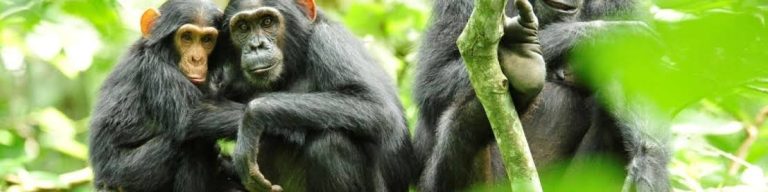
Chimpanzee trekking is one of the principal attractions associated with Gishwati-Mukura National Park. The forest protects a small population of eastern chimpanzees, offering visitors the possibility of observing these intelligent primates in their natural habitat.
A guided chimpanzee trek involves walking through forest trails with trained guides and trackers who help locate the chimpanzees while explaining their behavior, feeding habits and ecological importance.
Chimpanzees are highly mobile animals, so trekking conditions and the time required to locate them can vary. Sightings are not guaranteed, and visitors should confirm the current availability of chimpanzee tracking permits and the applicable visitor regulations before travelling.
For travelers comparing chimpanzee trekking destinations in Rwanda, Nyungwe National Park is another important option, with a more established chimpanzee tourism experience.
2. Birdwatching in Gishwati-Mukura National Park
Gishwati-Mukura is an interesting destination for birdwatchers, particularly those searching for forest specialists and Albertine Rift endemic species.
The forests support a diverse bird community, including species associated with montane forests, forest edges and the surrounding landscape. Birdwatching is best undertaken with an experienced local guide who can identify calls, recognize suitable habitats and help visitors search for difficult-to-spot species.
Birds of interest in the wider Gishwati-Mukura landscape include:
- Rwenzori turacos
- Red-throated alethe
- Mountain yellow warblers
- Purple-breasted sunbirds
- Strange weavers
- Martial eagles
- Grey crowned cranes
Not every species is guaranteed to be encountered during a single visit. Bird sightings depend on the season, habitat, weather and time spent in the forest.
For dedicated birders, combining Gishwati-Mukura with Nyungwe National Park can provide a more comprehensive exploration of Rwanda’s Albertine Rift birdlife.
3. Guided Forest Nature Walks
Guided nature walks provide an opportunity to explore the forest without focusing exclusively on chimpanzees or other primates.
During a walk, visitors can discover indigenous trees, forest plants, butterflies and smaller wildlife while learning about the relationship between healthy forests, water systems and surrounding communities.
The experience also introduces visitors to the challenges of restoring degraded forest habitats and protecting biodiversity in a landscape affected by human activity.
Nature walks are particularly suitable for travelers who enjoy photography, environmental education and slow-paced outdoor activities.
4. Search for Other Primates
In addition to chimpanzees, Gishwati-Mukura supports other primates, including L’Hoest’s monkeys, blue monkeys, black-and-white colobus monkeys and other forest-dwelling species.
These animals occupy different parts of the forest and display a variety of feeding, social and movement behaviors.
With the assistance of a guide, visitors can learn to recognize primate calls, observe movement through the canopy and understand how forest restoration supports wildlife populations.
Golden monkeys are also reported in the wider park landscape, but their presence and accessibility for tourism should be confirmed with park authorities before arranging a dedicated tracking activity.
5. Discover the Park’s Forest Restoration Projects
One of the most meaningful reasons to visit Gishwati-Mukura is to understand Rwanda’s efforts to restore its natural forests.
The Gishwati forest experienced severe habitat loss over several decades. Conservation projects have worked to rehabilitate degraded areas, improve habitat connectivity and protect remaining wildlife populations.
These initiatives are important because forests provide more than wildlife habitat. They help protect watersheds, reduce soil erosion, support biodiversity and contribute to the livelihoods of nearby communities.
Visitors interested in responsible tourism can learn about conservation challenges and the importance of protecting fragile ecosystems through carefully managed tourism.
6. Hiking and Exploring the Forest Landscape
The rolling hills and forested terrain around Gishwati-Mukura create opportunities for guided walking and nature exploration.
Depending on the routes open to visitors, walks may pass through forest vegetation, scenic countryside and areas where forest meets cultivated land.
Hiking difficulty varies according to the route, rainfall and trail conditions. Rwanda’s western highlands can be steep and muddy, so appropriate footwear and a reasonable level of fitness are recommended.
Confirm the availability of particular trails, including waterfall routes, before booking because access and activity arrangements may change.
7. Experience Community Tourism Around the Park
The communities surrounding Gishwati-Mukura form an important part of the wider conservation landscape.
Community-based tourism can help visitors understand local agriculture, traditional practices, daily life and the relationship between livelihoods and natural resource management.
Depending on availability, activities may include guided community visits, agricultural experiences and cultural encounters arranged with local hosts.
Responsible community tourism should be organized with the consent and participation of local residents, ensuring that visitors respect local customs and that communities benefit from tourism.
8. Combine the Forest With Lake Kivu
Gishwati-Mukura can be combined with a visit to Lake Kivu, one of Rwanda’s most scenic destinations.
After exploring the forest, travelers can continue to the lakeshore for relaxing views, boat excursions where available, local food and time in lakeside communities.
Lake Kivu is particularly attractive to visitors who want to balance active forest trekking with a more relaxed experience.
The combination works well for couples, photographers, birdwatchers and travelers planning a broader western Rwanda itinerary.
Wildlife in Gishwati-Mukura National Park
Although the park is relatively small, its forests provide habitat for a variety of primates, mammals, birds and other wildlife.
| Wildlife group | Species to look for |
|---|---|
| Primates | Eastern chimpanzees, L’Hoest’s monkeys, blue monkeys and black-and-white colobus monkeys |
| Other mammals | Red river hogs, black-fronted duikers and tree hyraxes |
| Birds | Rwenzori turacos, red-throated alethe and other forest specialists |
| Smaller wildlife | Butterflies, reptiles and forest-dwelling invertebrates |
Wildlife encounters depend on natural conditions, and visitors should not expect to see every species during a single visit.
The park’s conservation value extends beyond the animals that tourists may encounter. Its vegetation, watersheds and forest ecosystems are also important components of Rwanda’s natural heritage.
Best Time to Visit Gishwati-Mukura National Park
Gishwati-Mukura can be visited throughout the year, although weather conditions influence trekking comfort, trail accessibility and birdwatching.
June to September: These generally drier months are often suitable for forest walks and wildlife activities because trails may be less muddy.
December to February: Another relatively dry period that can offer favorable conditions for exploring the forest and surrounding countryside.
March to May: The longer rainy season brings greener vegetation and can create challenging trekking conditions. Visitors should prepare for rain and slippery trails.
October to November: The shorter rainy season can offer lush scenery and rewarding birdwatching, although rainfall may affect access and walking conditions.
For chimpanzee trekking, the best approach is to choose dates that fit your wider Rwanda itinerary and confirm activity availability before making final arrangements.
Where to Stay Near Gishwati-Mukura National Park
Accommodation options around Gishwati-Mukura are more limited than those around Rwanda’s better-established national parks.
Travelers can investigate the following options when planning their stay:
Gishwati Lodge: A forest-focused accommodation option associated with tourism development in the Gishwati area. Confirm current operating status, room availability, rates and access arrangements before booking.
Forest of Hope Guest House and Campsite: A community-oriented accommodation option established to support conservation and visitor access to the Gishwati landscape. Check current availability and facilities directly before travel.
Accommodation around Lake Kivu: Travelers may prefer to stay near the lake and arrange transport to the park, depending on their planned activities and the location of the authorized visitor entrance.
When choosing accommodation, consider the distance to the activity starting point, the condition of access roads, meal arrangements and whether guided activities can be organized through the property.
How to Get to Gishwati-Mukura National Park
Most international visitors reach Gishwati-Mukura through Kigali, Rwanda’s capital and main international gateway.
By road from Kigali: Travel by private vehicle or an organized safari transfer through Rwanda’s western countryside. Driving time depends on the precise destination, route, traffic and road conditions, so allow sufficient time rather than relying on a fixed estimate.
From Lake Kivu: The park can be incorporated into an itinerary exploring western Rwanda. Confirm the best access route based on the particular forest activity and accommodation.
As part of a Rwanda safari: Gishwati-Mukura can be combined with Volcanoes National Park in the north, Lake Kivu in the west and Nyungwe National Park in the south. The best sequence depends on your arrival airport, departure airport and the activities you want to include.
A private 4×4 vehicle with an experienced driver-guide is a practical choice for travelers visiting multiple destinations or carrying birdwatching and photography equipment.
Gishwati-Mukura vs Nyungwe National Park for Chimpanzee Trekking
Both destinations offer opportunities to explore Rwanda’s forests, but they suit somewhat different travel priorities.
| Feature | Gishwati-Mukura | Nyungwe National Park |
|---|---|---|
| Main appeal | Recovering forest, conservation and a quieter experience | Established rainforest tourism and diverse forest activities |
| Chimpanzee trekking | Available subject to current arrangements and permits | Established chimpanzee trekking destination |
| Birdwatching | Forest birds and Albertine Rift species | Extensive forest birding opportunities |
| Forest exploration | Smaller protected forest areas | Extensive montane rainforest |
| Itinerary style | A distinctive addition to a western Rwanda trip | A major stop on a southern Rwanda itinerary |
Travelers whose main priority is chimpanzee trekking should compare current permit availability, visitor arrangements and the likelihood of sightings before choosing between the parks.
For birdwatchers and nature enthusiasts, visiting both can provide a broader understanding of Rwanda’s forest biodiversity.
Responsible Tourism in Gishwati-Mukura National Park
Gishwati-Mukura demonstrates how conservation and tourism can contribute to protecting important natural habitats.
Visitors can support responsible tourism by following their guide’s instructions, keeping a respectful distance from wildlife, avoiding littering and staying on authorized trails.
Photography should never disturb animals, and visitors must follow current health and safety guidance when participating in primate activities.
Choosing locally operated services where available can also help ensure that tourism contributes to surrounding communities and conservation initiatives.
Frequently Asked Questions About Gishwati-Mukura National Park
1. Where is Gishwati-Mukura National Park located?
Gishwati-Mukura National Park is in western Rwanda, within the Albertine Rift region. It protects Gishwati and Mukura forests and can be incorporated into a safari that includes Lake Kivu, Volcanoes National Park or Nyungwe National Park.
2. What is Gishwati-Mukura National Park famous for?
The park is known for chimpanzees, forest birds, other primates, forest restoration and its role in protecting Rwanda’s biodiversity.
3. Can you see chimpanzees in Gishwati-Mukura National Park?
Chimpanzee trekking has been developed in the Gishwati area, but sightings are not guaranteed. Travelers should confirm current permit availability, trekking arrangements and applicable regulations before booking.
4. Is Gishwati-Mukura good for birdwatching?
Yes. The forests support diverse birdlife, including Albertine Rift species. Visiting with an experienced birding guide can improve the chances of finding specialist forest birds.
5. How many days should you spend in Gishwati-Mukura?
One or two nights may suit travelers interested in a short forest experience, depending on the activities available and the wider itinerary. Dedicated birdwatchers may want additional time if suitable guiding and access can be arranged.
6. What should I pack for a visit?
Bring comfortable hiking boots, lightweight long-sleeved clothing, a waterproof jacket, drinking water, insect repellent, binoculars and a camera. A small daypack and protection for electronic equipment are useful in wet forest conditions.
7. Can Gishwati-Mukura be combined with other Rwanda national parks?
Yes. It can be combined with Nyungwe National Park, Volcanoes National Park and Lake Kivu, depending on the length of your trip and preferred activities.
8. Is Gishwati-Mukura National Park worth visiting?
Gishwati-Mukura is worth considering for travelers interested in forest biodiversity, conservation, birdwatching and a less conventional Rwanda safari destination. Travelers seeking a more established chimpanzee trekking experience should compare it with Nyungwe before deciding.
Plan Your Rwanda Forest Safari With Epic Uganda Vacation
Gishwati-Mukura National Park offers a distinctive opportunity to discover Rwanda’s recovering forests, observe primates, search for Albertine Rift birds and learn about conservation in one of the country’s important biodiversity landscapes.
Whether you are planning a dedicated birdwatching trip, a chimpanzee trekking adventure or a wider East African safari, adding Gishwati-Mukura can introduce a different dimension to your journey.
Raptors Africa safaris can help you explore options for a tailor-made Rwanda and East Africa itinerary, including forest experiences, wildlife destinations, cultural encounters and comfortable accommodation.
Contact Epic Uganda Vacation to start planning your Rwanda safari.