+256-702 595 926 | info@bookgorillatracking.com

Visiting Gisakura Tea Estate, Rwanda: What to Expect

Visiting Gisakura Tea Estate in Rwanda: What to Expect

Visiting Gisakura Tea Estate is a rewarding cultural experience for travellers exploring Nyungwe Forest National Park in southwestern Rwanda. Surrounded by rolling green hills, carefully maintained tea fields and the lush rainforest of Nyungwe, Gisakura offers a different perspective on Rwanda beyond wildlife safaris and forest adventures.
A visit introduces you to the country’s tea-growing traditions, the people who work in the plantations and the journey that tea takes from the field to your cup. Whether you are interested in agriculture, photography, local culture or simply enjoying Rwanda’s beautiful highland scenery, Gisakura is an excellent addition to a Nyungwe itinerary.
For travellers booking a Rwanda safari with Raptors Africa Safaris, a Gisakura tea experience can be combined with chimpanzee trekking, the Nyungwe canopy walkway, birdwatching and guided forest walks.
Where Is Gisakura Tea Estate?
Gisakura Tea Estate is located in Rwanda’s Western Province, near the western edge of Nyungwe Forest National Park. The surrounding area is known for its cool highland climate, green hills and extensive tea plantations.
The estate’s location makes it particularly convenient for visitors staying around Gisakura or exploring the western side of Nyungwe. It can also be included in a wider Rwanda itinerary connecting Nyungwe Forest with Lake Kivu, Huye or Kigali, depending on your route.
One of the most striking features of Gisakura is the contrast between the orderly rows of cultivated tea bushes and the dense natural vegetation of the neighbouring rainforest. This meeting of agriculture and wilderness creates a distinctive landscape that is especially attractive to photographers and nature lovers.
What to Expect When Visiting Gisakura Tea Estate
1. Walking Through the Green Tea Plantations
One of the highlights of visiting Gisakura is walking among the tea bushes that cover the surrounding hillsides. The neat rows of bright green plants create a beautiful pattern across the landscape, with views towards the surrounding countryside and Nyungwe’s forested slopes.
During a guided visit, you can learn about how tea plants are cultivated, maintained and harvested. Your guide may explain how growers manage the bushes, when young leaves are collected and why careful harvesting is important for tea quality.
The experience is generally relaxed rather than physically demanding, although the terrain can be uneven and some paths may be muddy after rain. Visitors should wear comfortable walking shoes and allow time to enjoy the scenery instead of rushing through the plantation.
2. Learning How Tea Is Grown and Harvested
Gisakura provides an opportunity to understand the work behind one of Rwanda’s important agricultural products. Tea cultivation involves more than simply growing green bushes across the hills. It requires regular care, skilled harvesting and careful handling of freshly picked leaves.
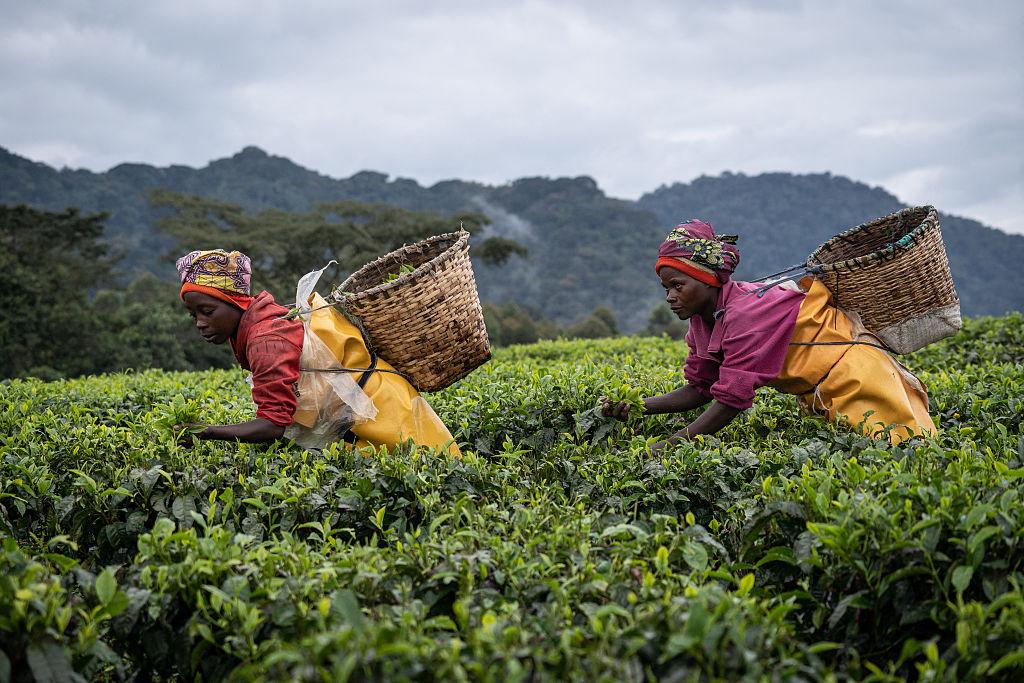
Depending on the activities available during your visit, you may be able to observe tea pickers working in the fields. A guide can explain how harvesting is carried out and how the quality of the leaves influences the final product.
You may also learn about the role of tea cultivation in the surrounding communities, including the work and skills required to maintain a productive plantation.
Good to know: Tea picking is a working agricultural activity, so demonstrations and opportunities to try picking yourself should be confirmed when arranging the tour.
3. Discovering the Journey From Leaf to Cup
For visitors interested in the production process, learning how freshly harvested leaves are transformed into finished tea can be a particularly interesting part of the experience.
Depending on the tour arrangement, a visit may include information about the stages of tea processing, such as withering, rolling or cutting, oxidation and drying. These processes help determine the flavour, colour and character of the finished tea.
Access to a working factory is not automatically included in every plantation visit. If seeing the machinery and processing stages is important to you, ask your safari operator to confirm whether a factory tour is available on your chosen date.
This is an excellent experience for travellers who want to understand the agricultural side of Rwanda and see how a familiar everyday drink is produced.
4. Tasting Rwandan Tea
No tea experience would be complete without enjoying a freshly brewed cup.
Tea tasting offers an opportunity to appreciate the flavour and aroma of tea grown in Rwanda’s highlands. You can ask about the different grades and styles available and discover which varieties suit your preferences.
Some organised garden experiences may offer a more structured tasting session, while the activities available at other visits may be simpler. Confirm what is included before travelling if tasting is a priority.
You may also have an opportunity to purchase locally produced tea to take home as a souvenir or gift, depending on the products available at the time.
5. Photography and Scenic Views
Gisakura is an appealing destination for photographers because of its combination of cultivated hills, green tea bushes, rural scenery and neighbouring rainforest.
The plantation offers opportunities to photograph the patterns formed by the tea rows, workers harvesting leaves where permitted, and the changing light across the hills.
Morning and late-afternoon light can be particularly attractive for landscape photography. However, weather conditions in the Nyungwe region can change quickly, and mist or rain may affect visibility.
Always ask permission before photographing workers at close range, and respect any restrictions around the factory or private estate areas.
6. Experiencing the Local Community
A tea plantation visit can also provide insight into the lives and livelihoods of people living around Nyungwe Forest.
Tea cultivation contributes to the local economy through agricultural work and related activities. Speaking with a guide or learning about the harvesting process can help visitors appreciate the knowledge, effort and organisation involved in producing tea.
The experience complements wildlife tourism by showing another important part of the region: the relationship between the surrounding communities, the land and the products grown there.
Visitors should approach the experience respectfully, follow their guide’s instructions and avoid entering working areas without permission.
Can You See Monkeys at Gisakura Tea Estate?
The forest around Gisakura supports a variety of wildlife. Nyungwe Forest is particularly well known for its primates and birdlife, and Rwanda’s official tourism information notes that black-and-white colobus monkeys can be found in a patch of forest within the Gisakura plantation area.
Seeing wildlife during a tea visit is possible, but sightings are not guaranteed. A plantation tour is primarily an agricultural and cultural experience, rather than a dedicated wildlife-tracking activity.
If seeing primates is a major priority, consider adding a guided colobus monkey excursion or chimpanzee trekking in Nyungwe Forest. These activities require separate arrangements and should be planned according to the park’s current rules and availability.
How Long Should You Spend at Gisakura Tea Estate?
The time required depends on the type of visit you arrange.
- Short visit: Suitable for travellers who mainly want to enjoy the scenery and learn a little about tea cultivation.
- Guided plantation tour: Allows more time to walk through the fields, learn about harvesting and speak with your guide.
- Extended tea experience: May include a more detailed explanation of production, a tasting session or factory access where these activities have been arranged.
Allow approximately one to three hours as a planning estimate for a plantation experience, but confirm the expected duration with your tour operator. A factory tour or additional activities may require more time.
Best Time to Visit Gisakura Tea Estate
Gisakura can be visited as part of a Nyungwe itinerary throughout the year. Tea cultivation takes place in this highland region in a climate that supports lush vegetation, although weather conditions can affect the walking experience and views.
The drier periods are often more convenient for walking and photography, while the wetter months can bring muddy paths and misty conditions. Rain is possible even during generally drier periods, so carrying a light waterproof jacket is sensible.
For travellers hoping to observe harvesting, ask in advance about the activities taking place on the day of your visit rather than assuming that a particular season guarantees a picking demonstration.
What Should You Wear and Bring?
For a comfortable visit to Gisakura Tea Estate, consider packing:
- Comfortable walking shoes with good grip.
- A light waterproof jacket.
- A camera or smartphone for photographs.
- Sun protection for clear weather.
- Drinking water.
- Some local currency if you intend to purchase tea or other items.
The highland climate around Nyungwe can be cool, especially in the morning, so wearing layers is a good idea.
Combining Gisakura Tea Estate With Nyungwe Forest National Park
One of the main advantages of visiting Gisakura is its proximity to Nyungwe Forest National Park. The tea plantation can be included in a wider itinerary that combines cultural experiences with rainforest exploration.
Chimpanzee Trekking
Chimpanzee trekking is one of Nyungwe’s signature wildlife experiences. Visitors join authorised guides and trackers to search for chimpanzees in the forest. Because trekking can begin early and take several hours, it is important to plan the tea visit around your confirmed activity schedule.
Nyungwe Canopy Walkway
The canopy walkway provides an elevated perspective over the rainforest, offering views of the forest canopy and surrounding hills. It is a good complement to a plantation walk, as the two experiences reveal different aspects of the landscape.
Birdwatching and Forest Walks
Nyungwe is an important destination for birdwatchers, including those interested in Albertine Rift species. Guided forest walks provide opportunities to explore its rich plant life, listen for birds and learn about the rainforest ecosystem.
Waterfall Hikes
Nyungwe also offers guided hikes to waterfalls and other natural features. The duration and difficulty depend on the trail selected, so choose an activity that fits your fitness level and available time.
Suggested One-Day Plan Around Gisakura
If you are staying near Gisakura, you may be able to arrange a day that combines a tea experience with other activities around Nyungwe.
Morning: Enjoy a pre-arranged guided tea plantation tour, learn about cultivation and harvesting, and take photographs of the green hills.
Late morning or afternoon: Depending on your accommodation and bookings, enjoy a meal or coffee break before taking part in a suitable guided forest walk or another scheduled Nyungwe activity.
Evening: Return to your lodge or guesthouse and relax after a day exploring the area.
If you are planning chimpanzee trekking or the canopy walkway, build the day around the official activity time and allow sufficient time for transport and rest. It may be more comfortable to spread the experiences across two days rather than trying to fit everything into one.
Practical Tips for Booking a Gisakura Tea Tour
Gisakura is a working tea-growing area, and the exact visitor experience can vary. Planning ahead helps you understand what is included and avoid disappointment.
Before confirming your visit, ask:
- Is a guided plantation walk included?
- Will a guide explain tea growing and harvesting?
- Is factory access available on the date of the visit?
- Is tea tasting included, and can tea be purchased?
- How long will the experience take?
- Is transport included from your accommodation?
- Are there any restrictions on photography or entering certain areas?
Rwanda’s official tourism guidance recommends arranging tea plantation visits through a tour operator or Visit Rwanda rather than assuming that every estate can accommodate visitors who arrive without a booking.
Raptors Africa Safaris can help travellers incorporate a Gisakura tea experience into a tailor-made Rwanda itinerary, subject to confirmation of the activities available.
Is Visiting Gisakura Tea Estate Worth It?
Yes, particularly if you want to experience a different side of Rwanda while exploring Nyungwe Forest National Park.
The attraction is not simply the tea itself. It is the opportunity to walk through green highland plantations, understand how tea is produced, learn about local livelihoods and enjoy the remarkable landscape where cultivated hills meet rainforest.
Gisakura is especially worthwhile for travellers who appreciate cultural experiences, agriculture, landscape photography and slower-paced activities between wildlife excursions.
For visitors on a short itinerary, the tea estate can be a pleasant addition to a Nyungwe stay. For those with more time, combining it with chimpanzee trekking, birdwatching, forest hiking or the canopy walkway creates a more complete experience of this part of Rwanda.
Frequently Asked Questions About Visiting Gisakura Tea Estate
Where is Gisakura Tea Estate located?
Gisakura Tea Estate is in Rwanda’s Western Province, near the western edge of Nyungwe Forest National Park.
What can I do at Gisakura Tea Estate?
Depending on the arrangements available, visitors can walk through tea plantations, learn about tea cultivation and harvesting, enjoy scenic photography and take part in tea tasting or factory activities where offered.
Can visitors pick tea at Gisakura?
A picking demonstration or hands-on experience may be possible if arranged in advance. Confirm availability with the estate or your tour operator before your visit.
Can I visit the tea factory?
Factory visits depend on the arrangements available for your date. Ask specifically about factory access when booking rather than assuming it is included in a plantation walk.
Can I combine Gisakura with chimpanzee trekking?
Yes. Gisakura is near Nyungwe Forest National Park, where chimpanzee trekking is offered. However, trekking schedules should take priority, and the tea visit should be fitted around your confirmed booking.
Is Gisakura suitable for families?
A plantation visit can suit families interested in nature, scenery and local culture. The walking route, duration and accessibility should be checked in advance, especially when travelling with young children or anyone with limited mobility.
Do I need to book a Gisakura tea tour in advance?
Advance arrangements are recommended. Confirm the tour, guide, duration, tasting and any factory access before setting off.
Plan Your Rwanda Tea and Rainforest Experience
Gisakura Tea Estate offers a memorable way to discover Rwanda’s tea-growing heritage alongside the natural beauty of Nyungwe Forest National Park. From walking among green tea bushes to learning about harvesting and tasting locally produced tea, the experience adds cultural depth to a rainforest safari.
Contact Raptors Africa Safaris to include Gisakura in a tailor-made Rwanda itinerary, whether you are planning a short Nyungwe visit or a longer journey combining primates, birdwatching, scenic landscapes and local cultural experiences.